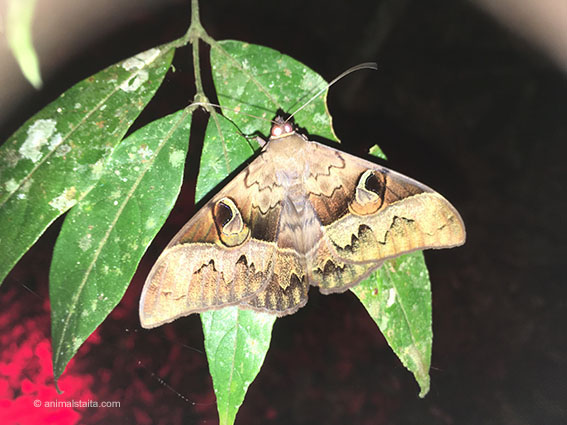
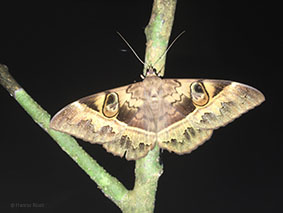
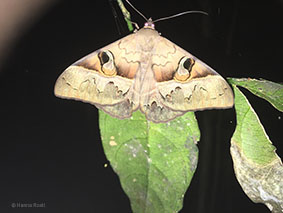
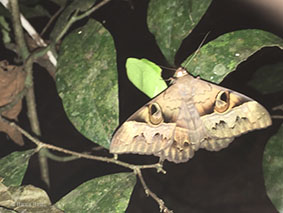
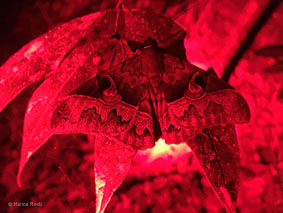
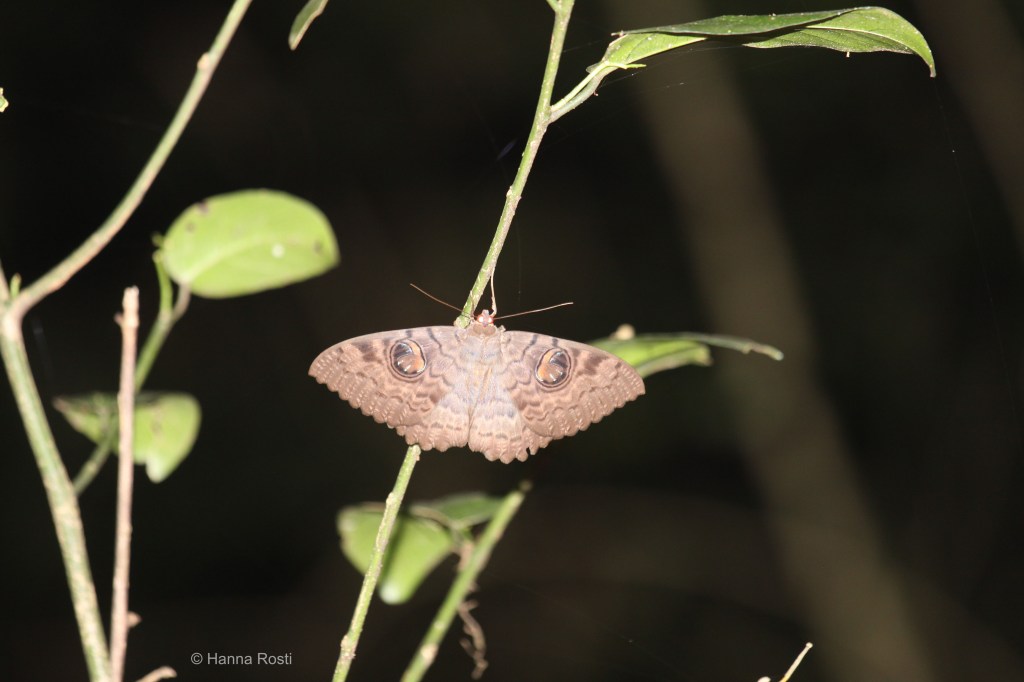
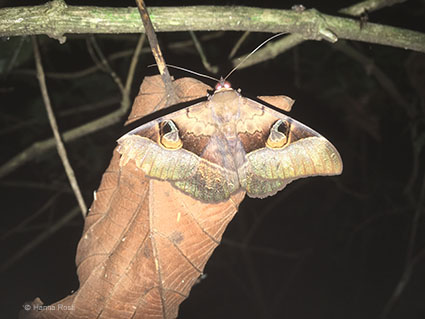
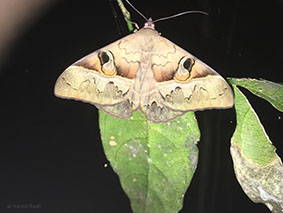
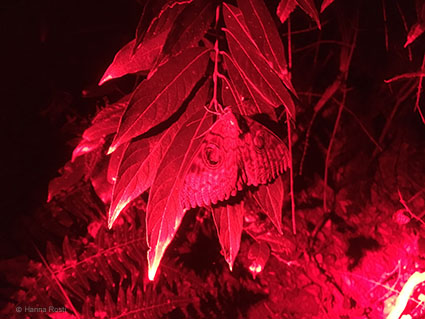
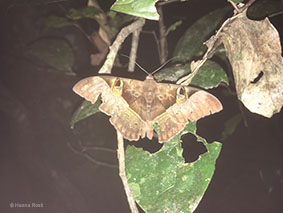
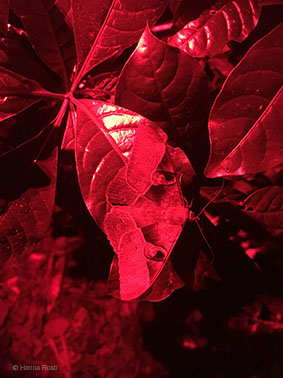
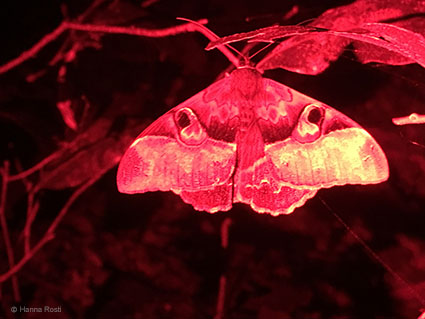
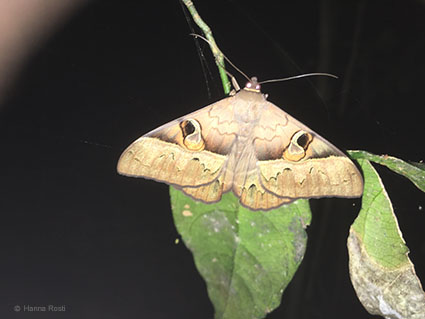
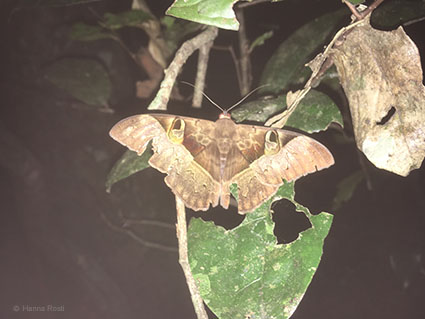
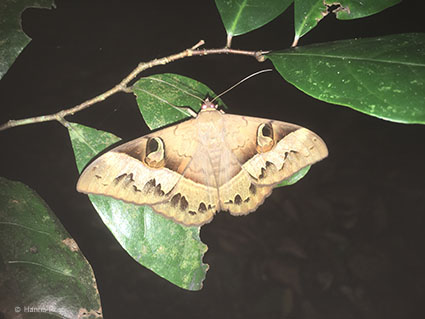
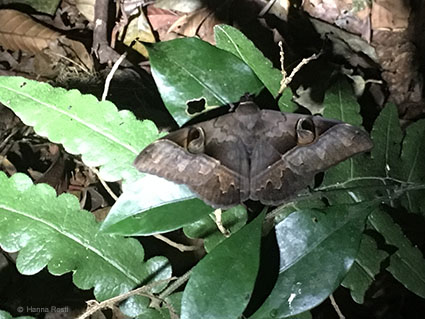
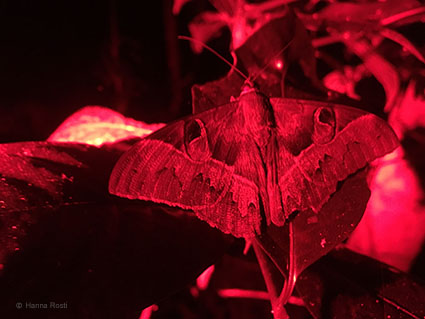
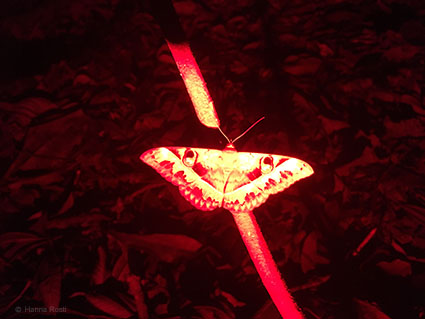
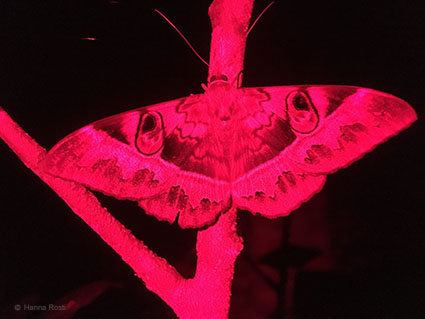
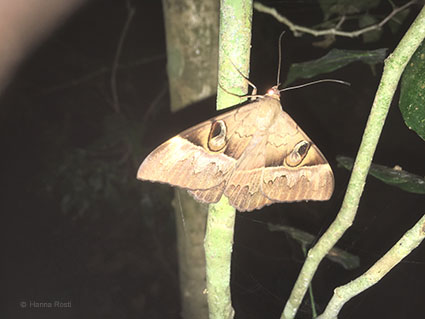
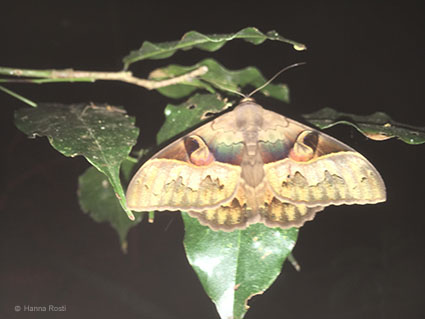
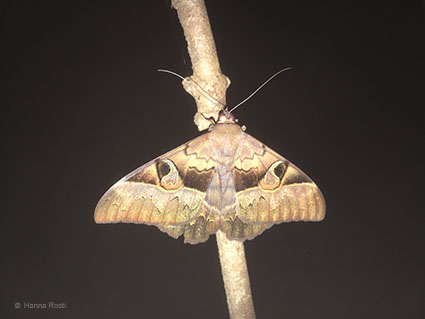
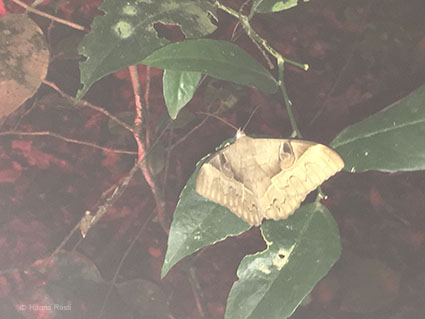
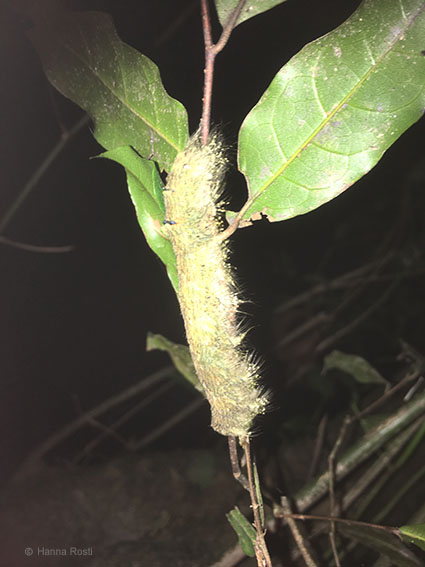
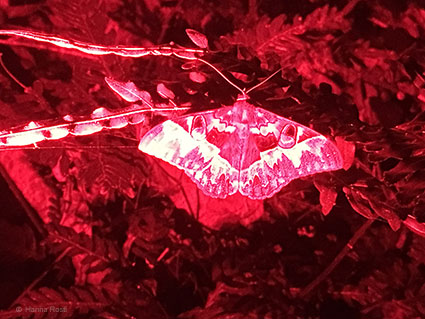
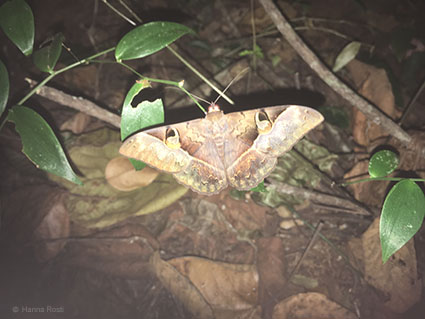
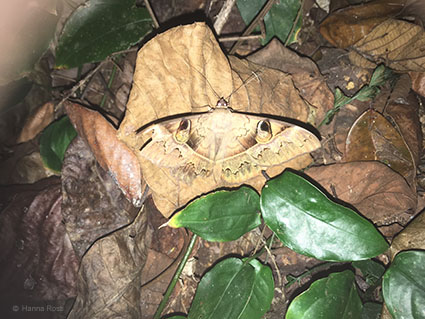
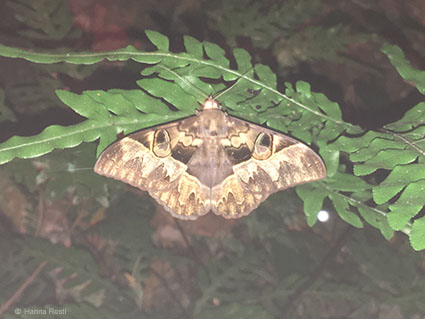
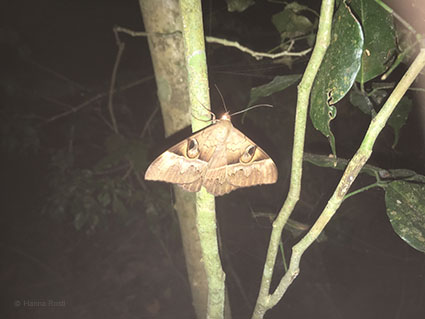
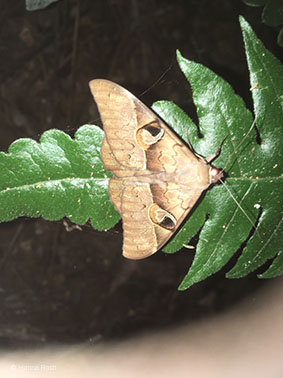
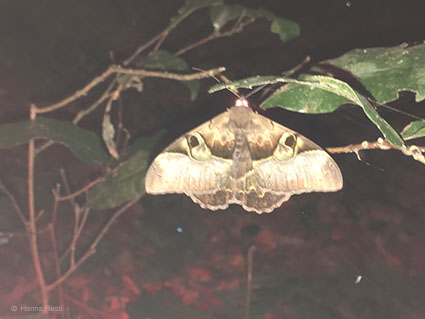
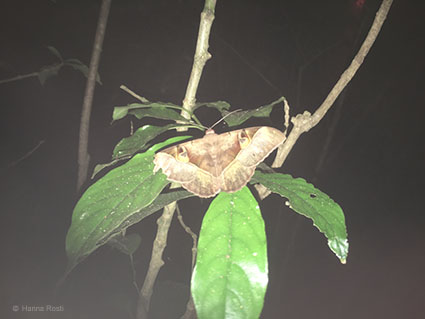
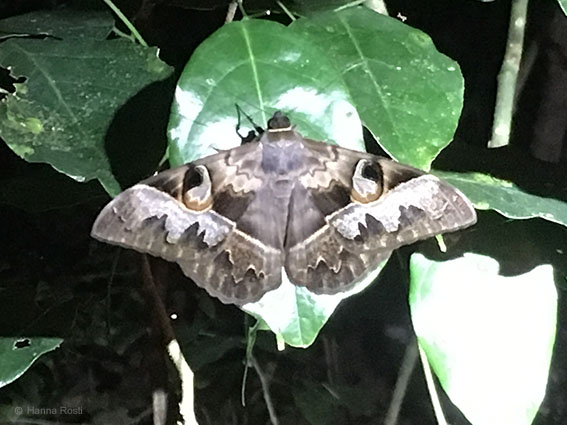
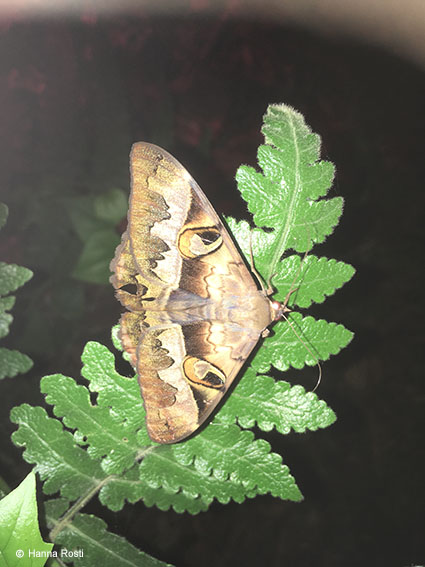
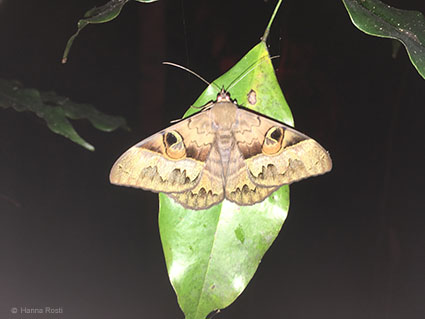
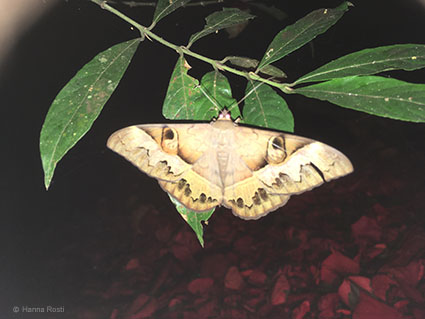
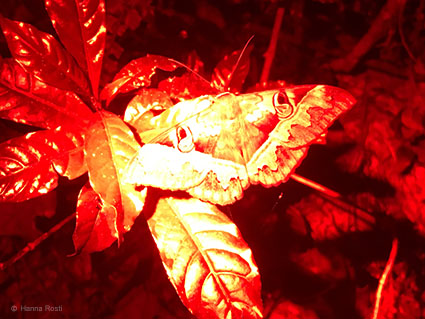
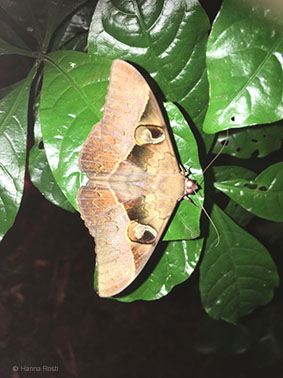
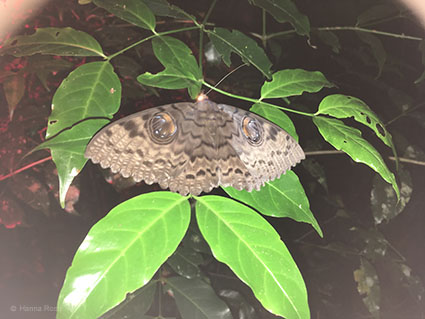
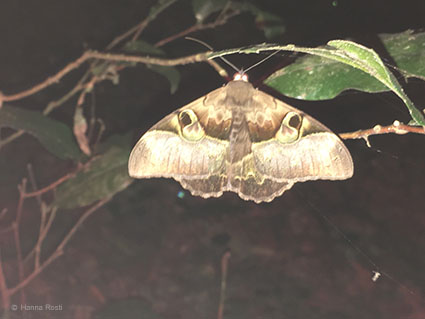
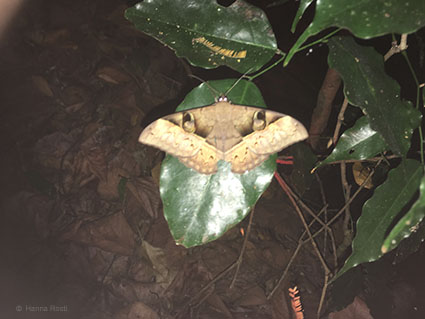
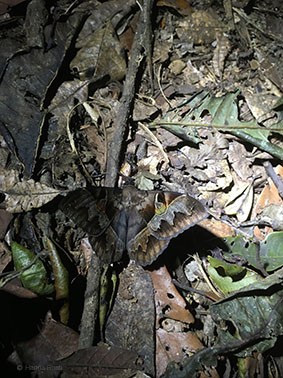
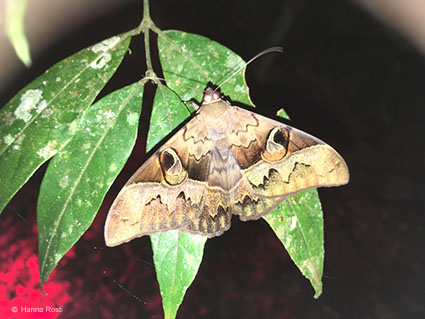
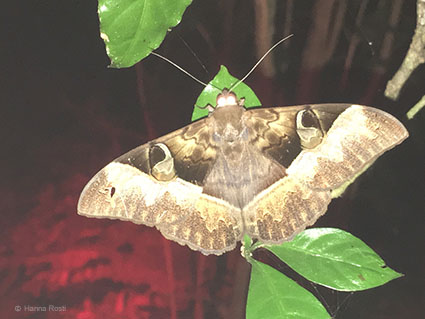
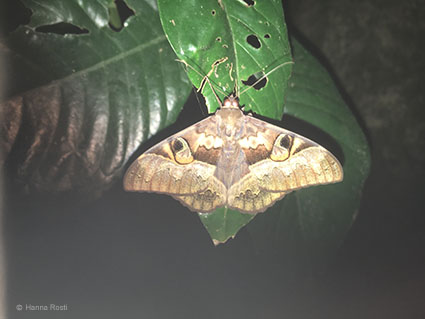
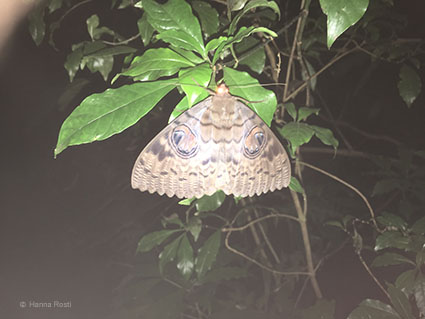
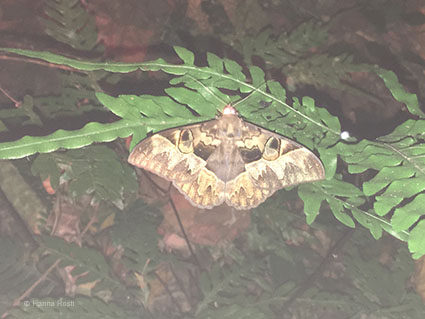
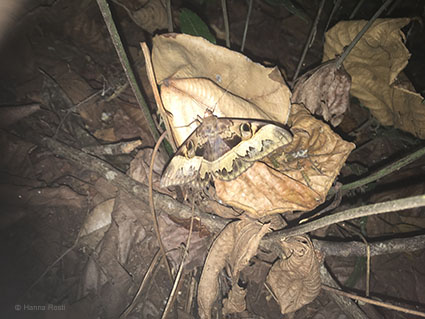
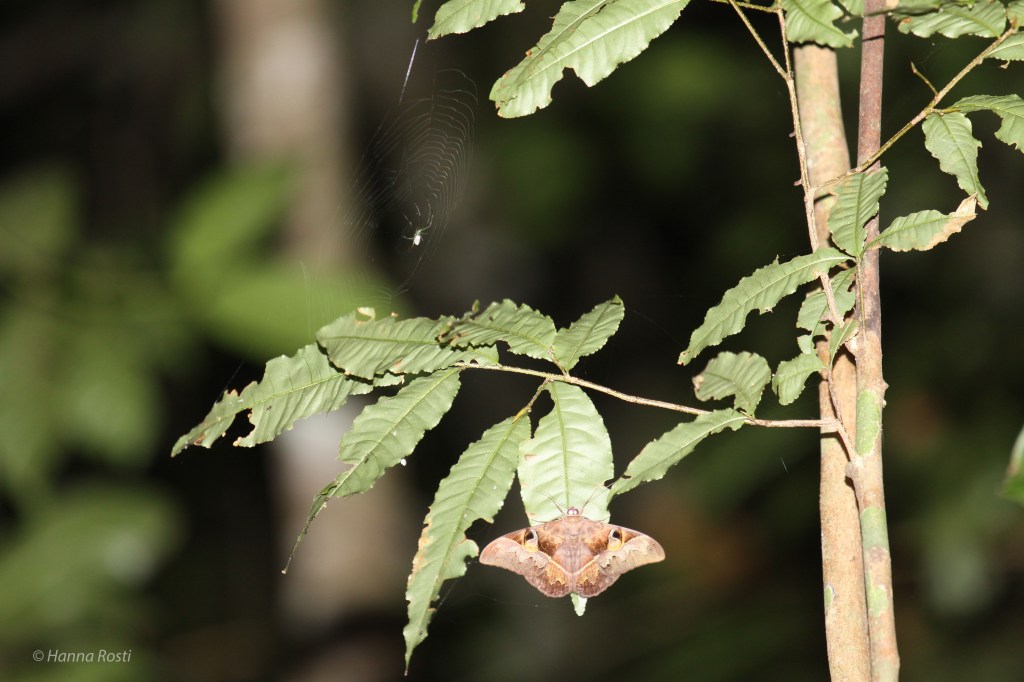
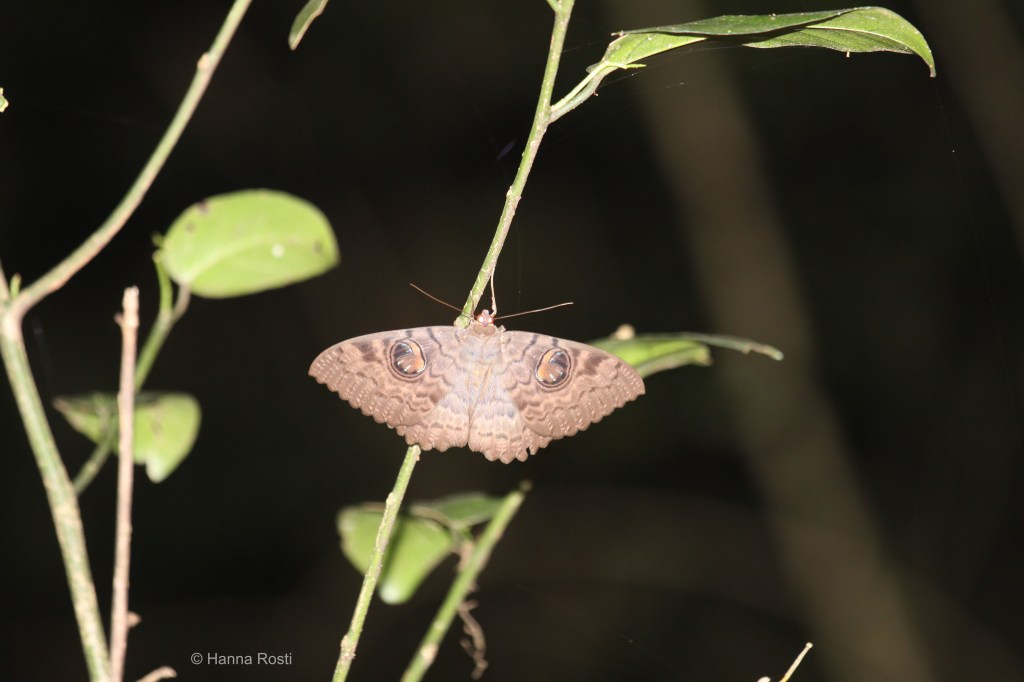
I had lots of spear time in the forest. During this time I took pictures of moths. These moths that fly during the night are large. One up above the title is as large as my hand. This beautiful butterfly is less common, but strikingly beautiful.
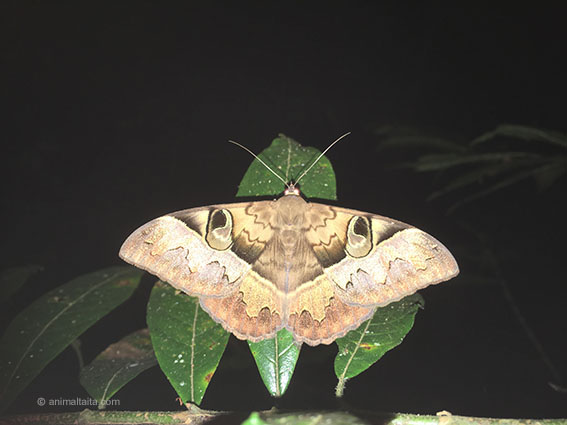
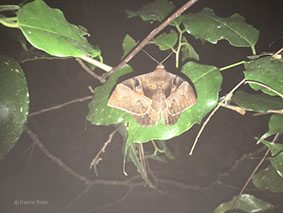
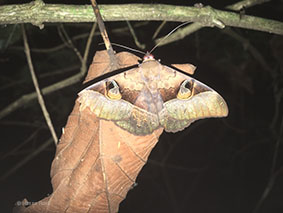
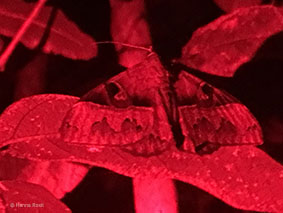
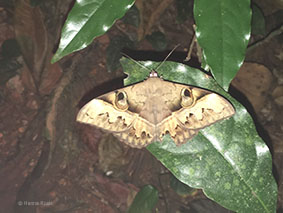
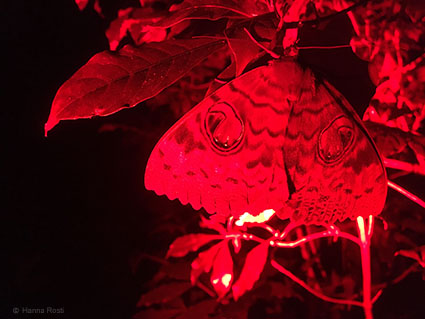
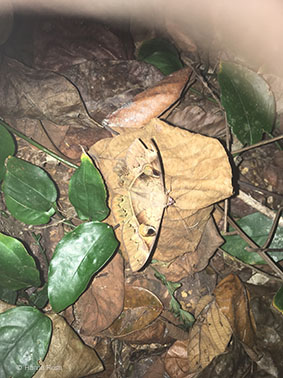
The other, way more common moth, is slightly smaller, and very common in Ngangao Forest. In Mbololo there is less these very common owl butterflies.
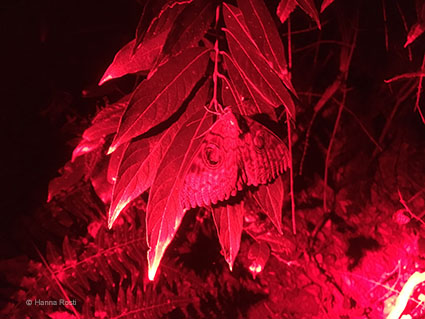
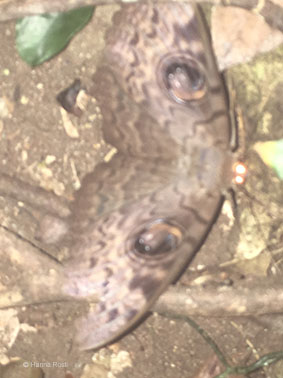
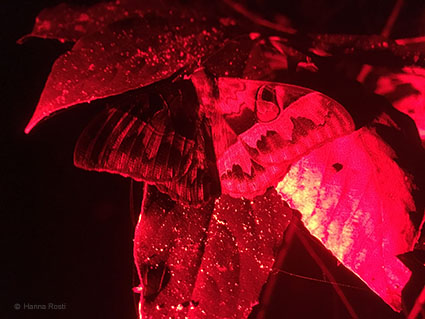
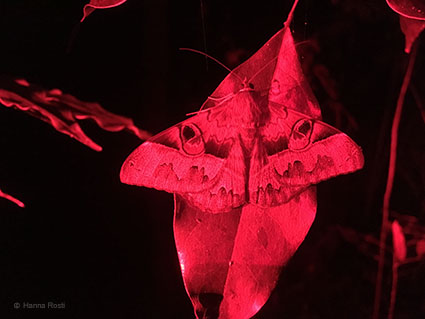
These large moths were flying majestically in the air, or they rested on the leaves, branches or on the ground.
What are these species and what is their role in the forest?
Please comment bellow, or send me email hanna.z.rosti@helsinki.fi
I have been incredibly blessed by having opportunity to spend about three months observing nightlife in Ngangao and other Taita forests.
At night forest is magical beyond any words of describing it. Change in evening and in the morning from nightshift to dayshift is breathtaking. Whole forest changes in minutes.
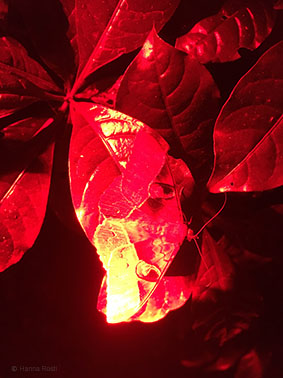
We use red light in the forest. Most animals can’t see red light, so they carry on their lives like we where not there.
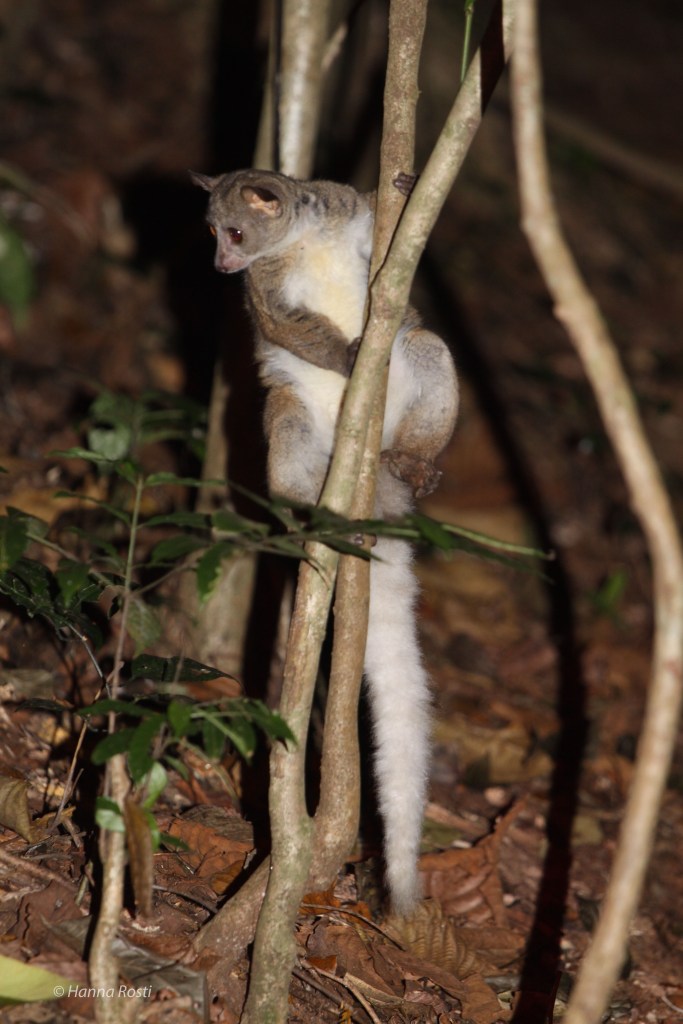
There are bats flying in paths and openings. They fly almost to your face, but turn at the last moment. Only once I have been touched gently by a bat. There is abundant rodent life, rats and mouses of all sizes running around, digging the ground, climbing in the trees, grooming themselves. They look very cute in red light.
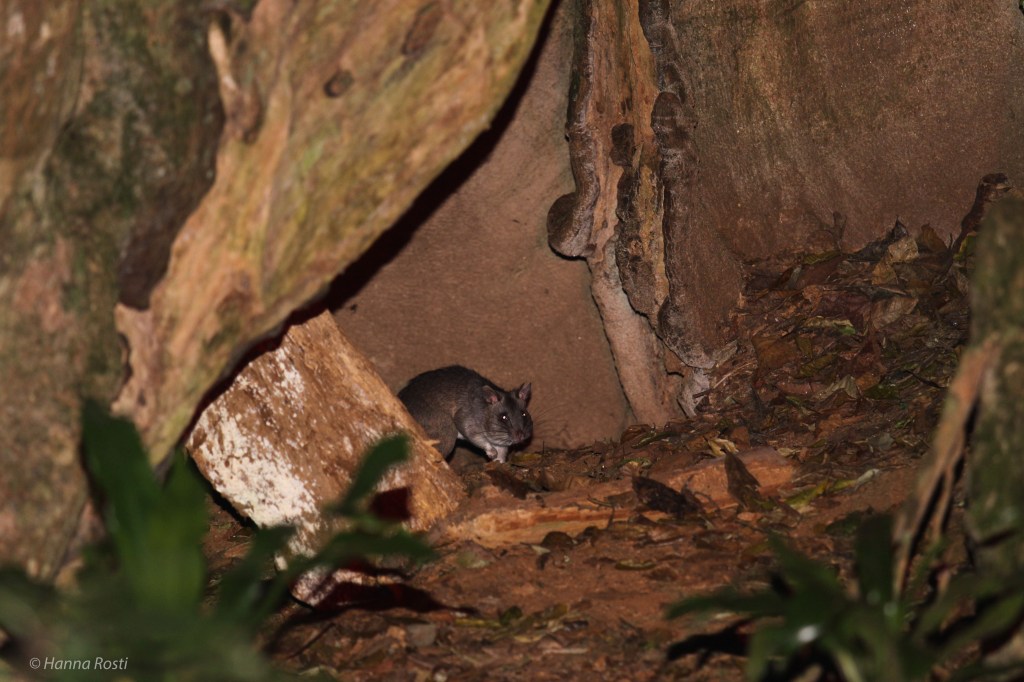
Most Ngangao Forest visitors walk through gigantic cave tree, not knowing that they are actually visiting home of giant rat at the same time!
This is photo gallery, click any of the pictures to enlarge. If you wish to buy photos contact me by email.
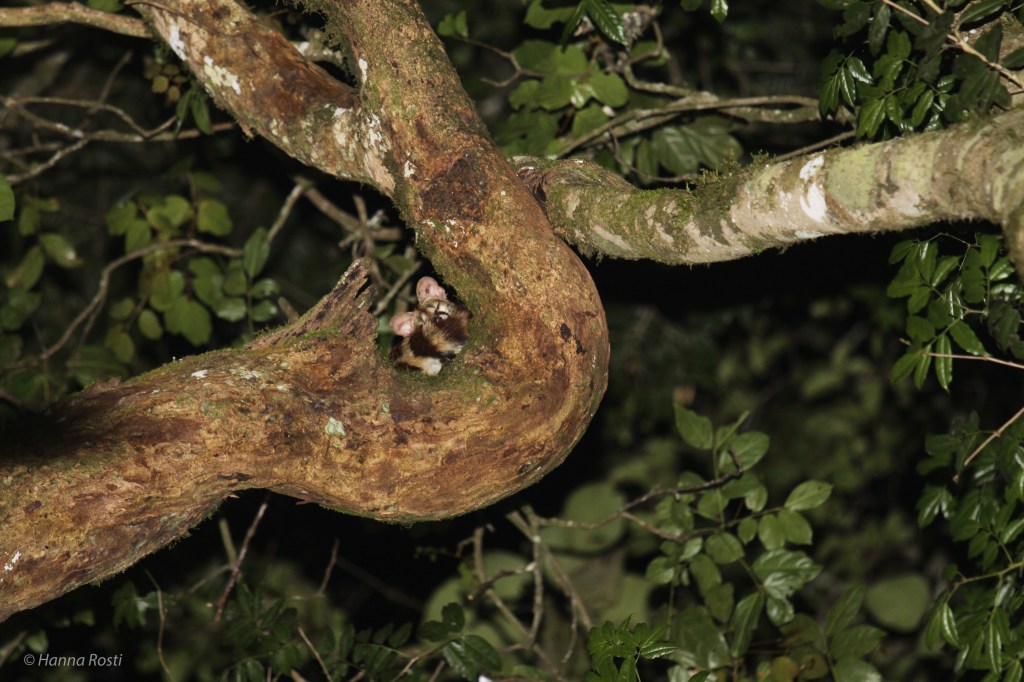
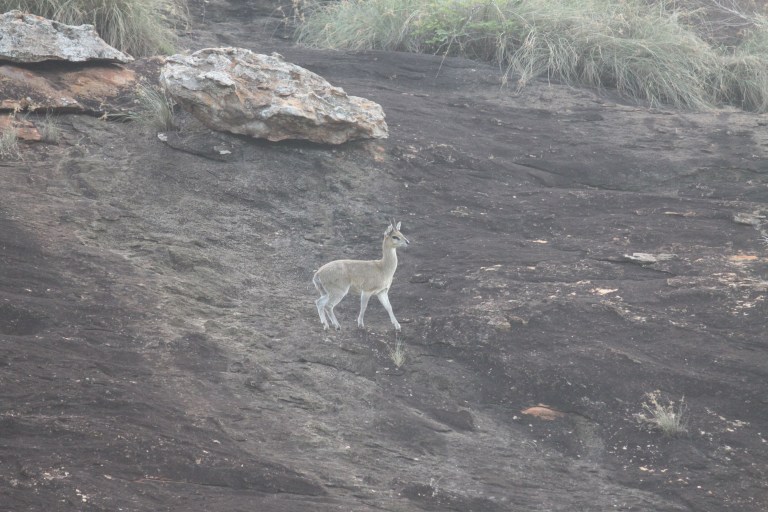
Less common rodents are dormouse and elephant screw. We saw both several times though. We also saw ones Suni antelope.
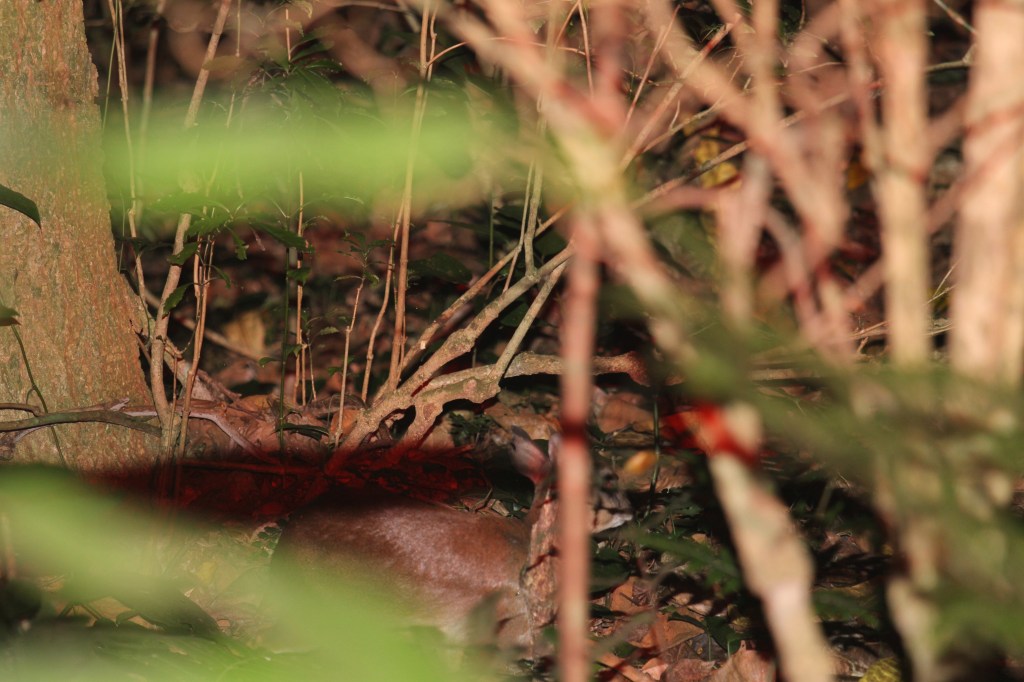
We had funny encounters with the genet. This stunningly beautiful cat sometimes followed us, sometimes it appears out from the blue, just from the feet. I was never lucky enough to get picture of it. Until once we saw one sleeping in the tree. This cat didn’t look that good though, you can see ticks in the ear in the photograph.
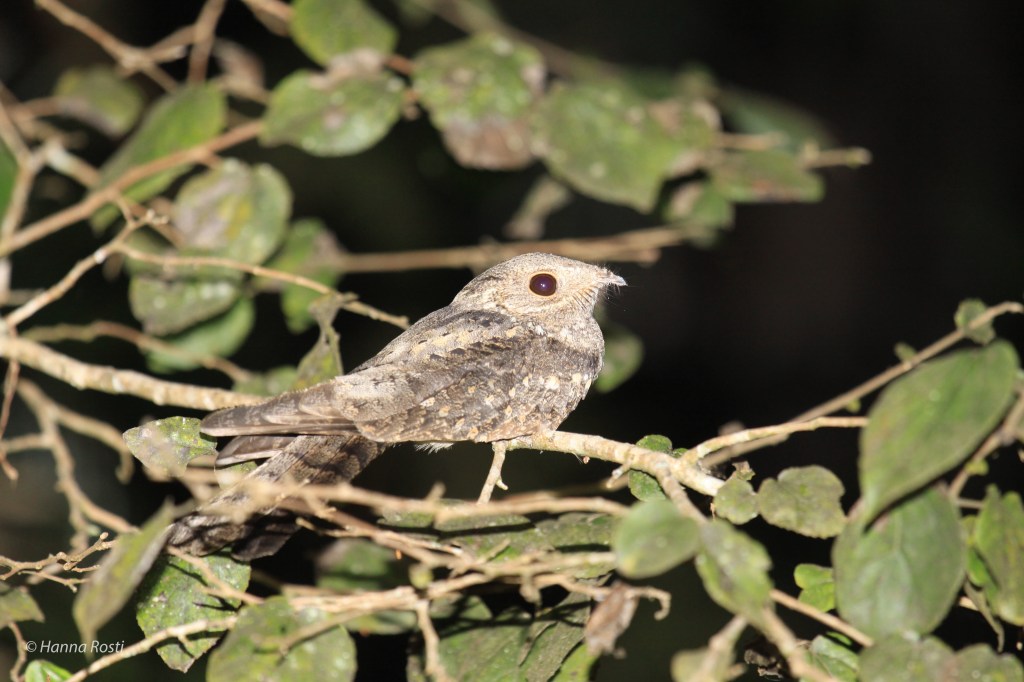
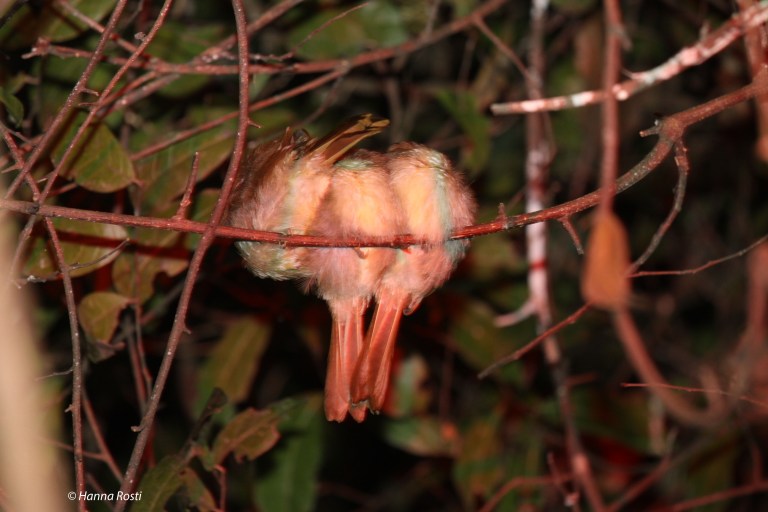
These tree little birds were always in the exactly same place, same branch, sleeping and huddling together.
In the darkness of the night animals communicate by calling to each other . These nocturnal animals are loud, and their calls are incredible. Later I will add photographs and recordings of these spectacular and endemic mammals that my research is focusing on.
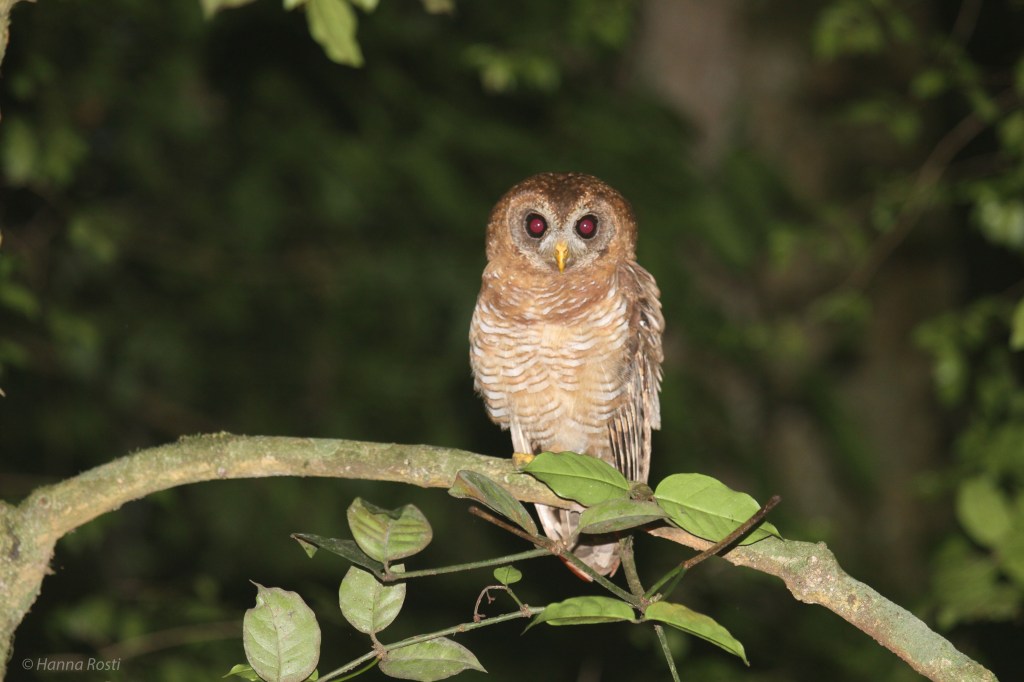
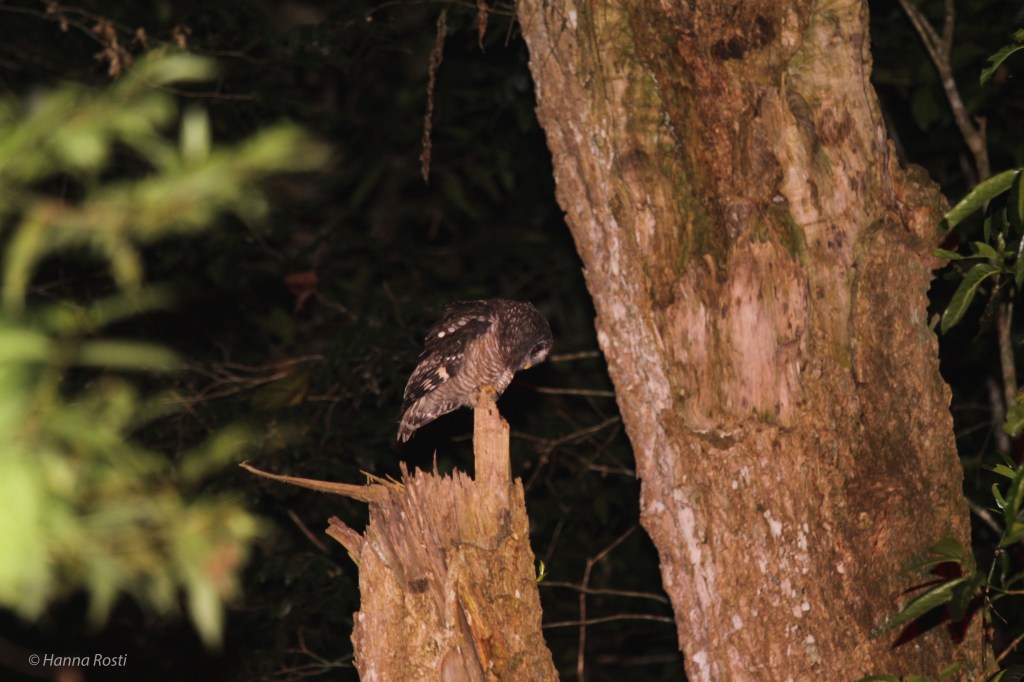
African wood owl is most common owl in the forest and couple calls to each other by using different calls.
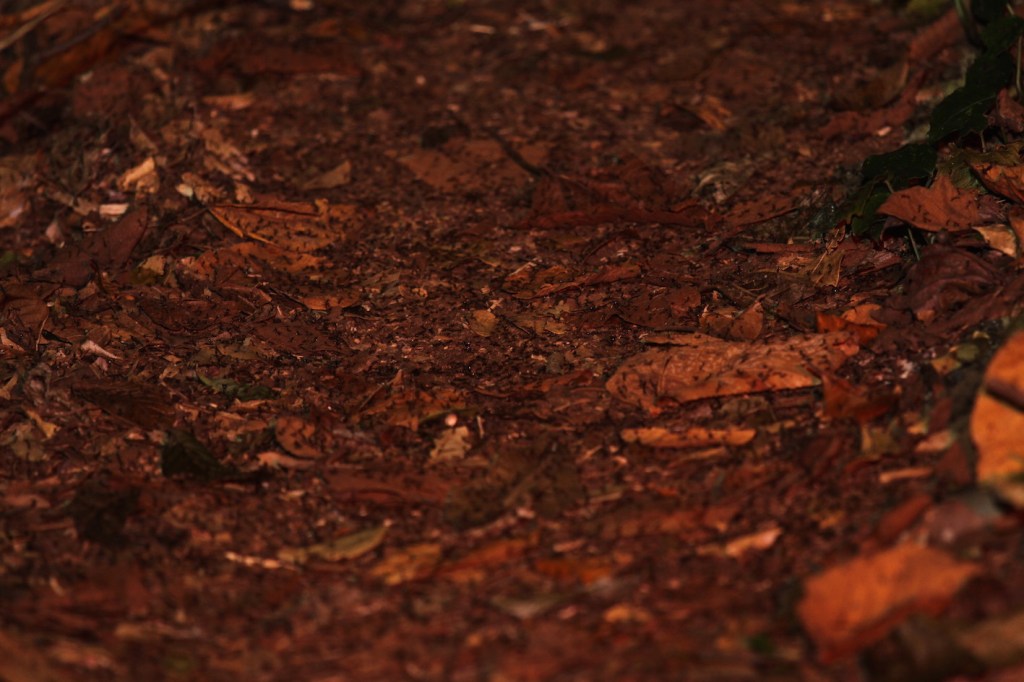
I am often asked that is there anything to be afraid of in the forest? And yes there is – safari ants! There are some snakes and spiders, but I am not afraid of them. I have been colonized by safari ants twice. Ants climb on you when you stand on their way, and when they are all over your body they suddenly bite – all at once. There is no other way than to strip from the clothes. After that you definably learn to scan the ground couple times every minute, even when practically at sleep. Safari-ants can also be heard, as insects fleeing from them shake the dead leaves on the ground.
Safari ants on color the ground
There has not been much research in the forests at night. There is so much unknown. As Taita Hills is one of centers of endemic species in the world there are still so many species still unidentified. Only last fragments are remaining and conservation efforts for all indigenous trees are needed urgently! More indigenous trees need to be planted and corridors created between forest fragments.
In the forest I have been always companied my assistant Benson Mwachola and occasionally also by Rechard Mwasi and Darius Mwambala from Taita Hills Research Station.
In the morning scenery outside Ngangao is incredibly beautiful with yellow light coloring the snows of Kilimanjaro and savannas of Tsavo.
Lumo is community owned conservation area in Taita. It is bordered by Taita Hills and Tsavo National Park. On the other side Lumo is connected to Sarova Taita Hills Wildlife Sanctuary. Lumo is 50 000 hectare area owned by more than 5000 local people. Funds Lumo is able to gather by wildlife tourism is shared with local people. Most money goes to pay school bills for those children that would not be able to go to school otherwise.
Besides school bills, Lumo also supports local community by any means they have by having bank day, delivering firewood and food to schools, helping in fencing and so on.
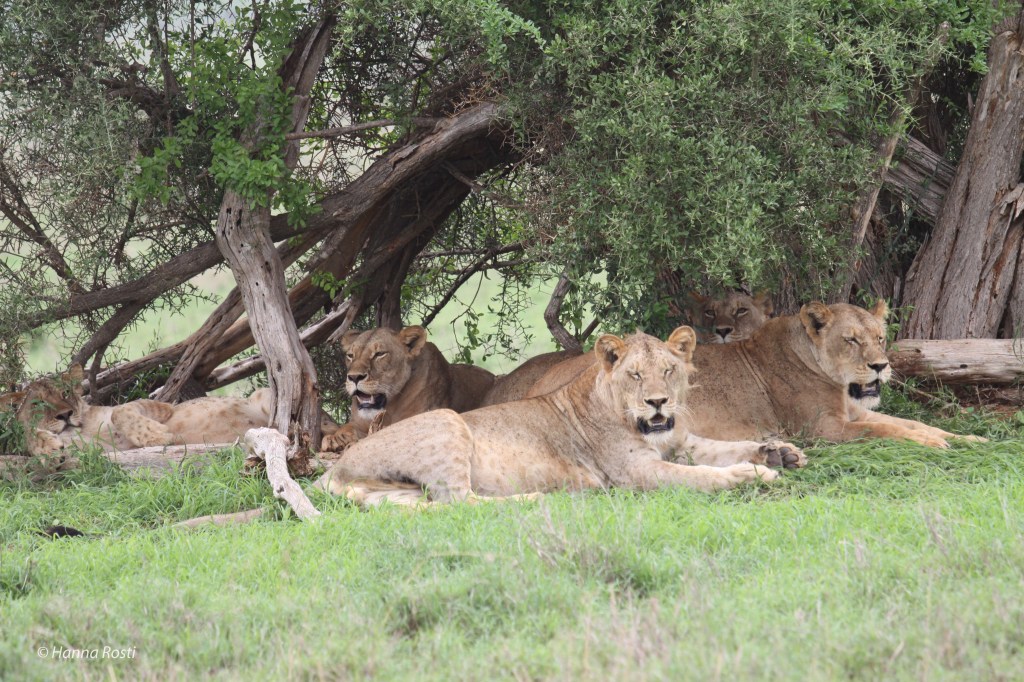
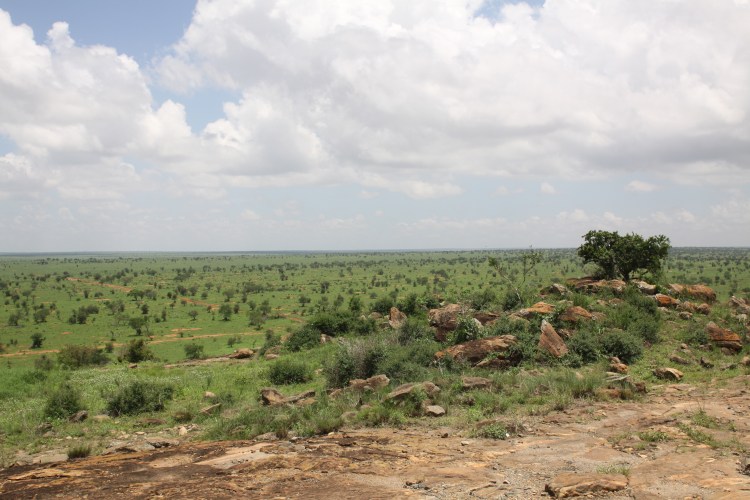
Lumo is strikingly beautiful savanna. Heart of the Lumo is Lions Rock. A rock formation that is popular among large cats, lions and leopards.
View from beautiful Lions Rock in Lumo
I spent four weeks in Lumo in 2018 as a volunteer. It was a five star safari with Lumo rangers. Accommodation was more moderate than what your would have expected in five star safari, but very good for me. We even had our own chef.
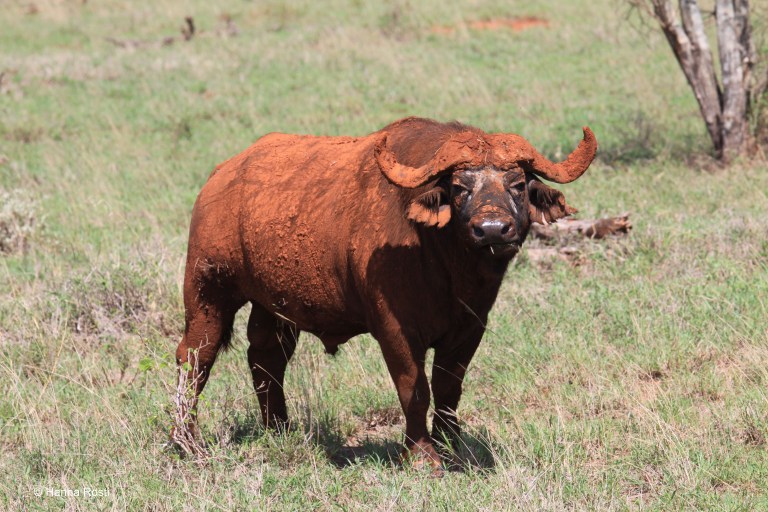
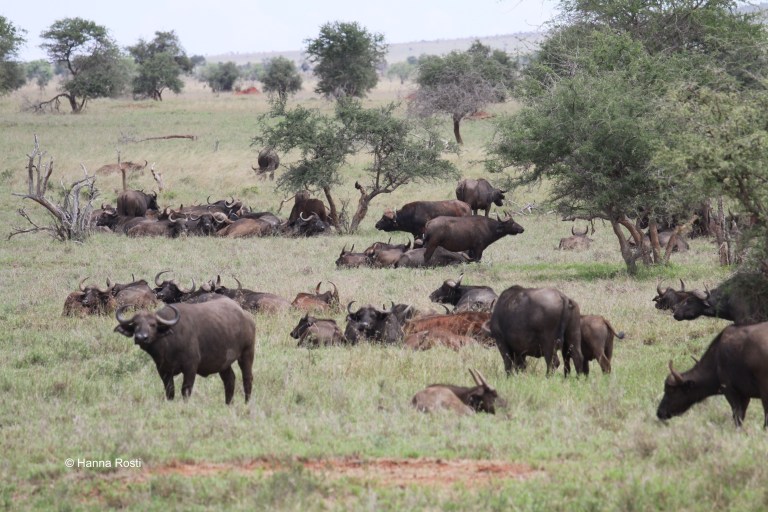
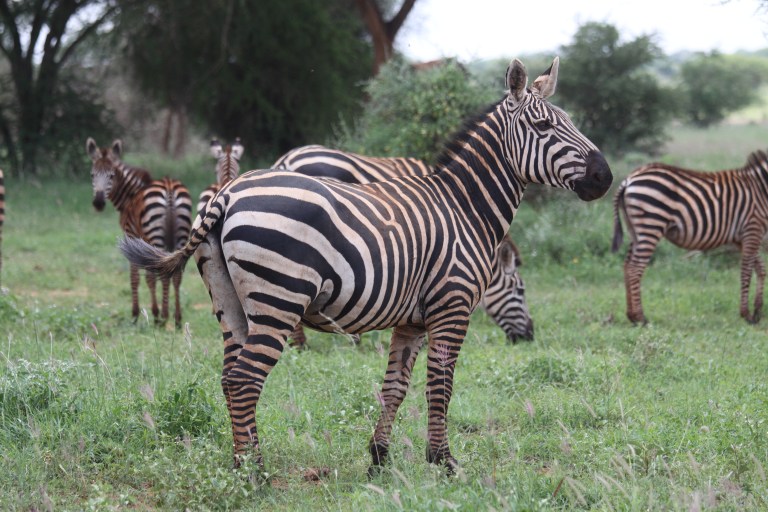
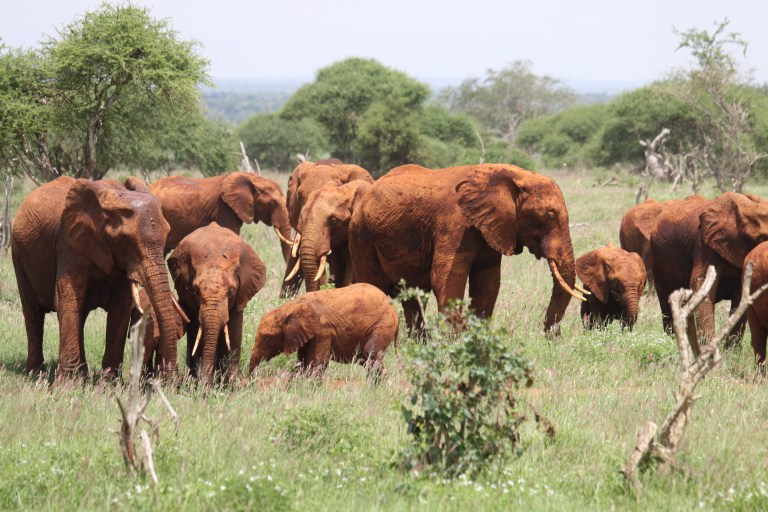
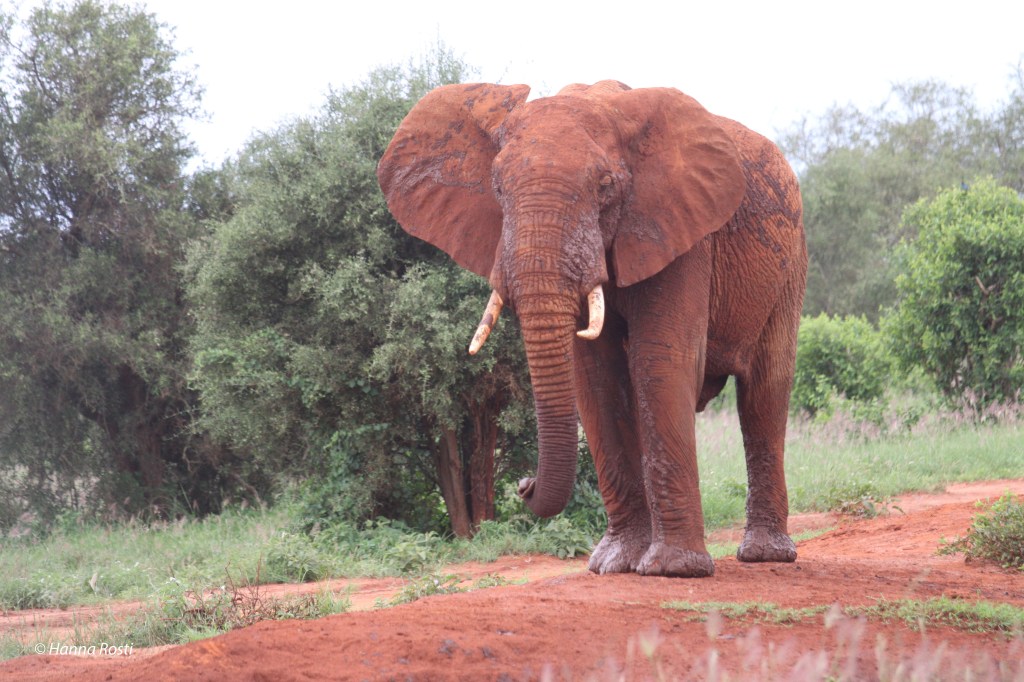
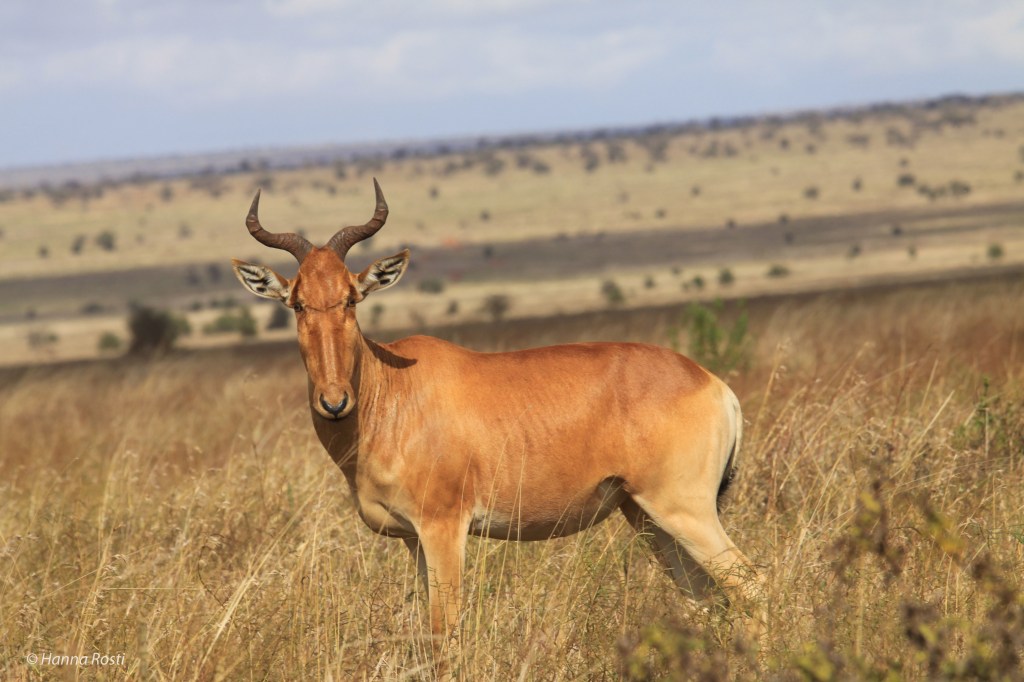
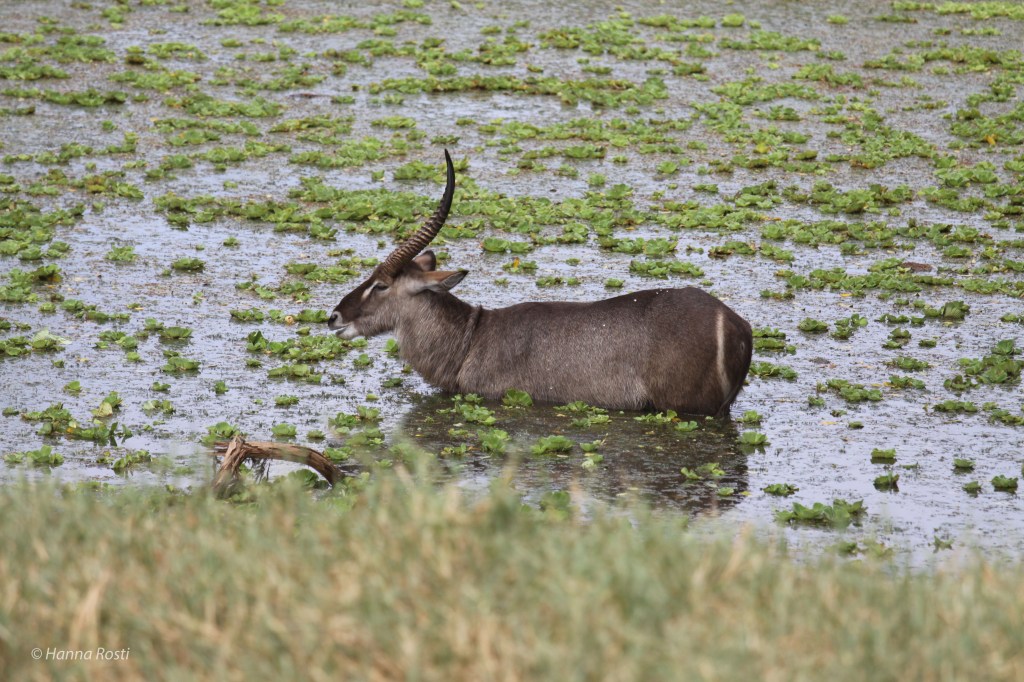
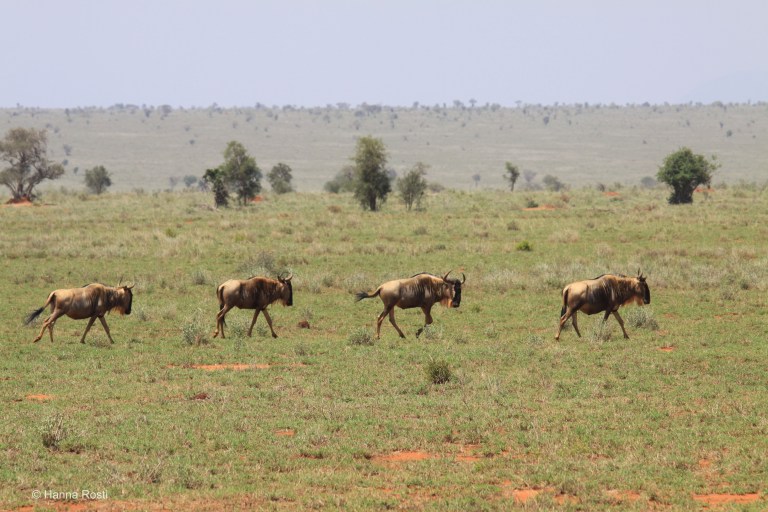
There is abundant wildlife in Lumo. Elephants, hartebeest, giraffe, water buffalos, zebras, grant gazelles, impalas, cheetahs, lions. All except the rhino.
I saw many very small baby elephants in Lumo in March 2018. Baby elephant was so small that they must have been born in Lumo.
This is photo gallery, larger images can be seen by clicking images
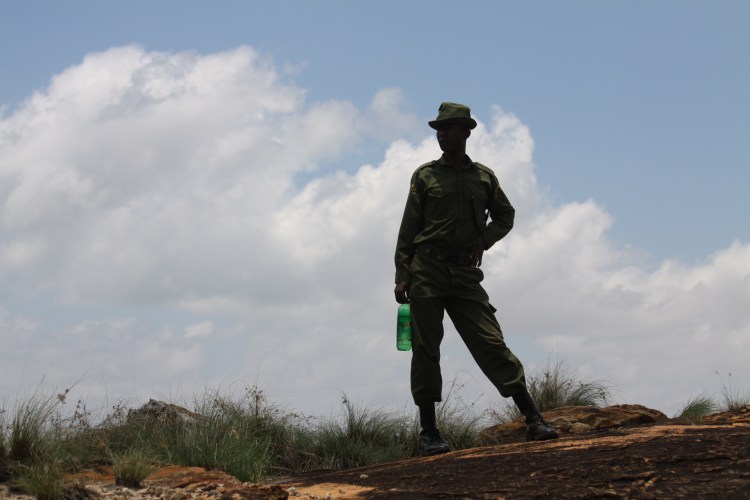
Dedicated rangers of Lumo are heroes of conservation. I have enormous respect on the work that they do every day, year after year. Many rangers in Lumo have worked there for 20 years. During this time poaching has been minimized.
Head ranger Elvis at Lions Rock
Lumo ranger patrol the area by foot and by car. This is important way to keep poaching away and observe possibly injured animals. Population numbers of animals are calculated with GPS locations. University of Helsinki also does research in the area.
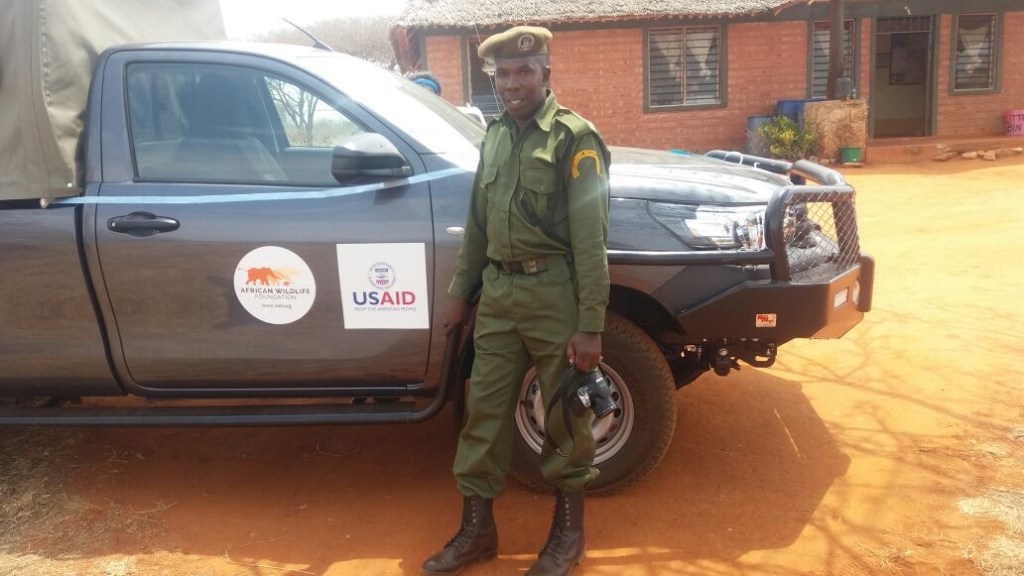
Lumo ranger and driver Dennis Kironge with new car in August 2018 in front of Lumo office.
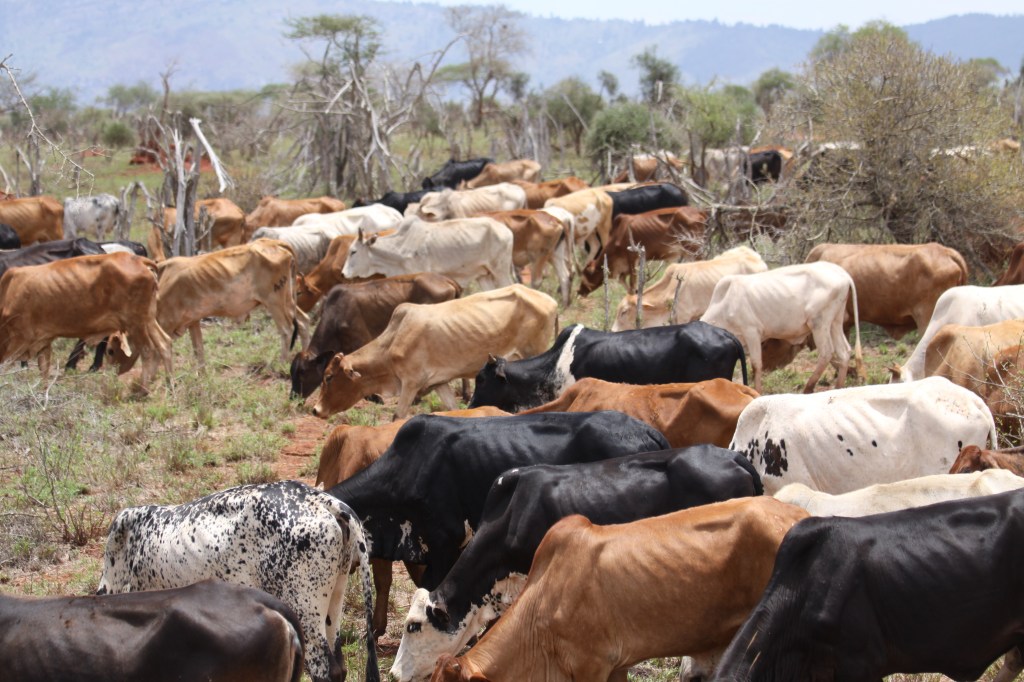
There are cattle grazing areas inside Lumo. As Lumo was founded all cattle farmers in the area didn’t join. Too many cows have caused serious erosion in the grazing area. The number of cows is too many. Markets for beef are small, and cows are living until old age, having young each year. Owners of the cows are not the ones that herd them.
These cows were grazing in wrong area and they where escorted away.
Having too much livestock has caused serious erasion in grazing areas. However having livestock inside conservation areas is not all bad. In fact humans have kept cattle in Africa for thousands of years. Many ungulates, zebras and impalas for example, prefer to eat shorter grass. In shorter grass nutrient level is higher. Cattle keeps grass low. In areas where there is no grazing hay may grow up to one meter high. These tall grass areas are usually quite empty of wildlife, as this tall grass is very low in nutrients.
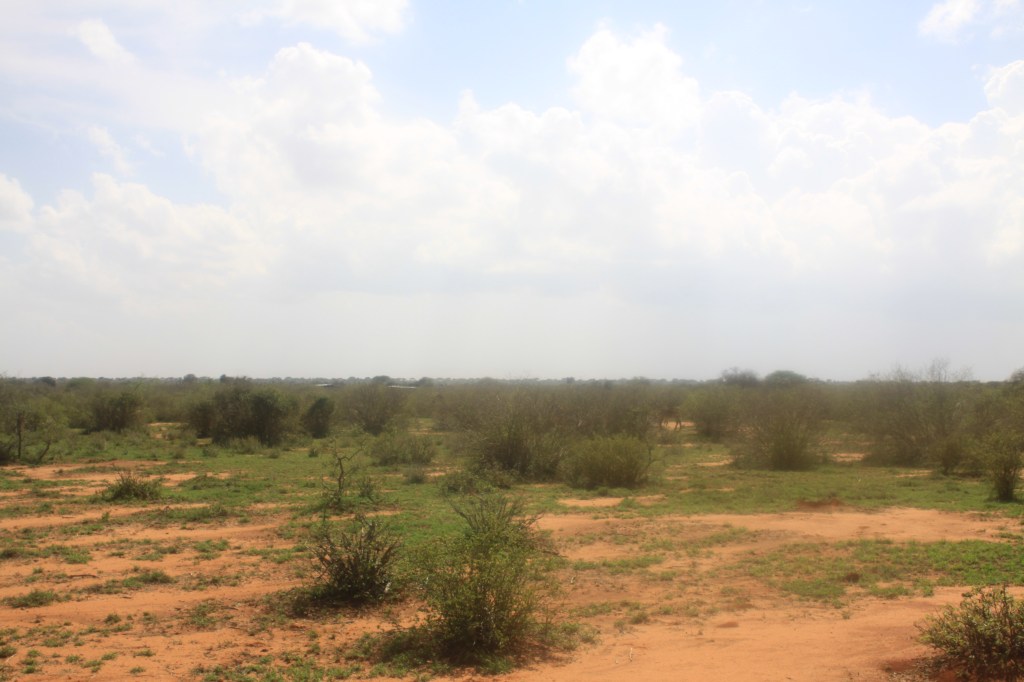
Erosion in cattle grazing area.
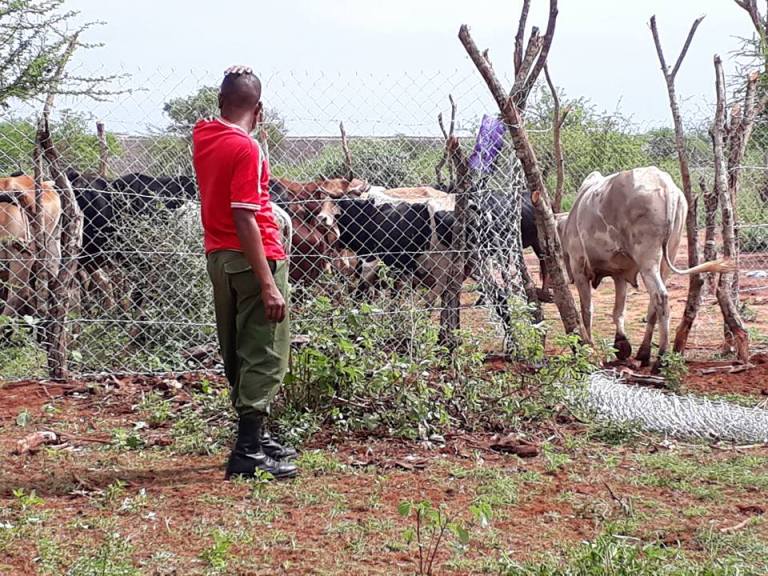
In March 2018 “cattle prison” was founded in Lumo. Now cattle found grazing in non grazing areas are herded to this fenced area. Owner of the cattle has to pay to get his cattle back. I was there when it was made, and there was not even a gate installed before first herd was in! Owner had to pay about 500 euros to get the cattle back. It changed the situation completely, and now there is no grazing inside areas dedicated for conservation. Lumo has also worked with local community to improve markets for different products made of cattle, like meat, skins, even bones can be used as jewelry. Goal is to decrease number of cows and improve lives of local people.
Cattle prison in February 2018.
More information about Lumo, including how to volunteer from their website bellow. If you are interested in volunteering I suggest that you contact Lumo directly. There are several agencies that act as middle man, however they take much of the money themselves. In Lumo great work is done with minimum funding.
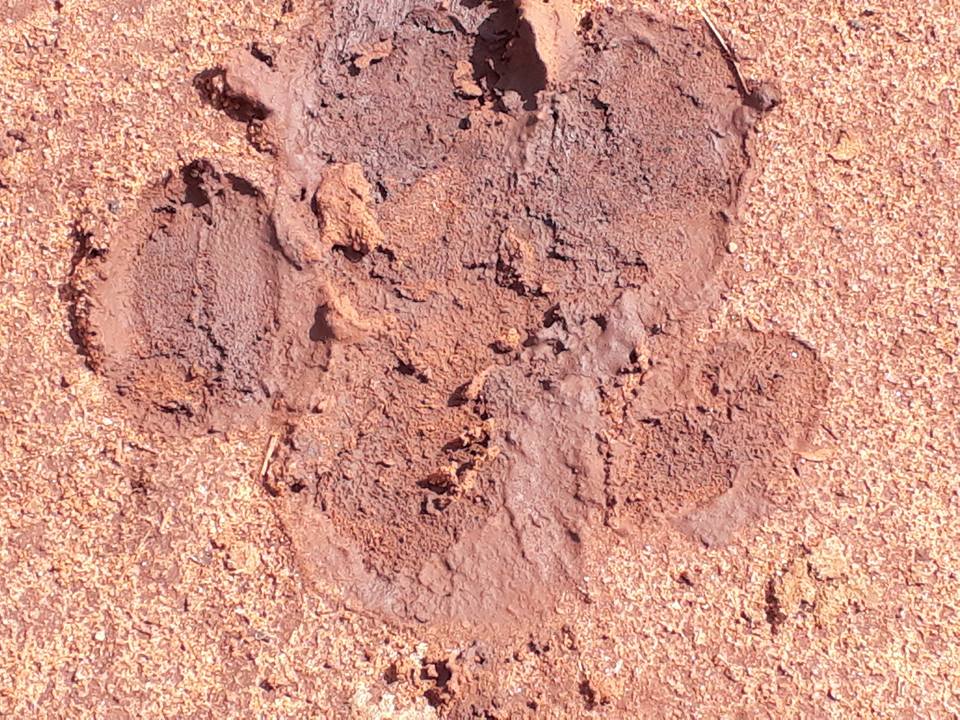
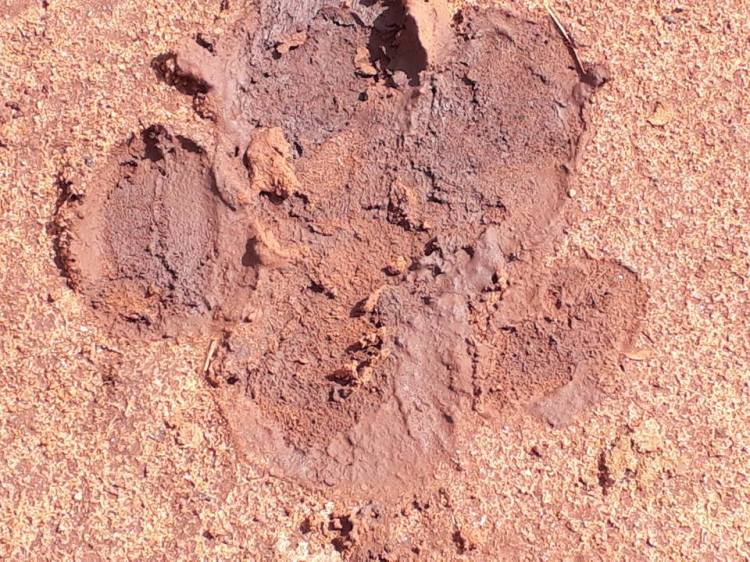
As I was volunteering in Lumo, one day we came across footprints on the road, quite close to Lions Rock. Head-ranger Elvis and others thought that there is camel, escaped from some local camel farm.
Mystery footprint
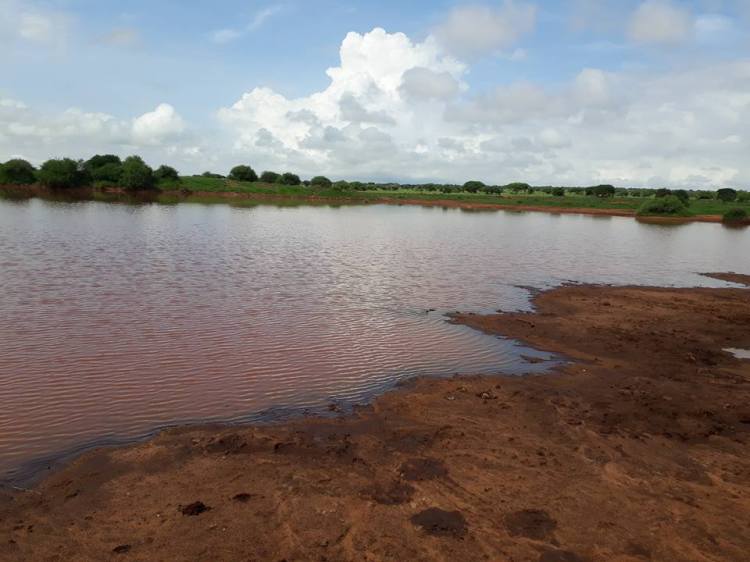
As we followed these foot prints for a day, they lead to small water bond, made for local cows and wildlife, called dam. It certainly could not be a camel! So we started to look for a Hippo instead.
Footprints leading to the water
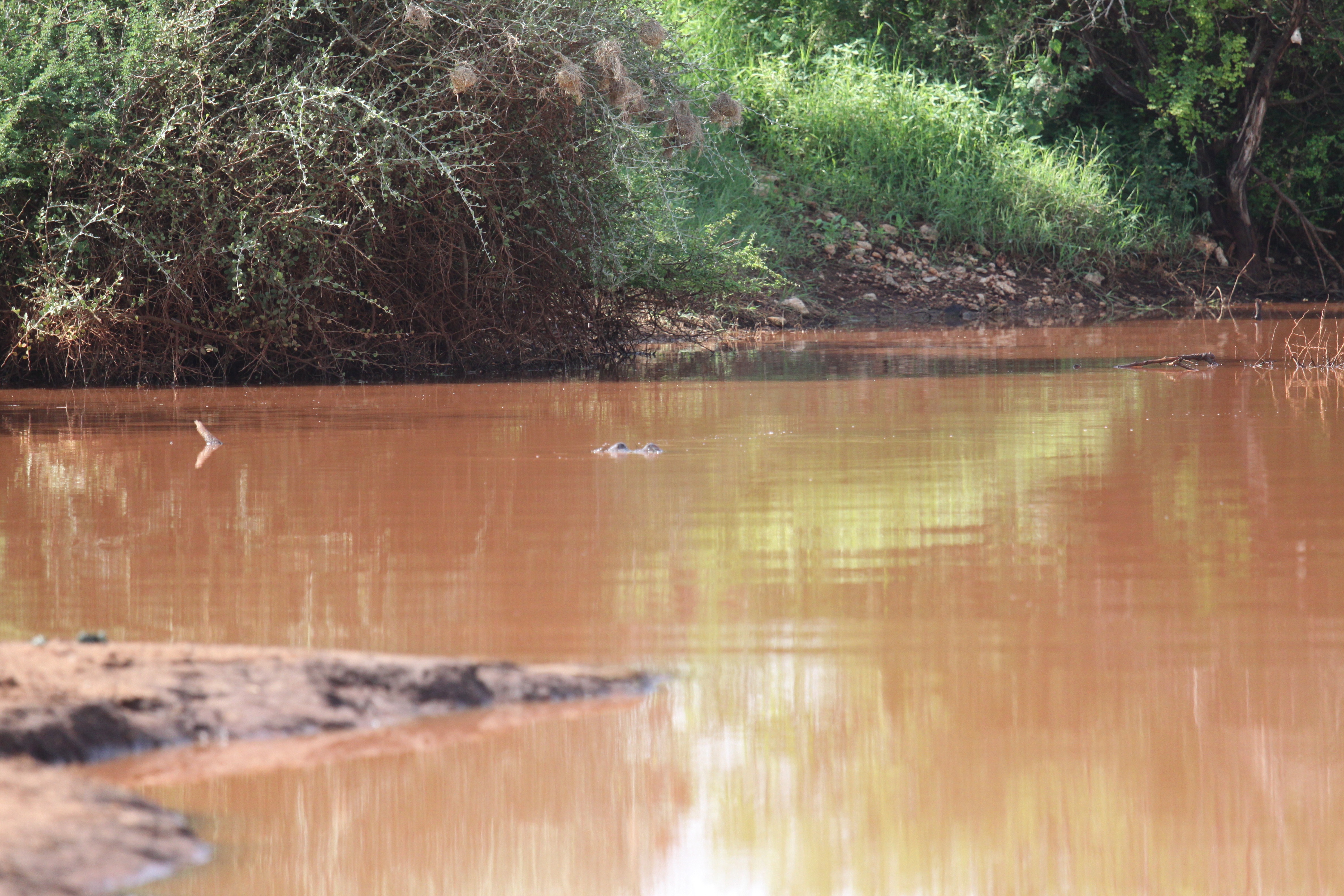
Footprints were going in and coming out of the water. Rangers went look for it from the nearby bushes, as I stayed by the bond, and kept eye on the brown surface of the water. After wait, that felt very long, I could see nostrils arising from water.
First Hippo in Lumo ever, and only photograph of it.
Kenya wildlife service (KWS) was informed, and they came the following day. Idea was to relocate Hippo to the area, where there would be space for it. This Hippo most probably was young male, that highly territorial males had chased away from Lake Jipe about 50 km away. A long walk for a large animal!
When KWS arrived, Hippo was no longer there. They and we searched for it everywhere with no luck. Day after that we heard sad news that Hippo had been shoot in Bura village. It had been aggressive towards people, and there had been no alternative. Somehow that Hippo had walked unnoticed from fenced Lumo all the way to the mountains. It had been very bad choice as in mountain slopes there are simply no places for Hippos to go underwater.


 Animals of Taita, Kenya