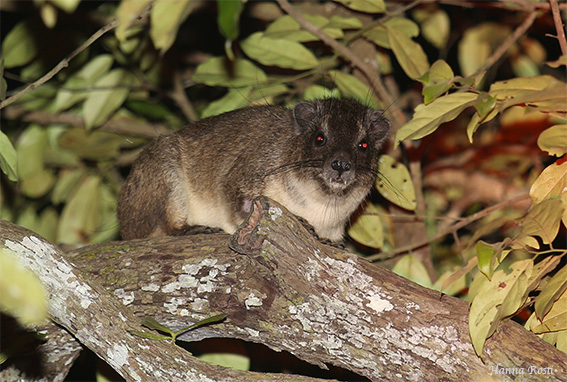
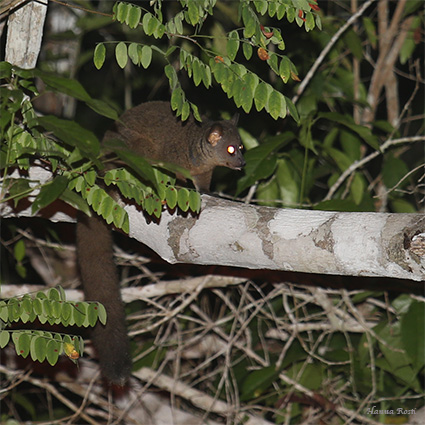
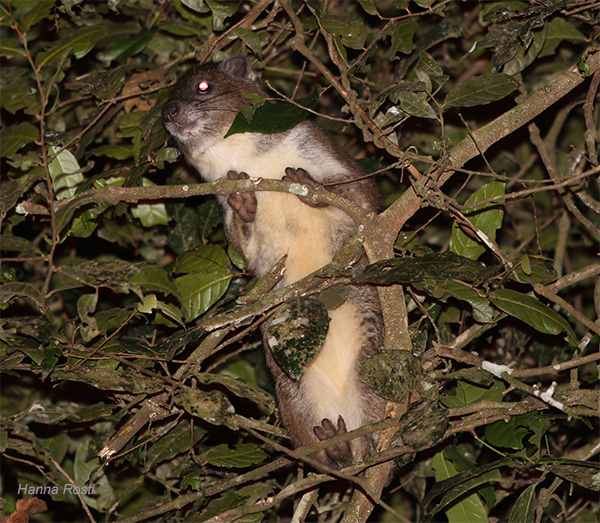
Tree hyraxes eat leaves of trees, thus they are browsers. They are excellent climbers in trees.
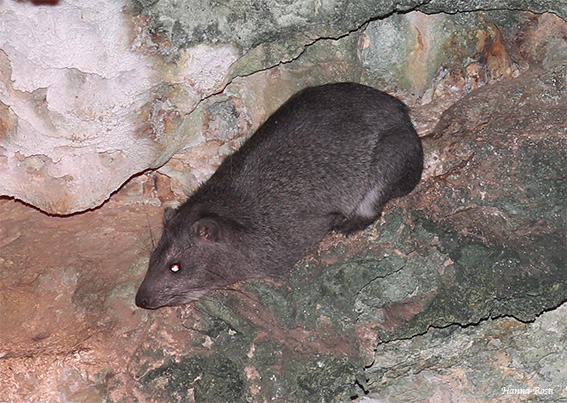
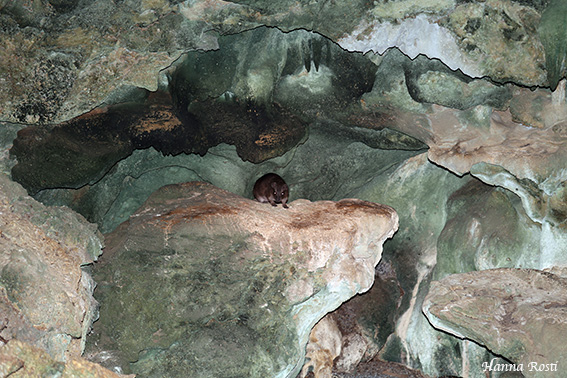
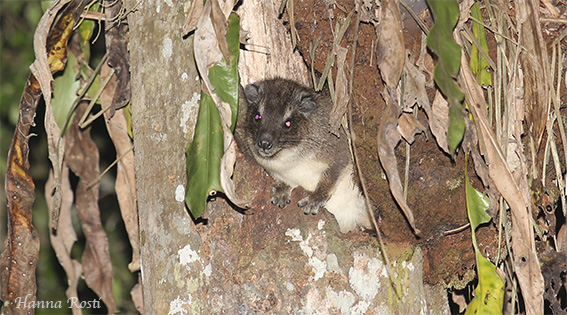
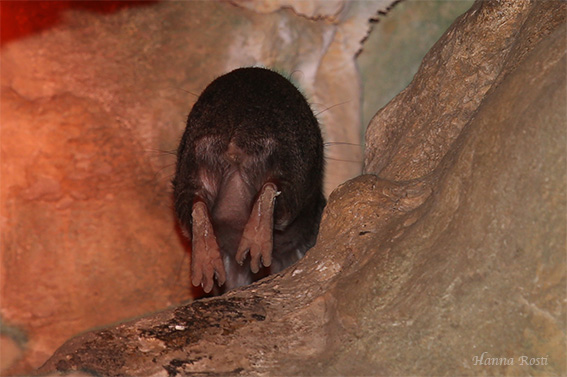
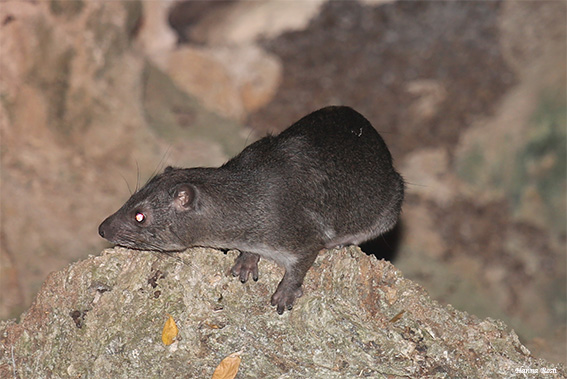
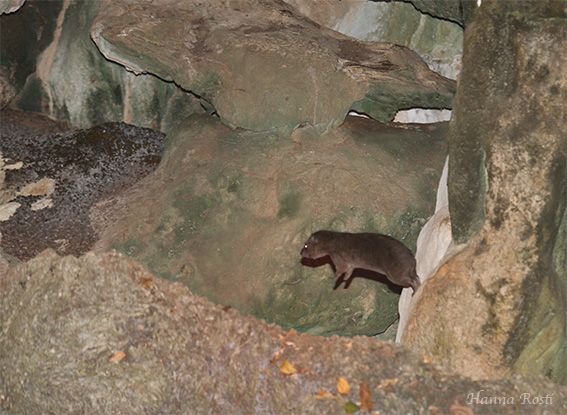
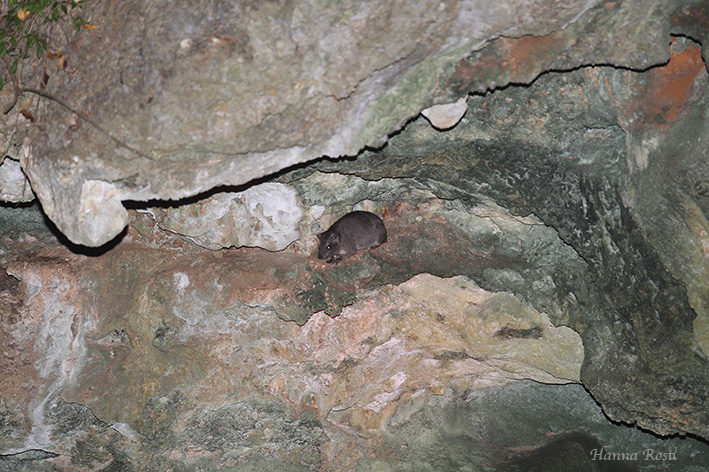
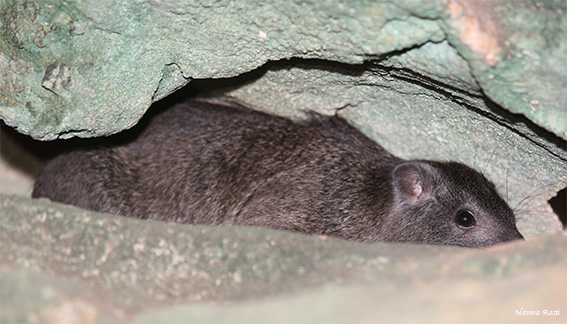
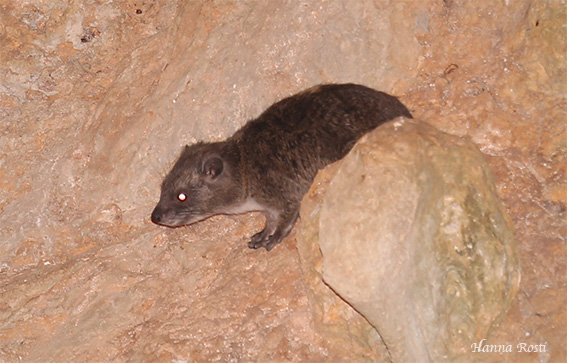
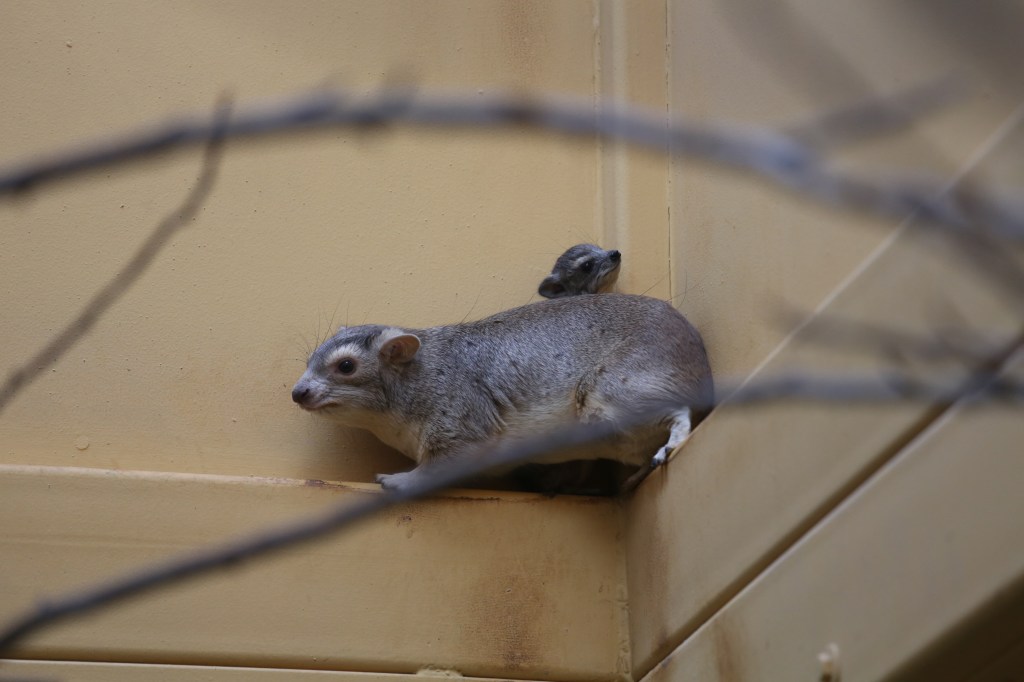
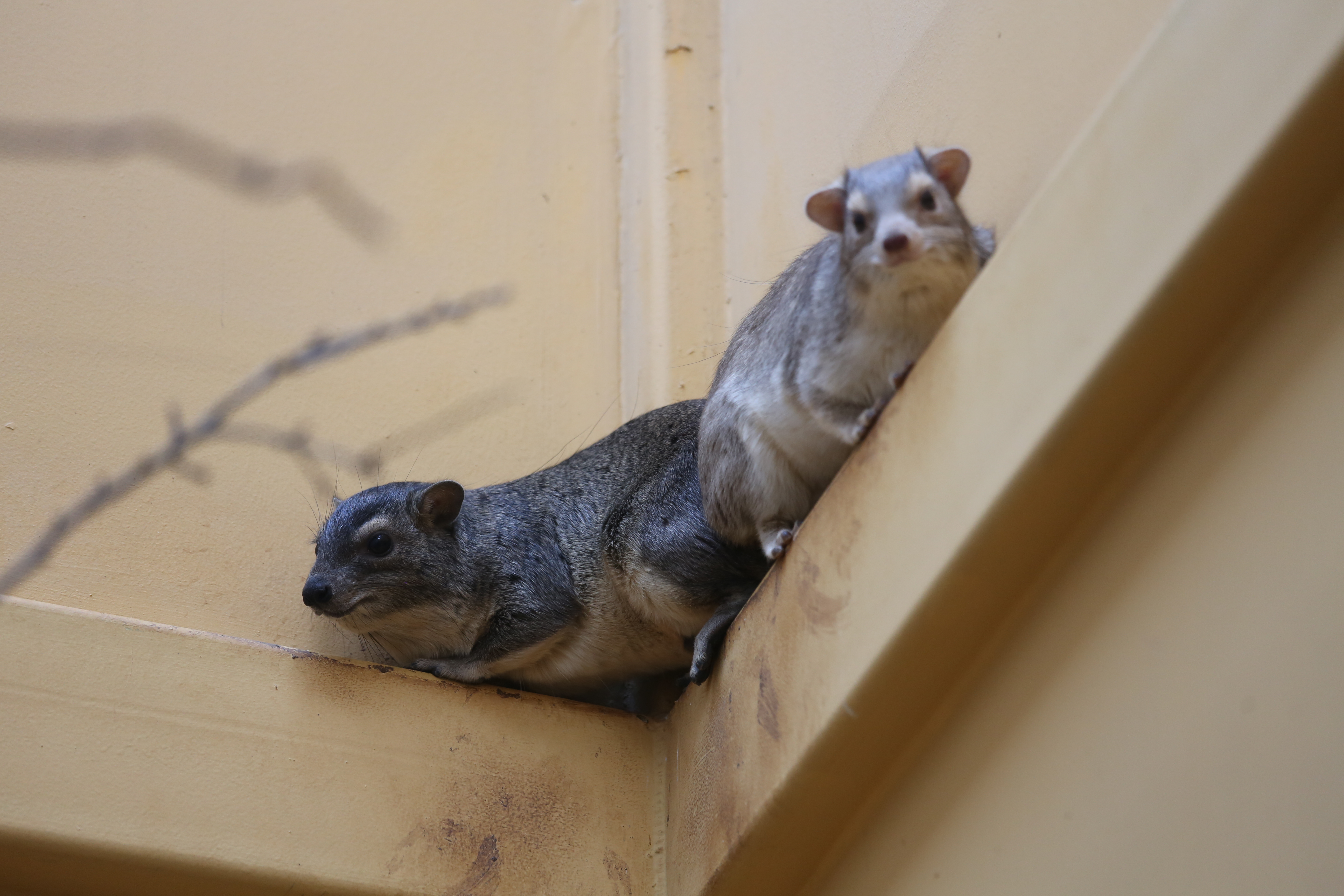
In some locations, tree hyraxes live in rocky formations, and caves.
Short 1 min video of the tree hyraxes living at the coast of Kenya
Tree hyraxes are related to rock hyraxes, that live in rocky formations. Perhaps coming down to rocky formations is not that difficult to tree hyraxes.
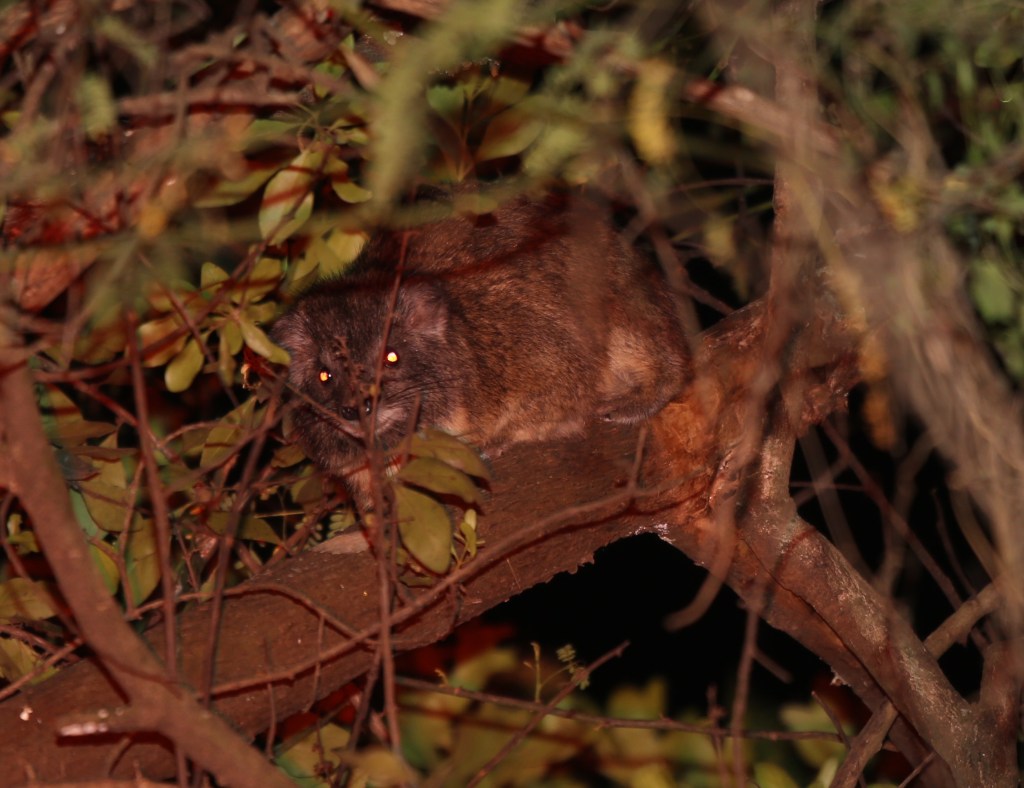
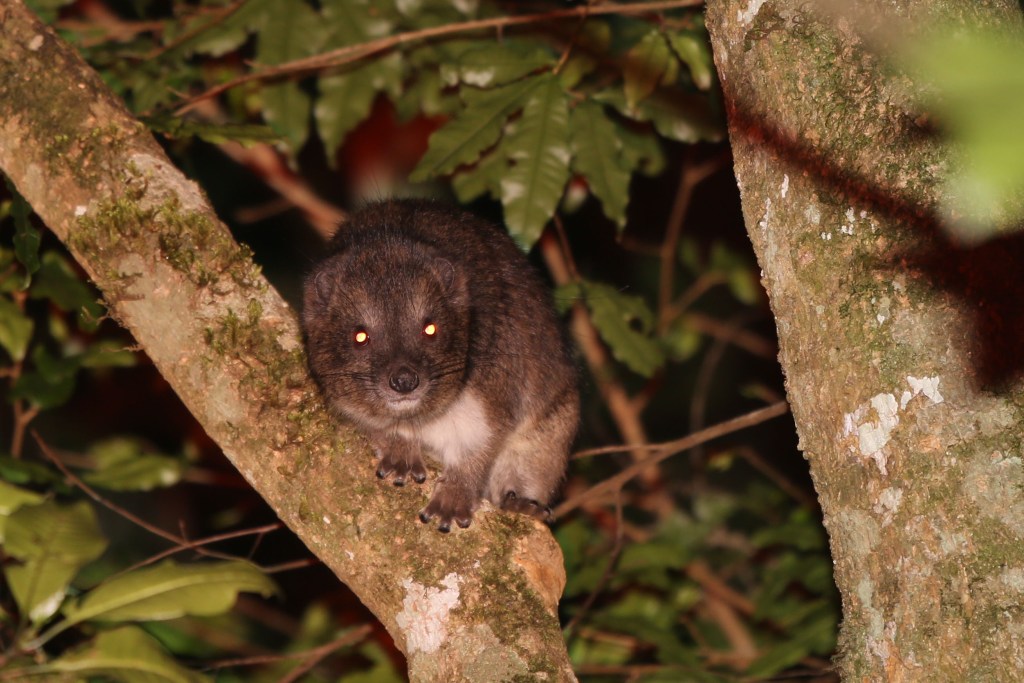
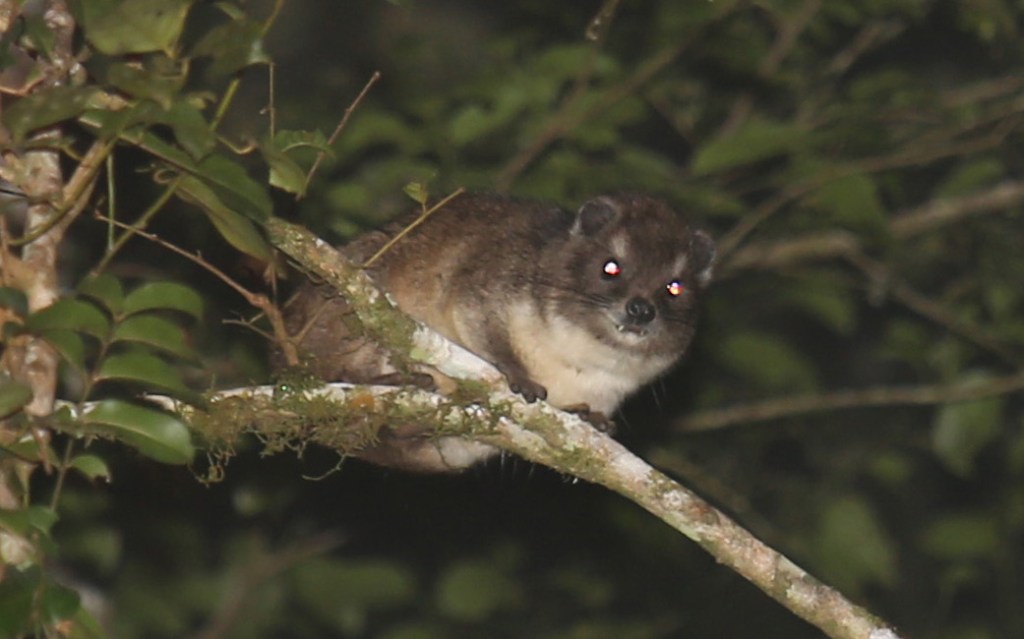
These are first photographs and video published (as far as we know) of the Eastern tree hyraxes (Dendrohyrax validus) from Kenya.
You can read the full peer reviewed article from Ecology and Evolution
Tree hyraxes can be found from Shimba Hills National Reserve. However, it is not found throughout the forest.
Tree hyraxes are easy to locate based on their calls. However, seeing them is another matter.
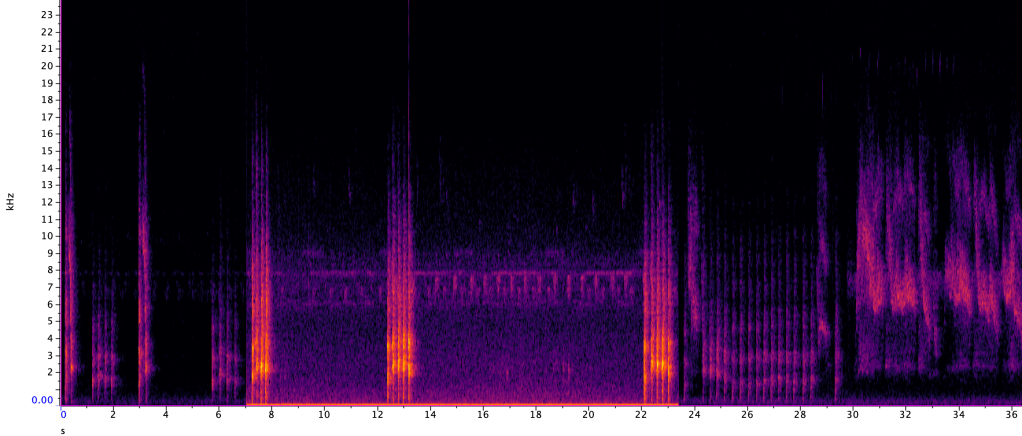
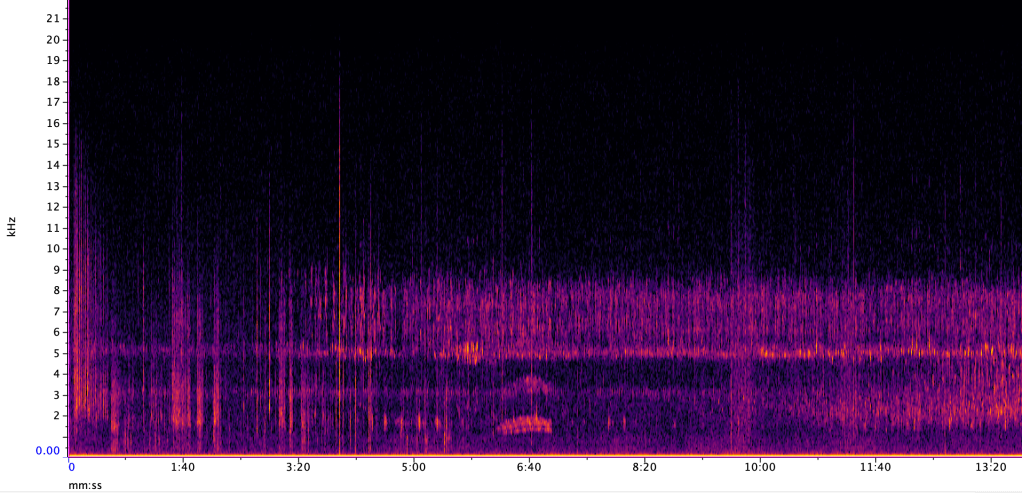
Spectrogram and combination of calls that tree hyraxes at the coast of Kenya are using.
Outside Shimba Hills, only few tiny fragments of forest remain. Tree hyraxes are dependent of moist natural forests. Even though they may be able to survive in small fragments with caves and rock for some time, these isolated populations are doomed for extinction if all forest is cleared.
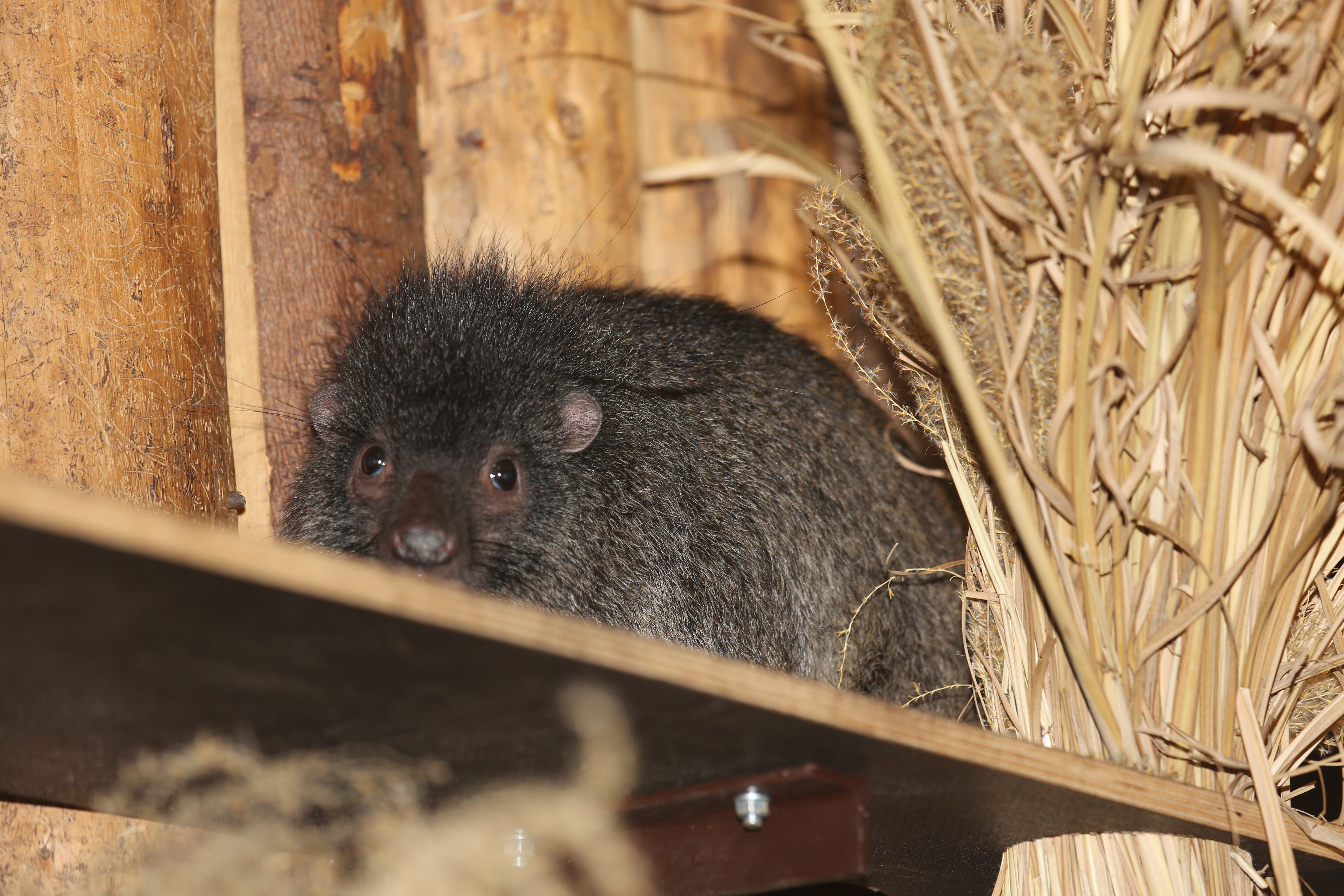
Tree hyraxes in the caves are social. Also in Simba Hills, I could follow the movement of the tree hyrax group by their contact calls. I suspect that these tree hyraxes, belonging to species D. validus (as fas as we know at the moment), has similar type of social structure as rock hyraxes.
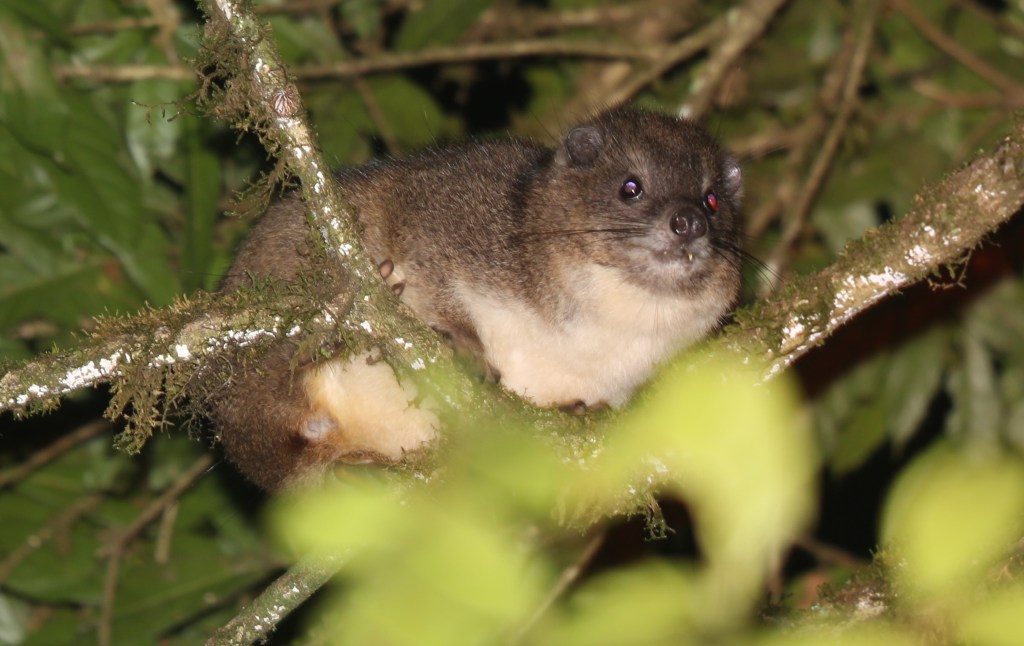
Tree hyraxes (Dendrohyrax validus) from the caves in 2022
Taxonomy and range of tree, bush and rock hyraxes is poorly known from Africa. We hope to collect information of hyraxes based on their calls and location. This information would be very useful in the study of hyrax taxonomy and conservation.
At the moment number of hyrax species is unknown.
If you would like to help us with this citizen science project, you could do following:
Send us recording of hyrax loud calls, phone recording is just fine or WAV of any other common form. With hyraxes loud calls mean that you can hear them loud and clear from a distance. These calls are different for each species.
For example:
Dendrohyrax arboreus calling in Nanuyki, Kenya
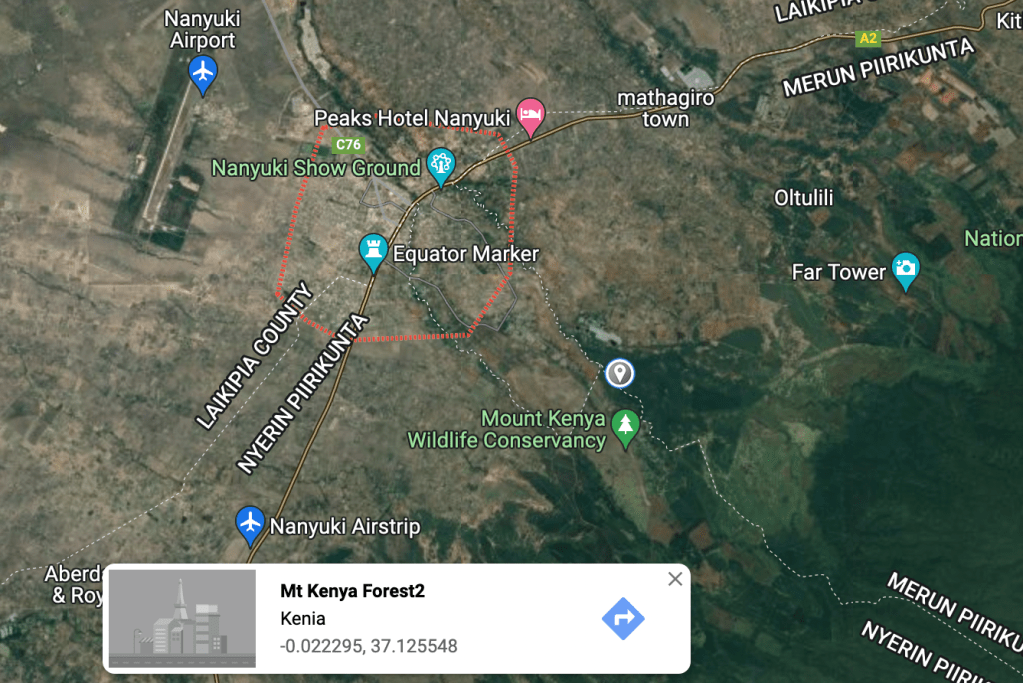
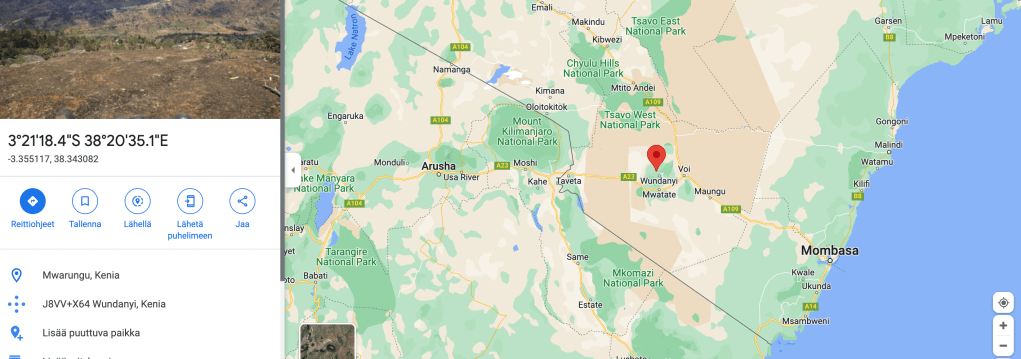
2. Location coordinates e.g. PIN with WhatsApp is great, or like this bellow with Google Maps. When you select location on Google Maps, you can simply share it https://goo.gl/maps/B33tF8Y2oeYnkPq69
With WhatsApp it looks like this, this is excellent way to map a location
3. Time of day, when recording was made
Time is important, as it helps us identify tree hyraxes. If the identification is difficult.
Photos are excellent addition, but not necessary. You don’t need to identify hyraxes, all though if you are certain that they are tree, rock or bush hyraxes it is helpful.
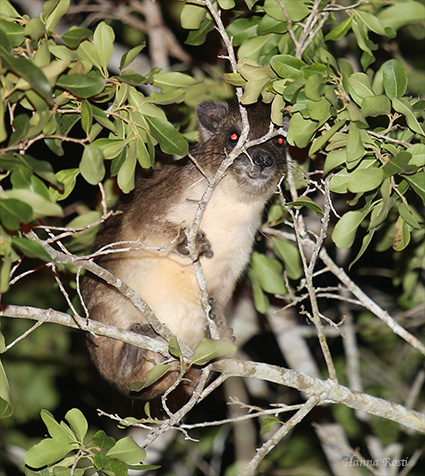
Souther tree hyrax (Dendrohyrax arboreus) can be encountered from South Africa to Kenya, Uganda and Congo.
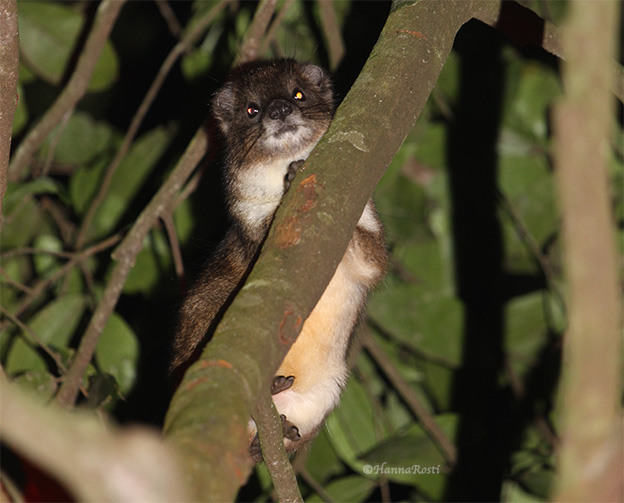
Southern tree hyraxes live in forests, they feed on leaves.
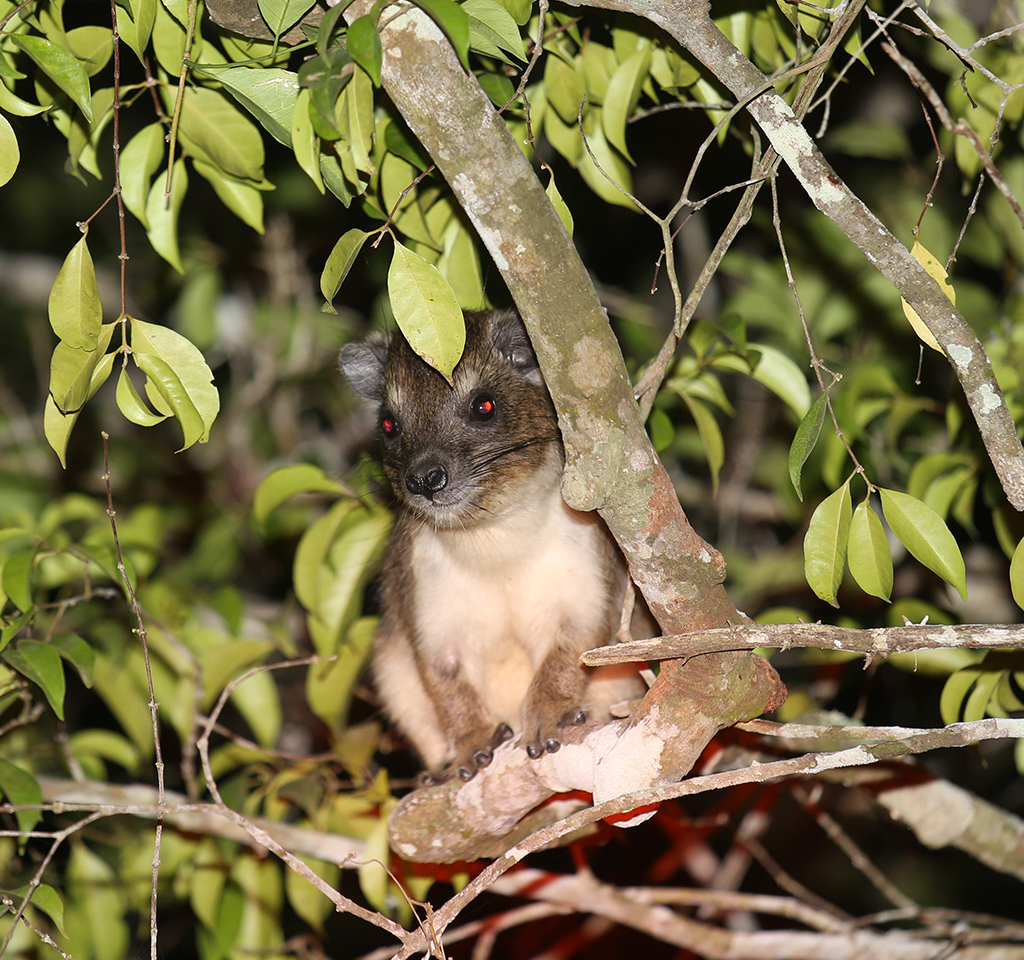
Southern tree hyrax from Nanuyki, close to Mt Kenya.
Southern tree hyraxes are related to elephants. Very little is known about their lives from the canopies, as they are nocturnal and difficult to see.
Most commonly tree hyraxes are heard. Southern tree hyrax sounds like it’s halloween.
Call and spectrogram of the southern tree hyrax from Nanuyki, Kenya
Call and spectrogram of the southern tree hyrax from Nanuyki, Kenya
Southern tree hyrax is quite adaptable to different forests, it also lives in secondary forests. Poaching is largest threat, it is also hunted by large predator birds.
As a nocturnal animal, it mostly sleeps during the days. Tree hyraxes may also come to bask in the sun during the day.
If not disturbed by humans it will also seek safety under the roofs of warehouses.
They have also many social calls. Group is formed by more tightly bonded, and most likely related, females, and males that live on the outskirts of female group. There is hierarchy in the group between males and between females.
See and listen how chorus of tree hyraxes change into chorus of birds. This is recorded in Ngangao Forest, Taita Hills, Kenya on 8.1.2022 with SM4 recorder.
How many different animal species can you hear from this recording?
This is spectrogram video filmed from screen. It shows how spectrogram goes in Raven Pro software.
From this sequence you can hear how wide range of calls are used by tree hyraxes.
This spectrogram also shows how different species have adapted to use different frequencies to avoid acoustic competition.
At first forest is full of tree hyraxes. Tree hyraxes are related to elephants and they live in trees eating leaves. Their calling activity is incredible. These animals are almost unknown to science, as they are so difficult to study.
As tree hyraxes quiet down, as sun begins to raise, morning chorus of birds begin. This happens in January in Taita Hills about 5.45 in the morning.
Tenrecs and otter-screws (Tenrecidae or Afrosoricida)
COHORT PAENUNGULATA
Afrotherian radiation that at the moment contains the orders (Hyracoidea, Sirenia and Proboscidea).
These are hyraxes, manatees and dudongs and elephants.
From Paleocene (66-56 ma), next 35 million years paenungulates dominated Africa’s large mammal fauna. They were herbivores: hyracoids, proboscideans and the extinct embrithopods.
Other mammals arrived from Eurasia and became more common about 25 mya.
Currently there are about 78 species of extant afrotheres. Most species are specialists.
Many have ecologically convergent forms on other continents.
This ecological specialization makes them vulnerable and prone to extinction in human modified world.
Re-evaluation is needed on the evidence on the morphological features that has been used as evidence for monophyly of Paenungulates.
However following features are most commonly used as evidence:
Female mammary glands between front legs
Tusks developed from incisors, rather than canines
Dendrohyrax – tree hyraxes – 4 species at the moment – more to come
Heterohyrax – bush hyrax – 1 species + 20+ subspecies
Procavia – rock hyrax – 1 species +17 subspecies – and some of them are species
Taita tree hyrax (Dendrohyrax sp.)
Some features
small mammals 1.8-5.5 kg
no visible tail
coat dense and light grey to dark brown
all three genera are highly vocal
Bush hyrax from Plzen Zoo, Czech. They are smaller, grayish, and they have very strong white patches above the eyes. They are not as round as rock hyrax and tree hyraxes.
Unusual features
dorsal gland with hair with different color
tactile hairs around the body (length up to 8 cm)
forefoot has four digits and hindfoot three
stomach divided into two chambers
highly subdivided liver – plant food they use may be toxic
internal testes
unbranched caecum acts as a fermentation chamber that produces large amounts of volatile fatty acids that serve as an energy source
effective kidney function, they have high capacity for concentrating urea, and excreting large amounts of undissolved calcium carbonate.
many species defaecate to specific spots, and many species use latrines
low metabolic rate
they have poor ability to regulate their body temperature
body temperature is is maintained by behavioral thermoregulation
gestation period is long 6-8 months
Odd appearance has caused confusion
First they were thought to be rodents, thus genus Procavia (cavia meaning before guinea pigs)
Later called hyrax – equally wrong – as “shrew mouse”
Dassie used in South Africa comes from Dutch badger – das
3000 years age Phoenician seamen found small mammals from Mediterrian and called the place “I-saphan-im” Island of the Hyrax. The Romans later modified the name to Hispania. That later became Spain. The animals were really rabbits! Not hyraxes, so the name “Spain” comes from faulty observation.
Key reference: Shoshani, J., Bloomer, P., Seiffert, E. (2013) ‘Order Hyracoidea – Hyraxes’ in Mammals of Africa. London, Bloomsbury, pp. 148-151.
Other sources for Dendrohyraxes:
Cordeiro, N.J. et al. (2005) ‘Notes on the ecology and status of some forest mammals in four Eastern Arc Mountains, Tanzania’, Journal of East African Natural History, 94(1), pp. 175–189. doi:10.2982/0012-8317(2005)94[175:NOTEAS]2.0.CO;2.
Gaylard, A. and Kerley, G.I.H. (1997) ‘Diet of Tree Hyraxes Dendrohyrax arboreus (Hyracoidea: Procaviidae) in the Eastern Cape, South Africa’, Journal of Mammalogy, 78(1), pp. 213–221. doi:10.2307/1382654.
Gaylard, A. and Kerley, G.I.H. (2001) ‘Habitat assessment for a rare, arboreal forest mammal, the tree hyrax (Dendrohyrax arboreus)’, African Journal of Ecology, 39(2), pp. 205–212. doi:10.1046/j.0141-6707.2000.301.x.
Hoeck, H. (no date) ‘Some thoughts on the distribution of the tree hyraxes (genus Dendrohyrax) in Northern Tanzania’, 2017(13:47–49).
IUCN (2013) ‘Dendrohyrax arboreus: Butynski, T., Hoeck, H. & de Jong, Y.A.: The IUCN Red List of Threatened Species 2015: e.T6409A21282806’. International Union for Conservation of Nature. doi:10.2305/IUCN.UK.2015-2.RLTS.T6409A21282806.en.
IUCN (2014) ‘Dendrohyrax validus: Hoeck, H., Rovero, F., Cordeiro, N., Butynski, T., Perkin, A. & Jones, T.: The IUCN Red List of Threatened Species 2015: e.T136599A21288090’. International Union for Conservation of Nature. doi:10.2305/IUCN.UK.2015-2.RLTS.T136599A21288090.en.
Kundaeli, J.N. (1976) ‘Distribution of tree hyrax (Dendrohyrax validus validus True) on Mt Kilimanjaro, Tanzania’, African Journal of Ecology, 14(4), pp. 253–264. doi:10.1111/j.1365-2028.1976.tb00241.x.
Milner, J.M. and Harris, S. (1999) ‘Habitat use and ranging behaviour of tree hyrax, Dendrohyrax arboreus, in the Virunga Volcanoes, Rwanda: Habitat use by tree hyrax’, African Journal of Ecology, 37(3), pp. 281–294. doi:10.1046/j.1365-2028.1999.00185.x.
Oates, J.F. et al. (2021) ‘A new species of tree hyrax (Procaviidae: (Dendrohyrax) from West Africa and the significance of the Niger–Volta interfluvium in mammalian biogeography’, Zoological Journal of the Linnean Society, p. zlab029. doi:10.1093/zoolinnean/zlab029.
Opperman, E.J., Cherry, M.I. and Makunga, N.P. (2018) ‘Community harvesting of trees used as dens and for food by the tree hyrax (Dendrohyrax arboreus) in the Pirie forest, South Africa’, Koedoe, 60(1). doi:10.4102/koedoe.v60i1.1481.
Roberts, D., Topp-Jørgensen, E. and Moyer, D. (2013) ‘Dendrohyrax validus Eastern tree hyrax’, in Mammals of Africa. London, Bloomsbury, pp. 158–161.
Topp-Jørgensen, J.E. et al. (2008) ‘Quantifying the Response of Tree Hyraxes ( Dendrohyrax Validus ) to Human Disturbance in the Udzungwa Mountains, Tanzania’, Tropical Conservation Science, 1(1), pp. 63–74. doi:10.1177/194008290800100106.
True, F.W. (1890) ‘Description of two new species of mammals from Mt. Kilima-Njaro, East Africa’, Proceedings of the United States National Museum, 13(814), pp. 227–229. doi:10.5479/si.00963801.814.227.
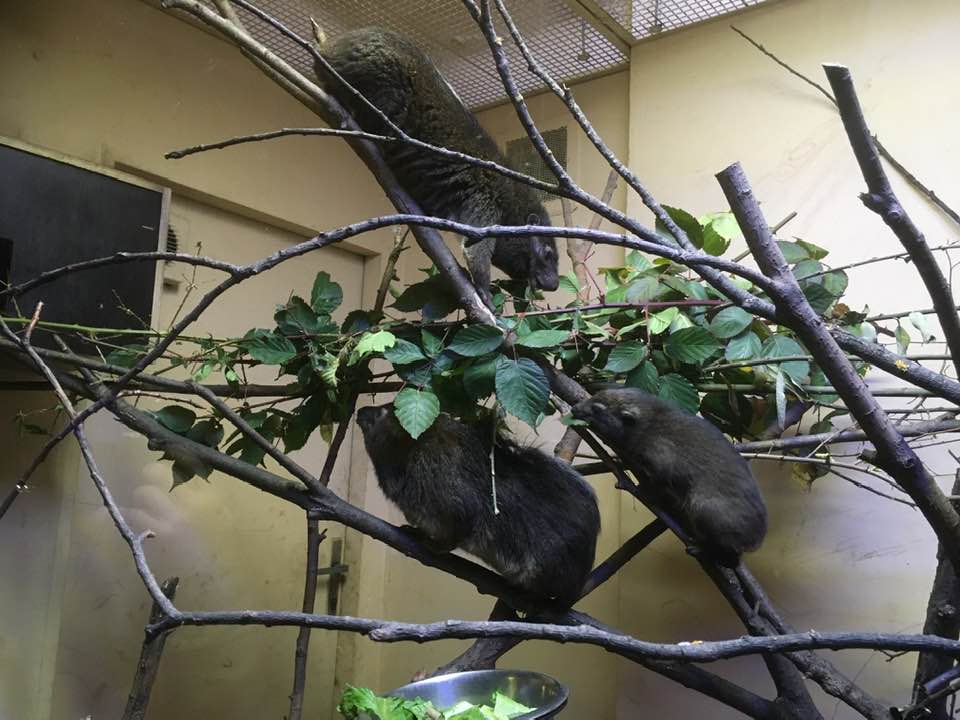
Dendrohyrax dorsalis family, male, female and one juvenile from Plzen Zoo, Czech. (October 2021). In this species female (up) is larger than male (down), juvenile is on the right.
Six subspecies have been recognized, and resently Oates et al. (2022) described one as Dendrohyrax interfluvialis from Benin.
Coat is dark brown/black with clear, large, white back patch.
Dendrohyrax dorsalis from Ostrava Zoo, Czech
Compared to other Dendrohyrax species they are more calm and less shy. They call less frequently.
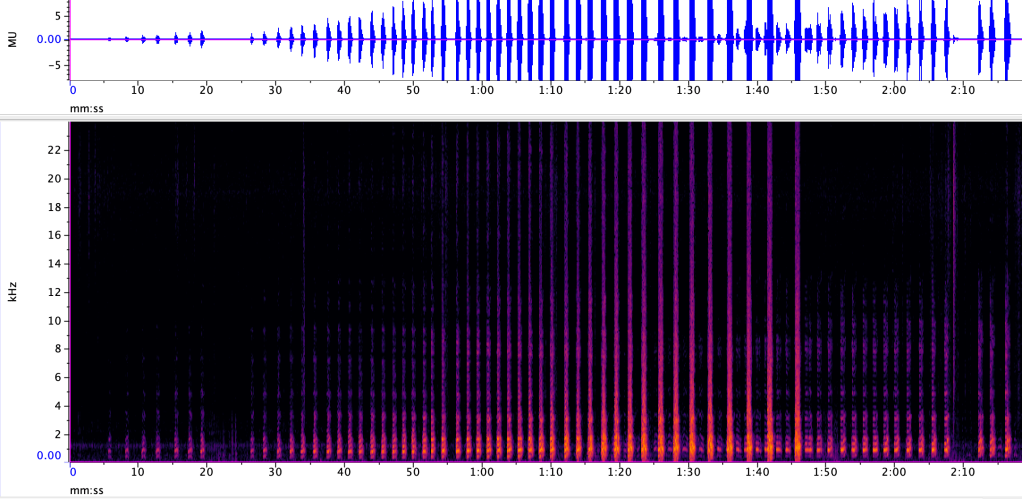
Dendrohyrax dorsalis calls recorded from Ostrava zoo in October 2021. Family, again male, female and one offspring are calling together about three am in the morning.Listen to the call of D dorsalis, call is the same as in spectrogram.
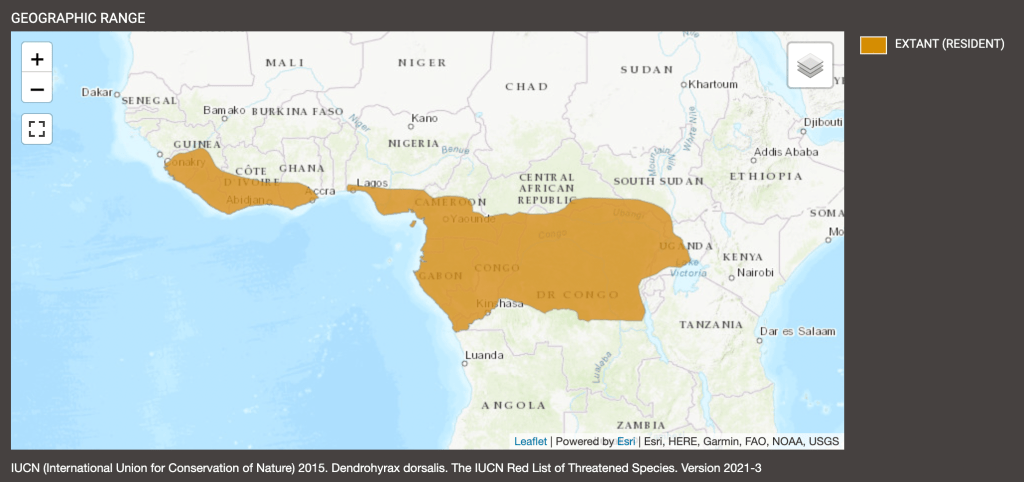
D. dorsalis range extends from Guinea to Uganda. Map from IUCN assessment (Butynski et al. 2014).
D. dorsalis is found in moist lowland forests and moist savannas to an altitude of 1500 m asl.
There are no behavioral studies of the species. Group structure is unknown.
In fact it is very difficult to find any articles about D. dorsalis.
Herbivorous, eats mainly leaves, shoots and seeds.
In many parts of the range births happen throughout the year.
Key reference: Shultz, S. & Roberts, D. (2013) ‘Dendrohyrax dorsalis Western tree hyrax’ In: Mammals of Africa. Bloomsbury. London.
Sources:
Butynski, T., Dowsett-Lemaire, F. & Hoeck, H. 2015. Dendrohyrax dorsalis. The IUCN Red List of Threatened Species 2015: e.T6410A21282601. http://dx.doi.org/10.2305/IUCN.UK.2015- 2.RLTS.T6410A21282601.en
Oates, J.F. et al. (2021) ‘A new species of tree hyrax (Procaviidae: (Dendrohyrax) from West Africa and the significance of the Niger–Volta interfluvium in mammalian biogeography’, Zoological Journal of the Linnean Society, p. zlab029. doi:10.1093/zoolinnean/zlab029.
According to Mammals of Africa (MOA) 2013 17 subspecies are recognized. However, many of these subspecies have been elevated to level of distinct species.
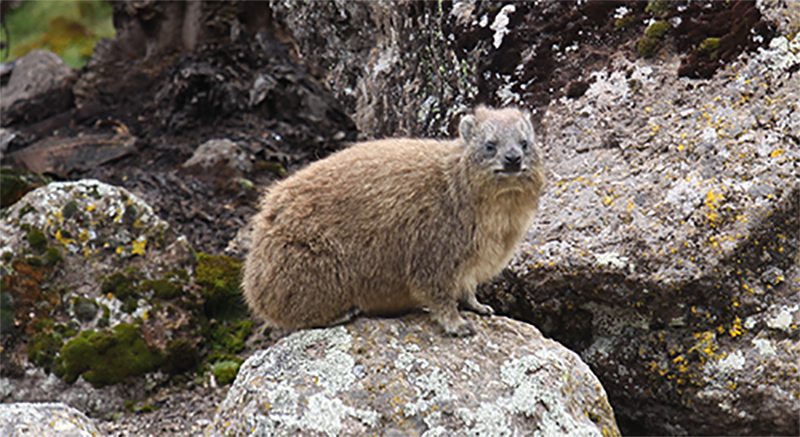
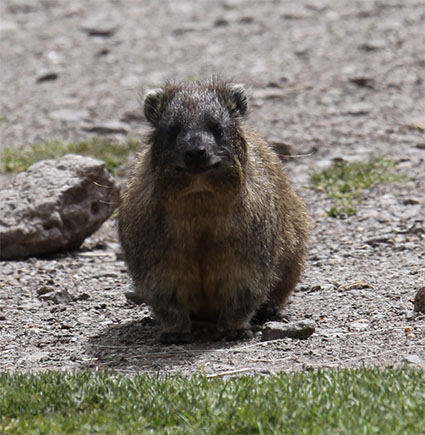
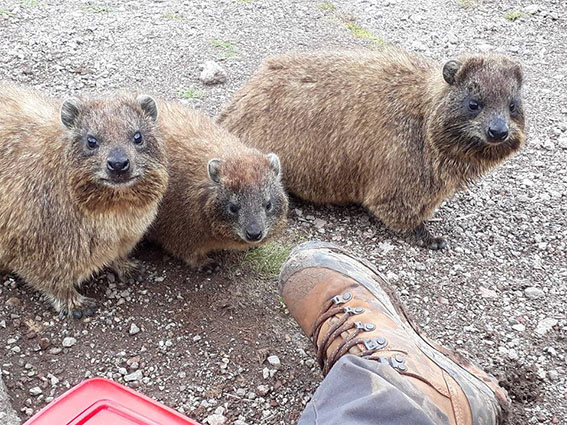
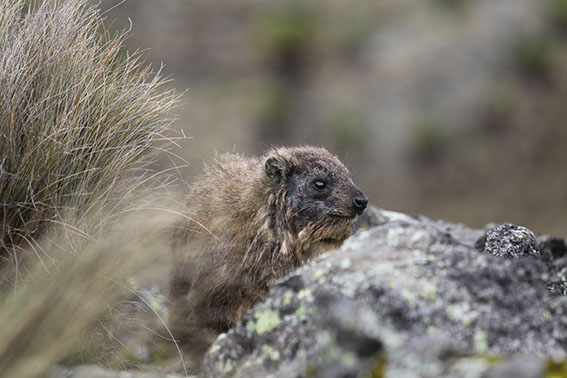
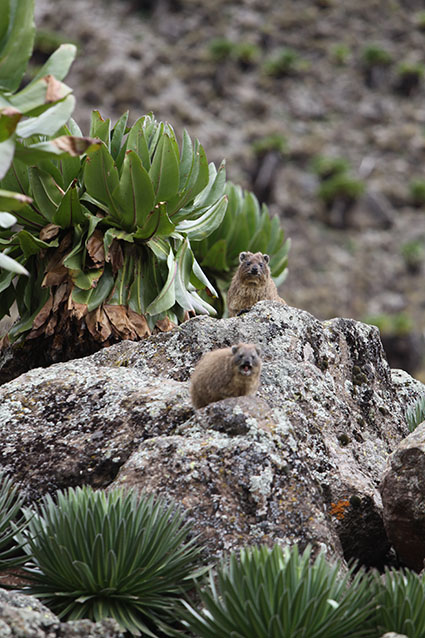
Rock hyraxes in Mt Kenya. These rock hyraxes live in the altitude of 4300 m asl. Many people climbing to Mt Kenya are first startled by their loud calls that seem to be coming from nowhere.
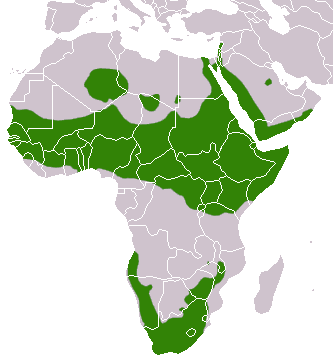
Rock hyraxes have wide distribution in Africa and in many countries in Middle East
Rock hyraxes are dependent on rocky outcrops, mountain cliffs or boulders that provide shelter for them.
From sea level to 4300m asl in Mt Kenya
Rock hyraxes are diurnal group living animals. One group may have even 80 individuals.
More than 90 % of the day is spent resting.
They feed on grasses, buds, fruits, berries.
Huddling behavior is most common interaction. During warmer times rock hyraxes may rest alone.
Rock hyraxes are highly vocal. Fourie (1977) recorded 21 vocal sound and 4 non-vocal sounds.
Rock hyraxes from Mt Kenya
Rock hyraxes singing songs, witch is rare phenomenon among mammals (Koren 2006, Koren & Geffren 2009, Demartsev et al. 2014). In rock hyraxes songs are sang by males. Most complicated and powerful songs are sang by strong males. These songs are most likely individual badges that males use to advertise their fitness to females.
With one breeding season, all females give birth to 1-4 within three weeks.
Weaning occurs within 1-5 months. Both sexes reach maturity at 28-29 months.
Allthough some habitats remain always occupied, in many locations rock hyraxes colonies may dissapear and then reappear according to metapopulation theory.
In some counties e.g. Saudi-Arabia rock hyraxes are hunted for sport, meat and skins.
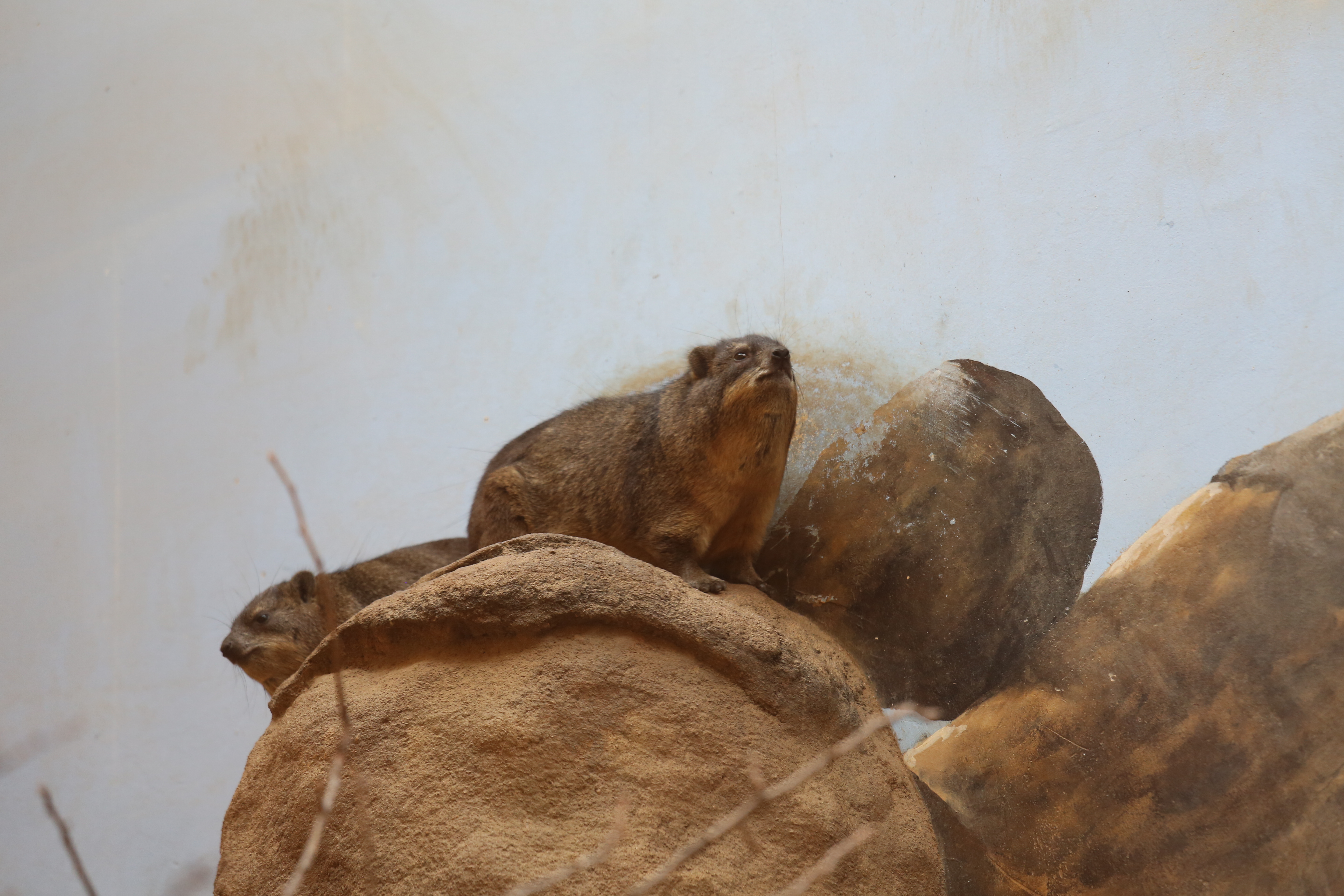
Rock hyraxes from Plzen Zoo, Czech
How do you recognize hyrax species from one another?
If they are diurnal, they are either rock hyraxes or bush hyraxes. These are quite different form their appearance.
If they are nocturnal, they are tree hyraxes. Tree hyraxes are usually seen in the proximity of trees as they only eat leaves. In West Africa they are D. dorsalis or D. interfluvialis. They can be separated by their calls. Most common tree hyrax is Dendrohyrax arboreus. This species can be found from equator to South Africa. Other tree hyraxes D. validus and Taita tree hyrax sound very different. D. arboreus sounds like halloween sound track. D. validus has simple hac calls and Taita tree hyraxes have strangled thwack as their main contact calls. You can listen to Taita tree hyrax from here
Key reference: Hoeck, H. Bloomer, P. (2013) ´Procavia capensis Rock hyrax (Klipdassie)’. In “Mammals of Africa” Vol 1. London Bloomsbury. pages 166-171
Demartsev, V. et al. (2014) ‘Male hyraxes increase song complexity and duration in the presence of alert individuals’, Behavioral Ecology, 25(6), pp. 1451–1458. doi:10.1093/beheco/aru155.
Butynski, T., Hoeck, H., Koren, L. & de Jong, Y.A. 2015. Procavia capensis. The IUCN Red List of Threatened Species 2015: e.T41766A21285876. http://dx.doi.org/10.2305/IUCN.UK.2015- 2.RLTS.T41766A21285876.en
Koren, L. (2006) Vocalization as an indicator of individual quality in the rock hyrax. PhD-thesis, Tel-Aviv University.
Koren, L. and Geffen, E. (2009) ‘Complex call in male rock hyrax (Procavia capensis): a multi-information distributing channel’, Behavioral Ecology and Sociobiology, 63(4), pp. 581–590. doi:10.1007/s00265-008-0693-2.
Oates, J.F. et al. (2021) ‘A new species of tree hyrax (Procaviidae: (Dendrohyrax) from West Africa and the significance of the Niger–Volta interfluvium in mammalian biogeography’, Zoological Journal of the Linnean Society, p. zlab029. doi:10.1093/zoolinnean/zlab029.
Two remaining “larger” forests in Taita Hills are Mbololo 180 ha and Ngangao 120 ha. Taken together these forests are only three square kilometers in size.
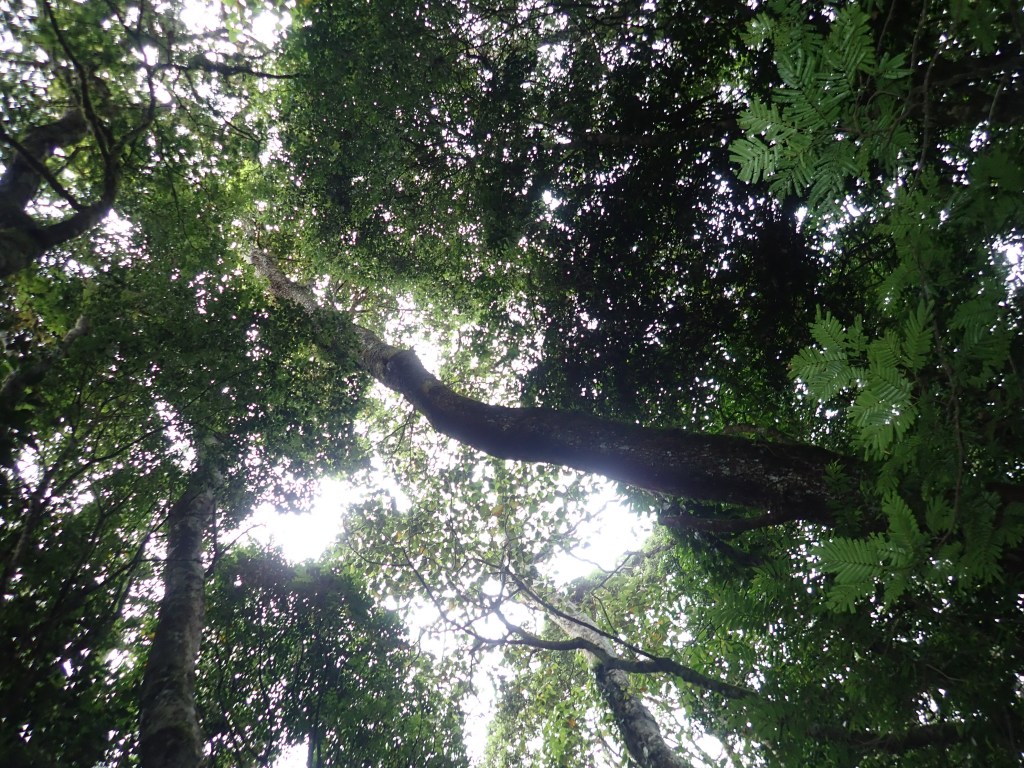
View to the canopy in Mbololo Forest
But they are full of amazing forms of life. Many (most) of them critically endangered, as their habitat, indigenous cloud forest has been almost entirely lost from Taita Hills.
These remaining forests could be made national park, as their biodiversity is astounding. Value of these forests as water towers and biodiversity hot spots are priceless.
Threats for Ngangao and Mbololo Forests
Even thought these forests have been conserved in some level they do still deteriorate due to human activities: harvesting of firewood, some (not much) illegal logging, and poaching.
Reduction of rainfall. Previously large cloud forests would draw and collect moisture, and this rainfall would deliver water to large areas surrounding the Taita Hills. Now these small forest fragments don’t have that kind of rainfall pull they used to have.
Edge effects, these are tied to both previous reasons for the deterioration of the forests. As these forests are small, and particularly Ngangao is very narrow, the forest that remains most intact, protected from edge effects is small. People come in from the edges, and this is where most damage is done.
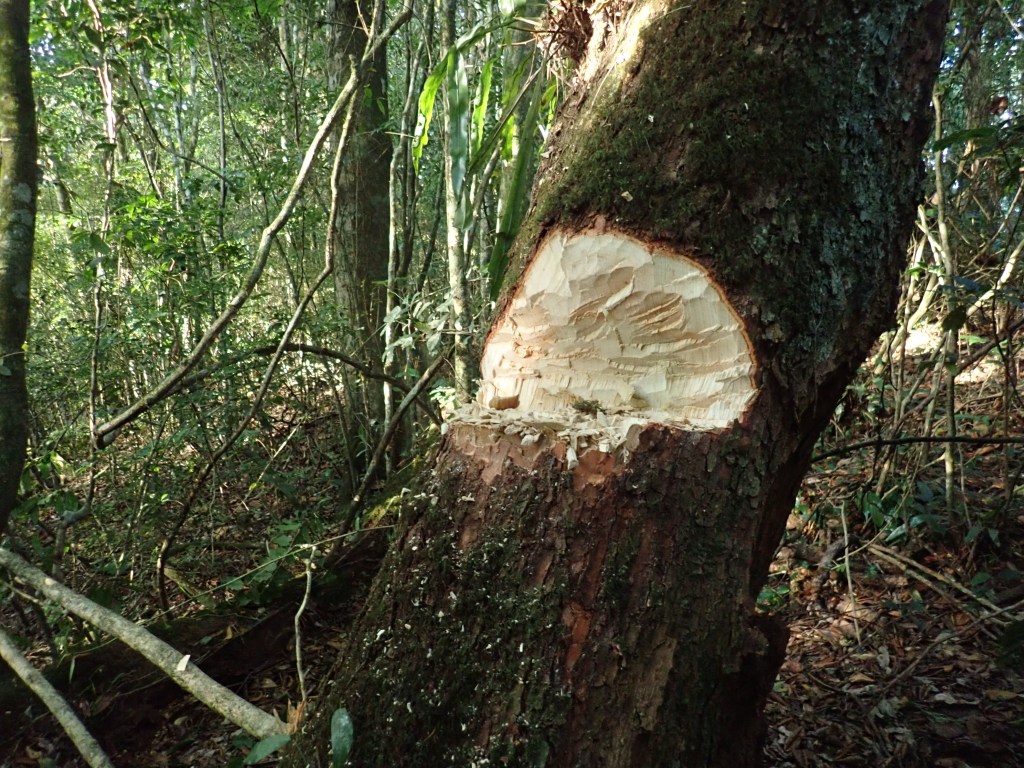
Ocotea usambarensis tree being cut illegally in January 2022. This tree doesn’t reproduce anymore in Taita Hills. It may have lost its pollinator. Only few Ocoteas remain in Taita Hills, as timber is very valuable and bark has medicinal properties.Ngangao Forest from Google Earth satellite image in April 2022. Forest is narrow, and only about 100 meters wide in the most narrow parts. Forest animals are isolated to this forest like island in the sea. They have no changes of dispersal to the other forests. It is possible that forest will simply dry out.
Means for conservation:
Increasing number of indigenous trees in all Taita Hills. Naturally increasing the size of the forest would have biggest impact, but any and all indigenous trees growing in local peoples land would be important addition.
Protection of the forests from firewood collection. It is very difficult to draw the line what is too much firewood collection. These forests are in such a state, that they should be conserved entirely. There are other means of cooking available. Sometimes firewood collection may be consequence of poverty, but to my understanding in these days it is more often result of doing things the way they were done before, some dishes taste better when cooked with wood (at least that is what people believe).
Increase in ecotourism. If these forests are conserved with their amazing species, galagos, tree hyraxes and endemic birds, they can be magnificent source of income to local people. This could provide number of different job opportunities. I have written a article about that: Enigmatic nocturnal mammals of Taita Hills and their potential role in sustainable eco-tourism Naturally, if these forests and their animals are lost, so is the opportunity for ecotourism.
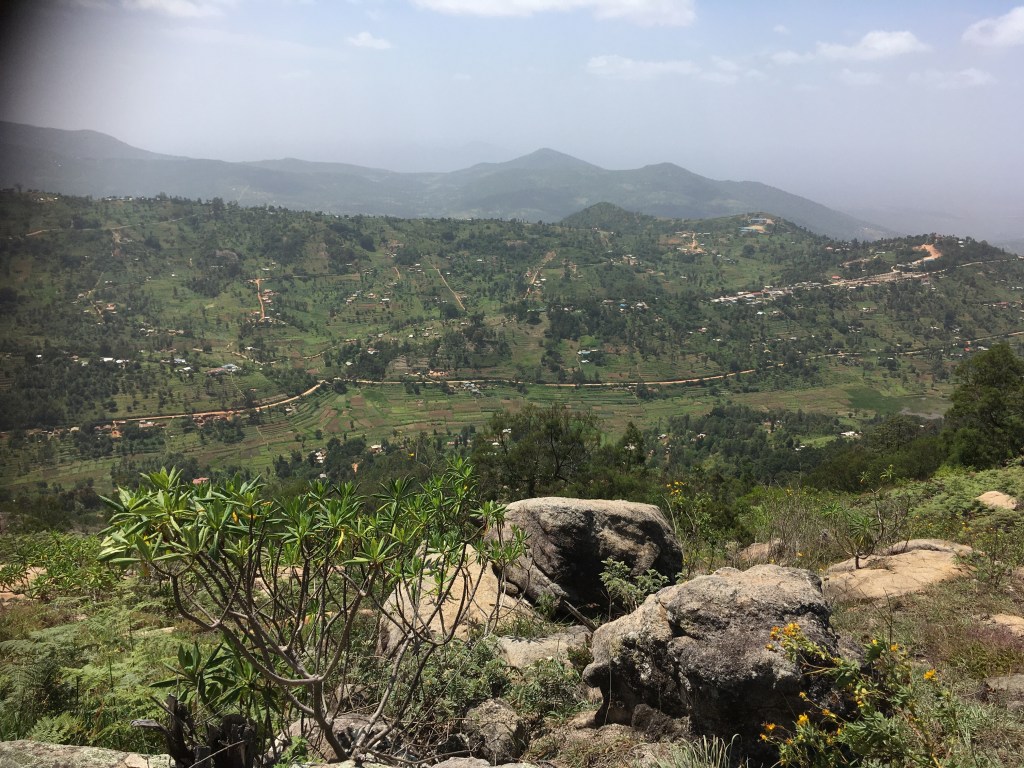
View from top of Nganagao Forest. All these hills used to be covered with 30 million year old forests.
Biodiversity hot spots
Biodiversity of fauna and flora in the Mbololo and Nganago forests is perhaps higher than anywhere else in the world. Gigantic trees, eg. Pauterias can reach 50 meters.
Key tree species in these forests are e.g. Tabernaemontana stapfliana, Pouteria adolfi-friedericii and Macaranga capensis.
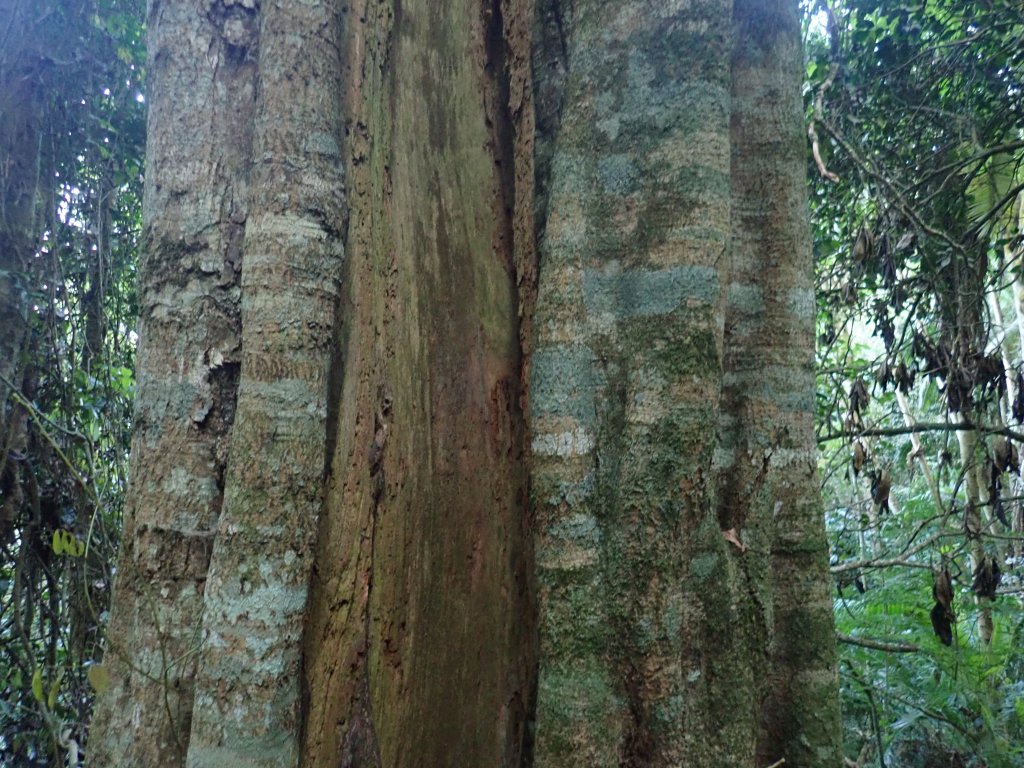
Trunk of Pouteria adolfi-friedericii
These trees support life in all their levels and these forests are like cities with skyscrapers where each floor have their own inhabitants and families.
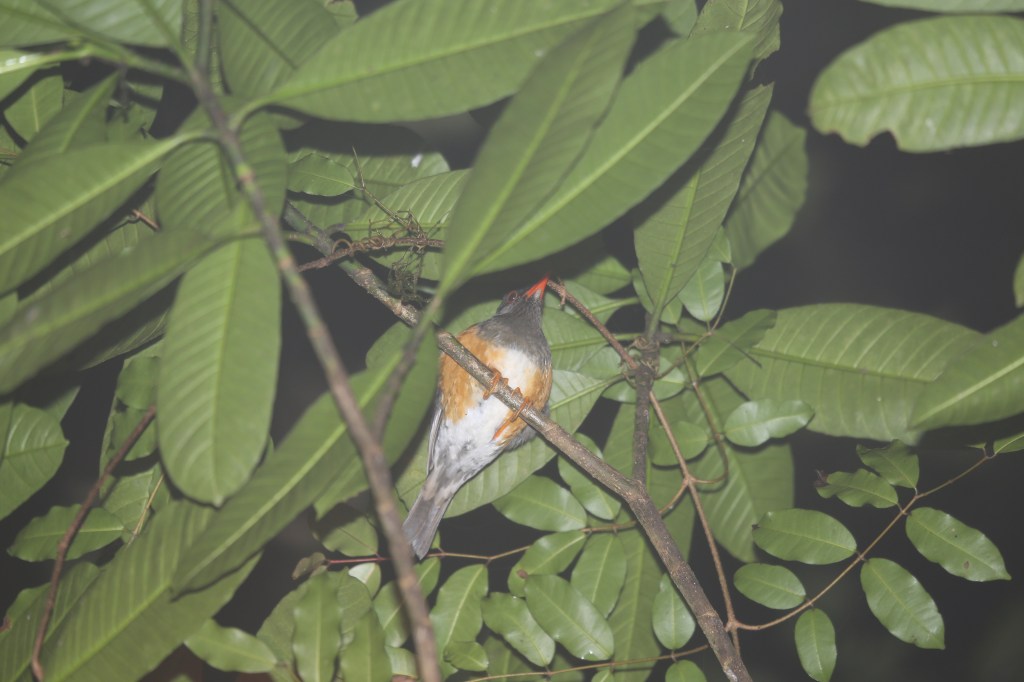
Taita Hills is famous of the endemic birds, these include Taita trush and Taita apalis. Unfortunately especially Taita apalis is declining.
Taita trush at night
Harlaubs turaco is commonly seen and even more often heard in the forest. With its black and red colouring and calls that I often confuse with sykes monkeys calls it is fascinating bird.
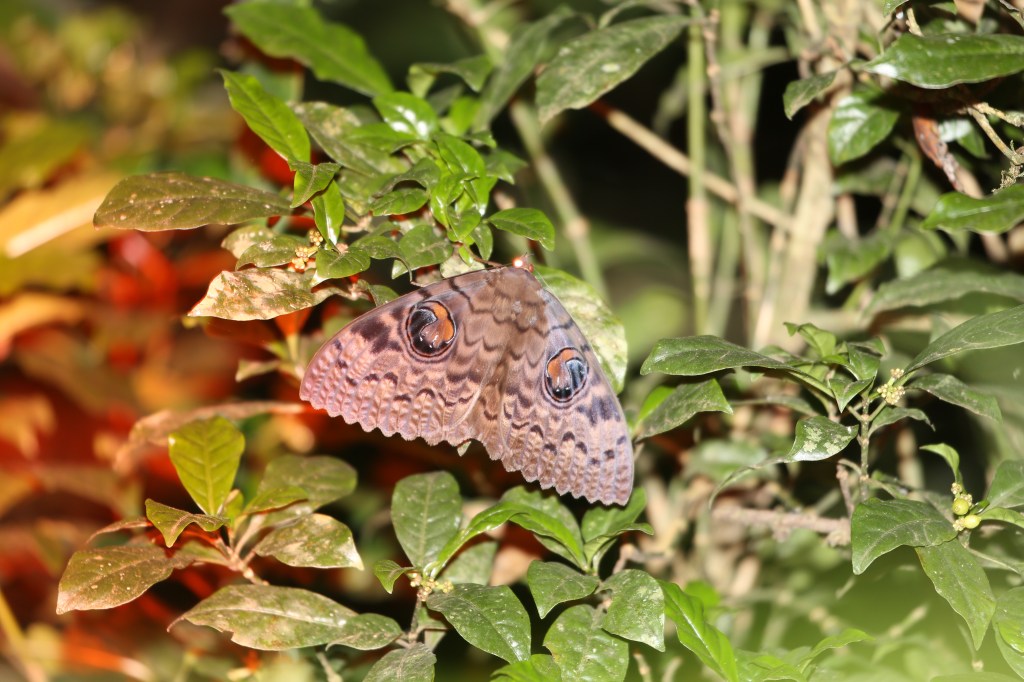
Butterfly and moth biodiversity is also amazing. Ngangao peaks are amazing sites to follow butterfly topping. Butterflies, some large like birds, in all colors fly playfully competing with one another over the top over and over again. That is truly fascinating to watch.
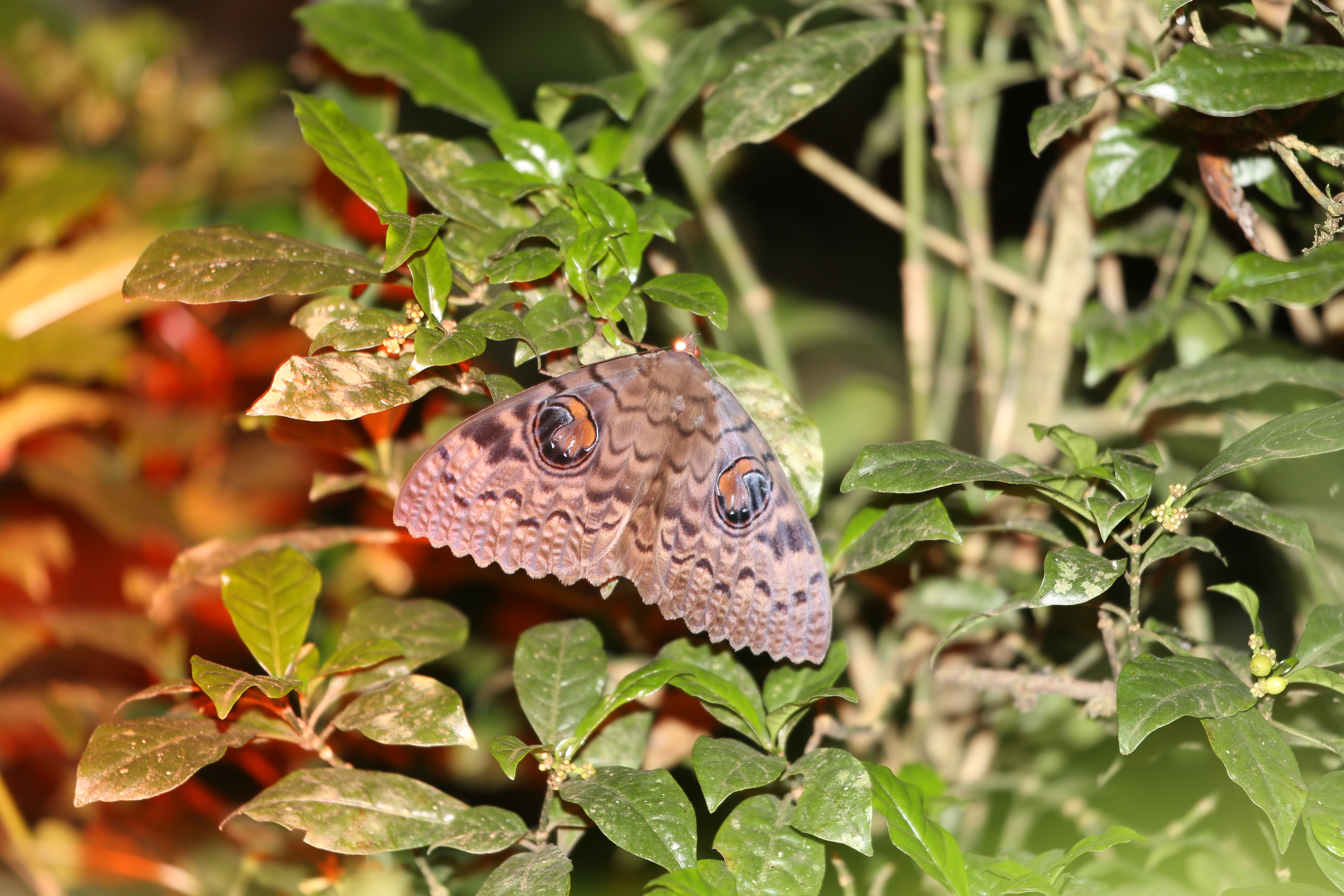
Erebus walkeri, large moth that lives in Mbololo and Ngangao
Biodiversity of nocturnal mammals
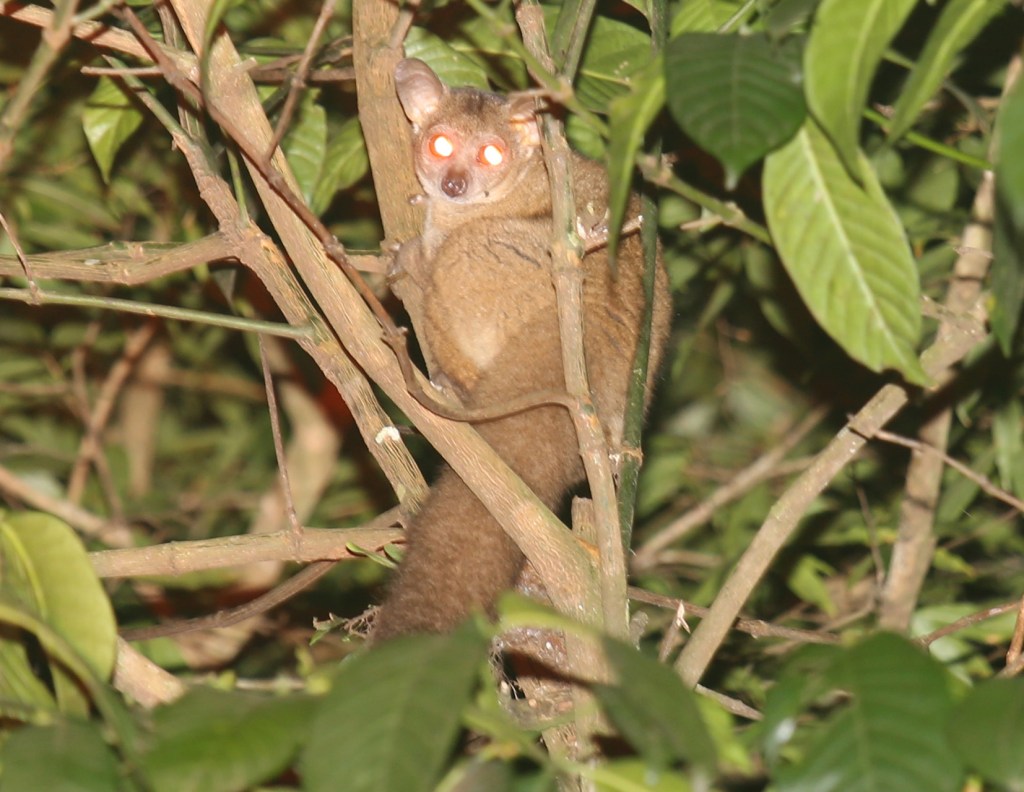
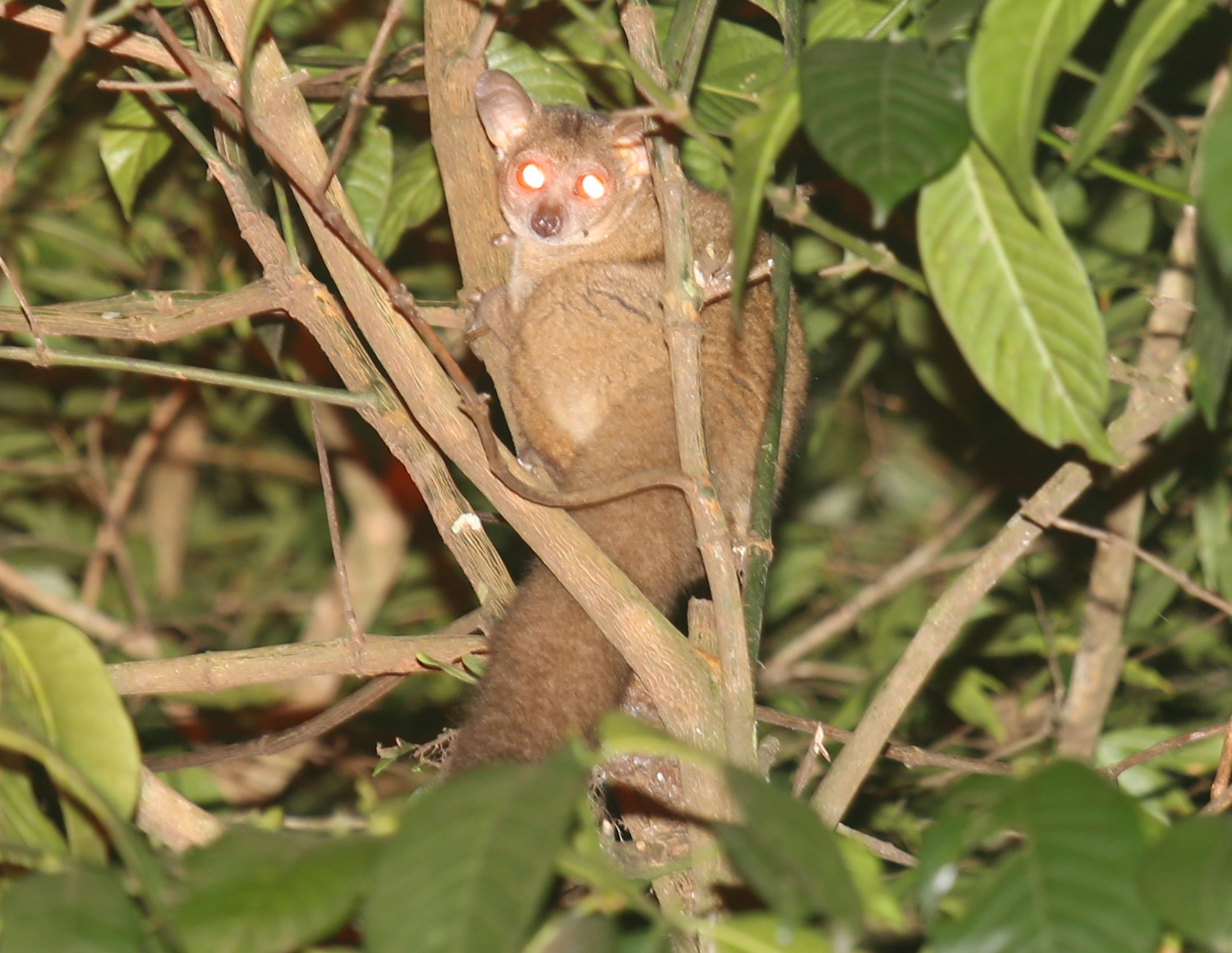
Nocturnal mammals, that no-one can not avoid to hear in the forests of Taita Hills are Taita tree hyrax (Dendrohyrax sp.) and small eared greater galago (Otolemur garnettii).
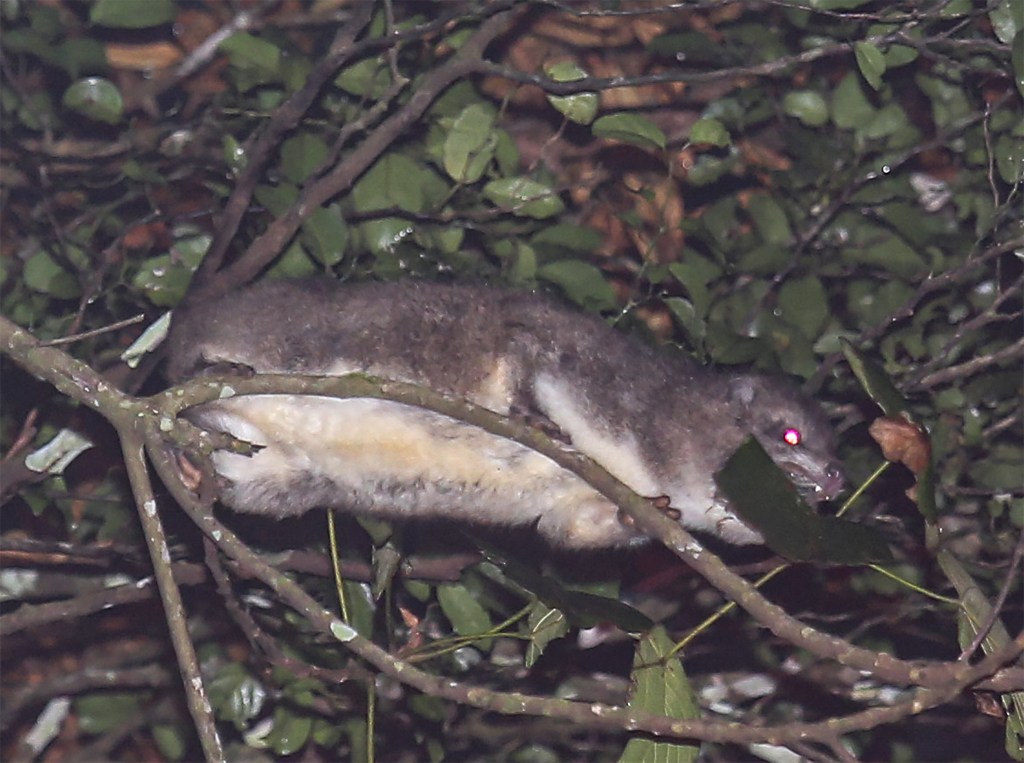
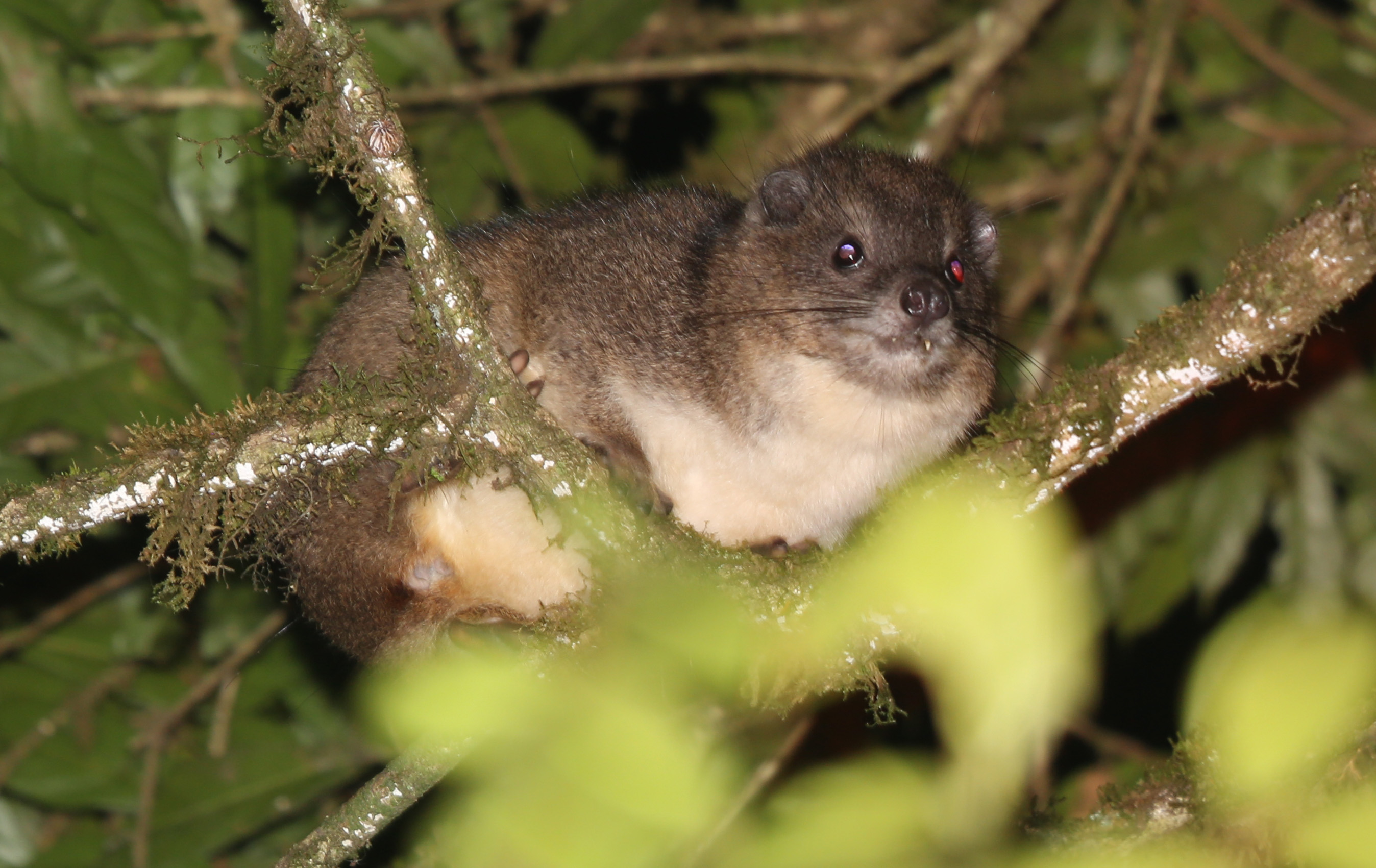
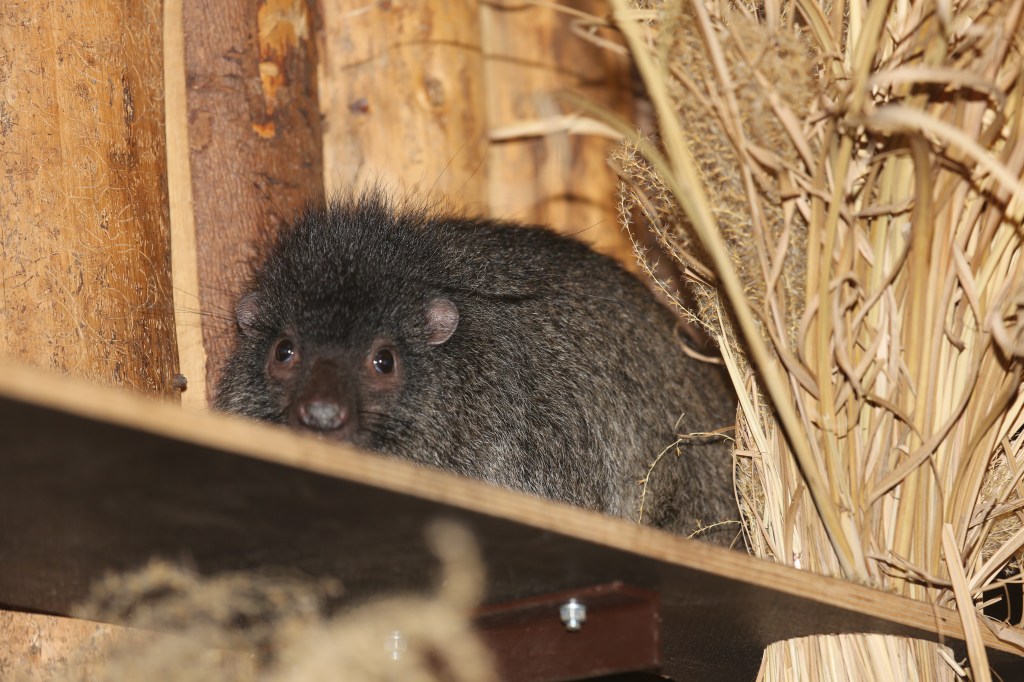
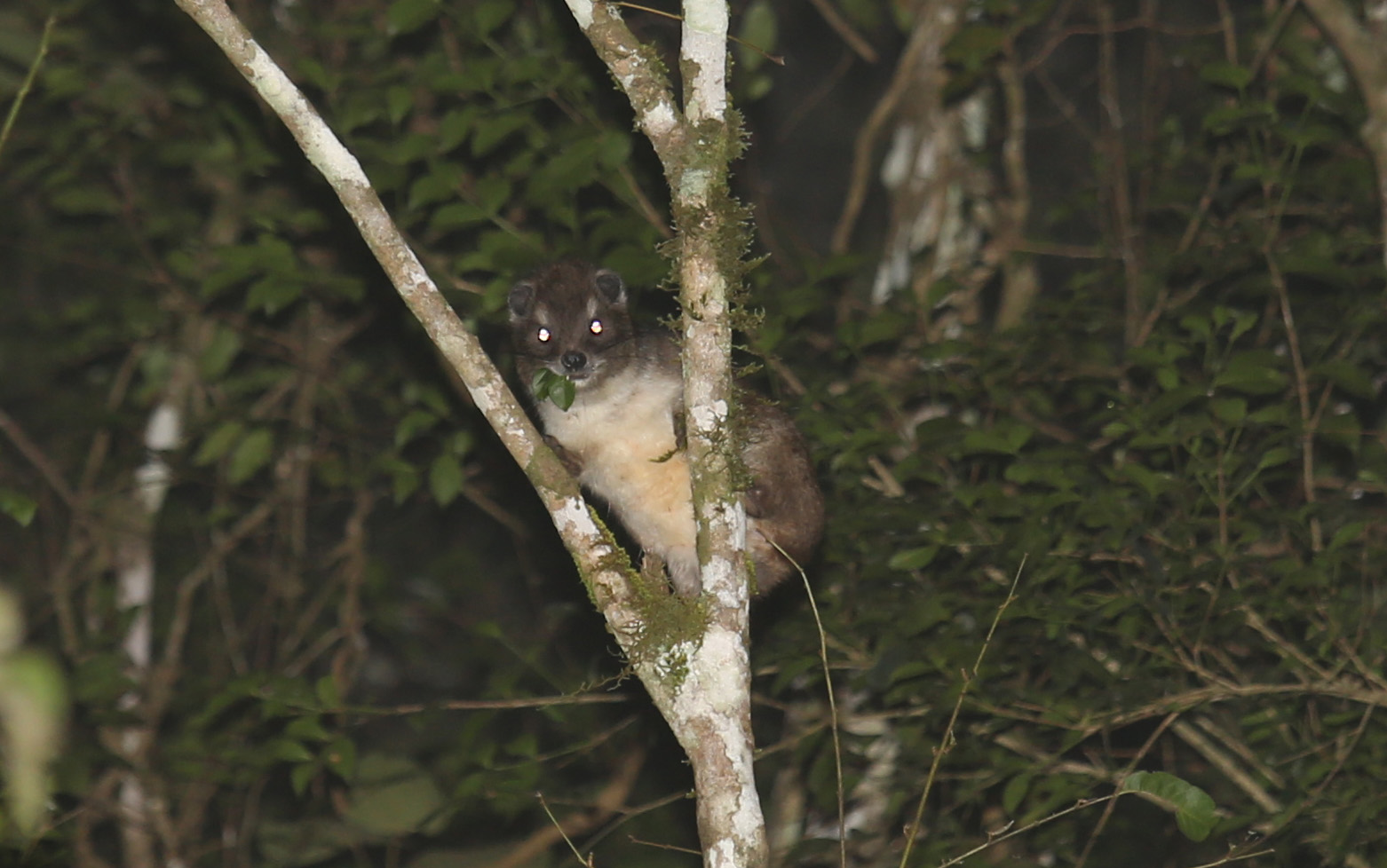
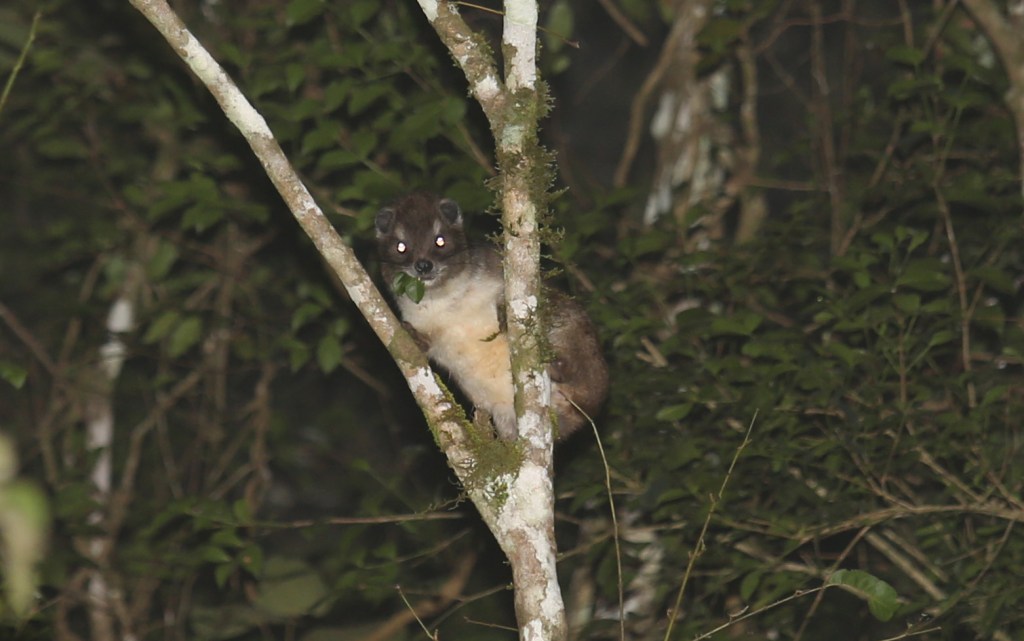
Sweet and special – Taita tree hyrax from Mbololo
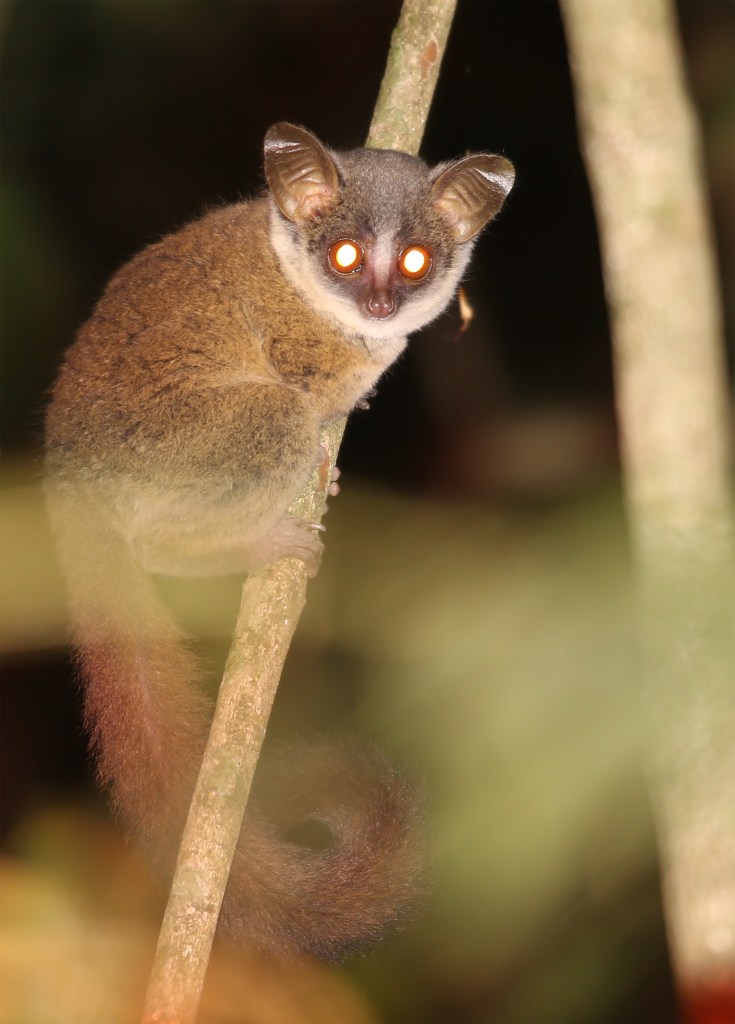
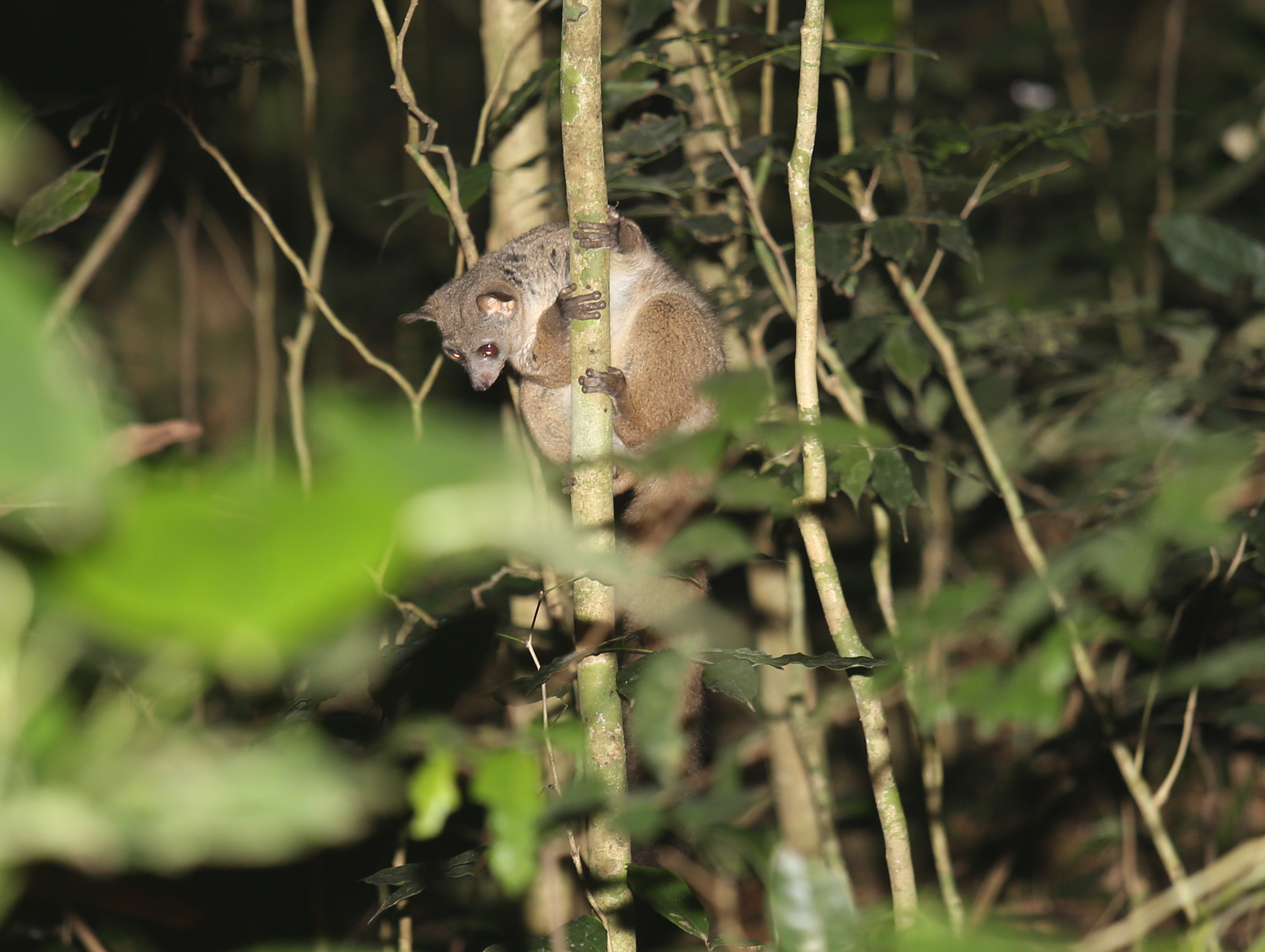
Dwarf galagos are incredible insectivores living in Ngangao and Mbololo forests. They may new species for the science. They may be differents species in Ngangao and in Mbololo forests.
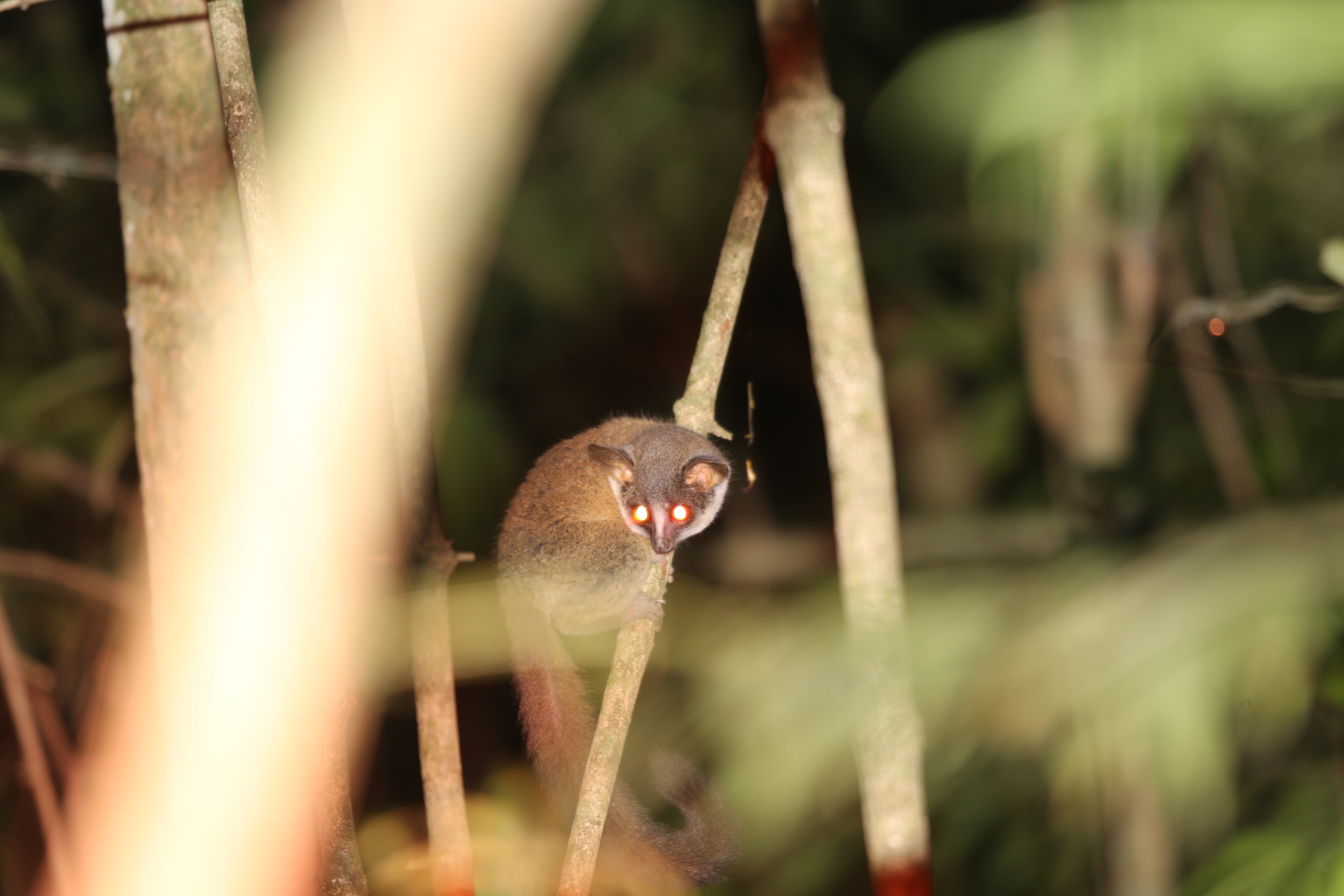
Dwarf galago from Ngangao Forest, where less than 10 individuals are trying to survive.
Greater galago has adapted to live in villages and gardens, and it is easy to see. Interestingly greater galagos in Taita Hills have great variation in their coloring, some individuals are whitish with white tail and many of them are dark with black tip in the tail. There are also differences in the size and behavior.
Taita tree hyrax is very likely still officially undescribed species for the science. Its striking calls begin in the evening at 19 and ends at 06 in the morning.
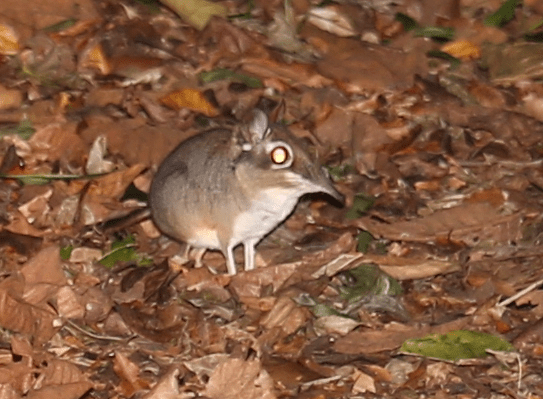
Sengi is in danger and almost extinct because it is easy pray for the dogs. January 2022.
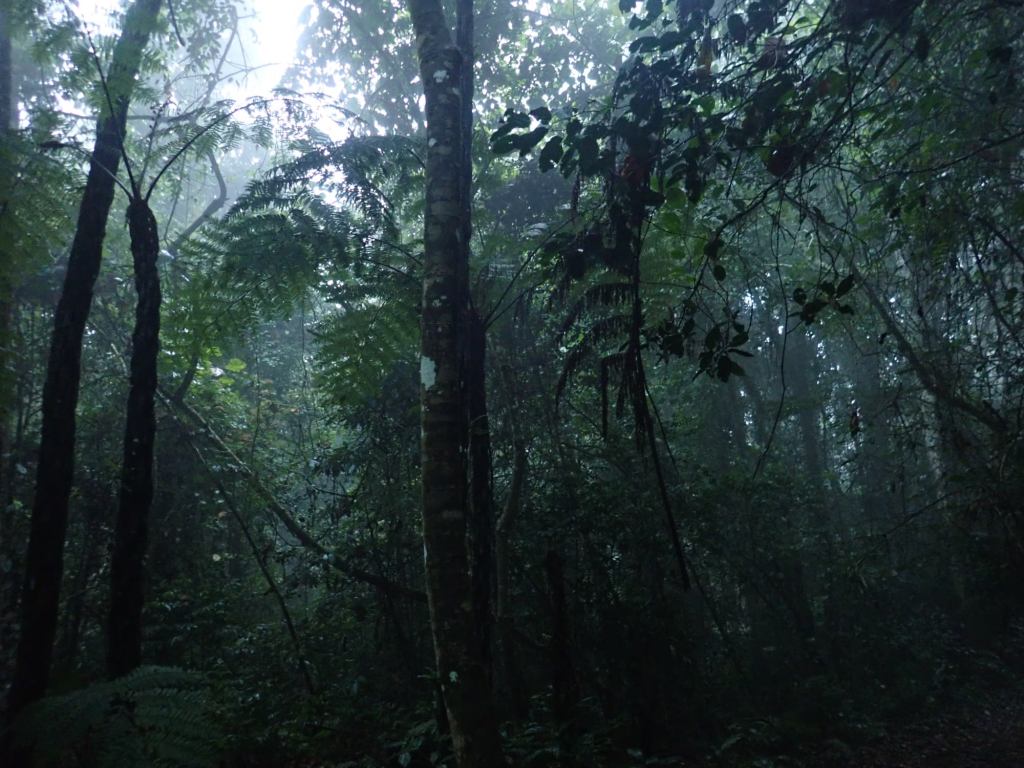
The most interesting time to be in the forest is dusk and dawn. At those times one can observe change of sift between diurnal and nocturnal animals. Especially at dawn this moment is simply magical with first rays of light penetrating to the foggy cloud forest.
Mbololo Forest at dawn
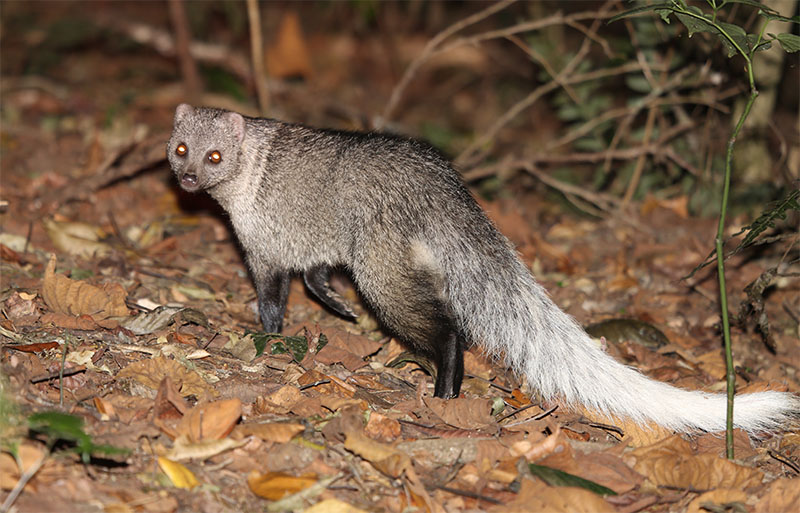
Other nocturnal animals, that are more rare and more shy, are dwarf galagos (Paragalago sp.), genet, white tail mongoose and suni antilope.
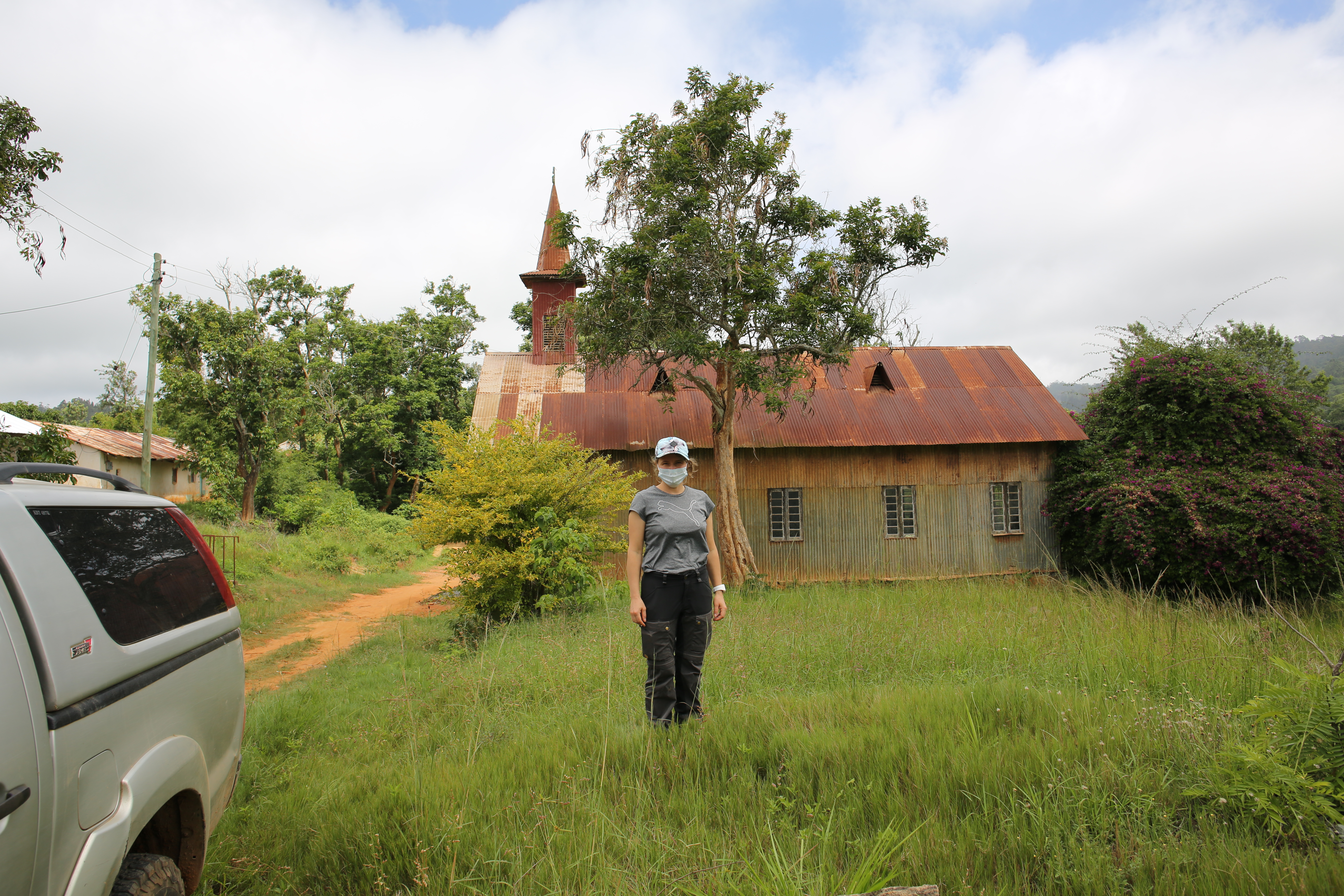
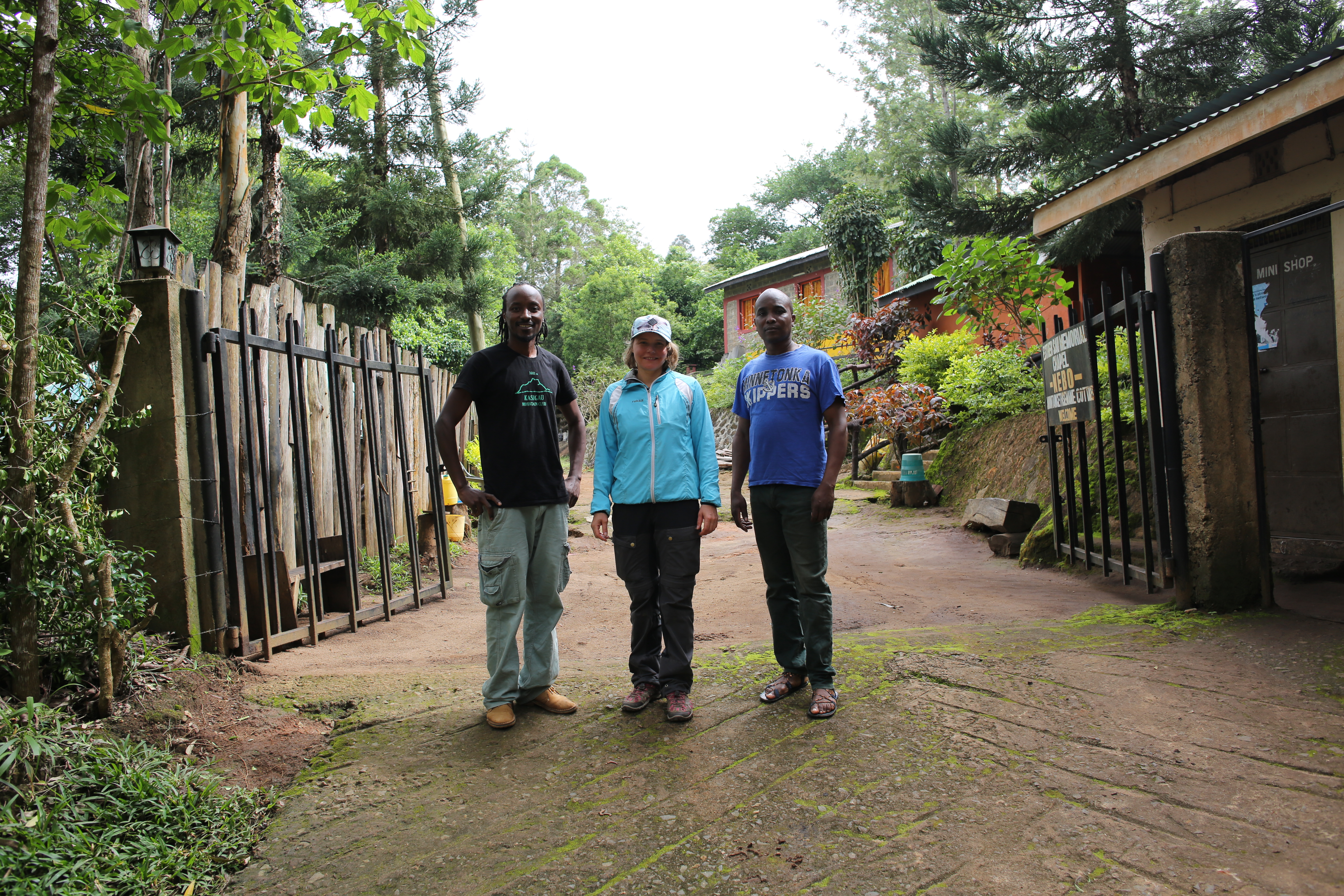
I visited Sagalla on 13.1.2021 with Benson Lombo and Peter Mwasi. We were looking for tree hyraxes. We didn’t find any tree hyraxes, but we came across a sad ecological disaster.
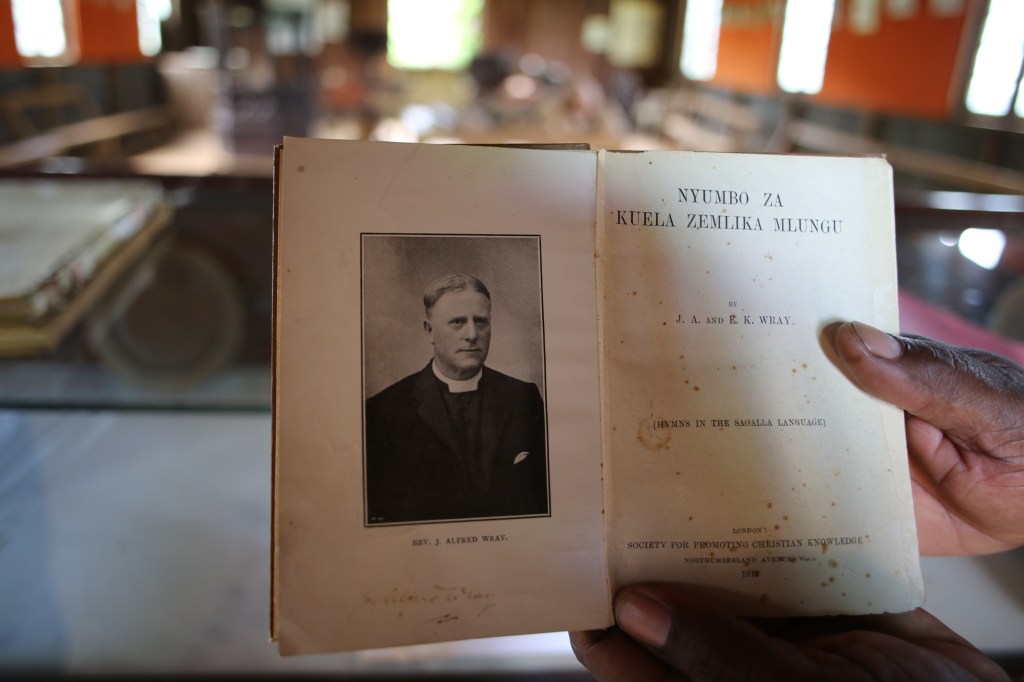
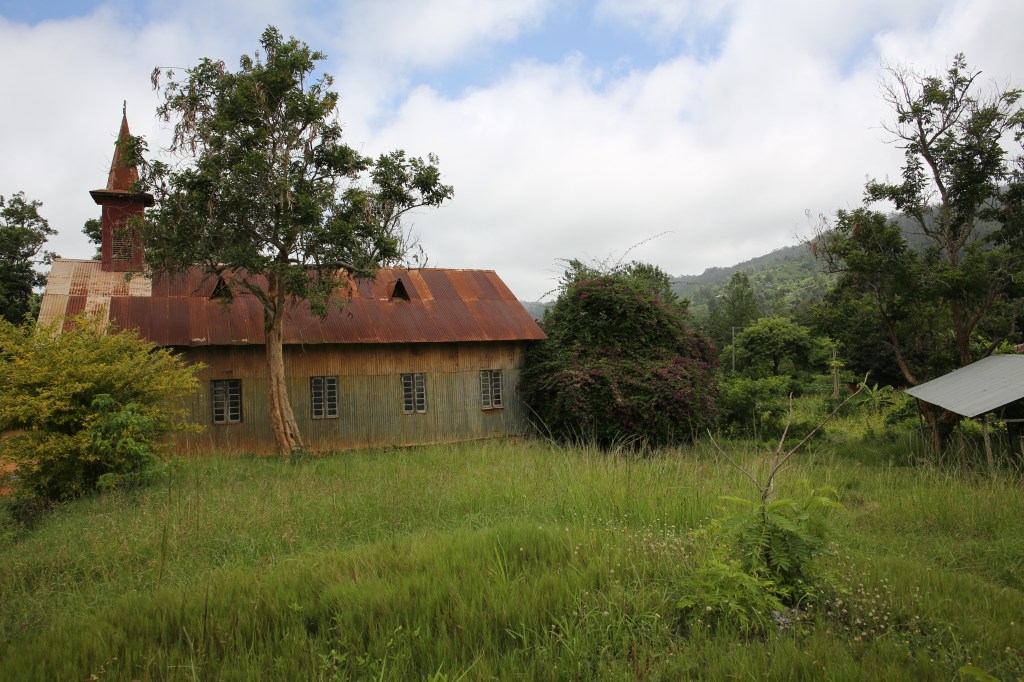
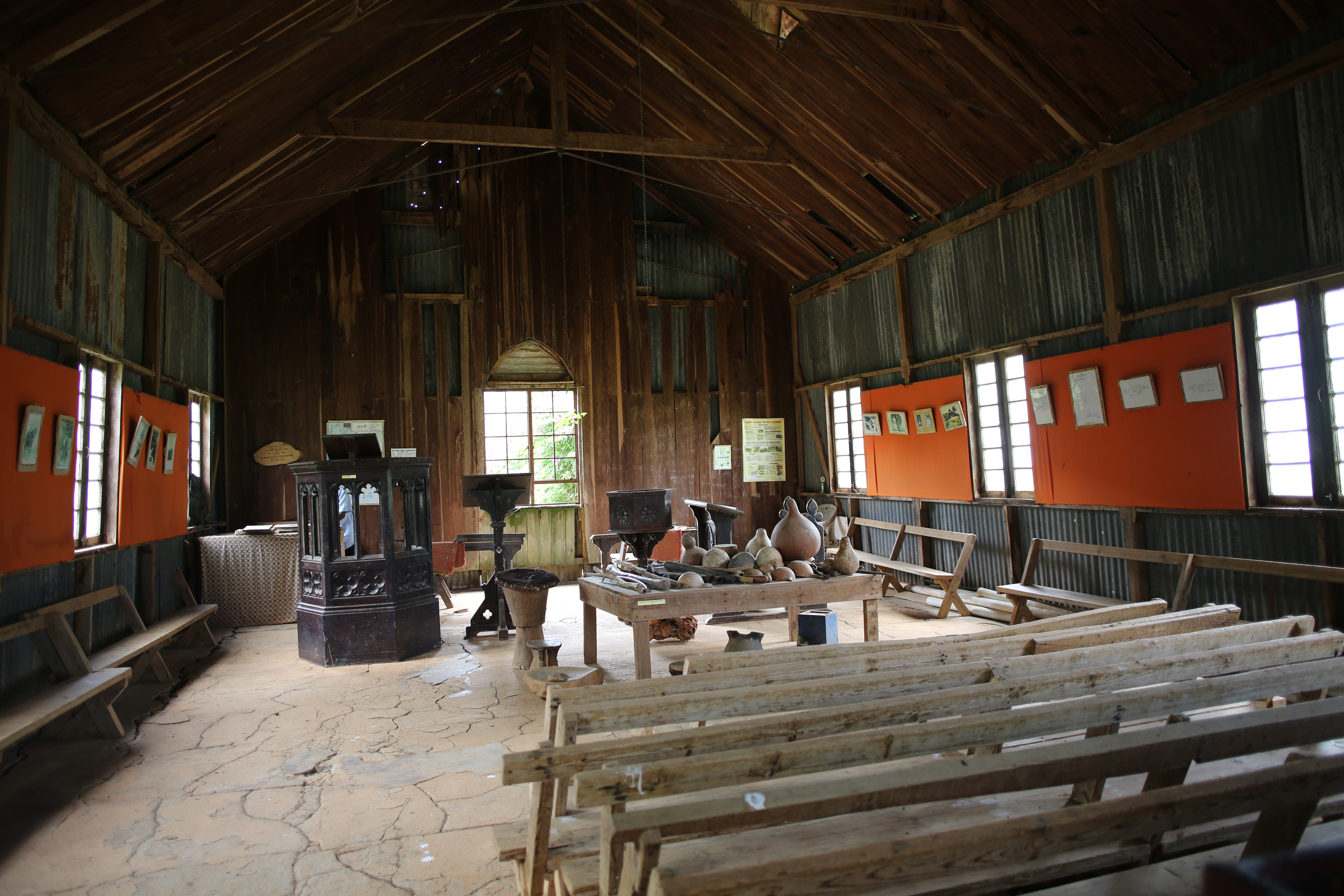
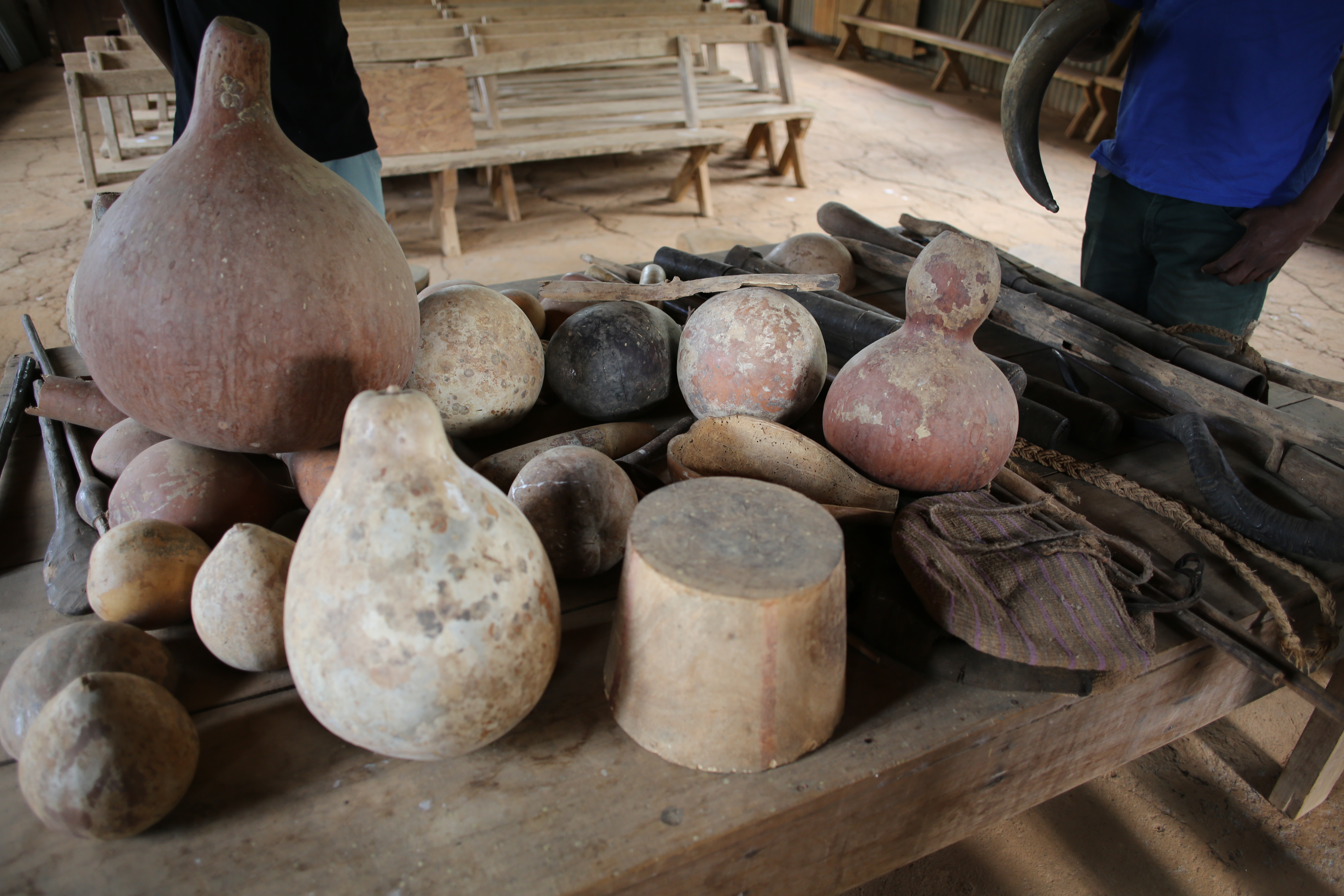
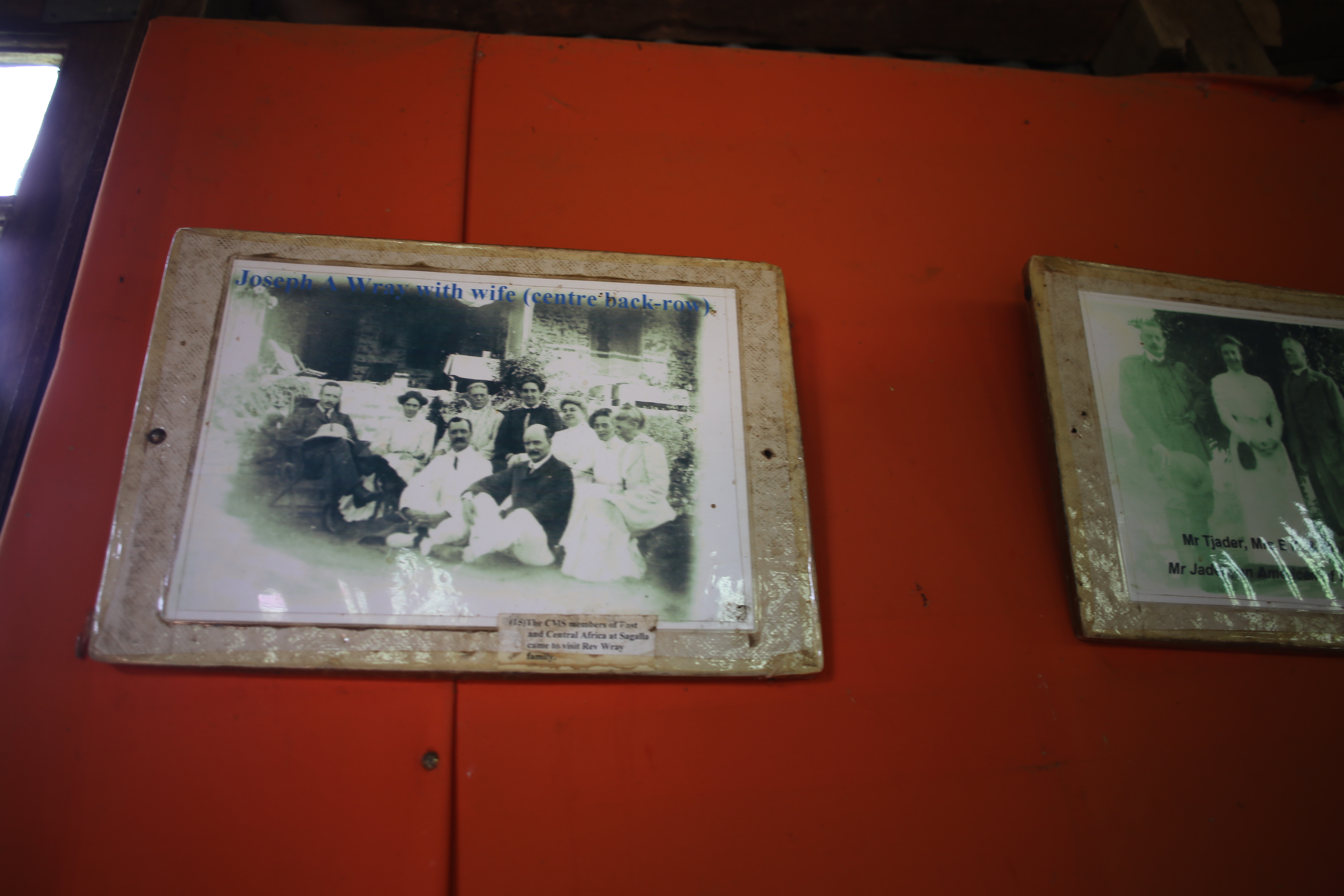
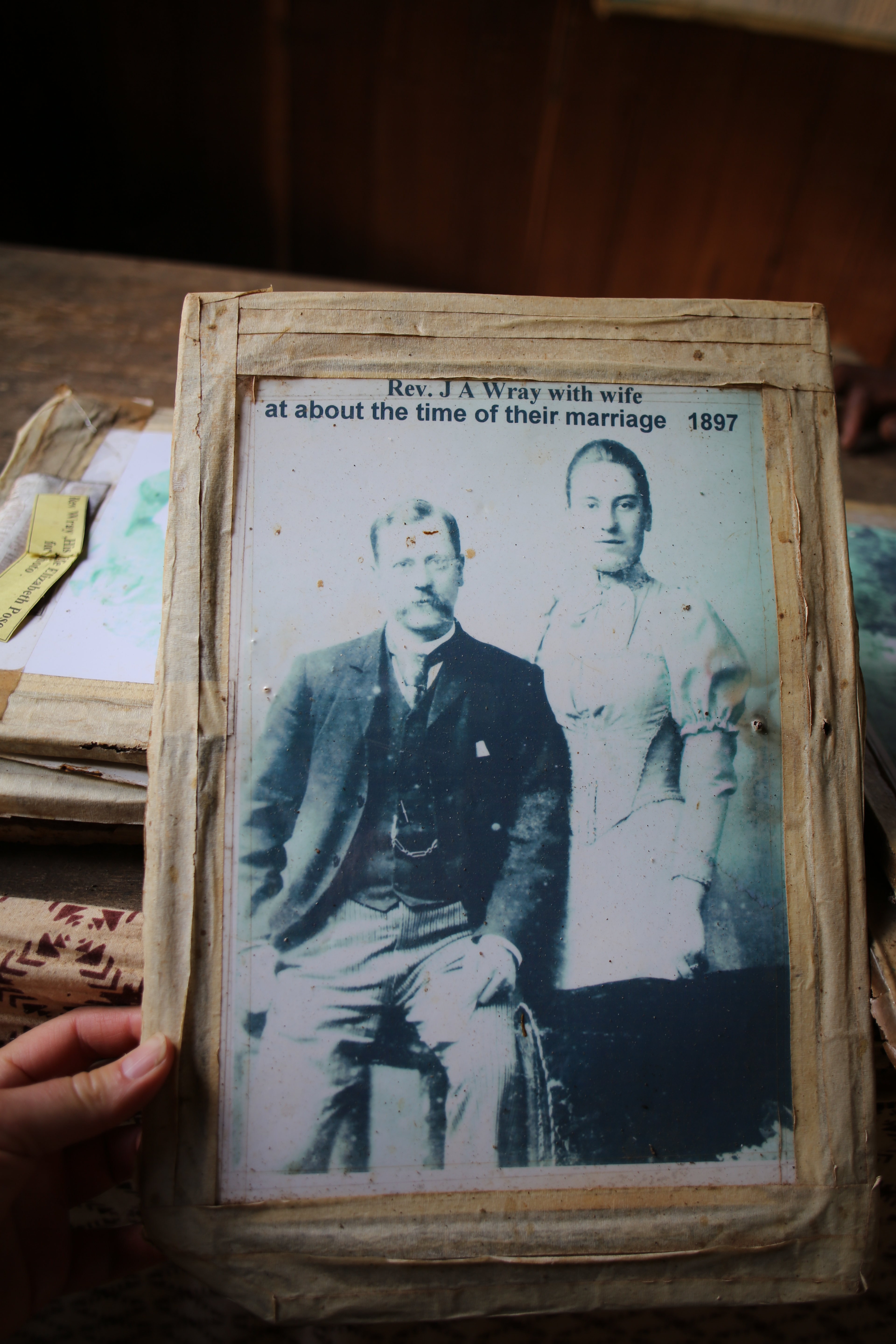
We visited also Wray’s memorial museum that is still in St Mark’s church in Sagalla. What I write next are from my notes while visiting in the museum.
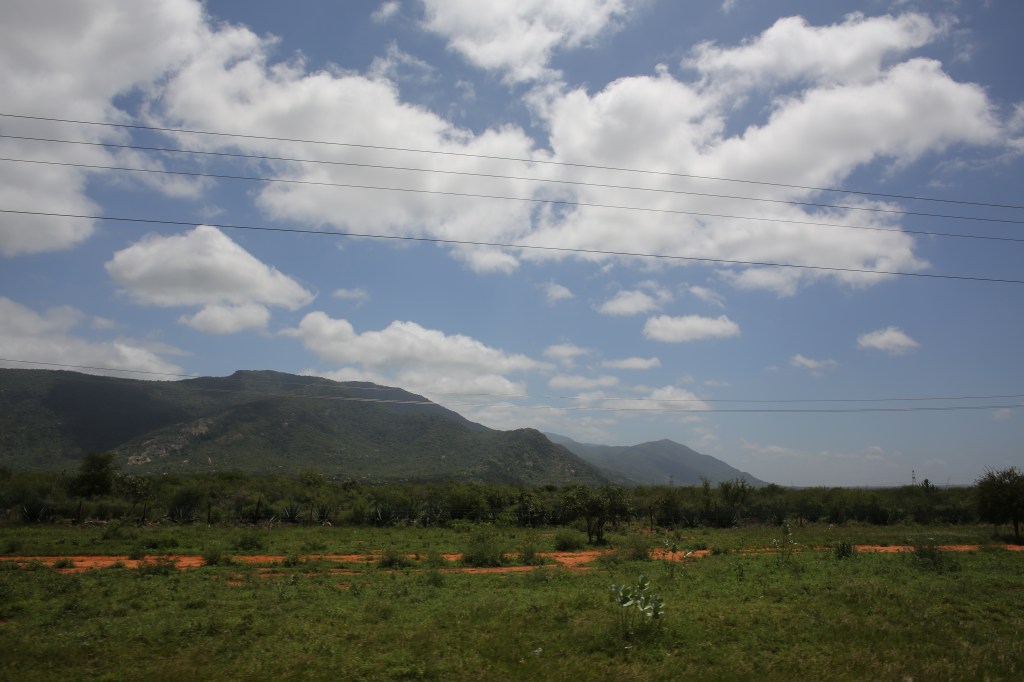
Sagalla hill from the distance
Missionary Andrew Wray arrived to Sagalla on the 19th century with his family. Beginning was not easy, but persistent work for the betterment of people in Sagalla did make significant improvements to peoples lives.
Andrew Wray was able to end the slave trade from the area. Before his arrival already 40 000 men had been taken to Arabics. Some of the former slaves returned and for them, freetown was build where mental and physical trauma of the former slaves could be treated.
Plaque had also killed 80 000 people from the area. Andrew Wray was able to educate people to kill the rats, and spreading of the plaque ceased.
Andrew Wray also helped people that were hungry, and hunger ceased to be a reason of dying in the area.
Andrew Wray build a St Mark’s church in 1901, and with his influence most people in the area became Christians.
Photographs from inside the church
All this sounds very good
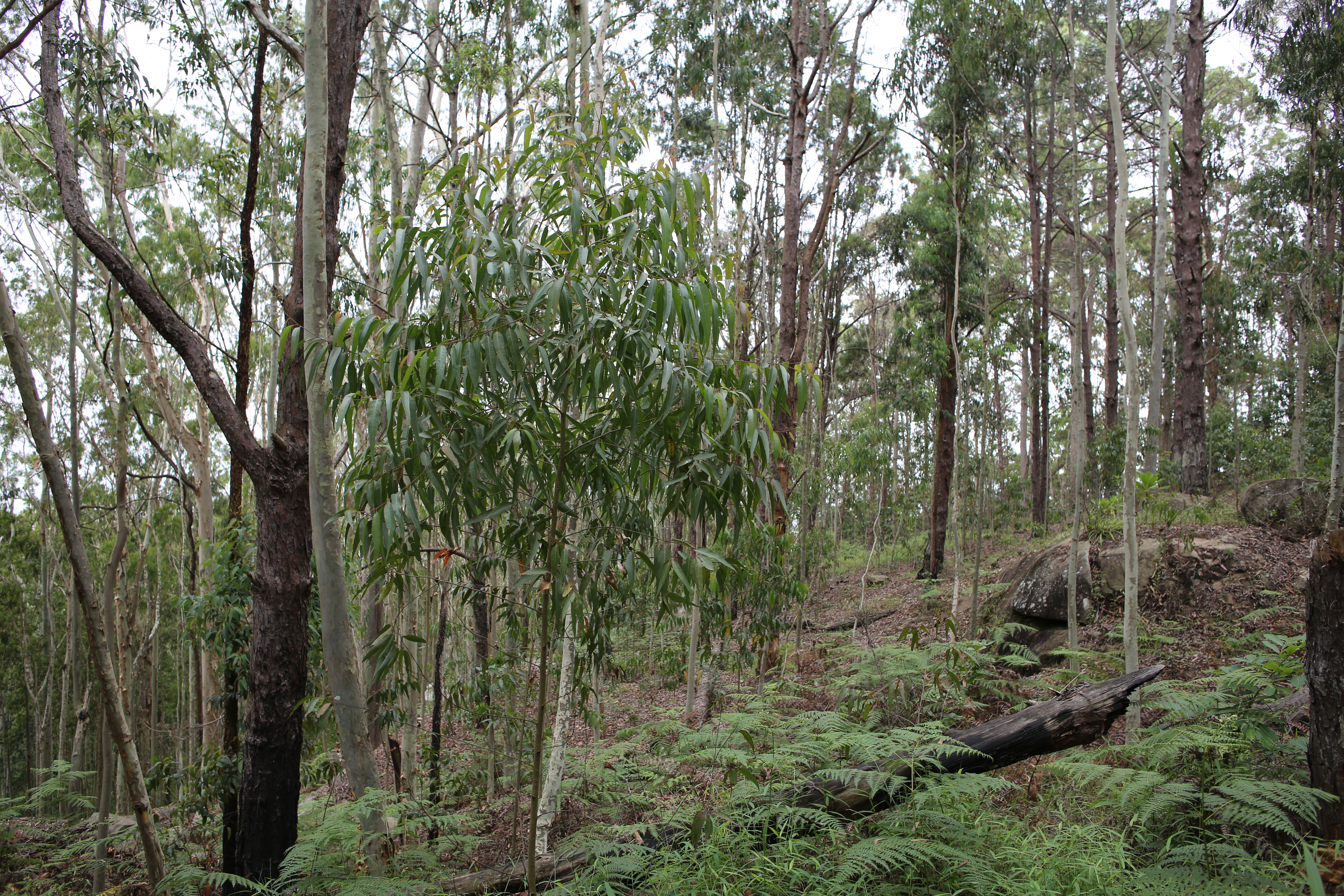
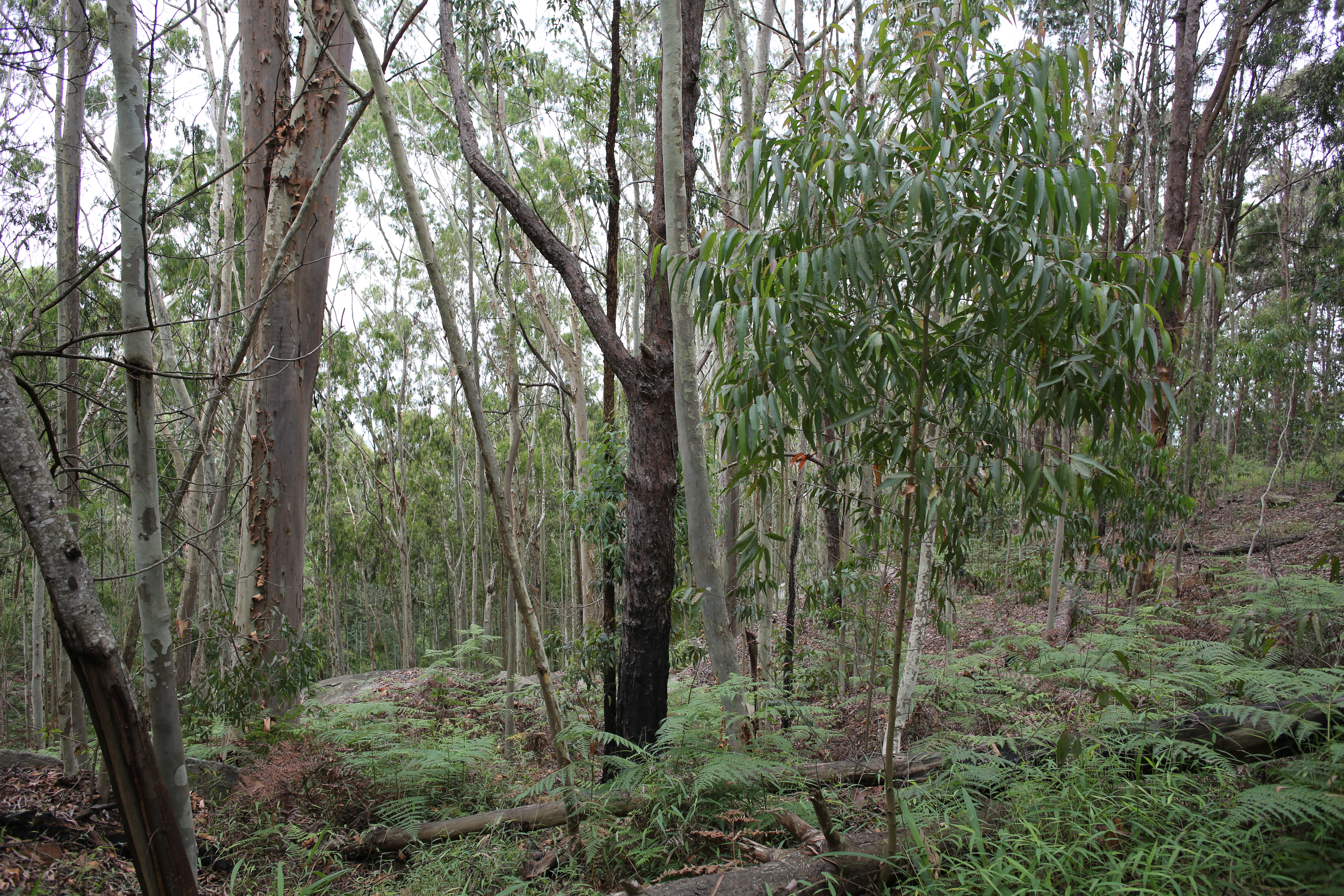
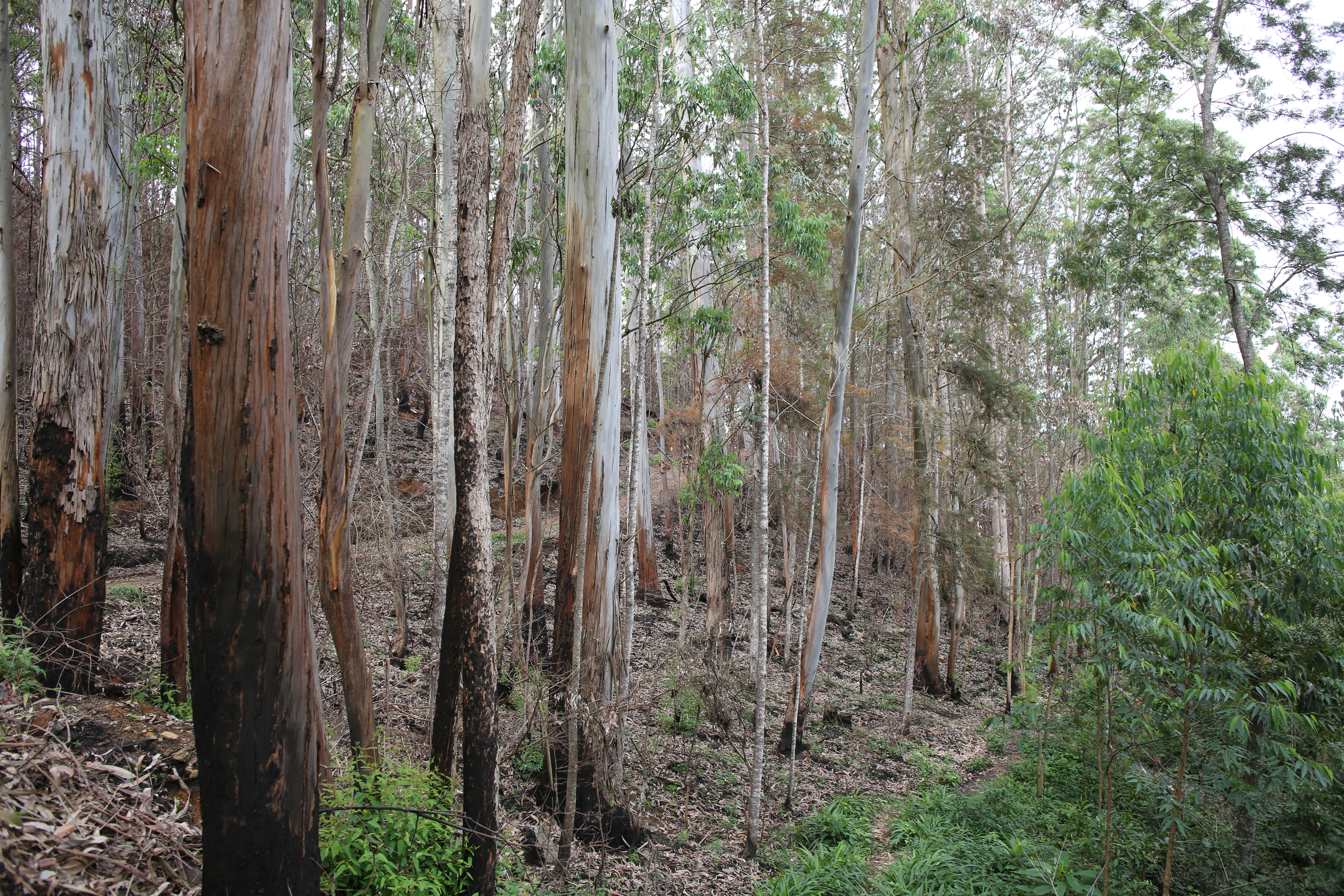
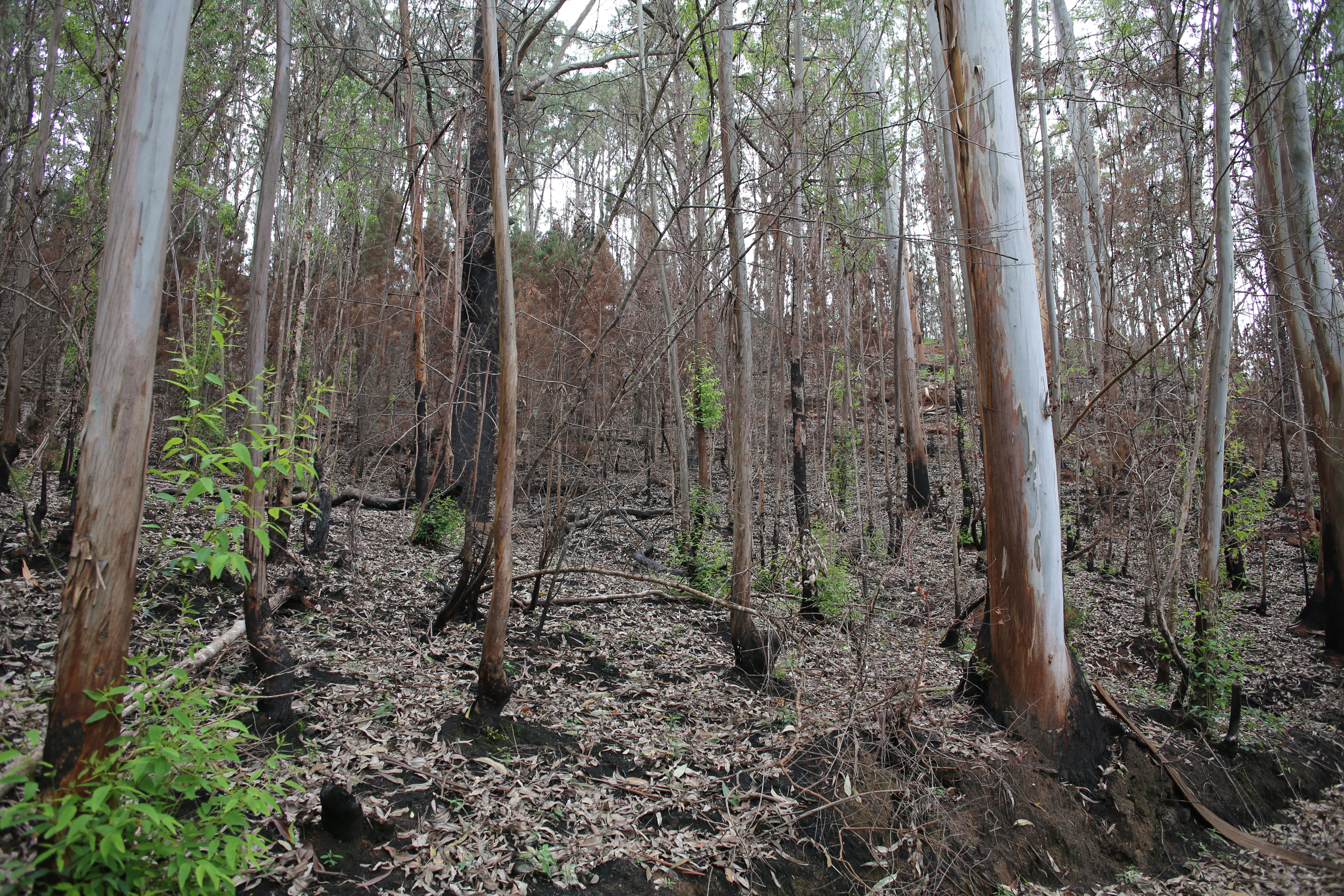
As there was too much rain in the area Andrew Wray began to clear indigenous forests and replace these forests with eucalyptus. It is hard to know all the reasons behind this. It was most likely done to get fast growing timber. Growing population needed timber for houses, furniture and other building material.
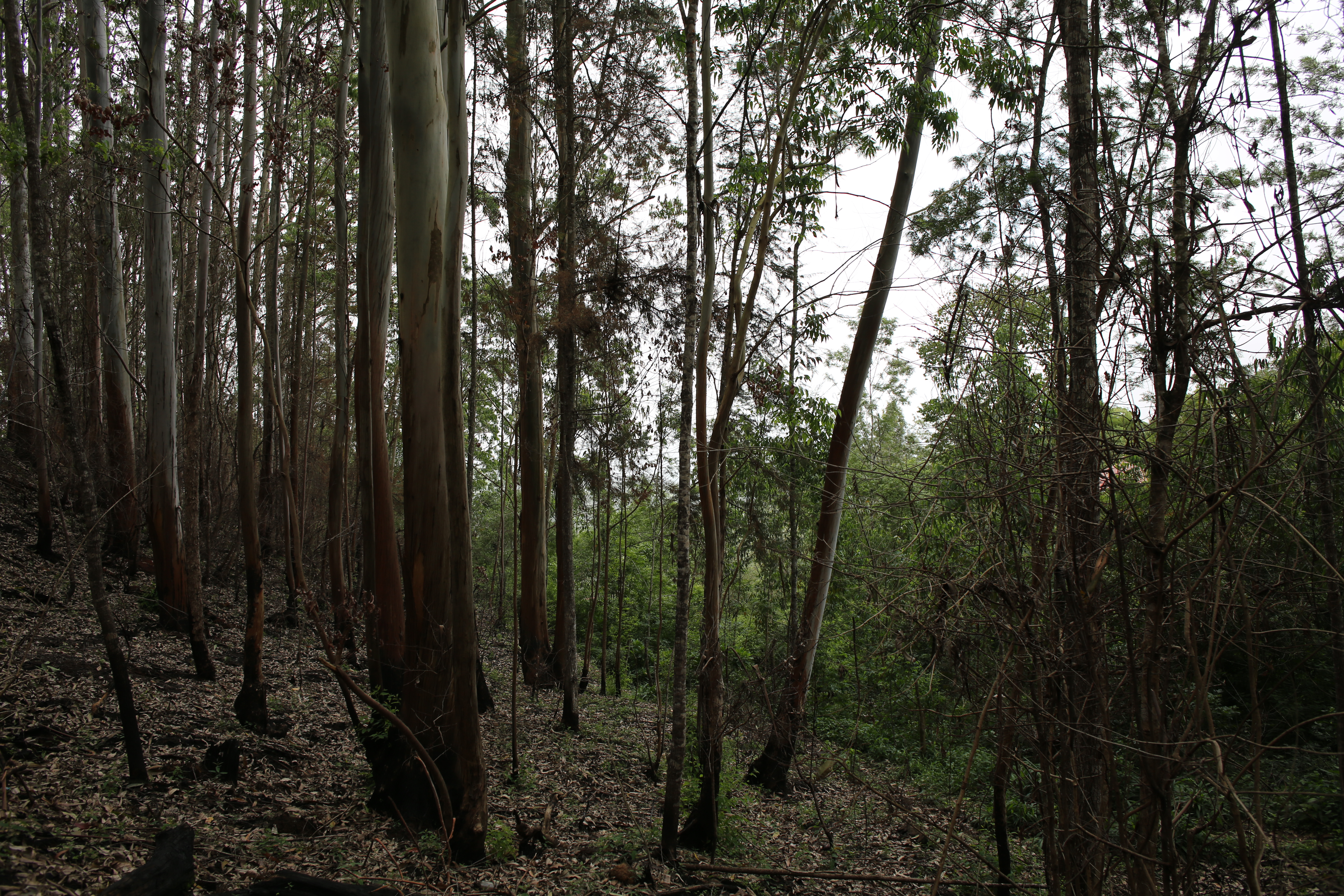
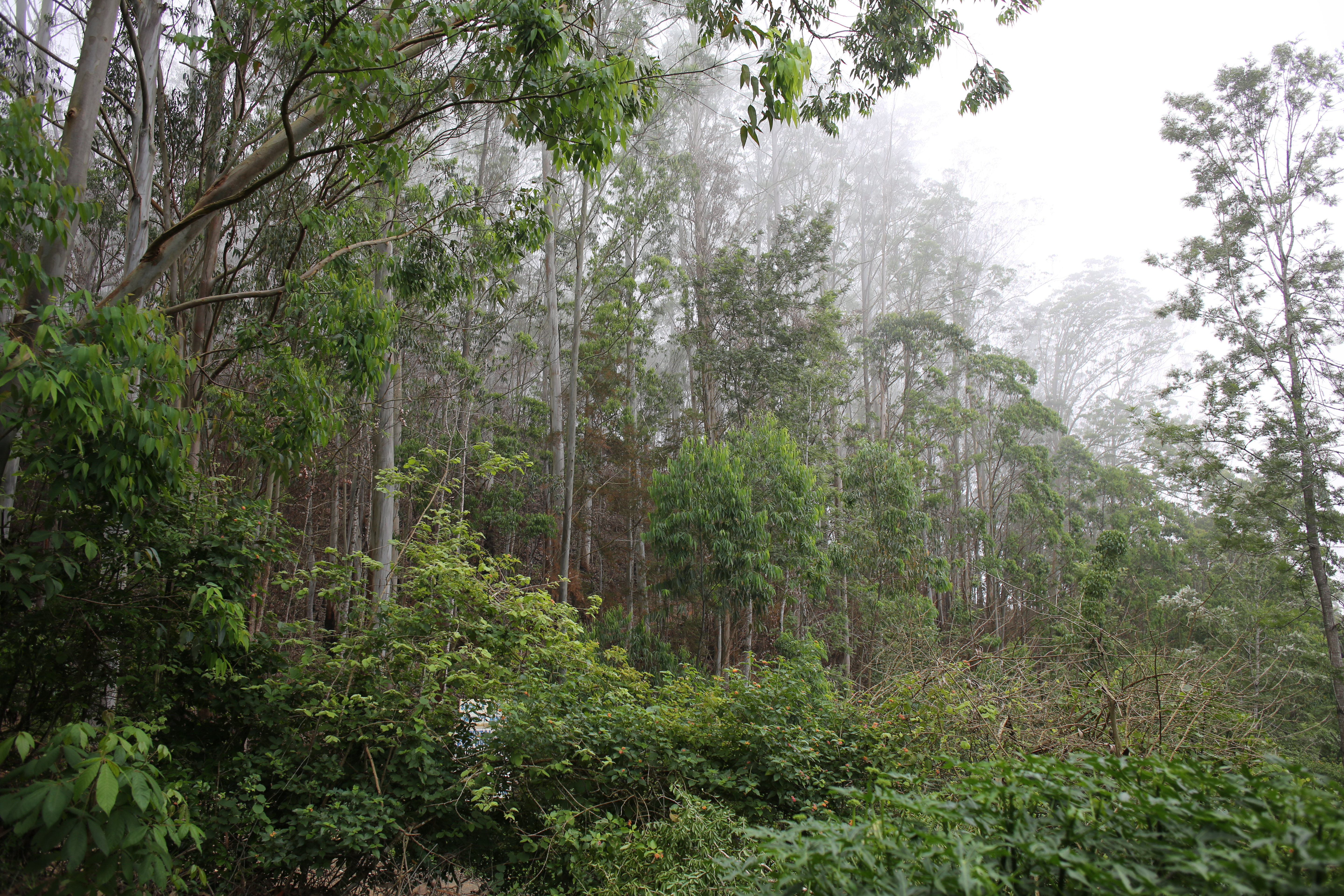
Now there is less than two hectares indigenous/mixed eucalyptus forest left in the whole Sagalla area. It was this tiny fragment where we searched for the tree hyraxes in vain. This remaining patch of forest is in the mountain side so steep that it is impossible to walk there. We were just standing above the forest.
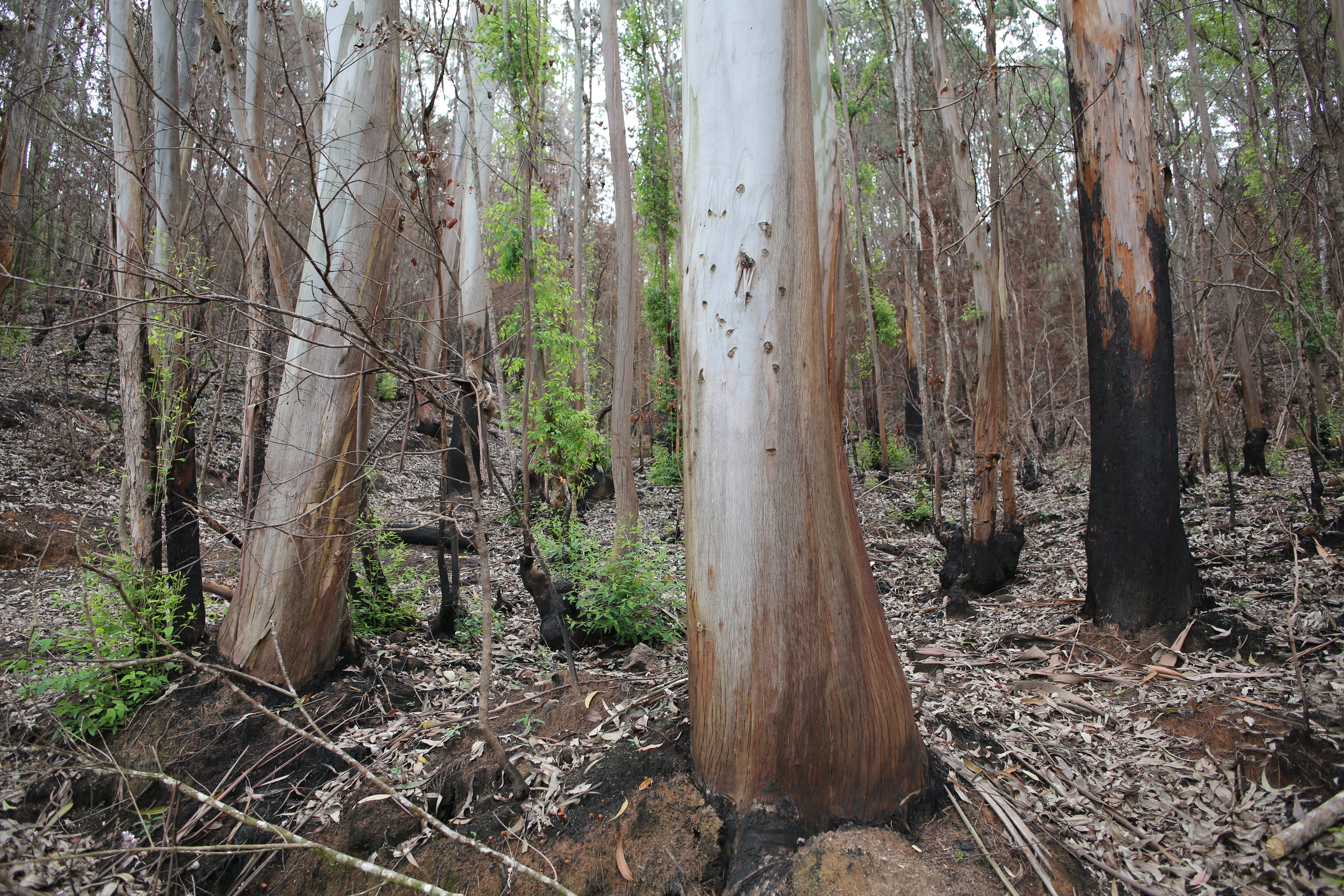
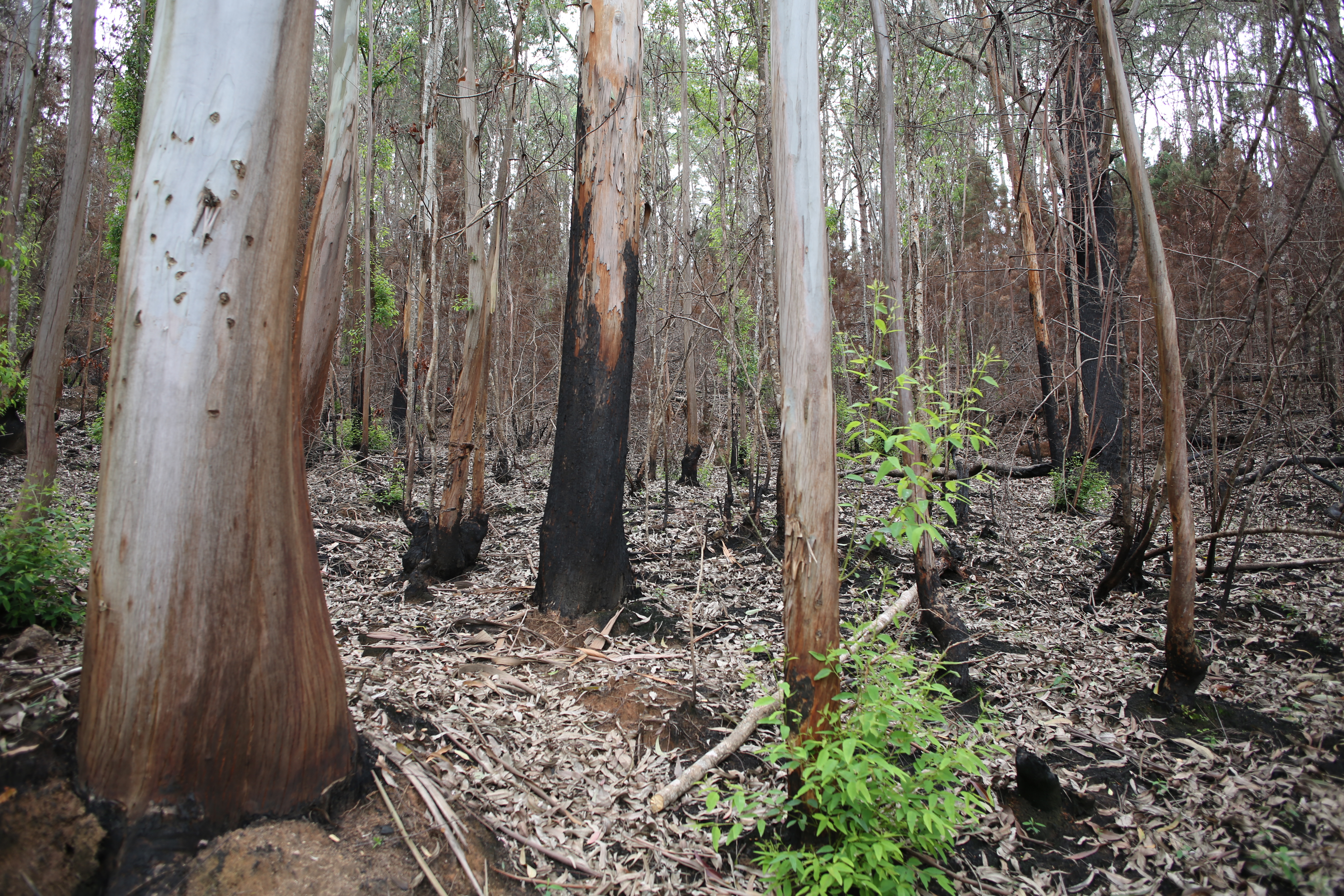
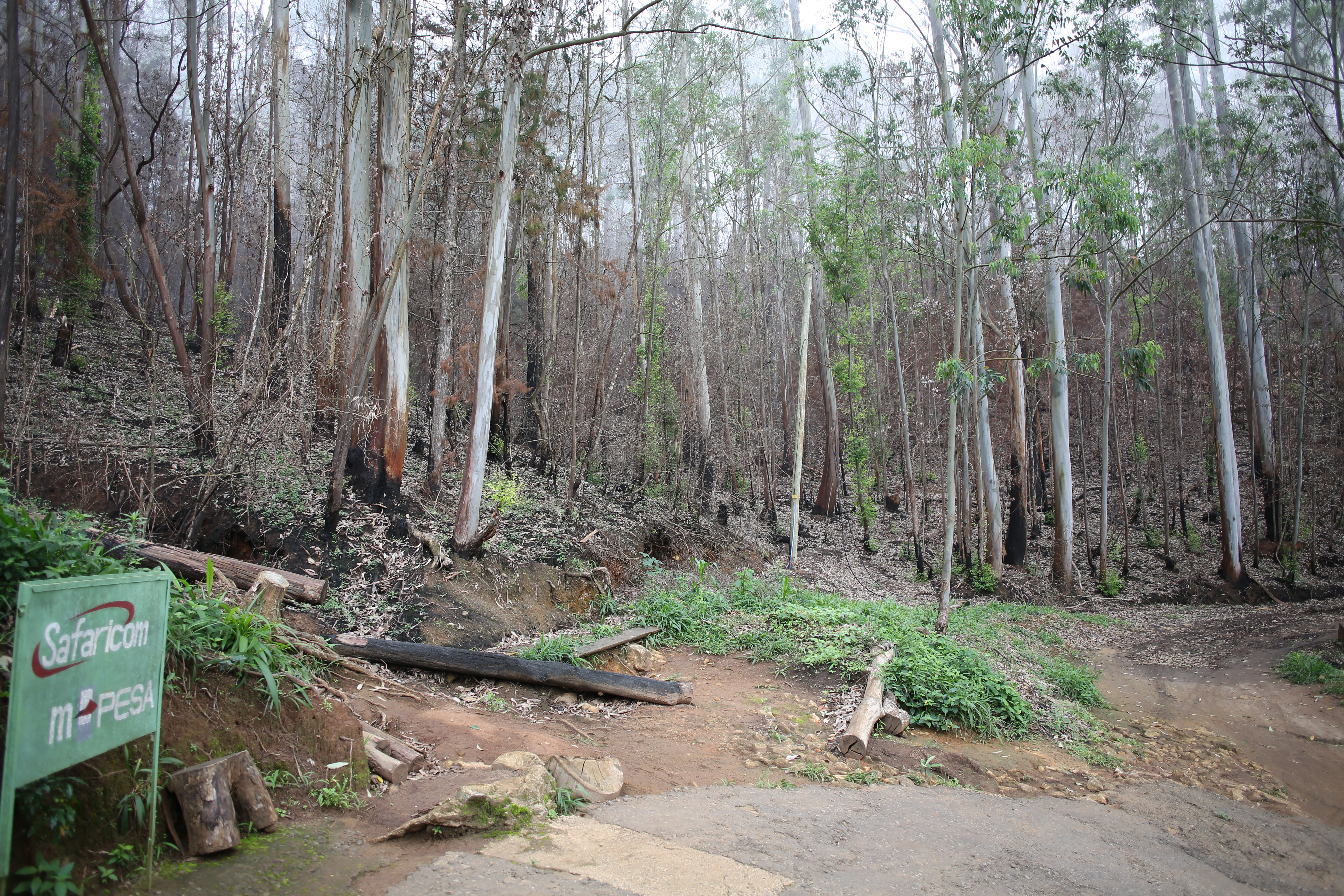
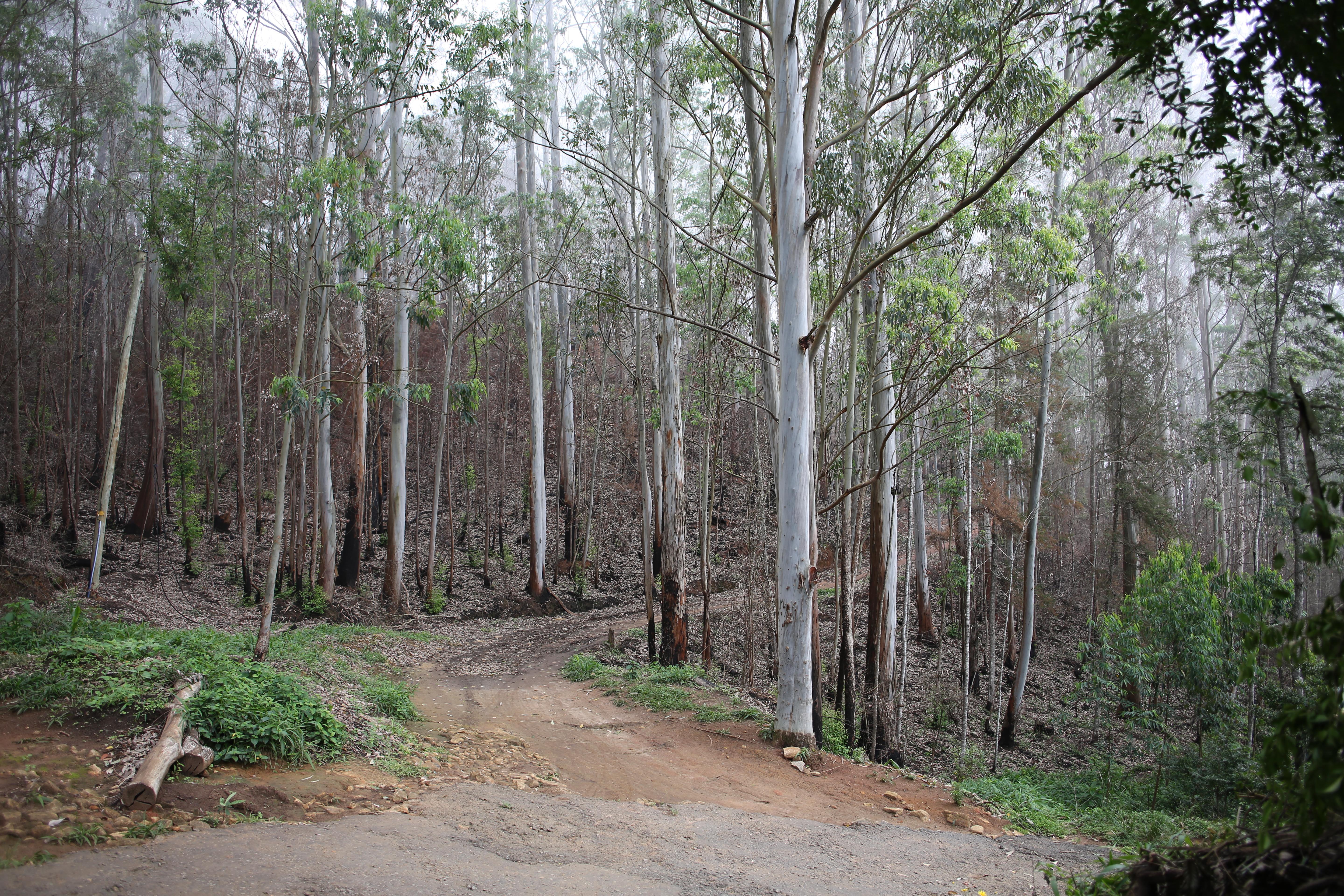
Eucalyptus has taken over most of the Sagalla hill. Eucalyptus forest is growing and spreading and there is no commercial use for it. It causes regular forest fires, that are completely unnatural for the area.
Local fauna has been almost entirely wiped out, as there are no species that can live in eucalyptus forests in east Africa. We did saw some birds and we heard greater galagos (Otolemur garnettii) that has adapted to village life.
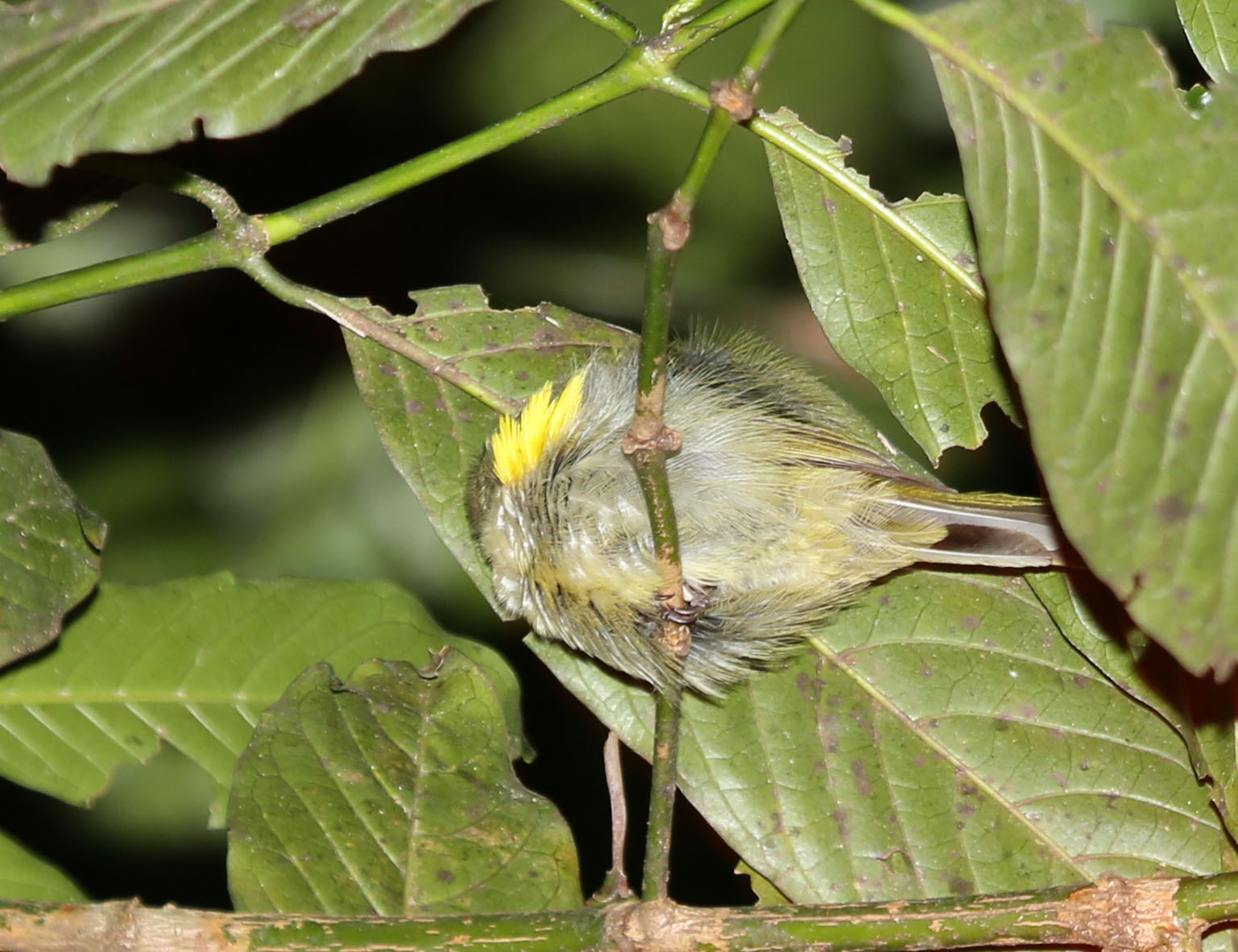
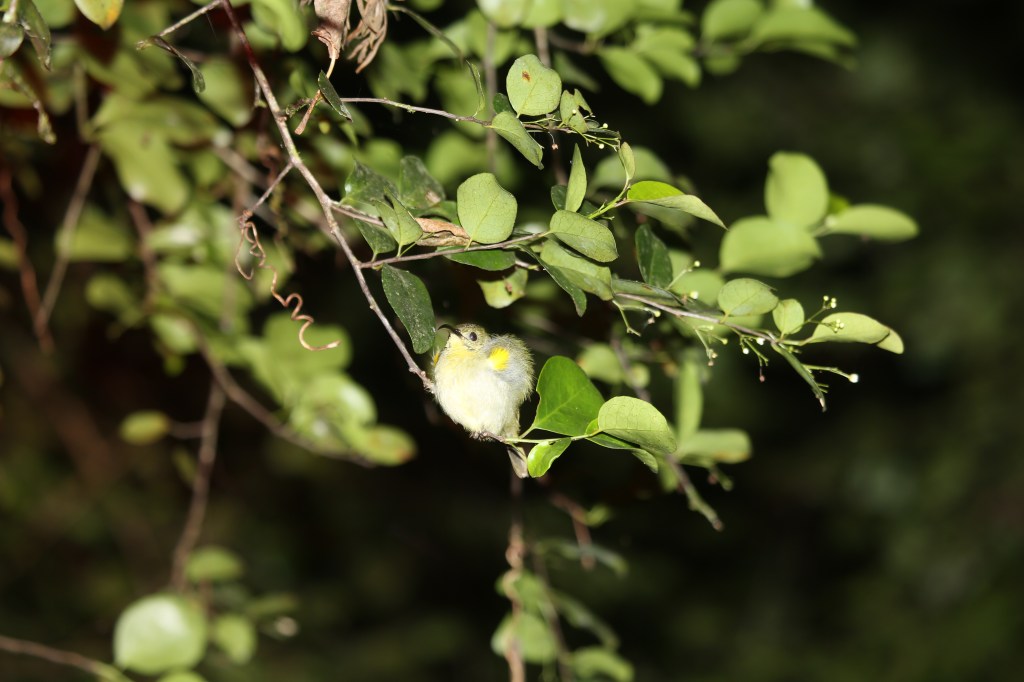
Sleeping sunbird
One famous endemic animal is Sagalla caecilian (Boulengerula niedeni) that was found 2005, and it is endangered.
We were told that local people contacted grandchildren of Andrew Wray and asked for their help in the massive problem with eucalyptus. They tried to help, but problem with the eucalyptus remains.
Eucalyptus is very strong competitor, it takes out water and nutrients from the soil. It spreads so efficiently that it can not be cleared by manual work. Also native flora and fauna have already been gone for almost hundred years, getting them back would take a long time.
However I am sure that this is clear problem, that could be solved with modern technology and money available for battle against climate change.
This rare footage shows Taita tree hyrax feeding and moving in the indigenous forest of Taita Hills 2020. Filmed by Benson Lombo, edited by Hanna Rosti.




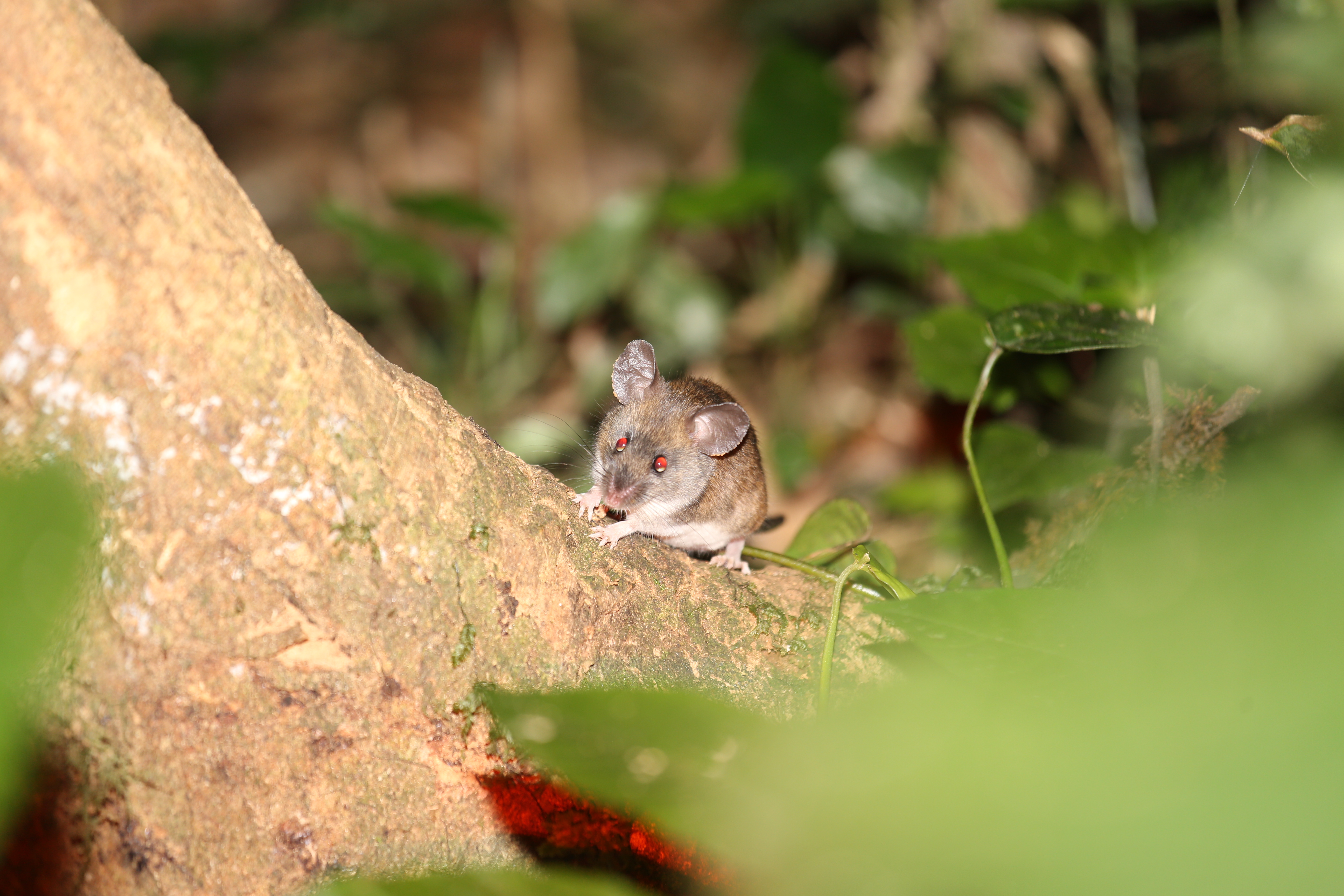
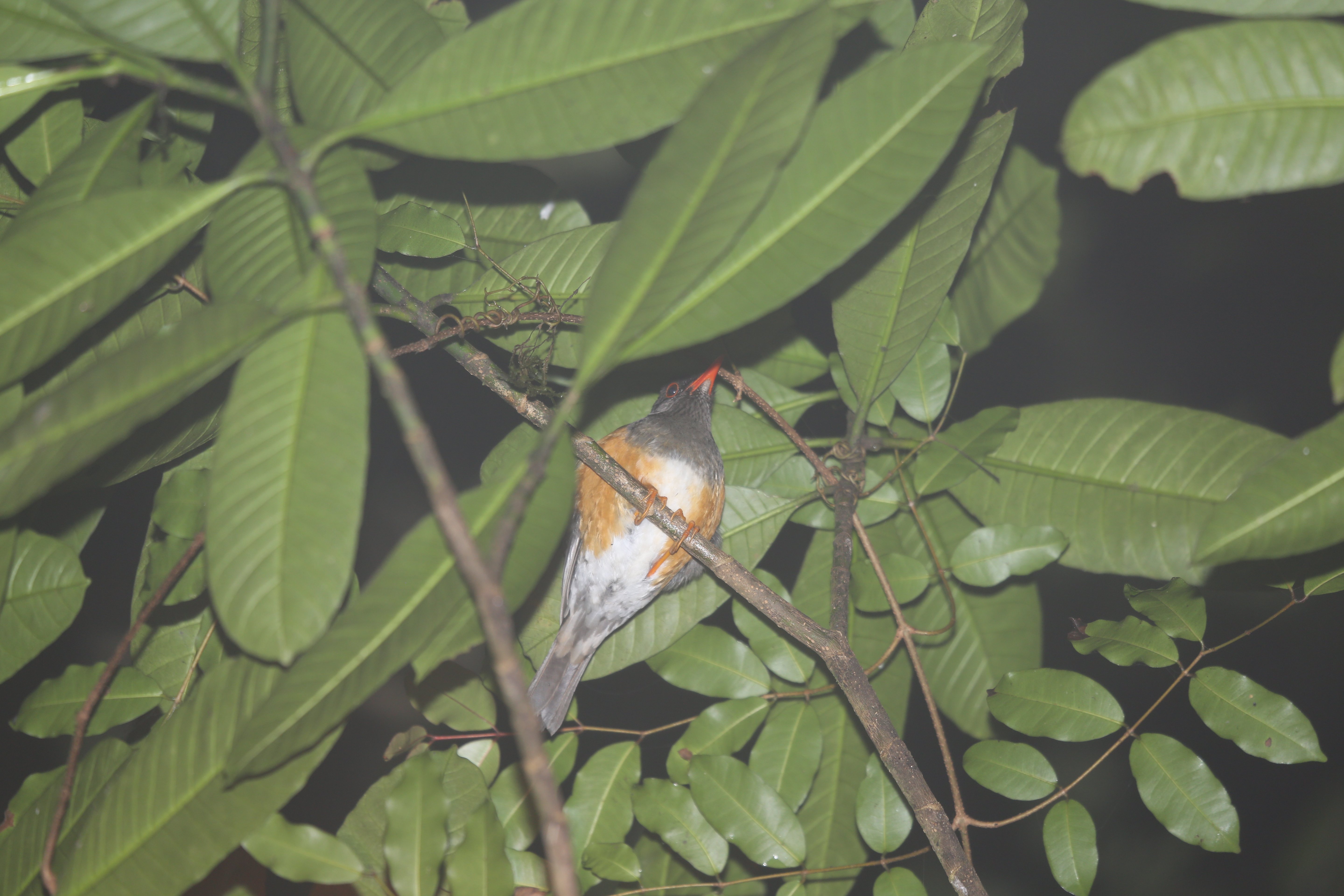
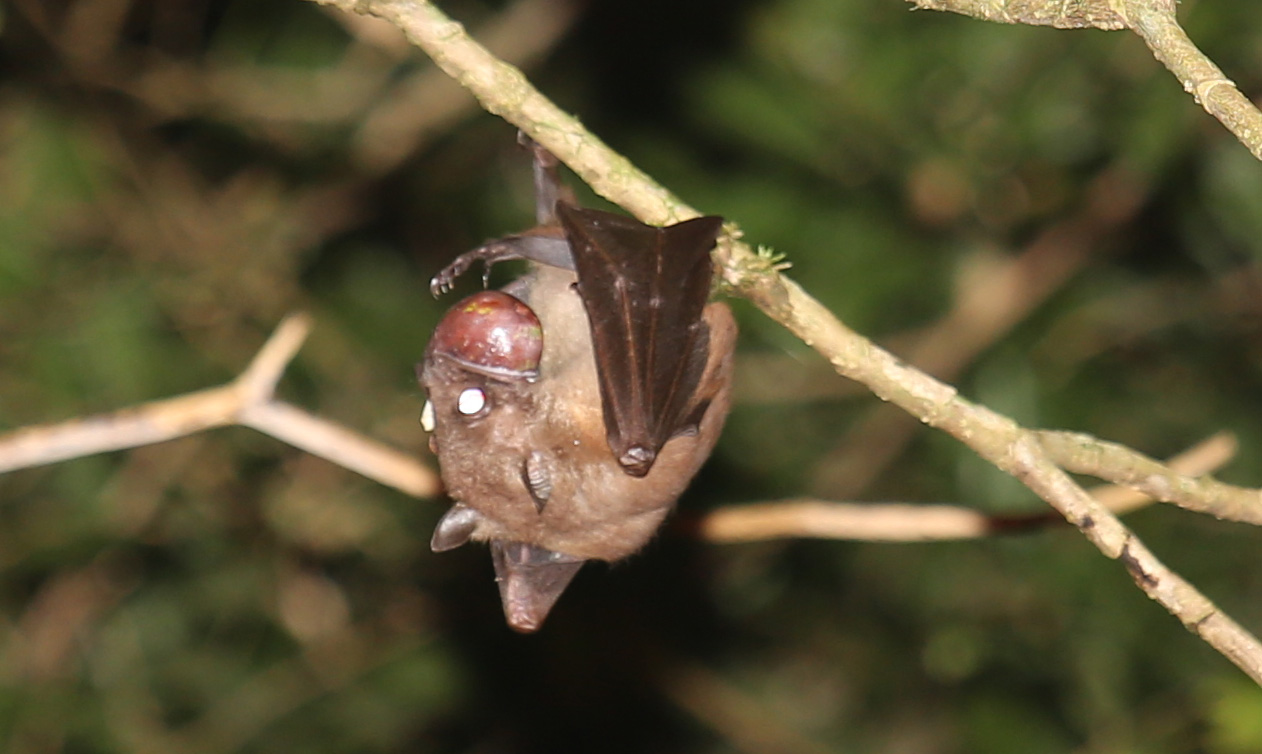
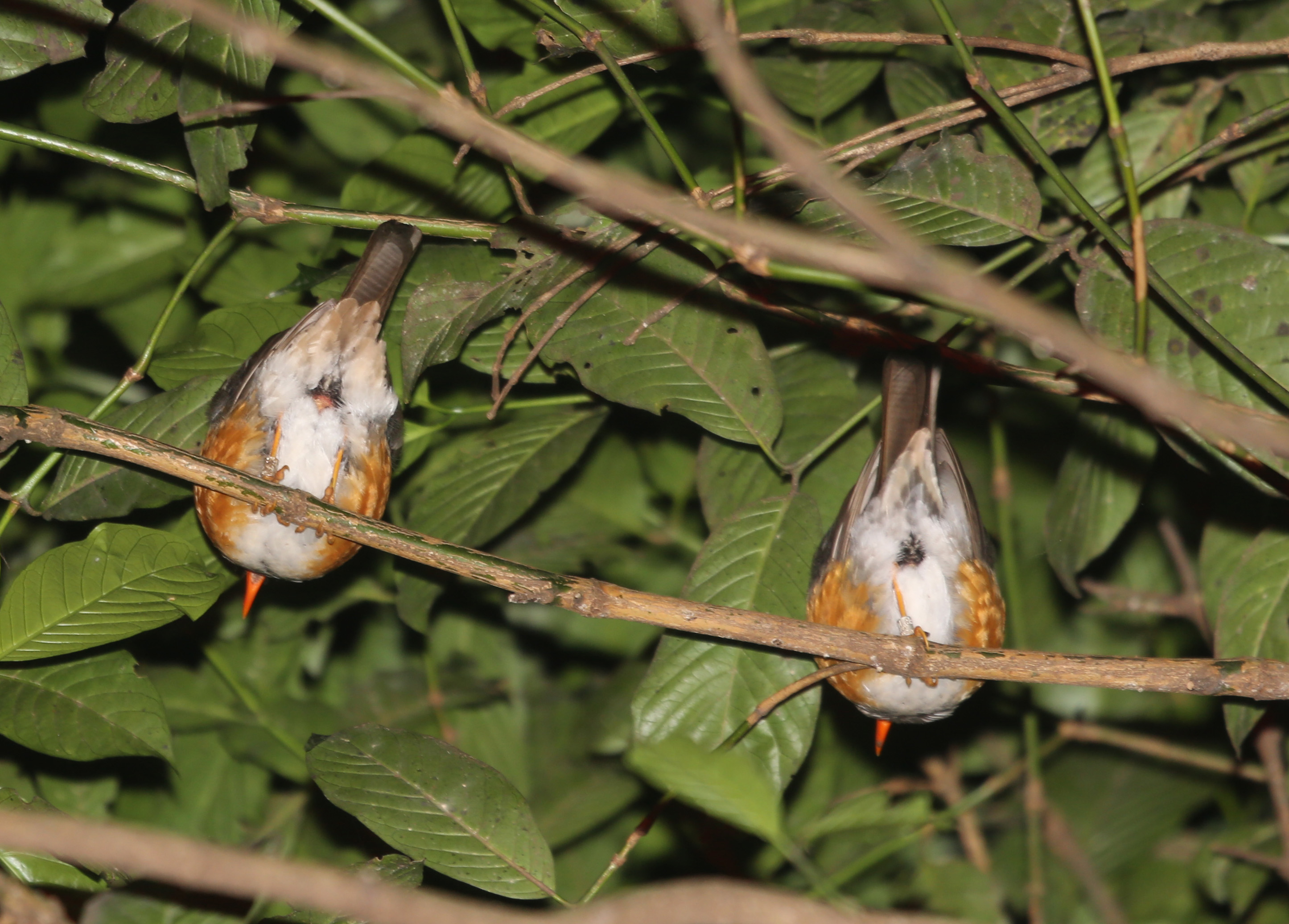

 Animals of Taita, Kenya