Tag: biodiversity

  • Conservation of Mbololo and Ngangao Forests

    Conservation of Mbololo and Ngangao Forests

    Text and photos Hanna Rosti 2022

    Two remaining “larger” forests in Taita Hills are Mbololo 180 ha and Ngangao 120 ha. Taken together these forests are only three square kilometers in size.
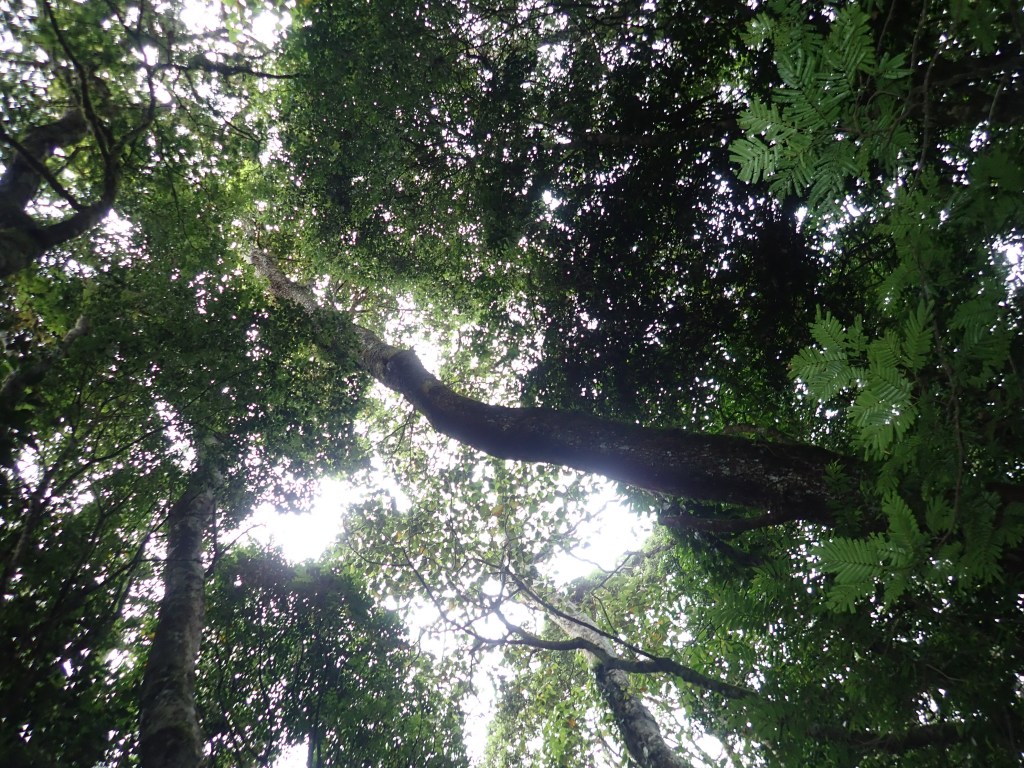
    View to the canopy in Mbololo Forest

    But they are full of amazing forms of life. Many (most) of them critically endangered, as their habitat, indigenous cloud forest has been almost entirely lost from Taita Hills.

    These remaining forests could be made national park, as their biodiversity is astounding. Value of these forests as water towers and biodiversity hot spots are priceless.
    

    Threats for Ngangao and Mbololo Forests

    1. Even thought these forests have been conserved in some level they do still deteriorate due to human activities: harvesting of firewood, some (not much) illegal logging, and poaching.
    2. Reduction of rainfall. Previously large cloud forests would draw and collect moisture, and this rainfall would deliver water to large areas surrounding the Taita Hills. Now these small forest fragments don’t have that kind of rainfall pull they used to have.
    3. Edge effects, these are tied to both previous reasons for the deterioration of the forests. As these forests are small, and particularly Ngangao is very narrow, the forest that remains most intact, protected from edge effects is small. People come in from the edges, and this is where most damage is done.
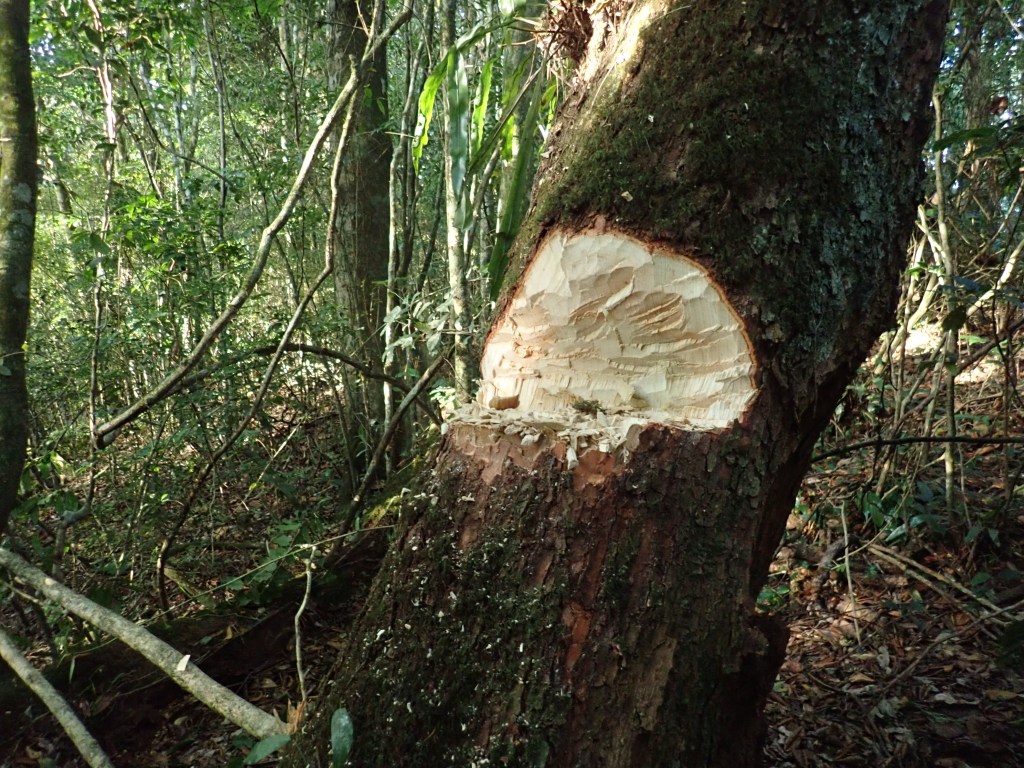
    Ocotea usambarensis tree being cut illegally in January 2022. This tree doesn’t reproduce anymore in Taita Hills. It may have lost its pollinator. Only few Ocoteas remain in Taita Hills, as timber is very valuable and bark has medicinal properties.
    Ngangao Forest from Google Earth satellite image in April 2022. Forest is narrow, and only about 100 meters wide in the most narrow parts. Forest animals are isolated to this forest like island in the sea. They have no changes of dispersal to the other forests. It is possible that forest will simply dry out.

    Means for conservation:

    1. Increasing number of indigenous trees in all Taita Hills. Naturally increasing the size of the forest would have biggest impact, but any and all indigenous trees growing in local peoples land would be important addition.
    2. Protection of the forests from firewood collection. It is very difficult to draw the line what is too much firewood collection. These forests are in such a state, that they should be conserved entirely. There are other means of cooking available. Sometimes firewood collection may be consequence of poverty, but to my understanding in these days it is more often result of doing things the way they were done before, some dishes taste better when cooked with wood (at least that is what people believe).
    3. Increase in ecotourism. If these forests are conserved with their amazing species, galagos, tree hyraxes and endemic birds, they can be magnificent source of income to local people. This could provide number of different job opportunities. I have written a article about that: Enigmatic nocturnal mammals of Taita Hills and their potential role in sustainable eco-tourism Naturally, if these forests and their animals are lost, so is the opportunity for ecotourism.
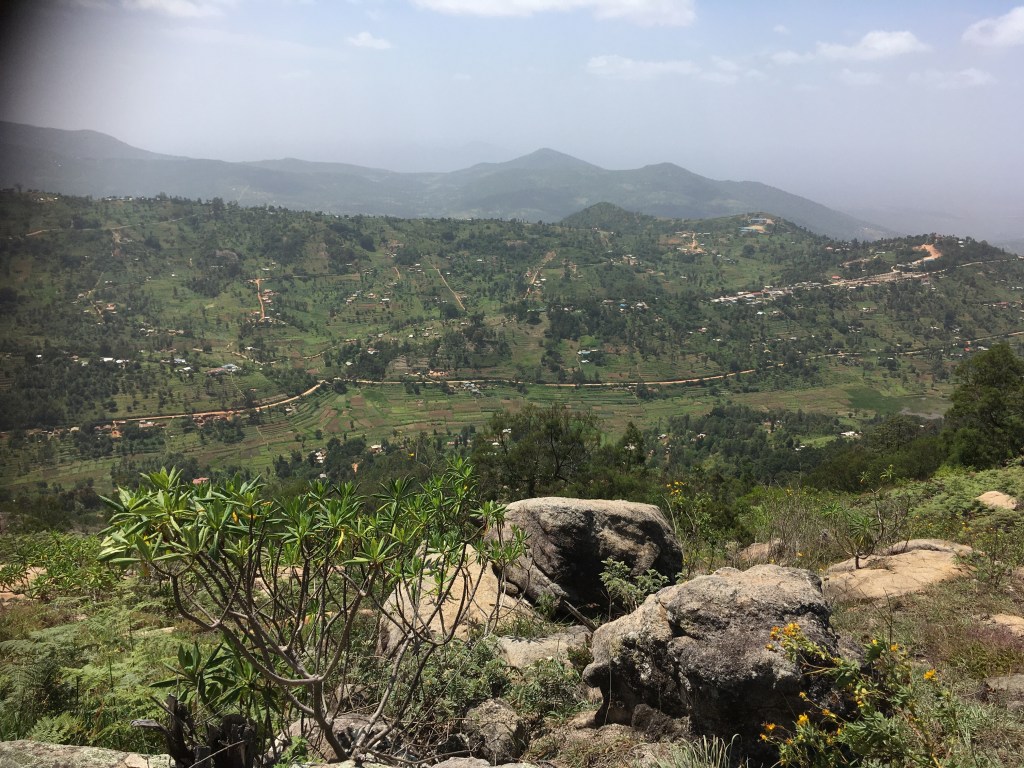
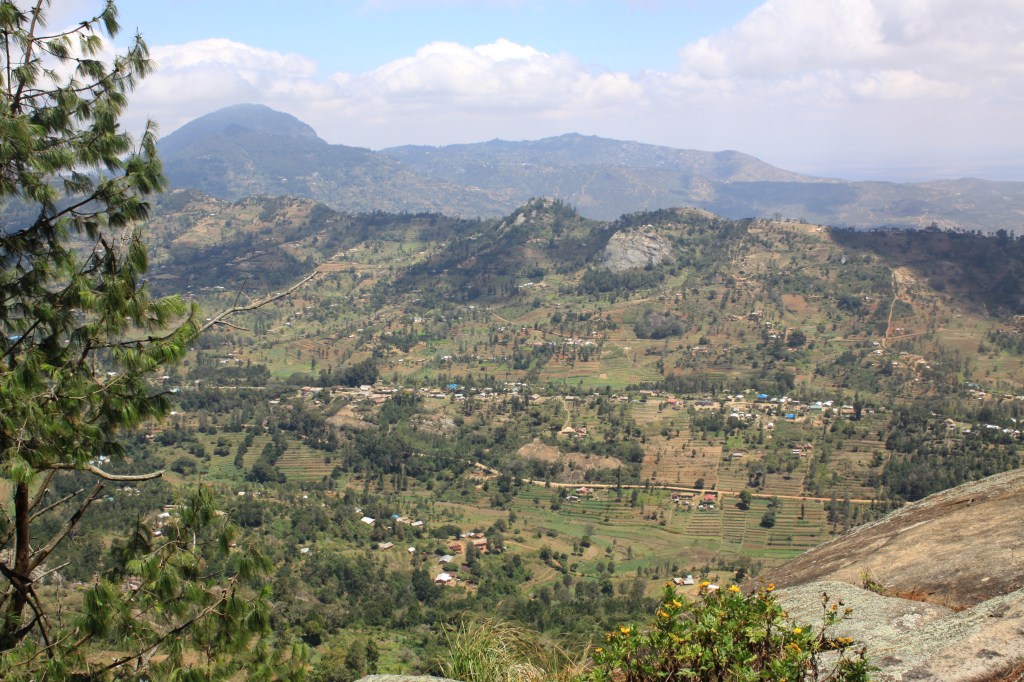
    View from top of Nganagao Forest. All these hills used to be covered with 30 million year old forests.

    Biodiversity hot spots

    Biodiversity of fauna and flora in the Mbololo and Nganago forests is perhaps higher than anywhere else in the world. Gigantic trees, eg. Pauterias can reach 50 meters.

    Key tree species in these forests are e.g. Tabernaemontana stapfliana, Pouteria adolfi-friedericii and Macaranga capensis.
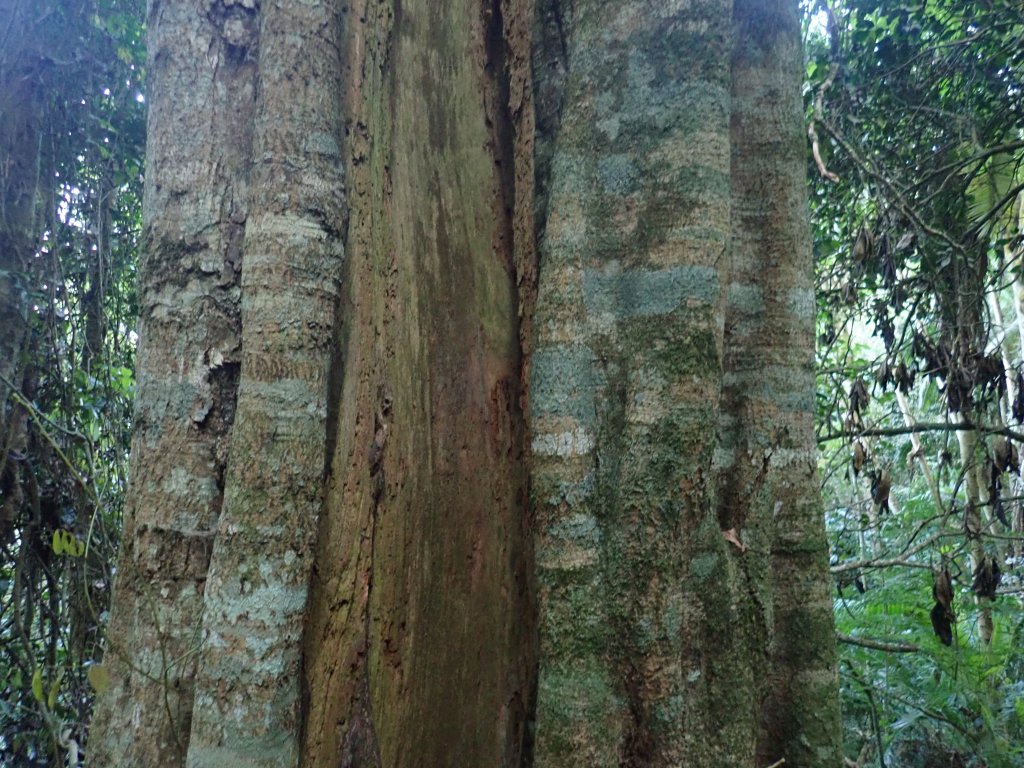
    Trunk of Pouteria adolfi-friedericii

    These trees support life in all their levels and these forests are like cities with skyscrapers where each floor have their own inhabitants and families.

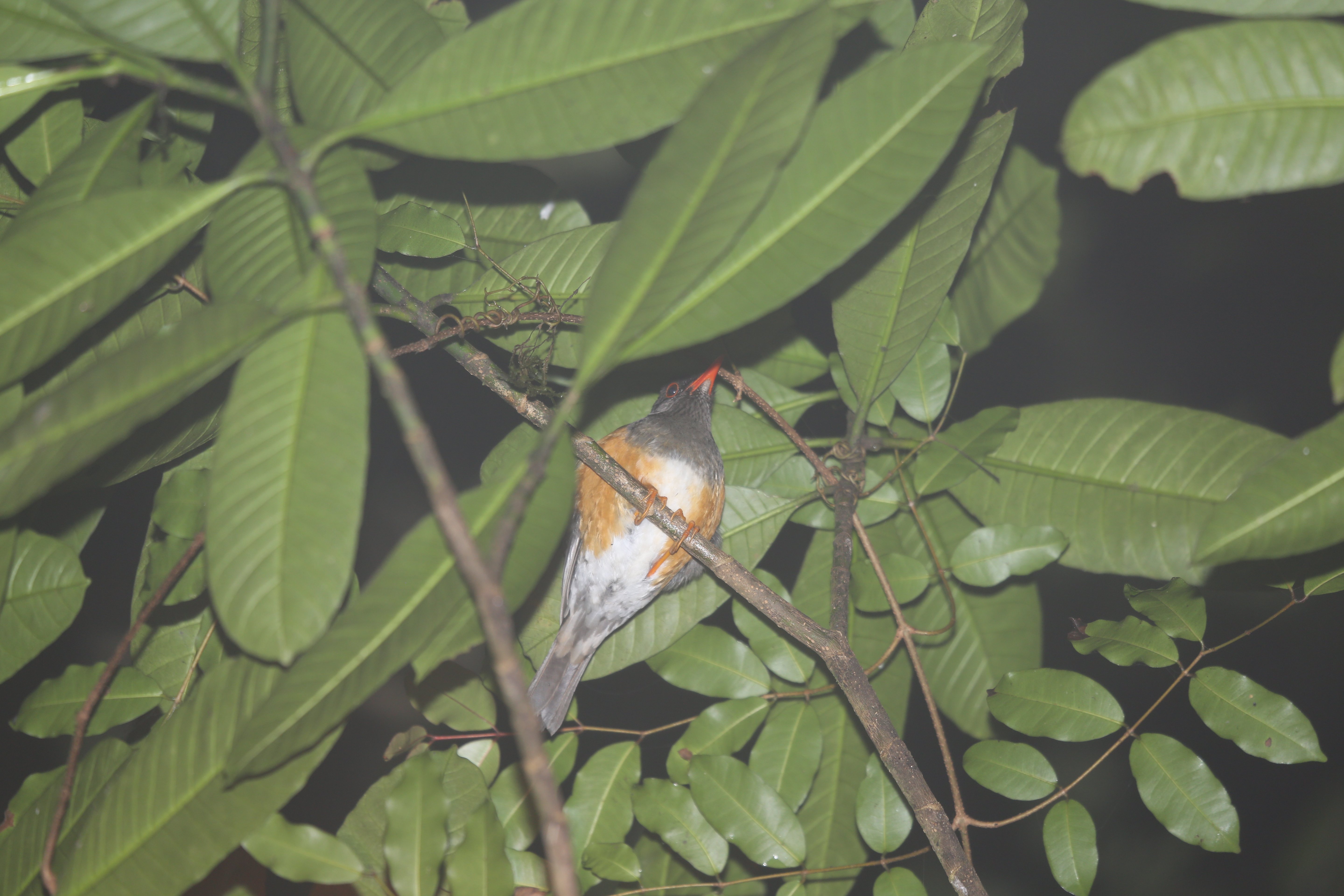
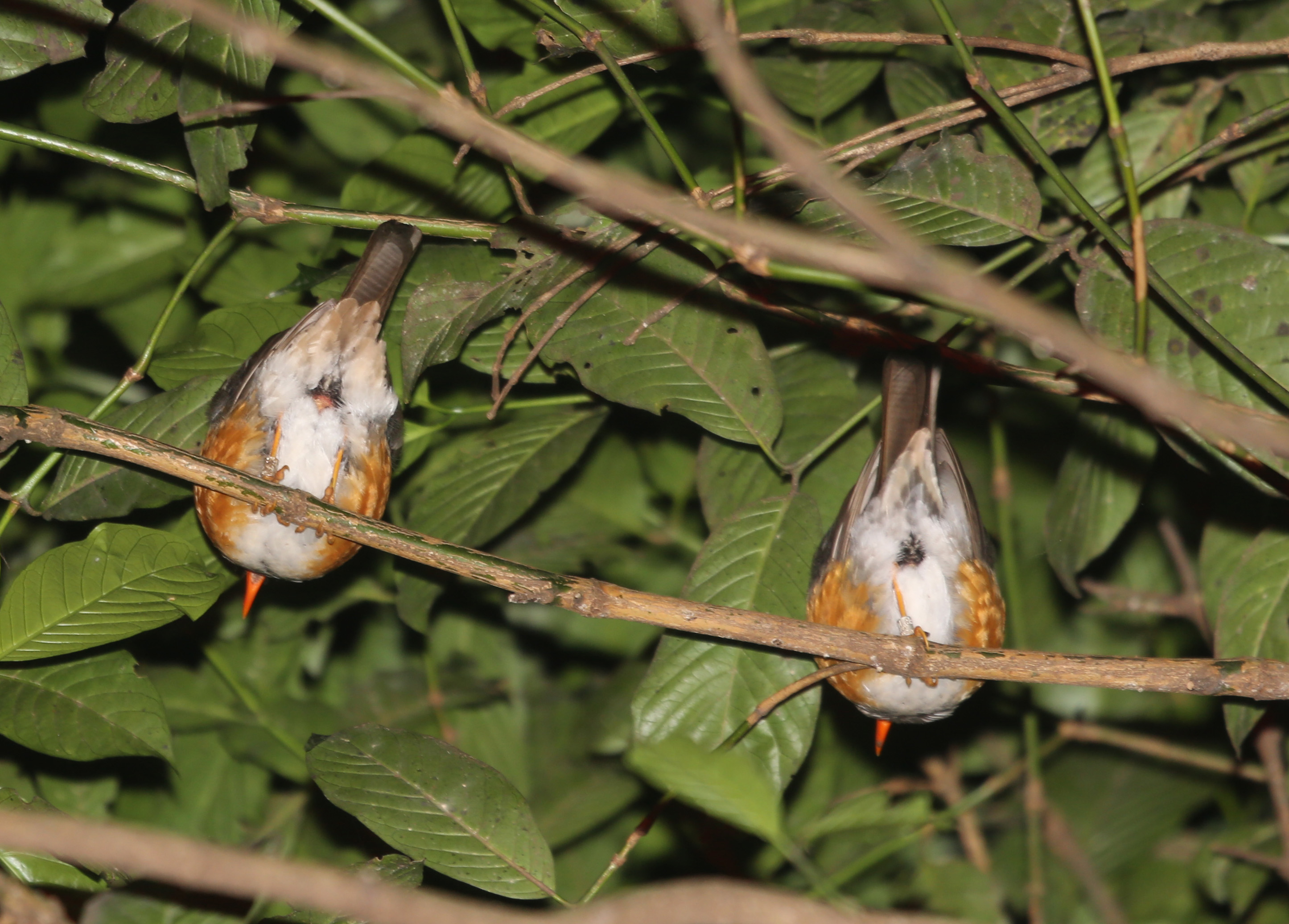
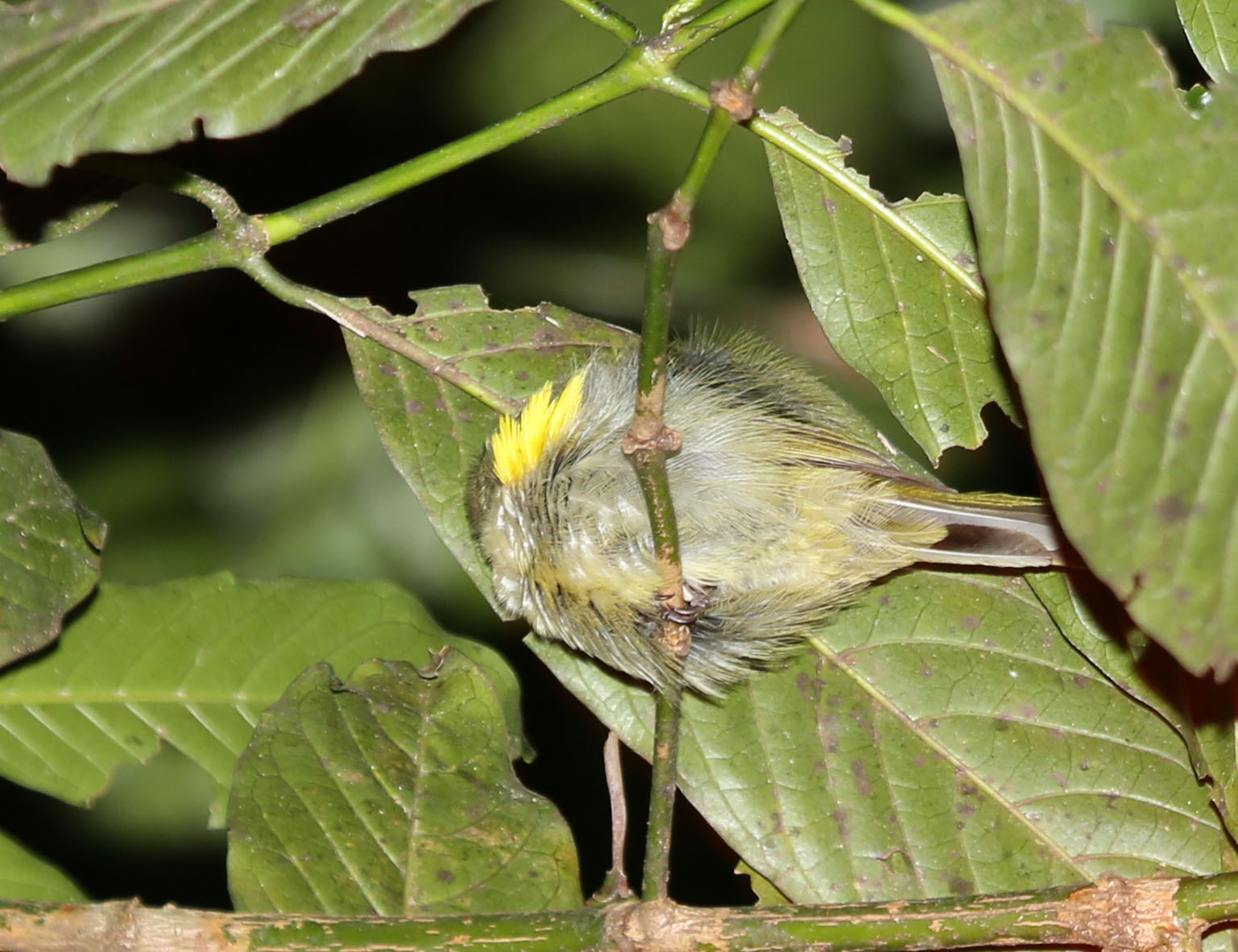
    Taita Hills is famous of the endemic birds, these include Taita trush and Taita apalis. Unfortunately especially Taita apalis is declining.
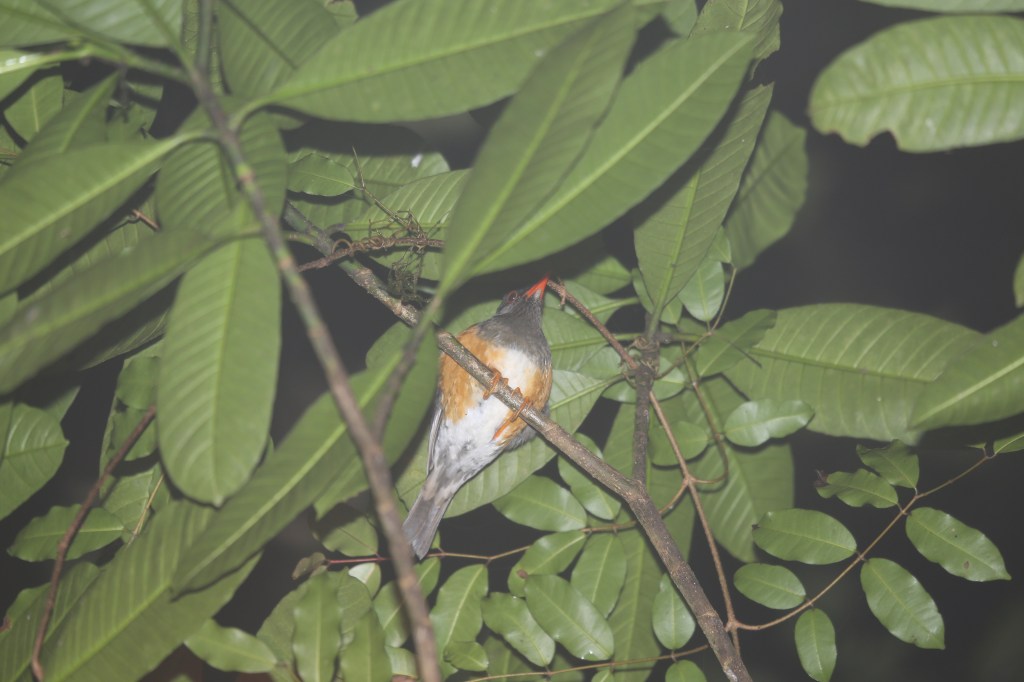
    Taita trush at night

    Harlaubs turaco is commonly seen and even more often heard in the forest. With its black and red colouring and calls that I often confuse with sykes monkeys calls it is fascinating bird.

    Butterfly and moth biodiversity is also amazing. Ngangao peaks are amazing sites to follow butterfly topping. Butterflies, some large like birds, in all colors fly playfully competing with one another over the top over and over again. That is truly fascinating to watch.
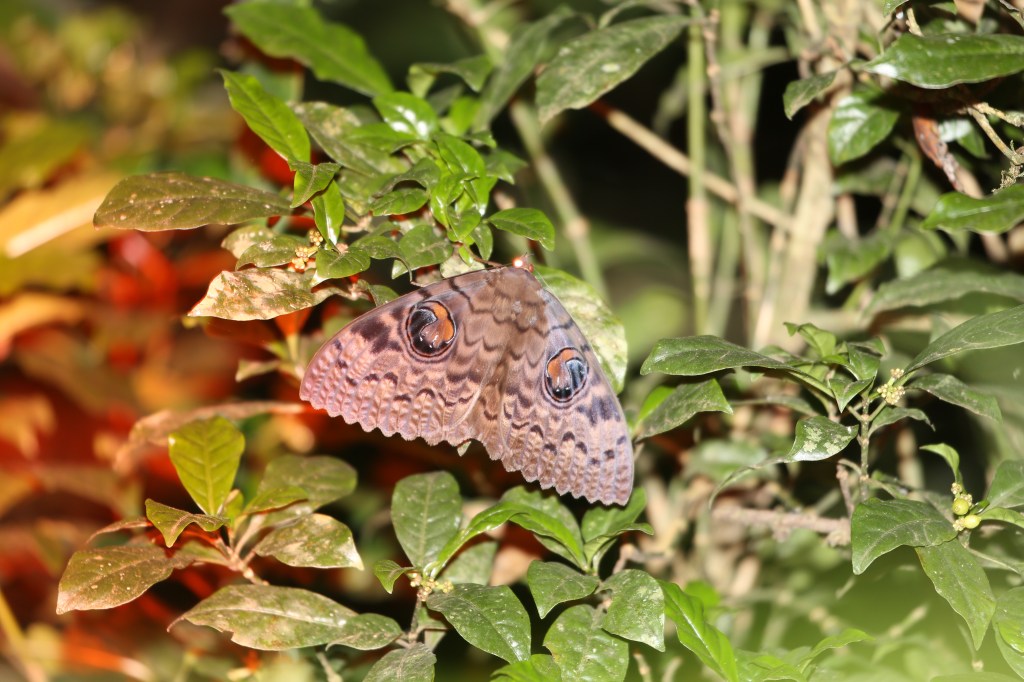
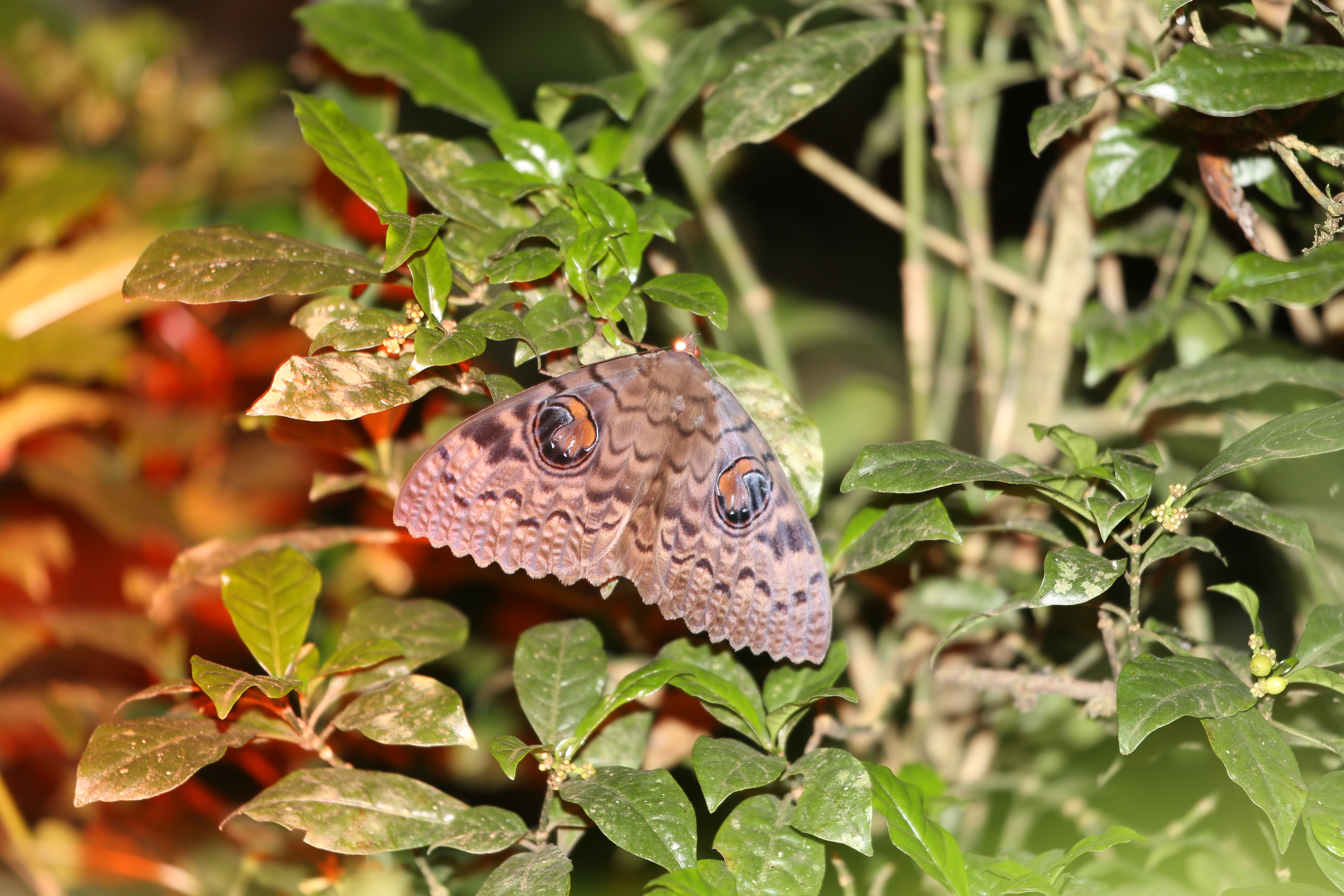
    Erebus walkeri, large moth that lives in Mbololo and Ngangao

    Biodiversity of nocturnal mammals

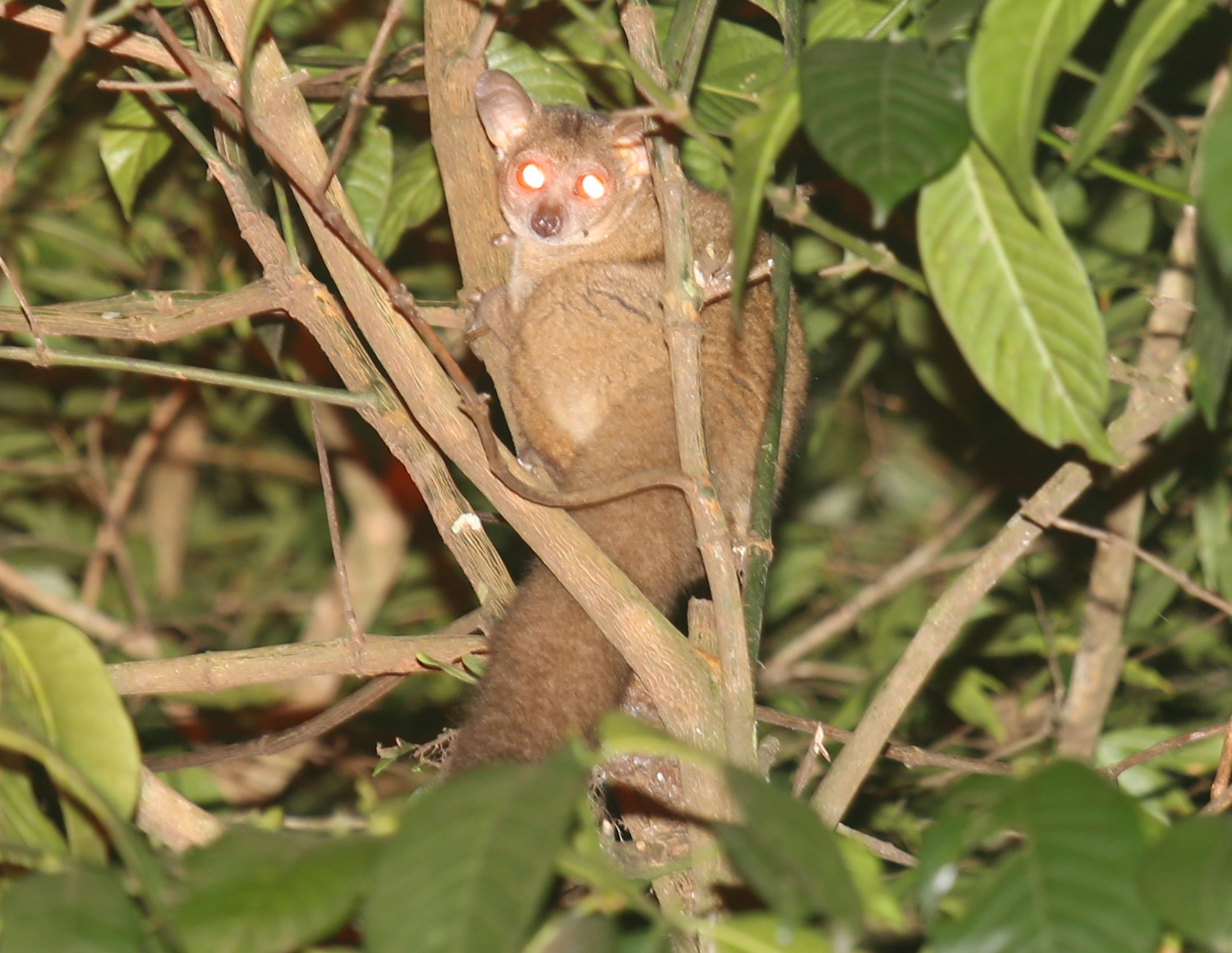
    Nocturnal mammals, that no-one can not avoid to hear in the forests of Taita Hills are Taita tree hyrax (Dendrohyrax sp.) and small eared greater galago (Otolemur garnettii).
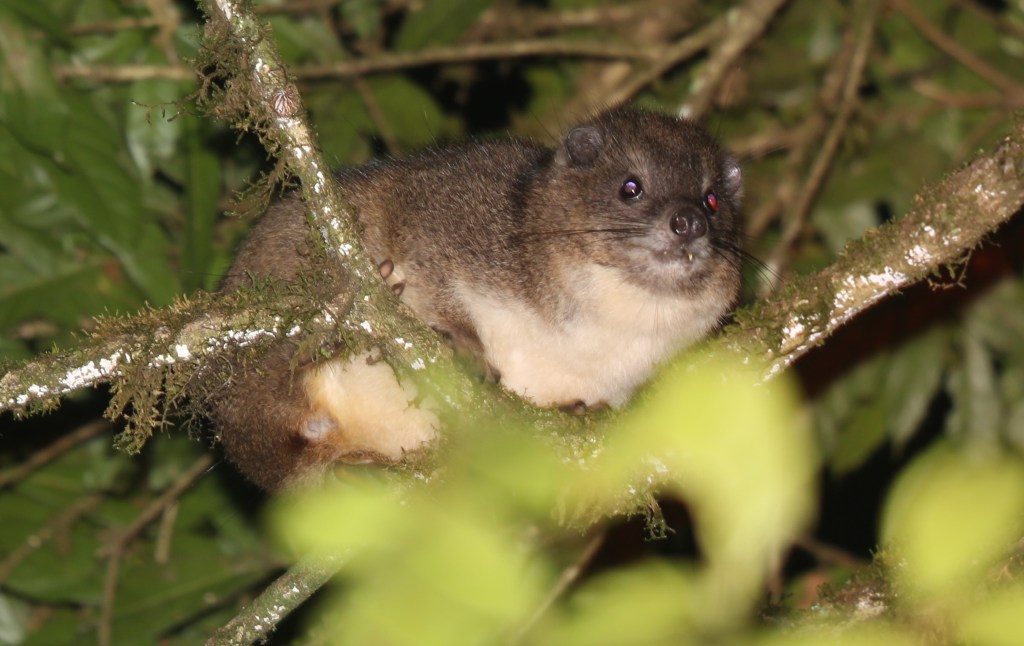
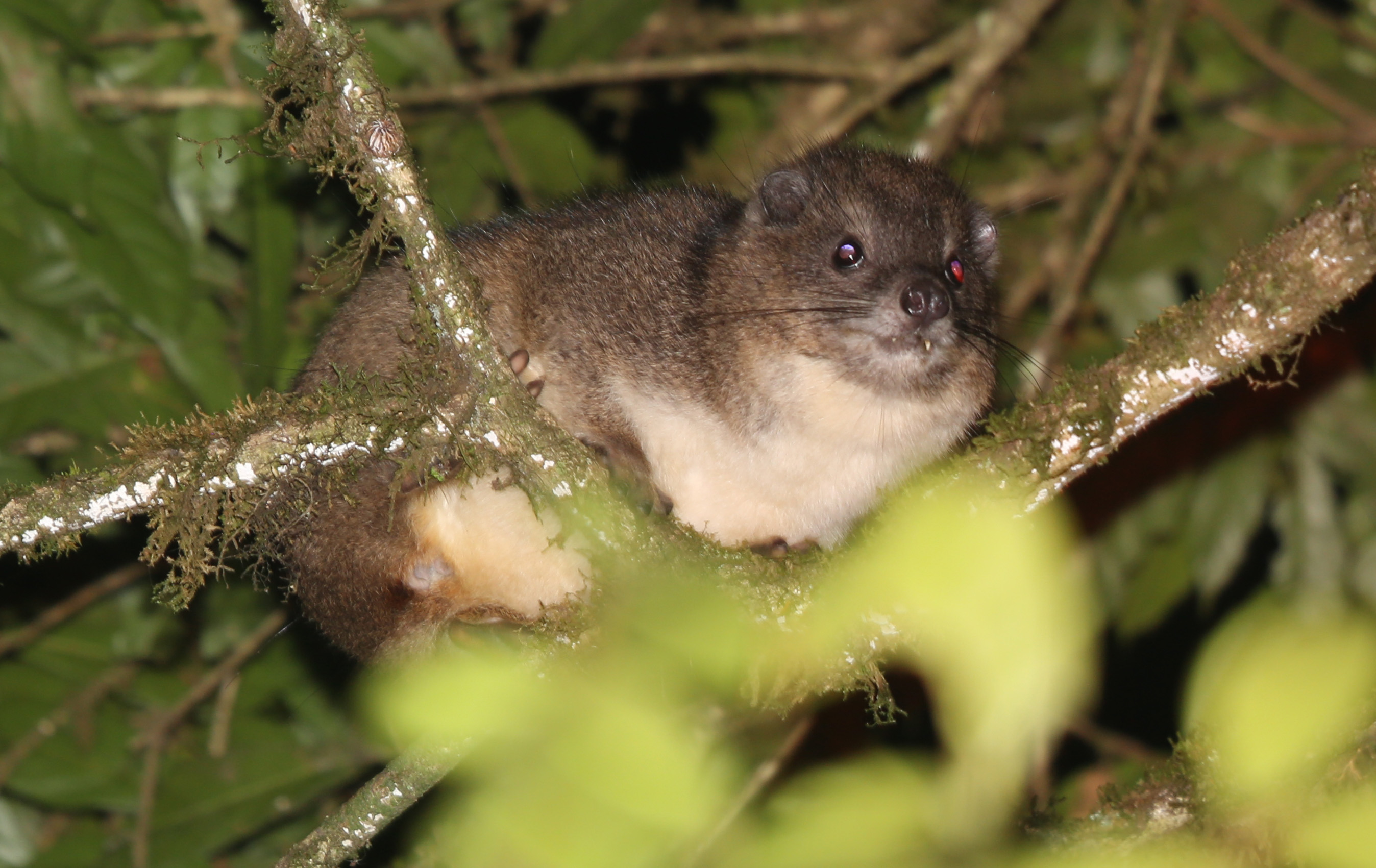
    Sweet and special – Taita tree hyrax from Mbololo

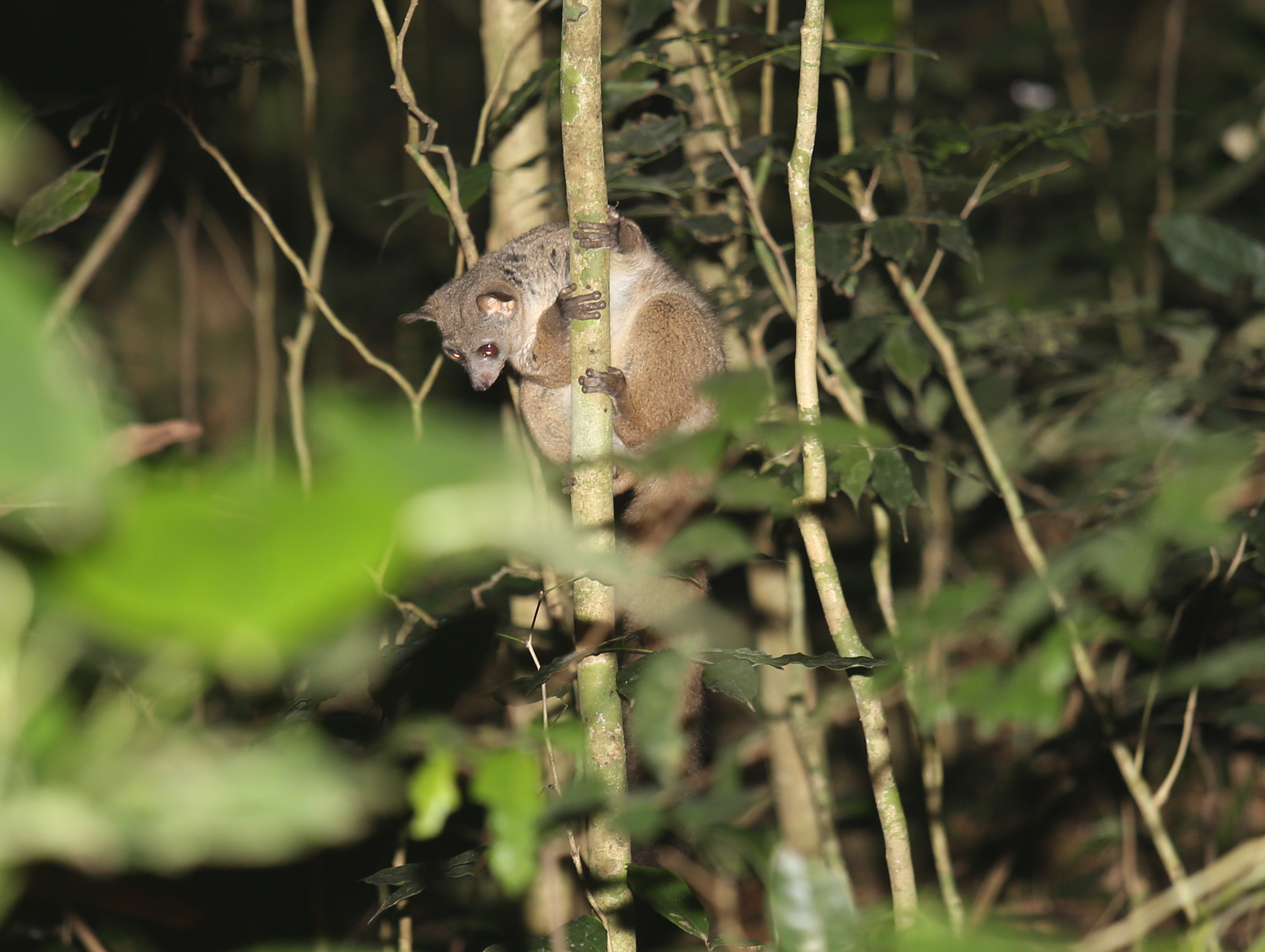
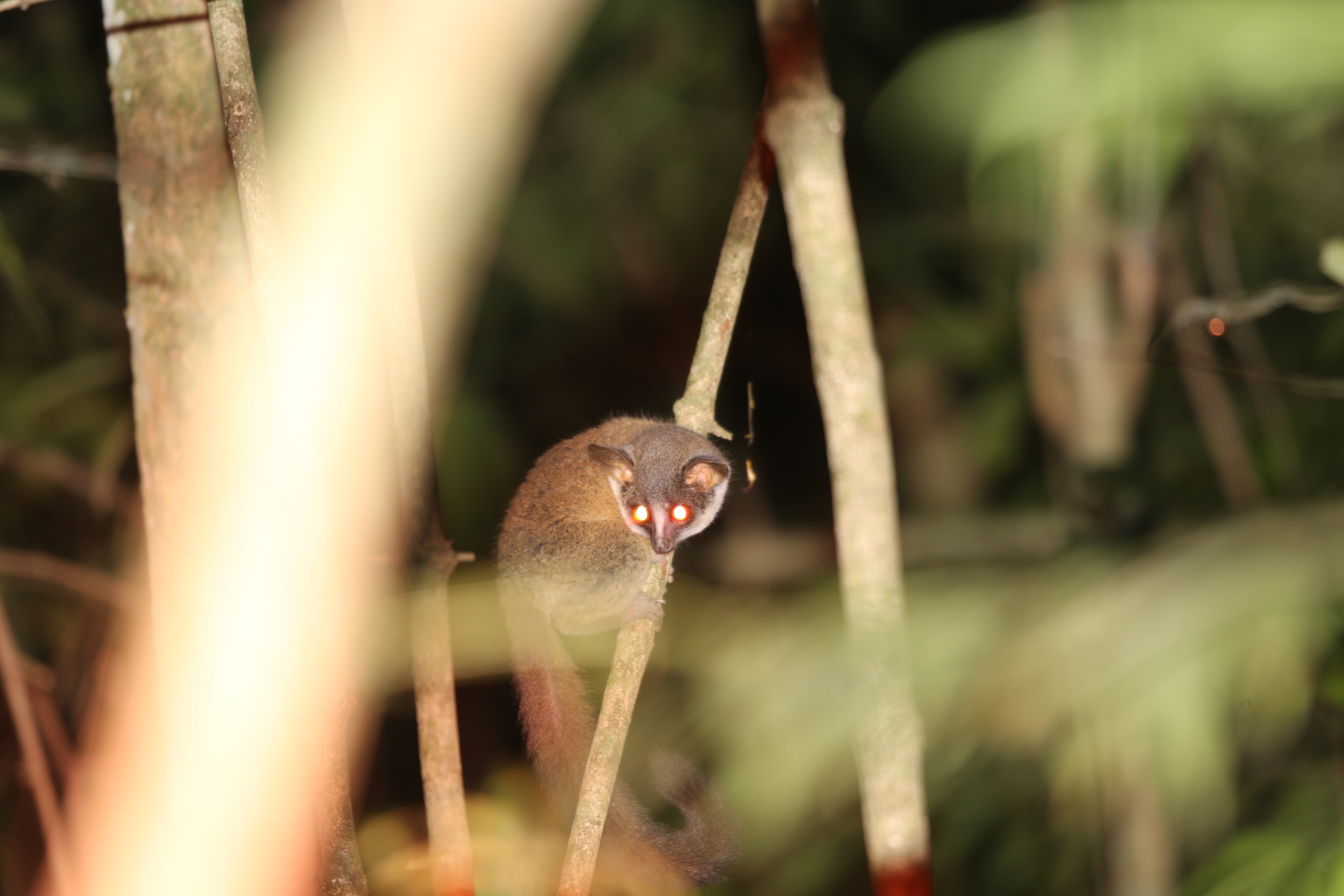
    Dwarf galagos are incredible insectivores living in Ngangao and Mbololo forests. They may new species for the science. They may be differents species in Ngangao and in Mbololo forests.
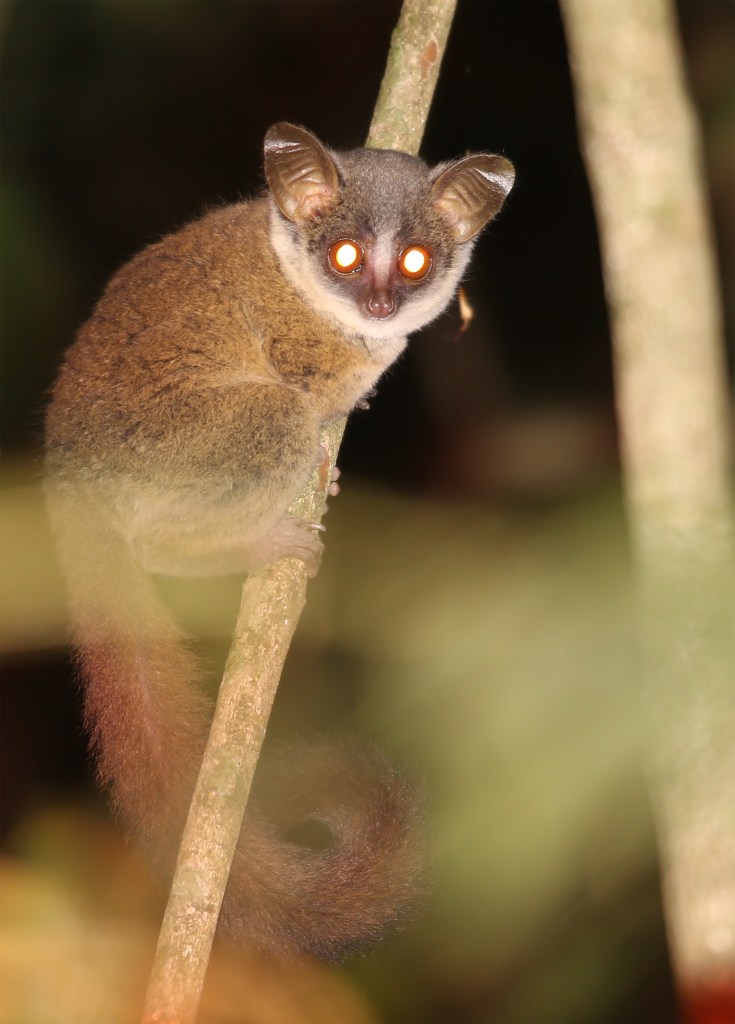
    Dwarf galago from Ngangao Forest, where less than 10 individuals are trying to survive.

    Greater galago has adapted to live in villages and gardens, and it is easy to see. Interestingly greater galagos in Taita Hills have great variation in their coloring, some individuals are whitish with white tail and many of them are dark with black tip in the tail. There are also differences in the size and behavior.
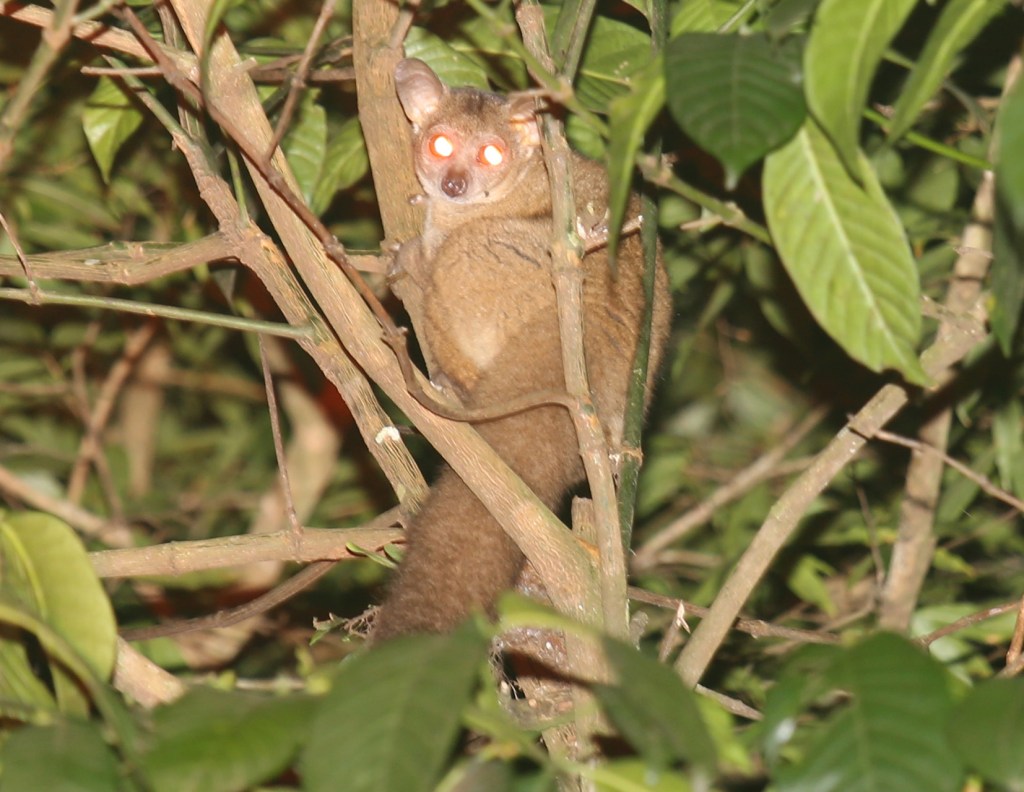
    Bushbaby, Otolemur garnettii has adapted to changes, and successfully lives also in villages. This life among people has its costs Greater galago, Otolemur garnettii is facing many threats as it adapts to live with along humans in the villages

    Taita tree hyrax is very likely still officially undescribed species for the science. Its striking calls begin in the evening at 19 and ends at 06 in the morning.
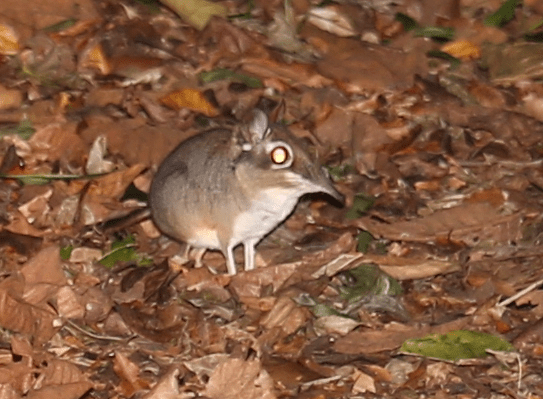
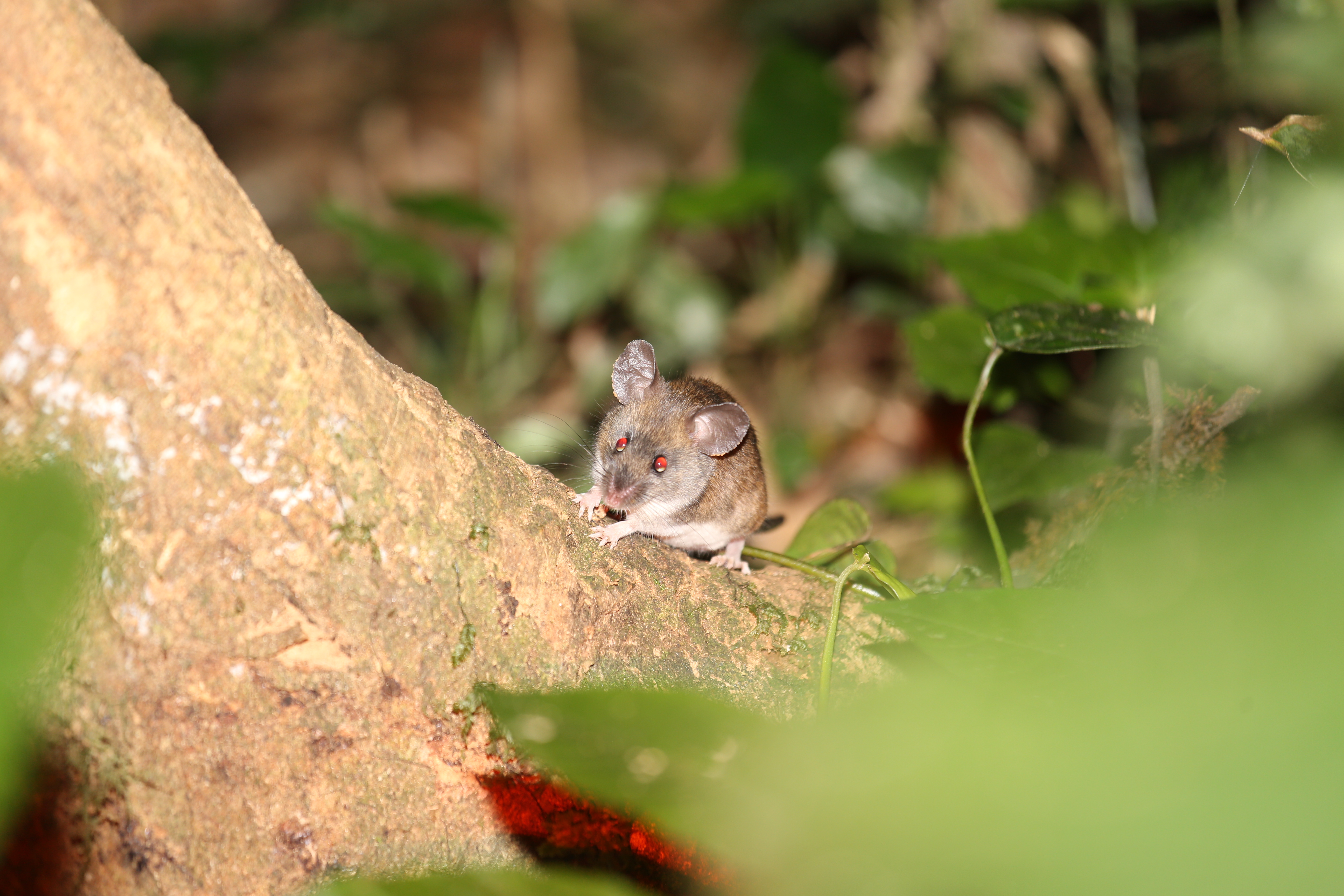
    Sengi is in danger and almost extinct because it is easy pray for the dogs. January 2022.

    The most interesting time to be in the forest is dusk and dawn. At those times one can observe change of sift between diurnal and nocturnal animals. Especially at dawn this moment is simply magical with first rays of light penetrating to the foggy cloud forest.
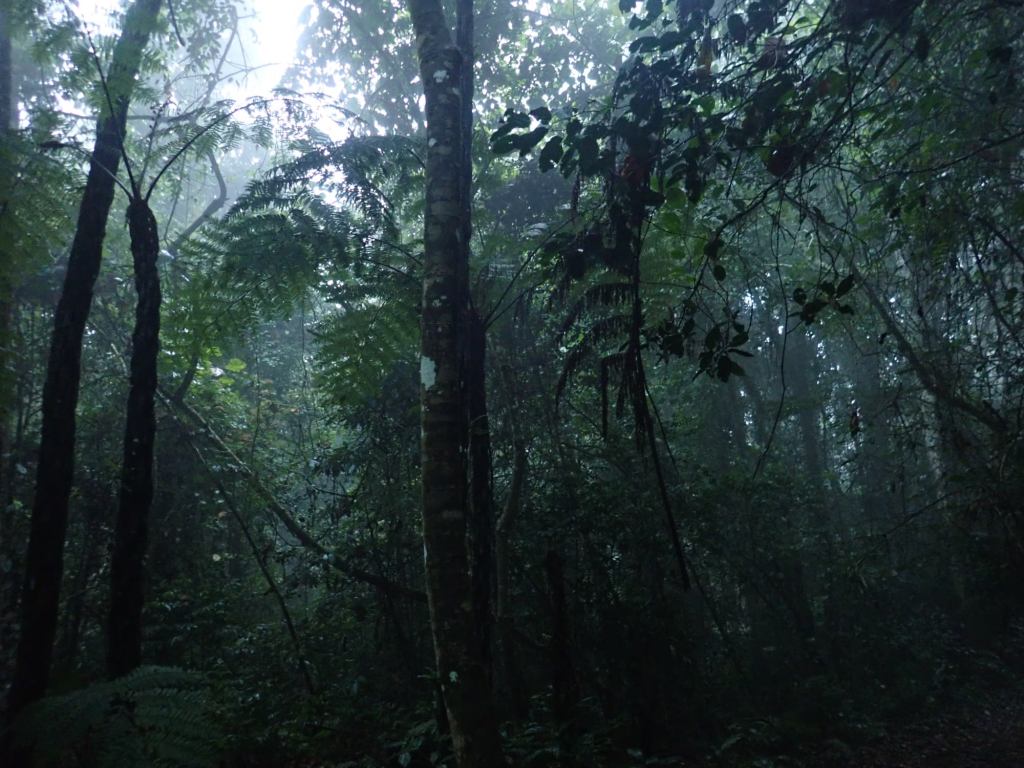
    Mbololo Forest at dawn

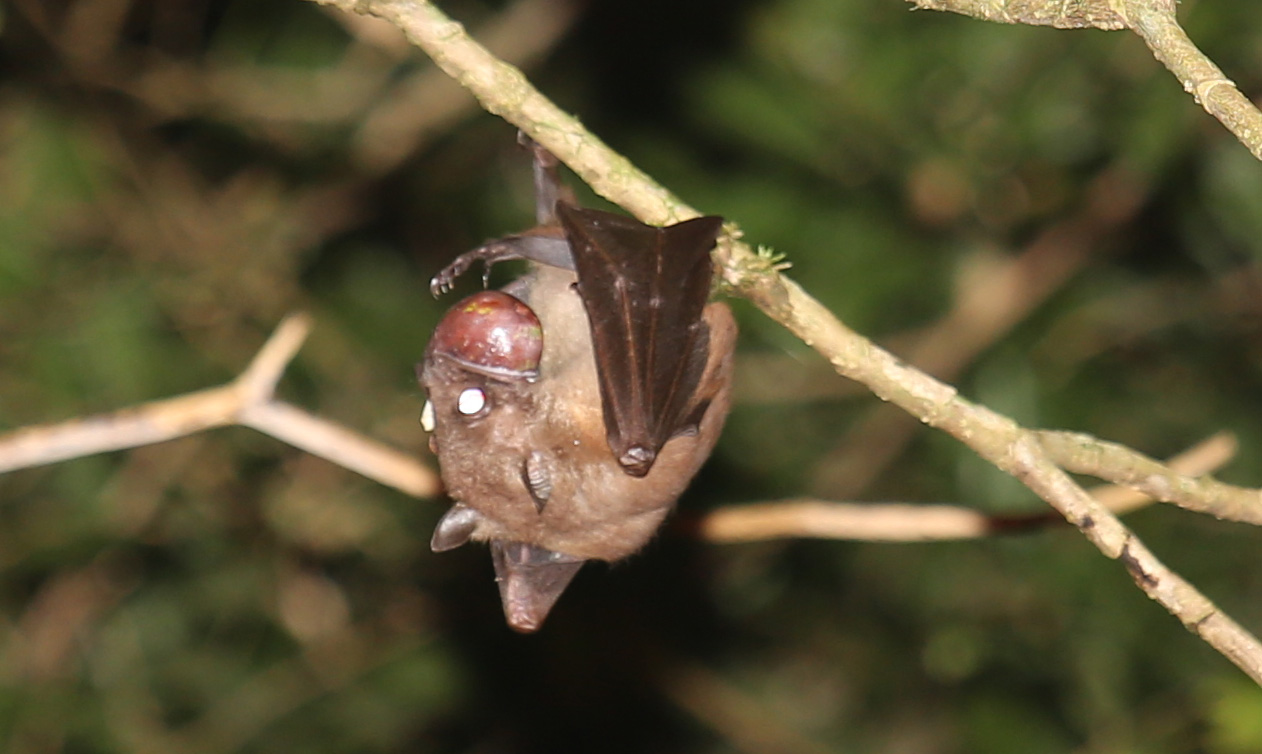
    Other nocturnal animals, that are more rare and more shy, are dwarf galagos (Paragalago sp.), genet, white tail mongoose and suni antilope.
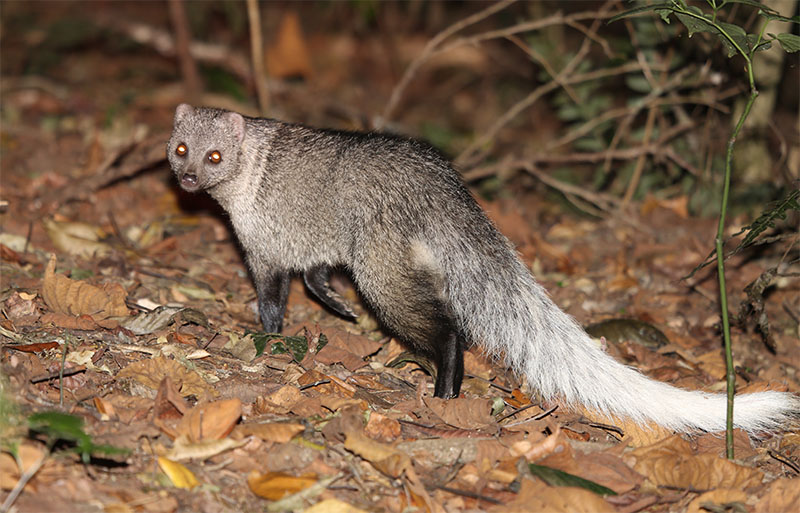
    White tail mongoose
  • Elephants are pushing down trees of savanna

    Elephants are pushing down trees of savanna

    What should be done to protect the biodiversity?
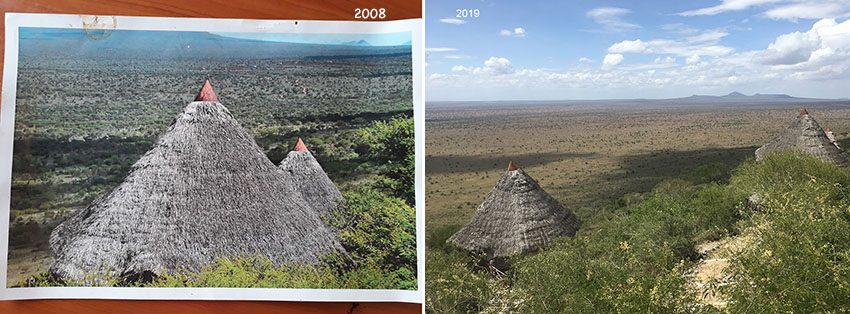
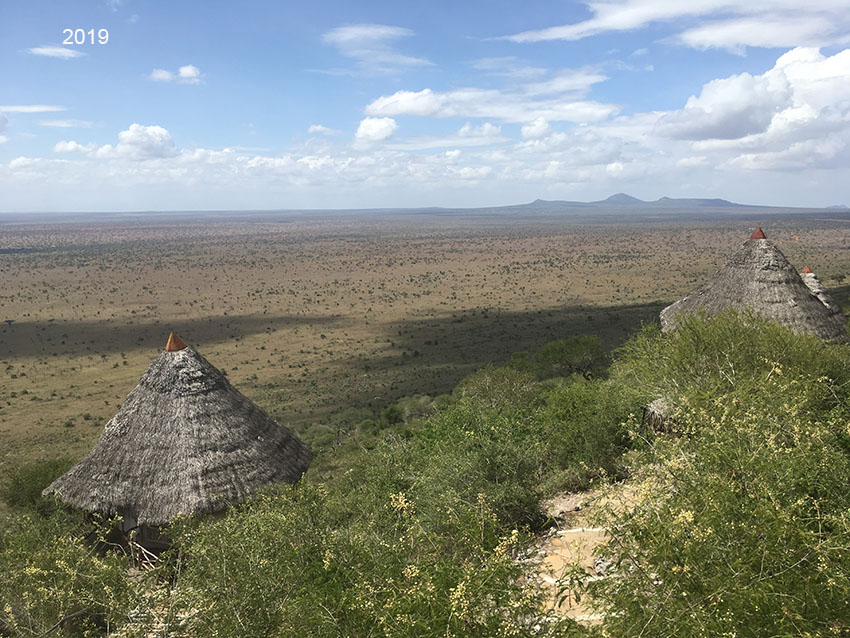
    View to Lumo from Lions Bluff Hotel 2008 and 2019. Change in tree cover due to elephants is significant and leads to loss of biodiversity. Trees are habitats for many insects, birds need trees for nest sites and many herbivores are browsers during dry season.

    Elephants in Tsavo and Lumo were severy poached, hunted for ivory for decades. Elephant poaching is less severe in many areas of Kenya at the moment, but it happens, as can be seen from orphan stories from Sheldric foundation. Drought and human wildlife conflict are also common reasons for baby elephant to be orphaned.

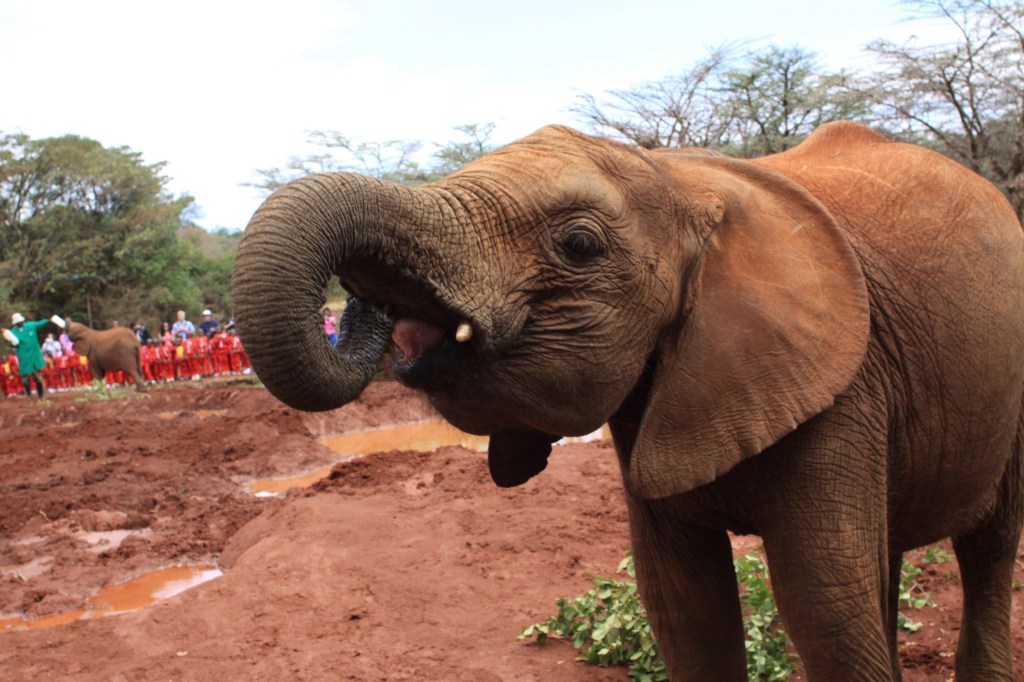
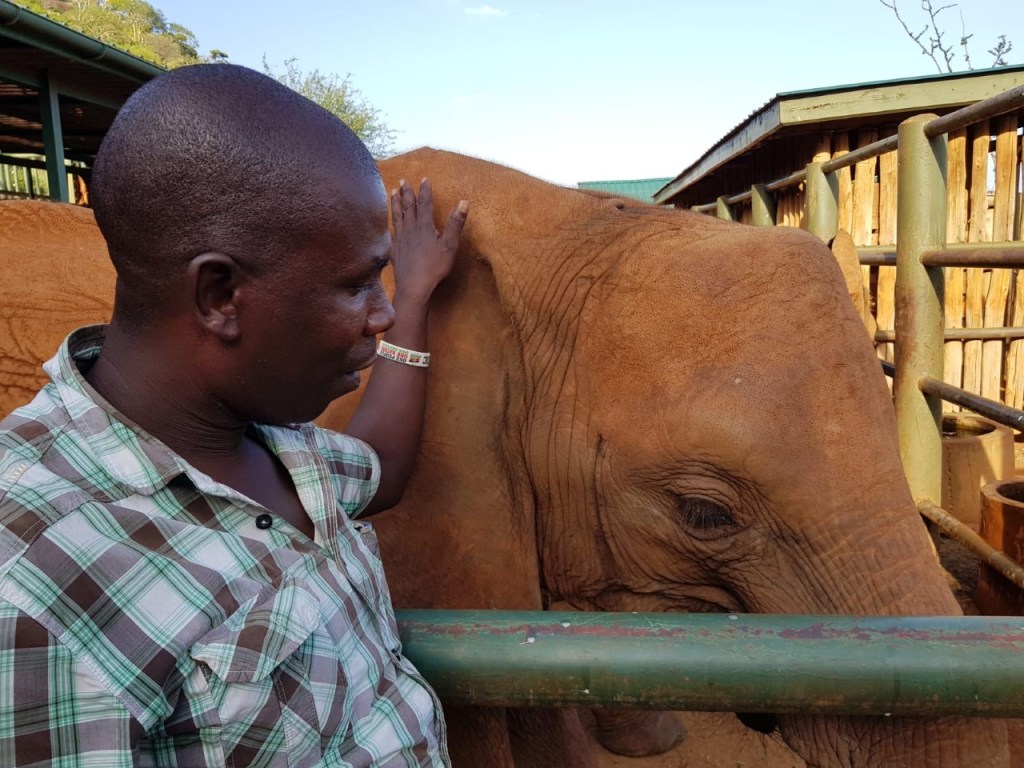
    Baby orphan in Sheldrick elephant orphanage in Nairobi.

    This article explains reasons behind worsening drought and human wildlife conflict in Taita area Kenya. What are consequences to the savanna, and also what could and should be done for protection of all species, humans, and local way of life.
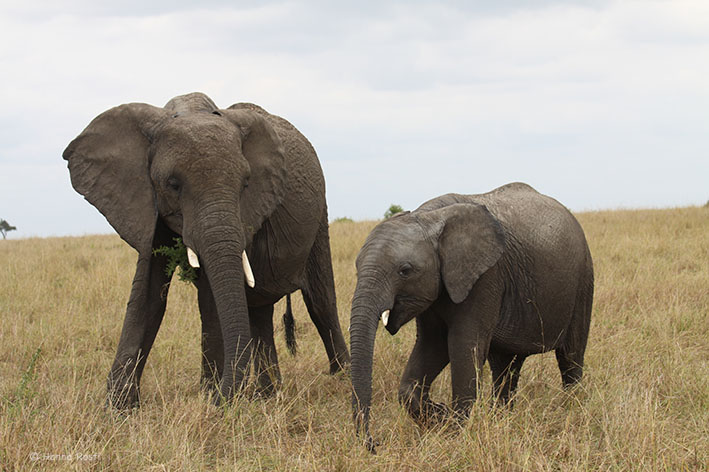
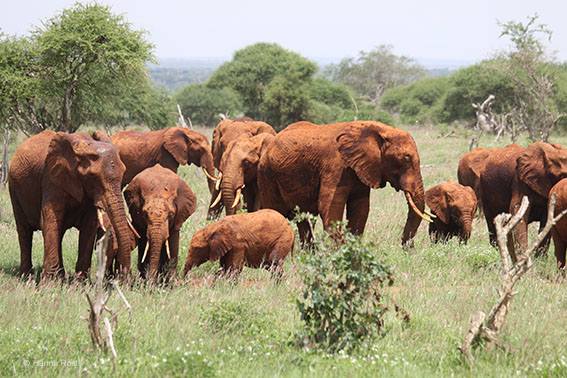
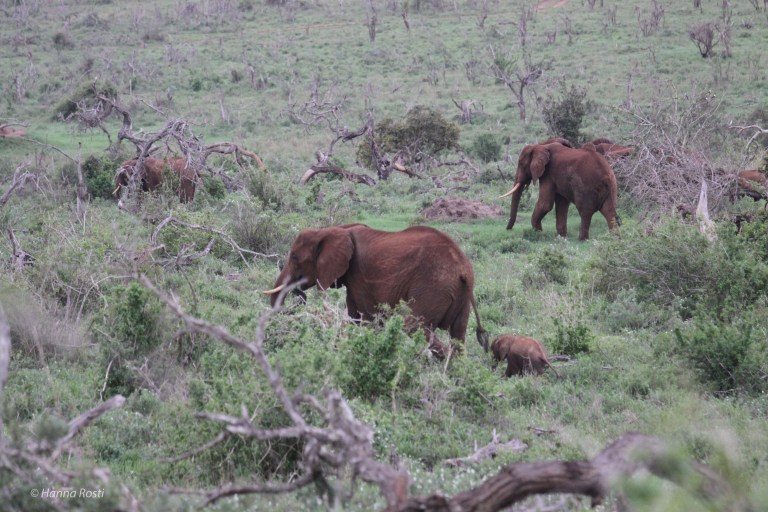
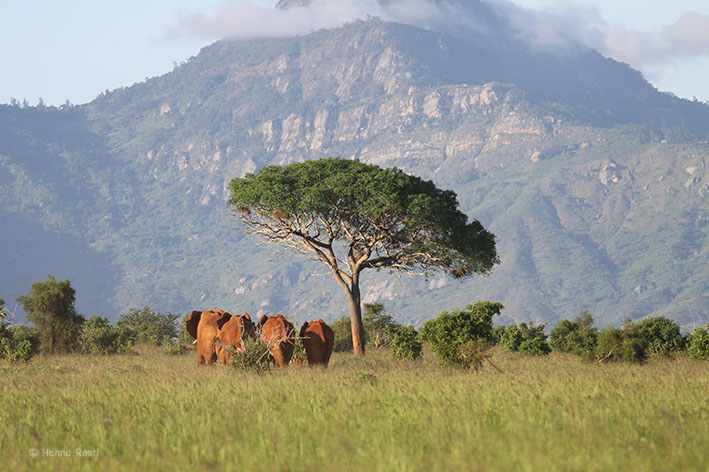
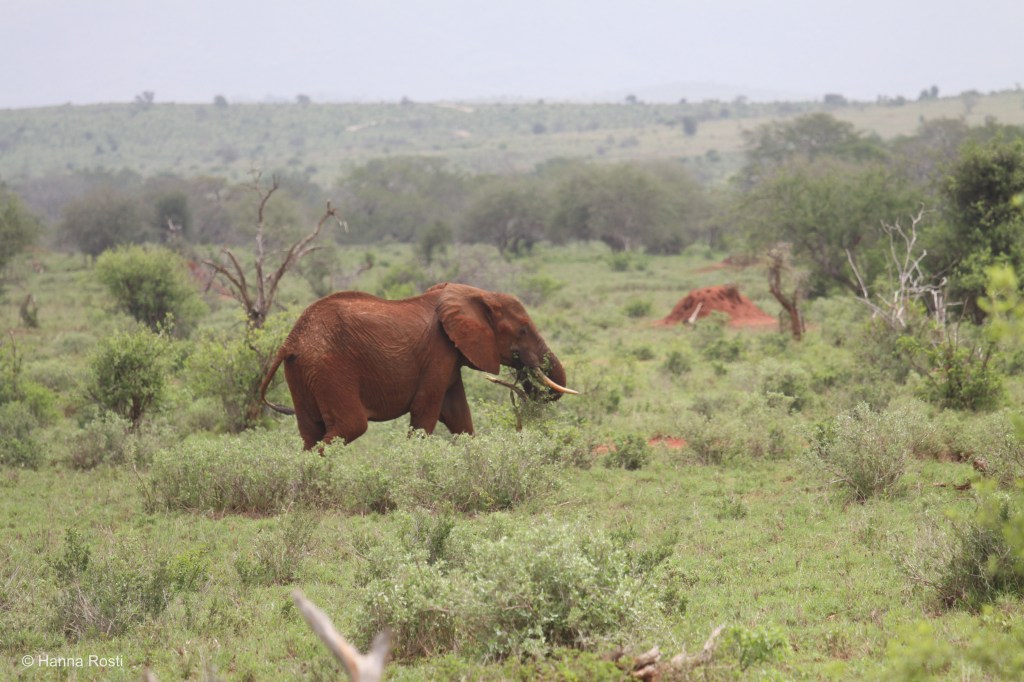
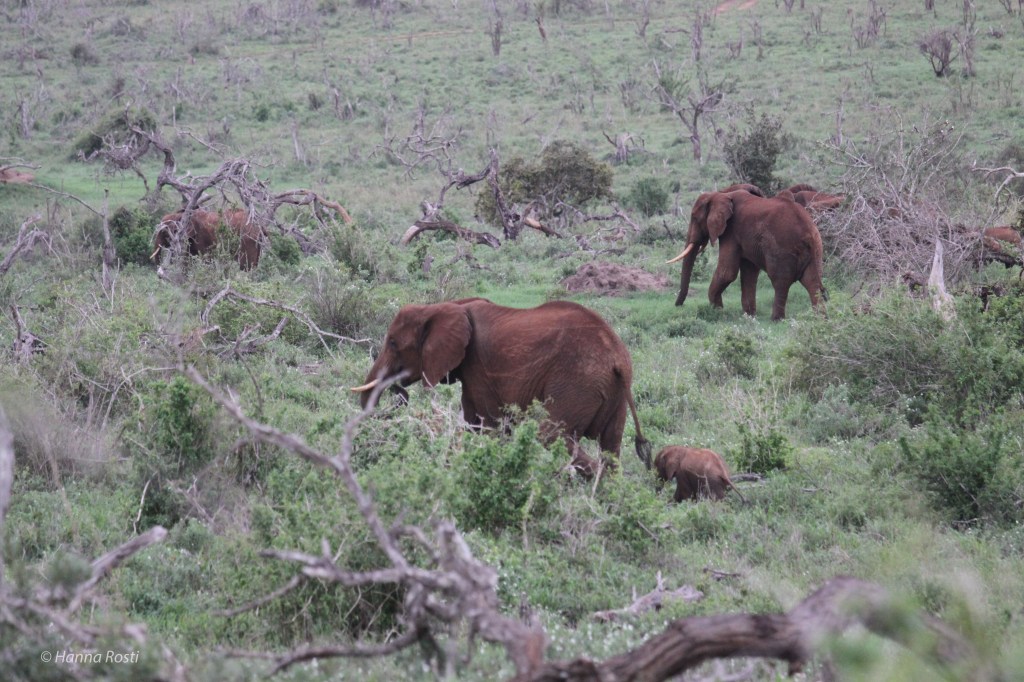
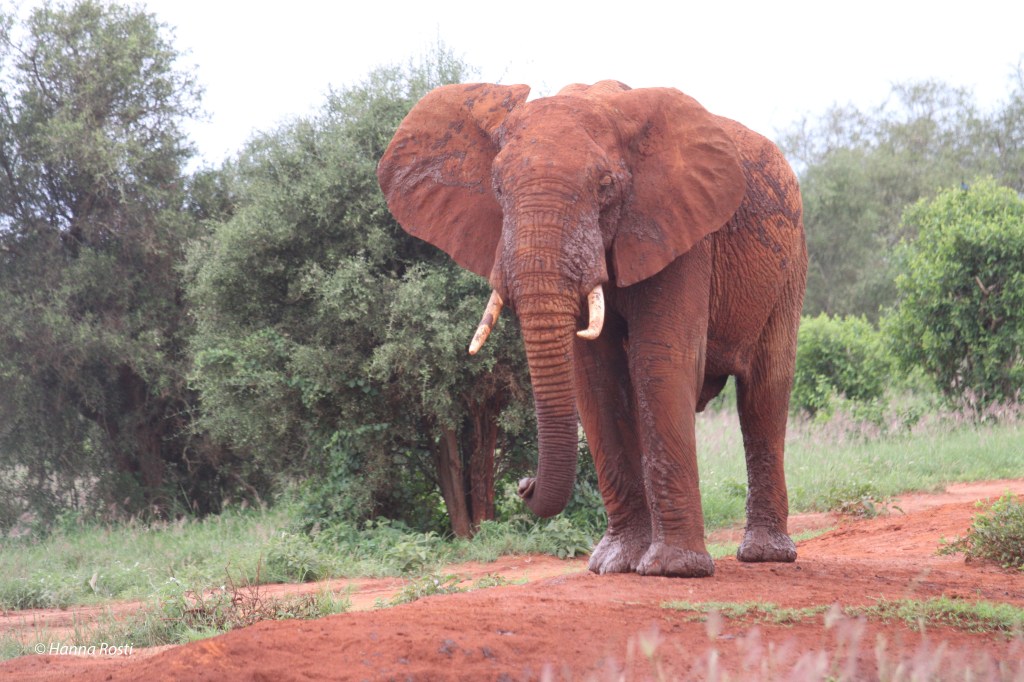
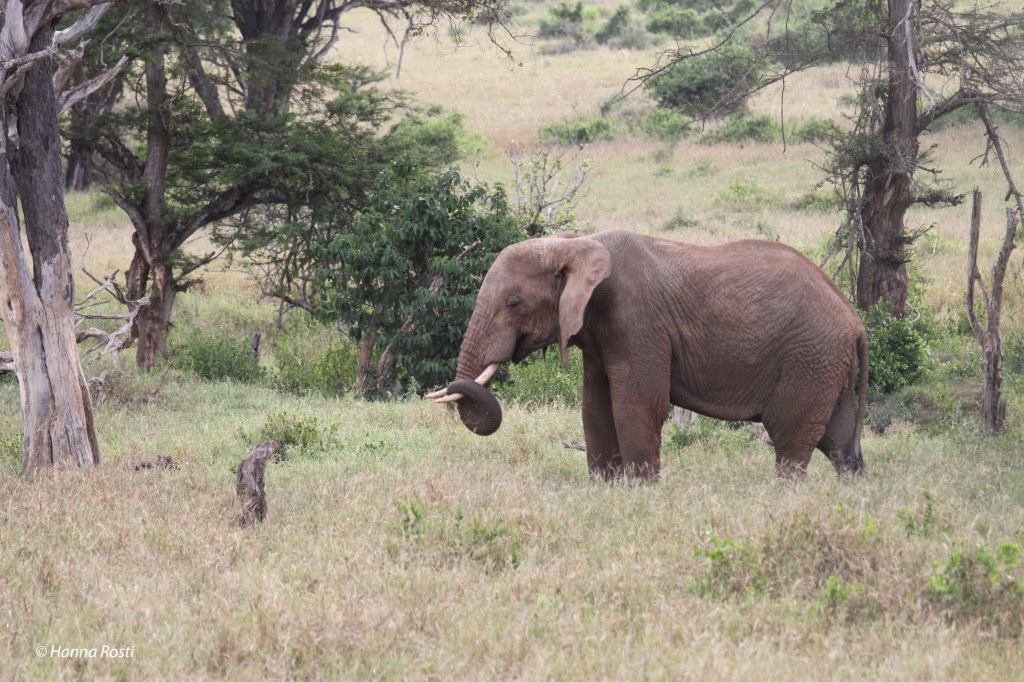
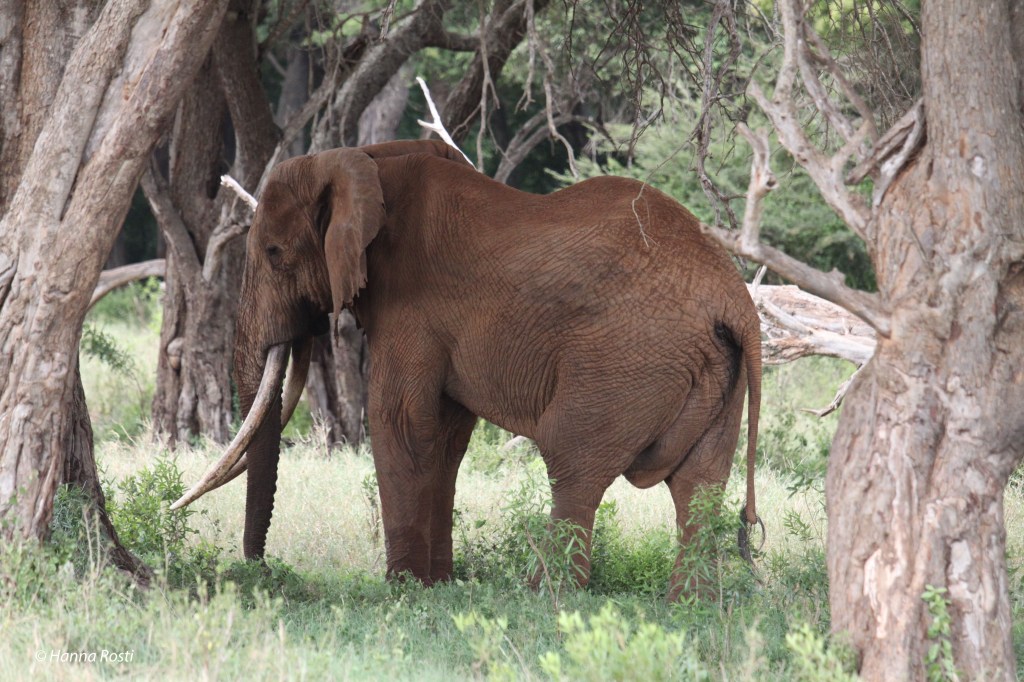
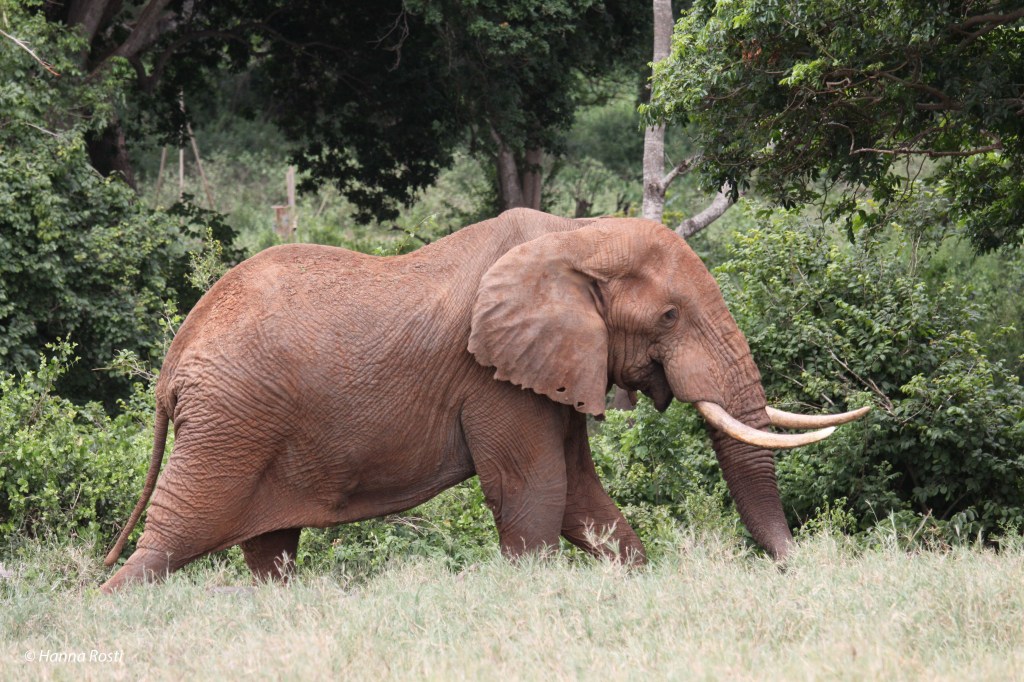
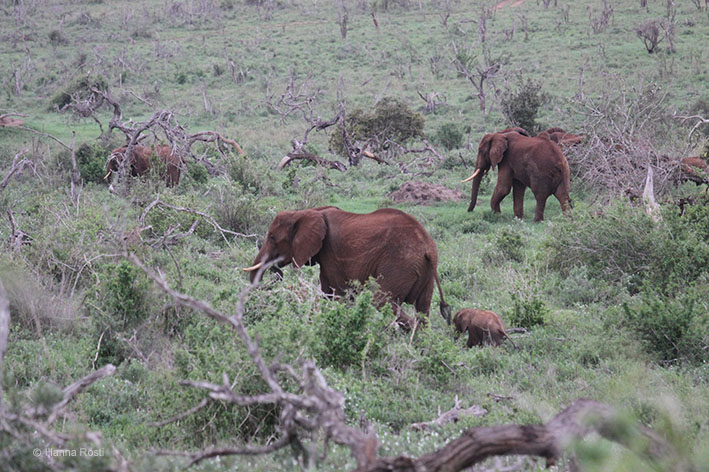
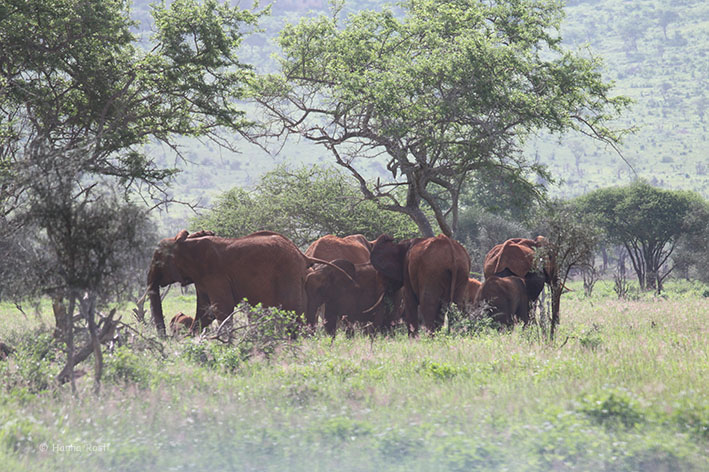
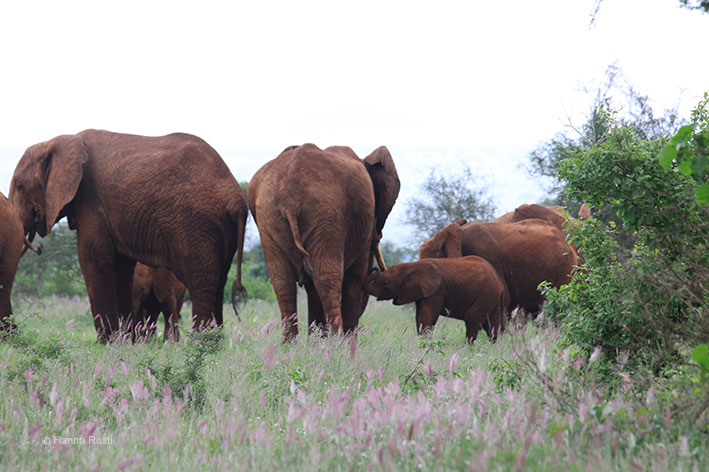
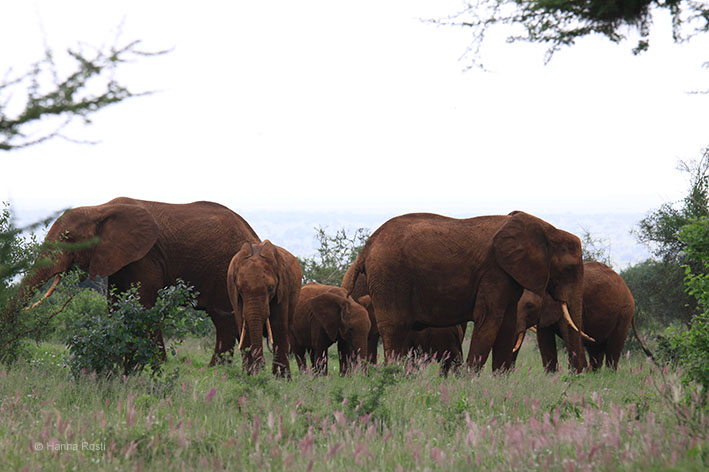
    Elephant herd just outside Lumo Latika gate March 2018. Brown coloring comes from the soil.
    Kenya does not allow trophy hunting for money like some other African countries. Sometimes elephants are transported to other areas when there are too many elephants in certain area. I personally value and respect Kenya for this.

    In 2018 there was 18500 elephants in Tsavo and number is increasing.

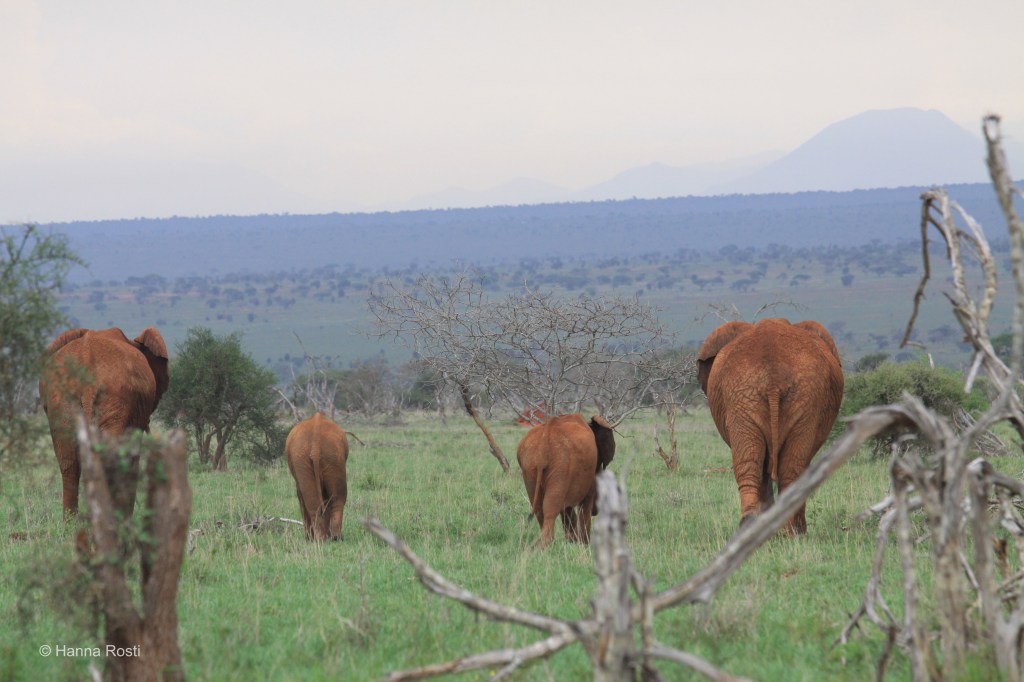
    Elephants that are living in Tsavo and Lumo area still show some fearful behaviors that were caused by poaching. Most large males don’t react to people or cars, but many herds with small baby elephants begin to walk away, sometimes running, when humans are approaching.

    Very tiny baby elephant in Lumo March 2018. Dead trees are everywhere

    Trees are pushed down by elephants

    Increasing numbers of elephants are devastating to trees during dry season. Hungry and thirsty animals push the trees down. There has been dramatic change in the tree cover of savanna during just last 10 years, as can be seen in the image above.

    Conversation with local rangers or other conservation people always goes for the trees, and worry about what is happening to the savanna as trees are vanishing. People love elephants and having healthy elephant population is great pride.

    Elephants were hit so hard by people during worse poaching years, that it is wonderful to see the return of these majestic, emotional and intelligent animals. However, we also need to help savanna to stay inhabitable for the elephants and all other savanna lifeforms.

    Tsavo and Lumo are fenced by tall electric fence. (Although I have never seen electricity running in it.) I have countless time seen how impalas jump through the fence to go browsing outside the Lumo area. Fence keeps elephants in the conservation areas up to certain point. However nothing stops elephants, if they are really going for it.

    Human wildlife conflict between humans and elephants leads to loss of harvest and sometimes also loss of human lives. Local people can truly lose everything they have when elephants raide their farm.

    Orphan from Bura orphanage, his mom was killed by elephants as she was protecting the crop.

    Elephants may also be killed or poisoned during these raids to farms. Baby elephants may be separated from their mothers during the chaos when whole village chases elephants out of the fields. This is how human-wildlife conflict creates elephant orphans.

    Maktao, (born 2017) orphaned by human wildlife conflict close to Maktau. He was rescued by Lumo ranger Dennis Kironge. Maktao is being looked after by Sheldric Foundation in Tsavo.

    Forests of Taita Hills were replaced by farms, causing reduction in rainfall and scarcity of water

    Reason why elephants become so thirsty and hungry is also related to changes in land use patterns and growth of human population. Surrounding Taita Hills is densely inhabited and old, about 30 million year old forests have been changed into fields for farming. Population growth has forced people to cultivate areas that are not very suitable for cultivation, like steep hills and areas with poor soil, or too dry areas. Fields and villages don’t attract rainwater like indigenous forest. When it rains, water runs down quickly.

    Daphne Sheldric describes in her magnificent book An African Love Story, how during the most intense clearing time of Taita Hills elephants were drowning in to mud in Tsavo as soil from Taita Hills were flushed down from the hills! They were saving elephants by pulling them from the mud by cars.

    Rivers bringing water to lowland savanna areas are born in Taita Hills. These old mountains used to be covered with forests – 30 million year old ancient forest. Biodiversity of those forests were incredible. During last 100 years almost all forests have been cleared for fields or forests have been replaced by exotic trees, like eucalyptus that cause even more drought. Now there is not much water left for savannas.

    Now conflicts about water are common between people, and many people face difficult time during dry season, when community wells are far away.

    Remnants of indigenous forests are called water towers, their significance for attracting rainwater is now understood. However 98 % of these forests have been destroyed, most during last 100 years.

    When there is not enough water for people, there is even less for wildlife during dry season.

    So current issue of lack of water during dry season is more severe because there is less water to begin with, and also less space for the elephants.

    Hungry and thirsty elephants push trees down.

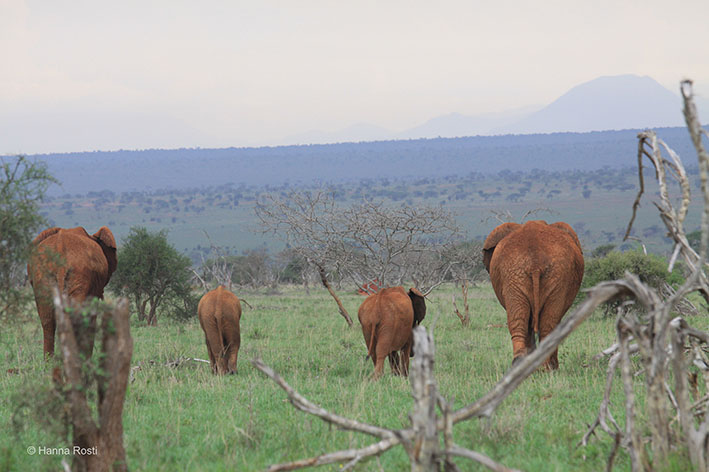
    Dead trees are everywhere in Lumo March 2018. Kilimanjaro can be seen behind elephant family.

    When trees disappear, biodiversity dives down

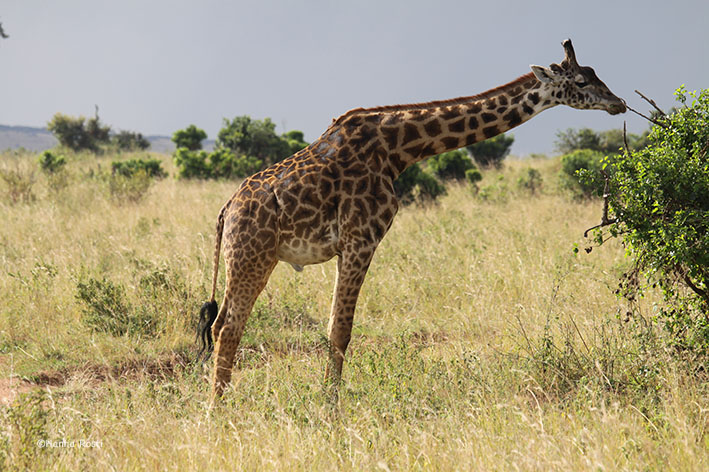
    Loss of trees lead to loss of biodiversity as trees are habitats for countless insects, that are consumed by birds, that also use trees as nest sites. Large vultures and eagles need large trees. Many antelopes, like impalas, kudus, duikers, eland, and gazelles also feed on leaved during dry season when grass becomes yellow and low in nutrients. During this time leaves of many trees stay green as root system enables trees to gather water deeper from the soil. Giraffes and gerenuks are dependent on trees. Also black rhino is a browser, so in order to keep savannas good for return of black rhino, there must be trees.

    Giraffes are dependent of trees, Masai Mara August 2018.

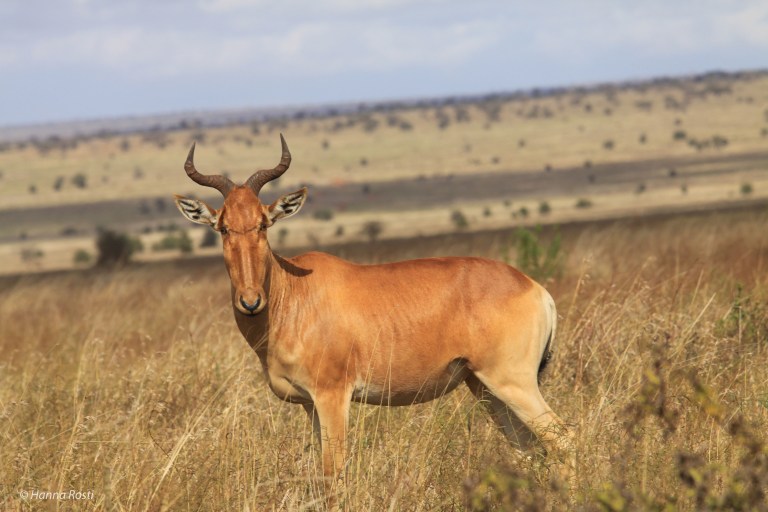
    Water buffalo and hartebeest are fine with just eating grass, and there is abundant populations of both in Lumo.

    Hardebeest in Lumo August 2018

    Keeping trees in the savanna is important for biodiversity as all these species have intrinsic value on their own. However in Lumo people are also worried for loss of biodiversity as less animals will mean less income. As Lumo is community owned and income is spread with 5000 local people, this is extremely important for them. Most of income Lumo is bringing to local community is used for school fees, for children who could not other wise go to school at all. Will tourists come if many species disappear with trees?

    How to help elephants and savanna

    Mwalua Wildlife Trust http://www.mwaluawildlifetrust.org works actively to distribute water for the wildlife during dry season, and is also engaged in many other activities that help elephants and other wildlife and also mitigate human wildlife conflict. Mwalua Wildlife Trust in Facebook https://www.facebook.com/mwaluawildlifetrust/.

    Sheldric Foundation takes care of baby elephants and releases them to Tsavo. Baby elephant, like Maktao here, can be adopted for 50 dollars a year. https://www.sheldrickwildlifetrust.org/orphans

    There is also reforestation project in Taita Hills Wildlife Sanctuary, that belongs to Sarova Hotel. This is fenced area, that was established about 2009. Areas where reforestation takes place, need to be fenced and trees need to be watered during dry season, otherwise trees will die. This makes reforestation much more expansive, as it requires expensive fencing and long term labour.

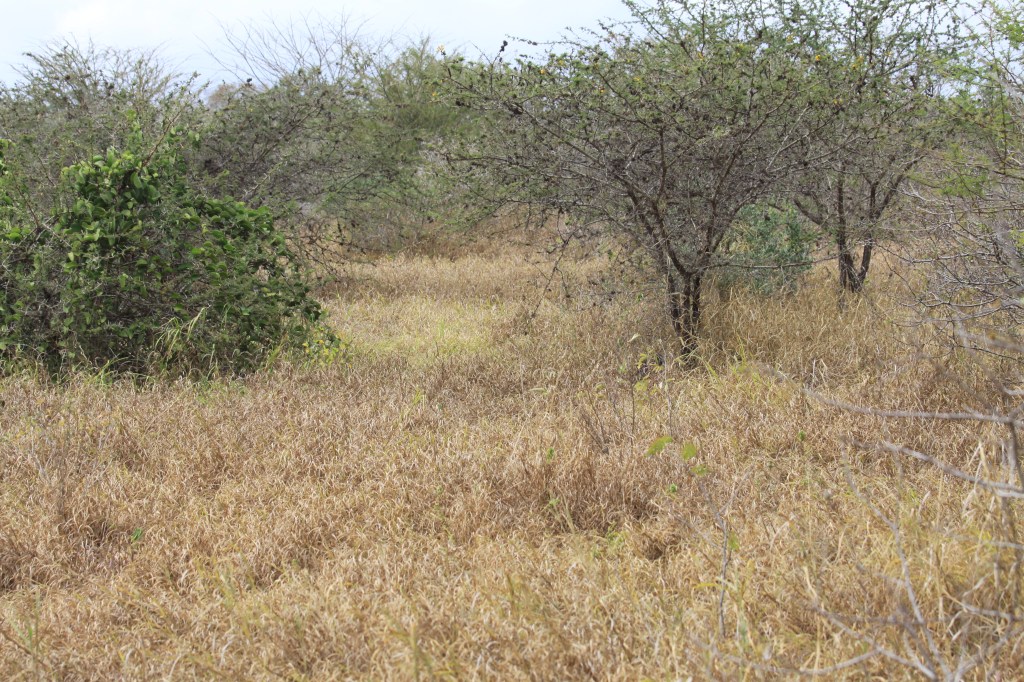
    Trees inside fenced area in Taita Hills Wildlife Sanctuary. There are abundant bird and insect fauna.

    However, fence can be moved once trees are large enough to stand on their own.

    Biodiversity in the enclosed area is significantly higher than right outside the fence. I have spent a day there observing insects and birds, while geographers I was with were identifying and measuring trees. Also view from higher place shows that areas outside conservation areas are growing trees and bushes.

    Large enterprices could use their carbon footprint compensations for reforestations of savannas.

    To keep savanna biodiversity and elephant populations healthy in current situation where water and space is limited for elephants reforestation is needed.

    Large companies, including e.g. airline companies, are planting trees to compensate their carbon emissions. This would be excellent way to solve problem of elephants causing loss of biodiversity.

    Fenced reforestation areas should be used and fence should be relocated in about 15 years as trees grow to keep savanna biodiversity.