Hanna Rosti, Janne Heiskanen, Simon Bearder, Benson Lombo, Henry Pihlström, Petri Pellikka & Jouko Rikkinen
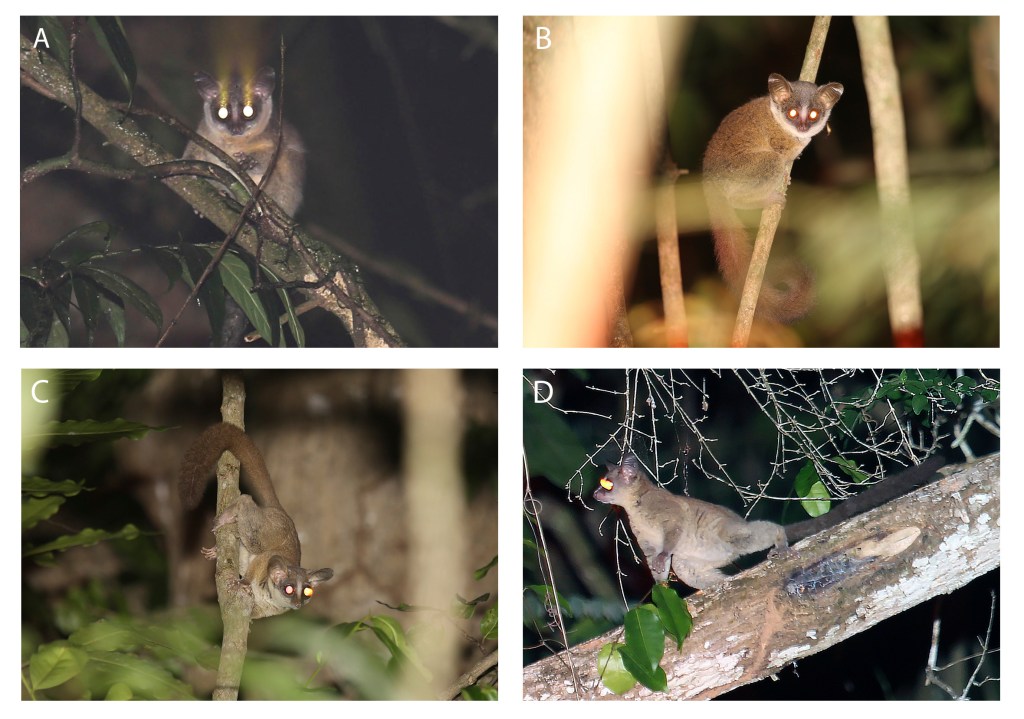
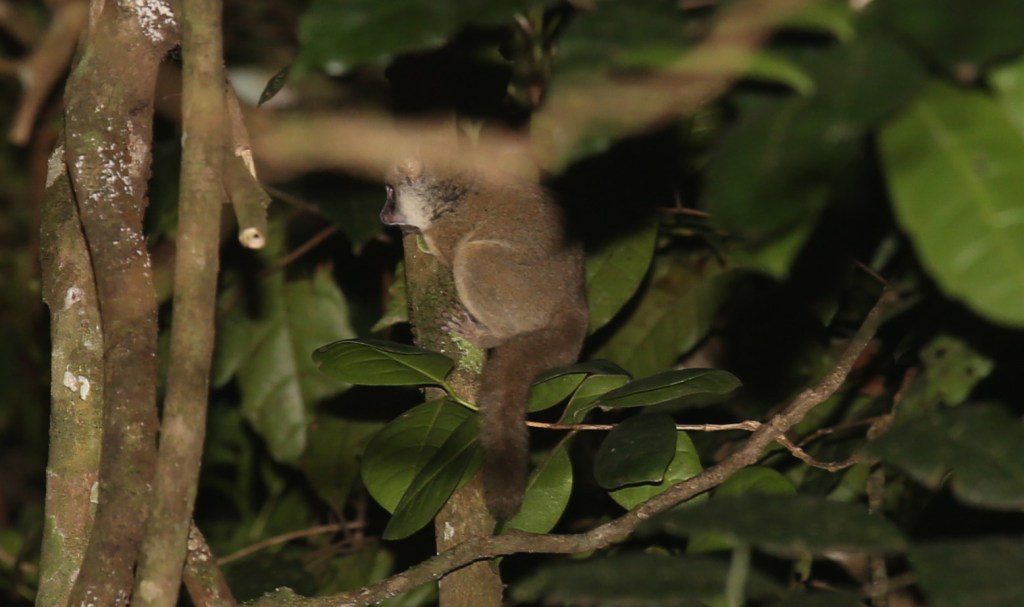
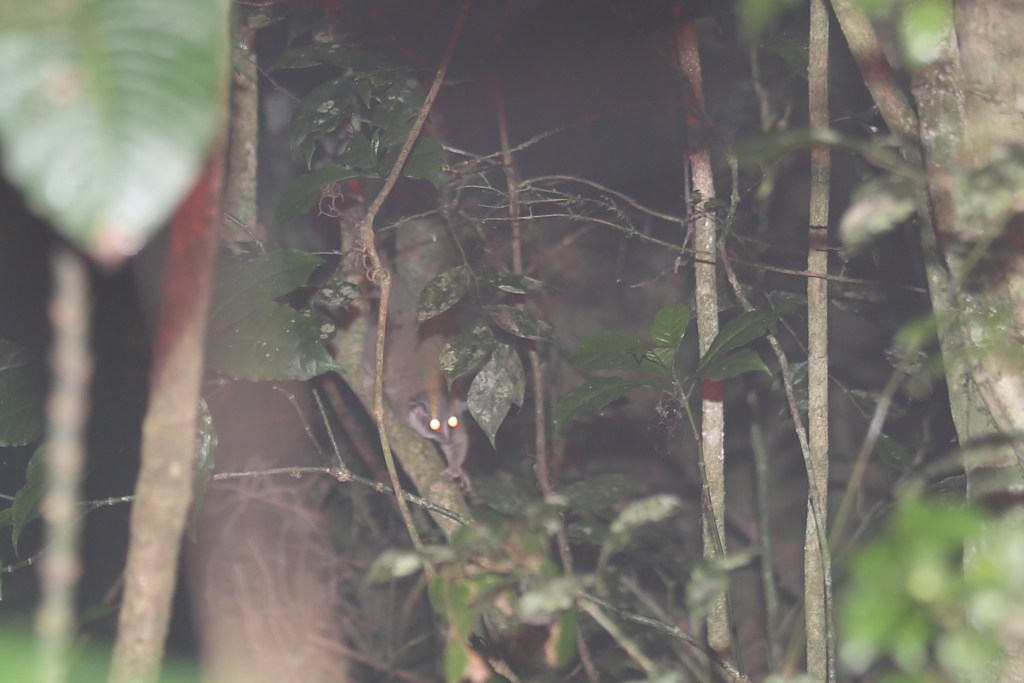
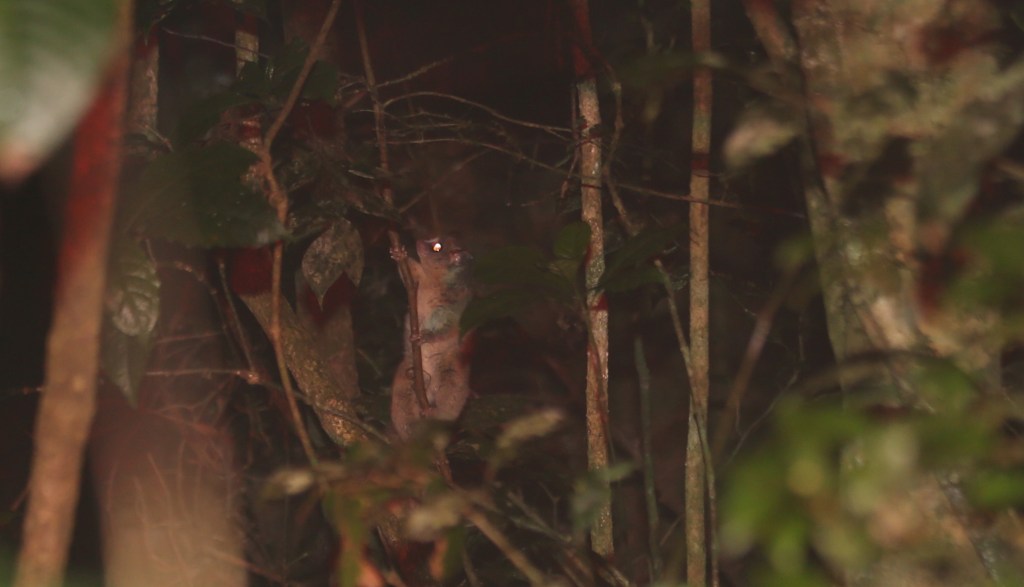
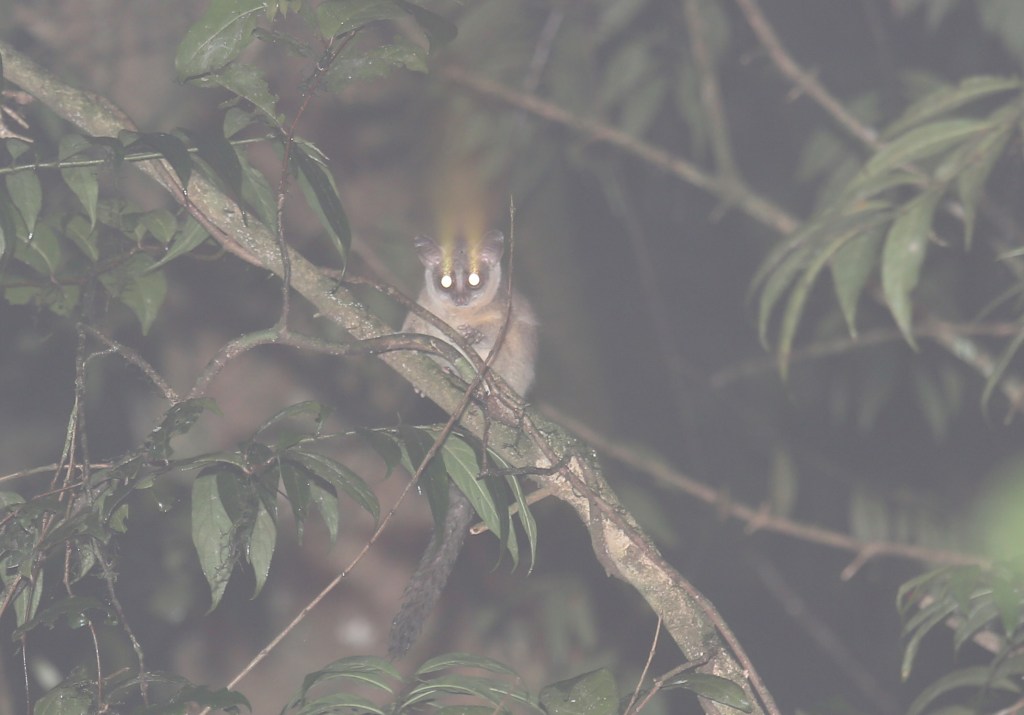
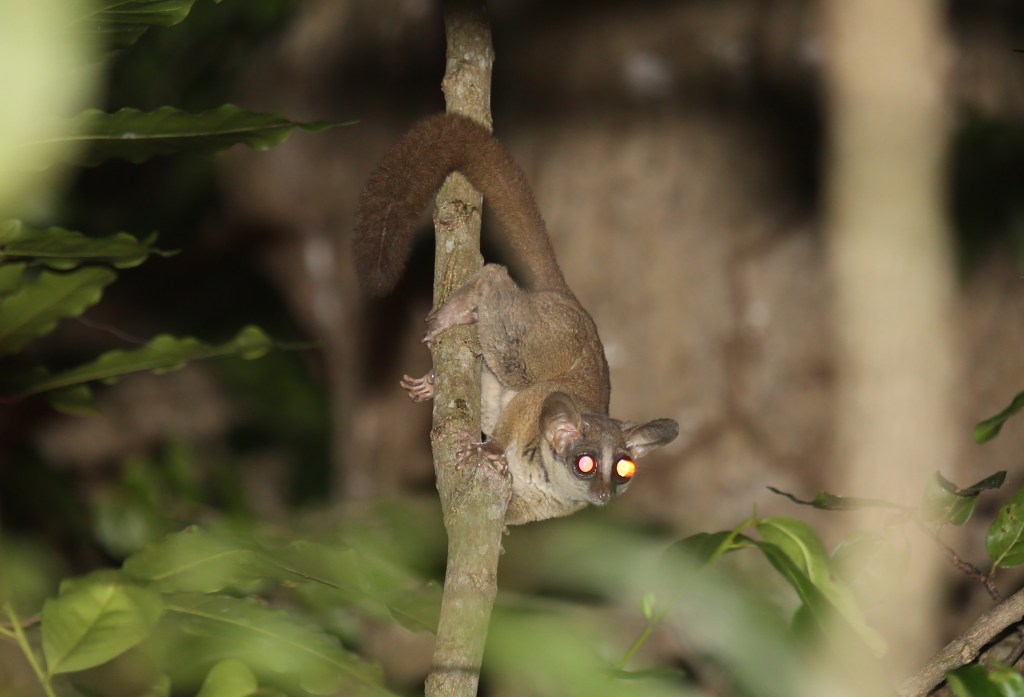
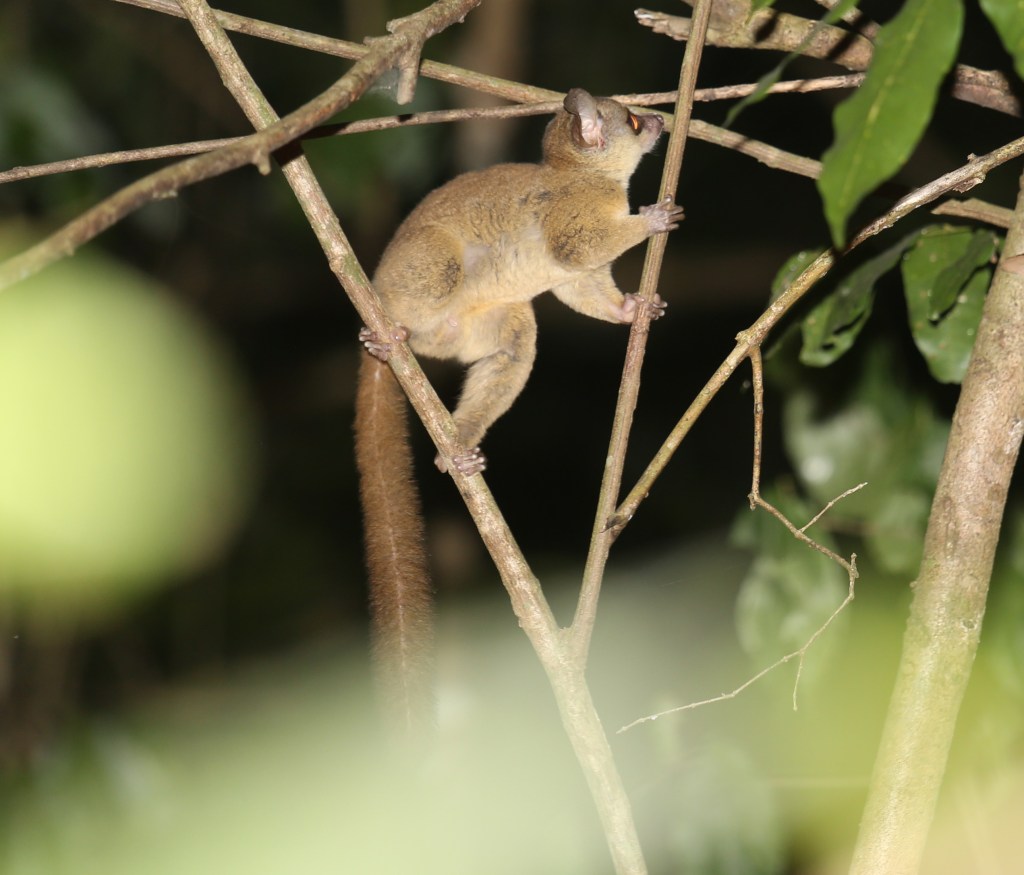
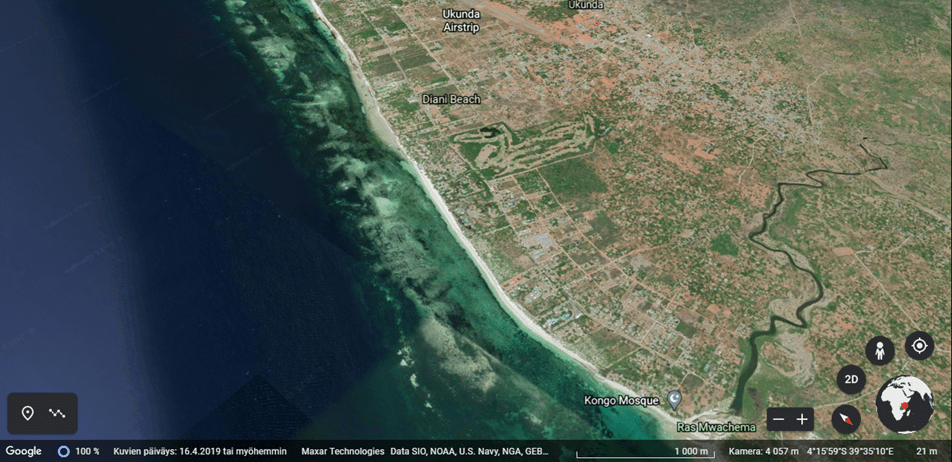
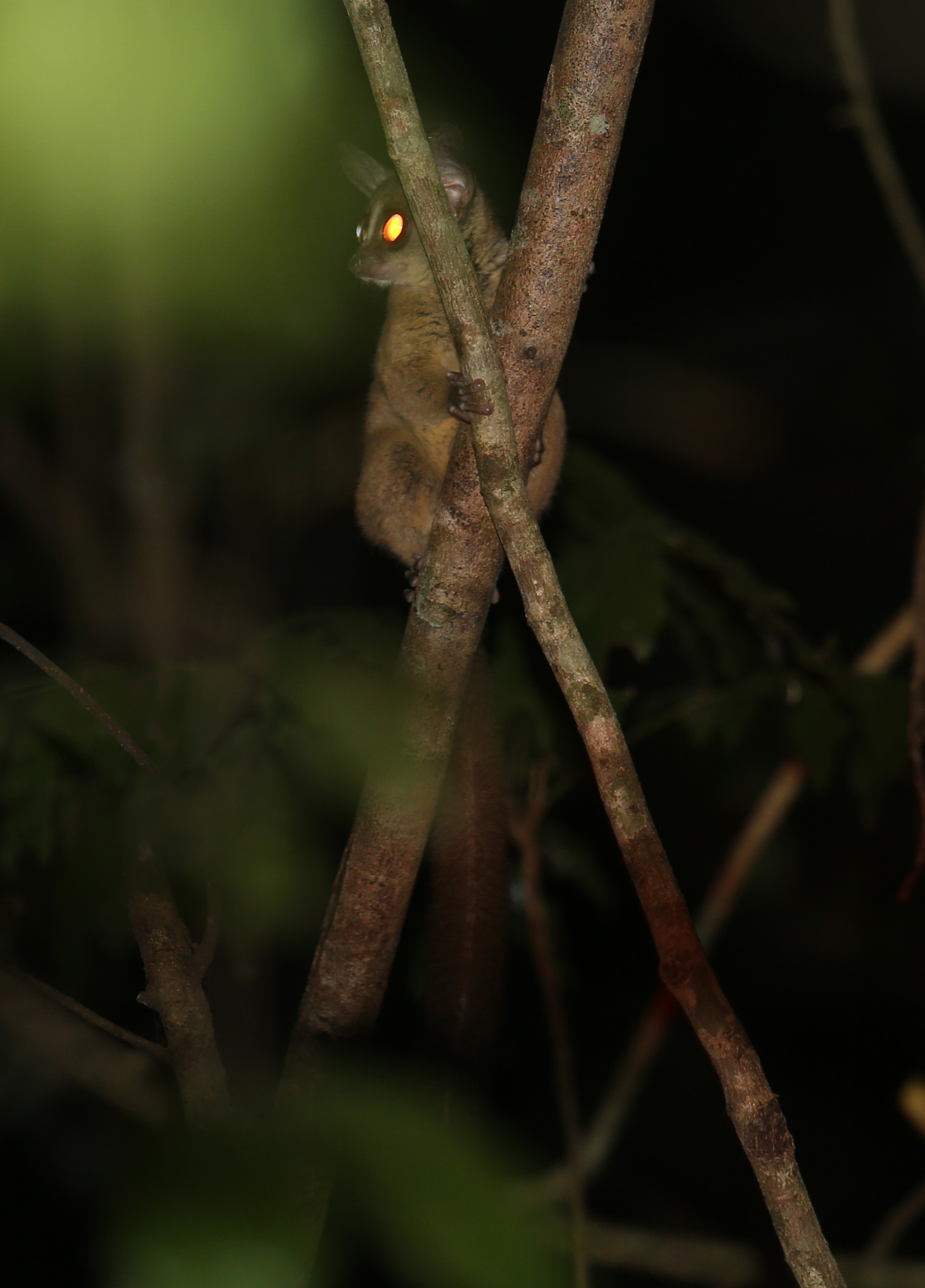
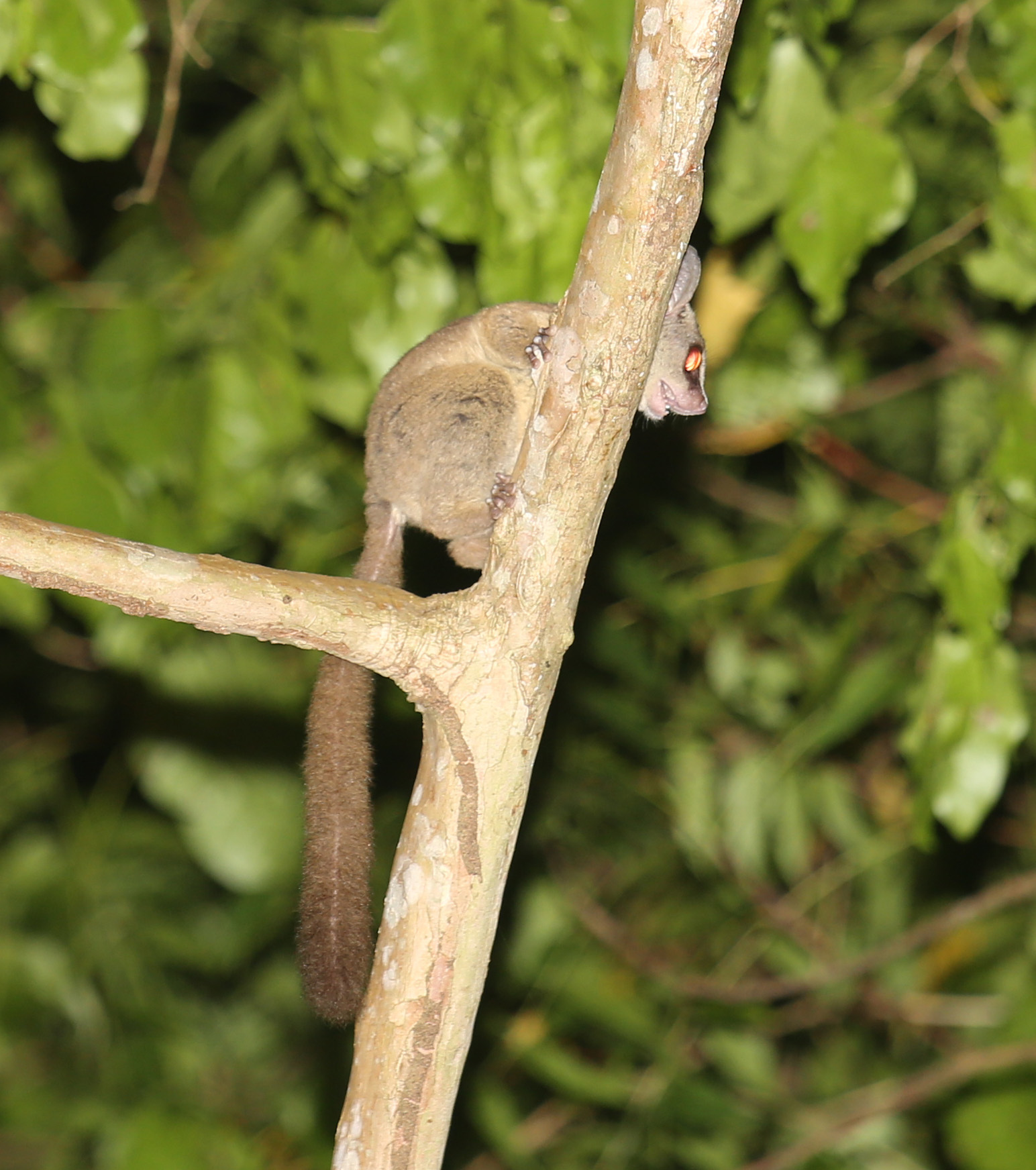
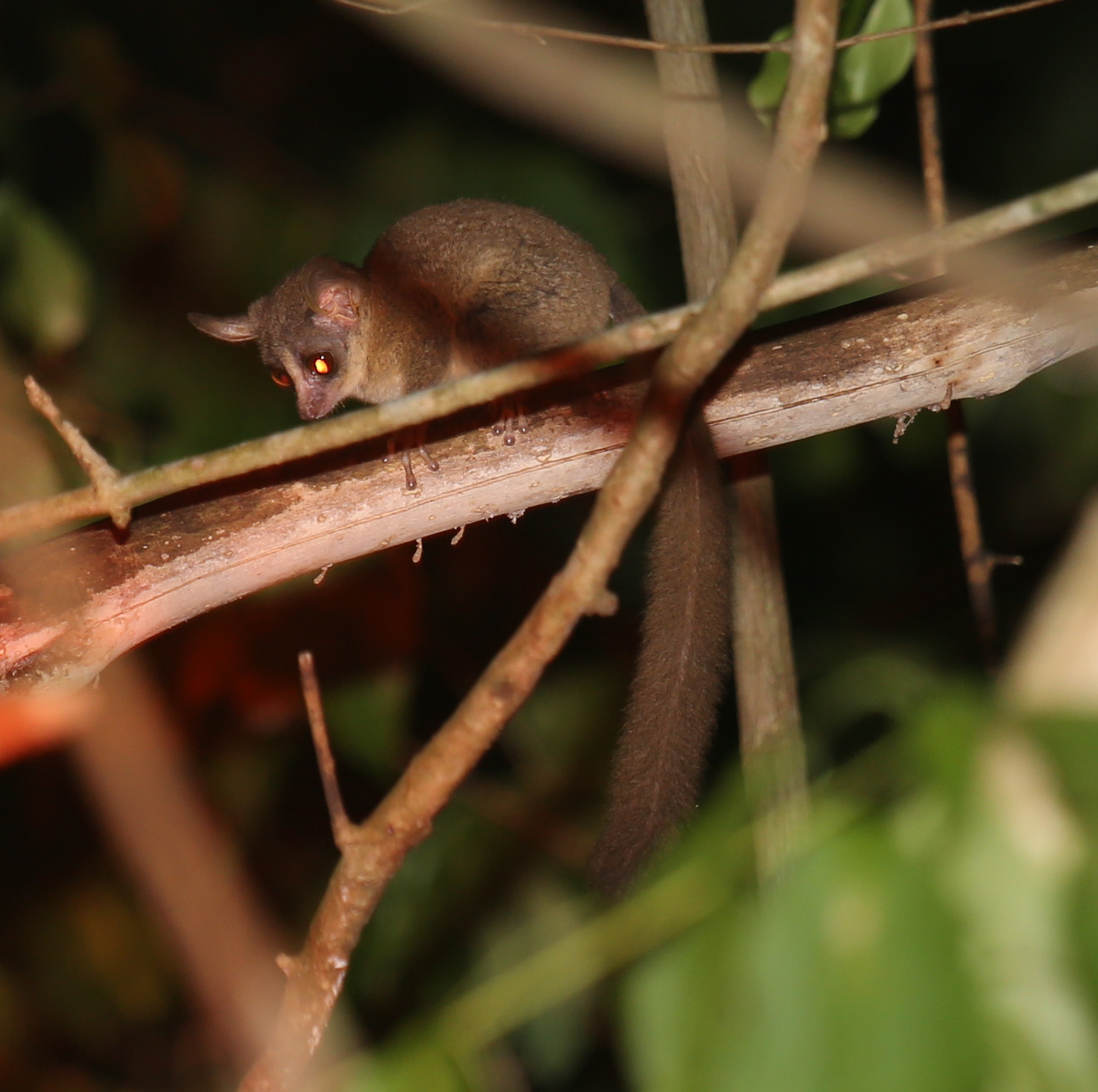
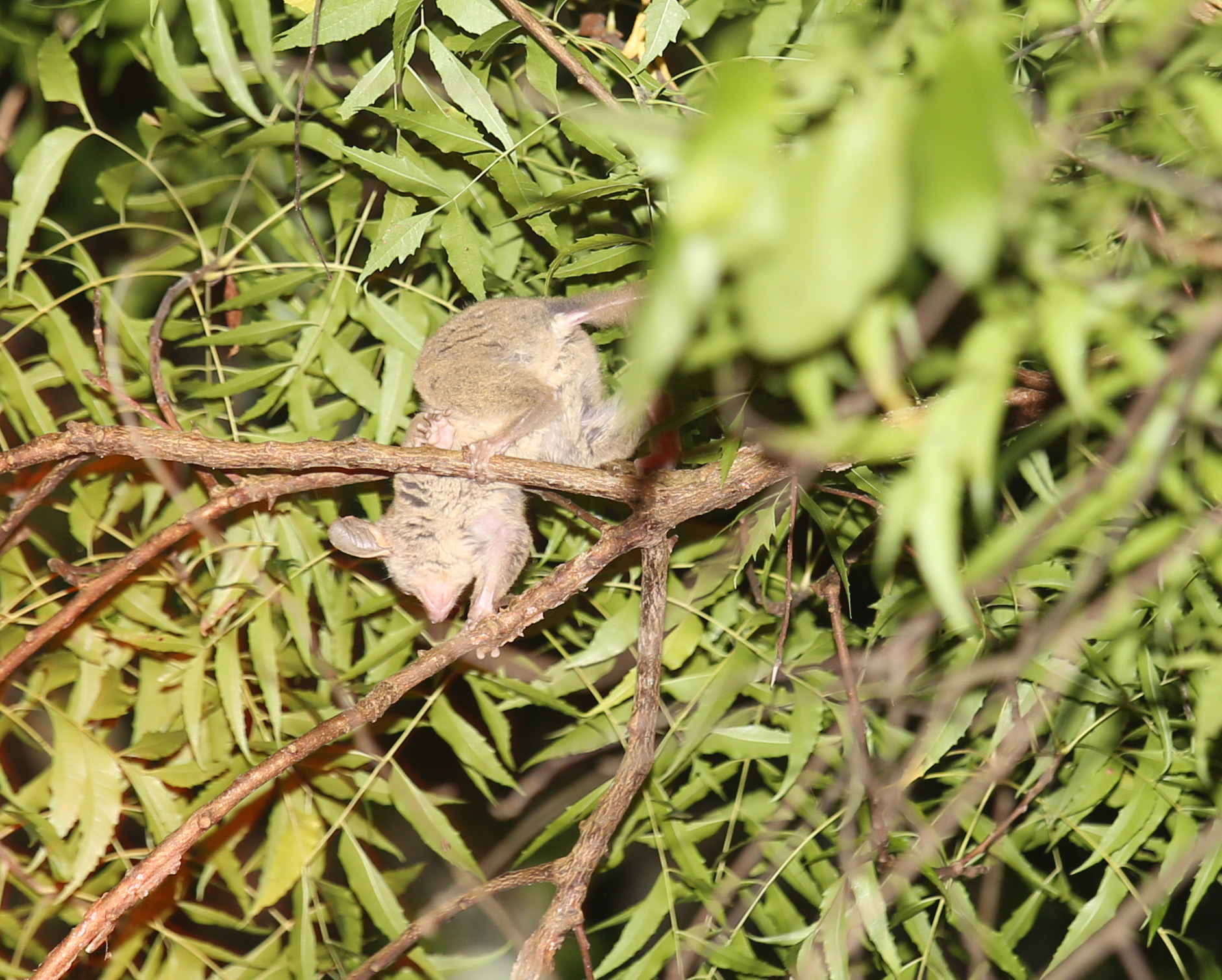
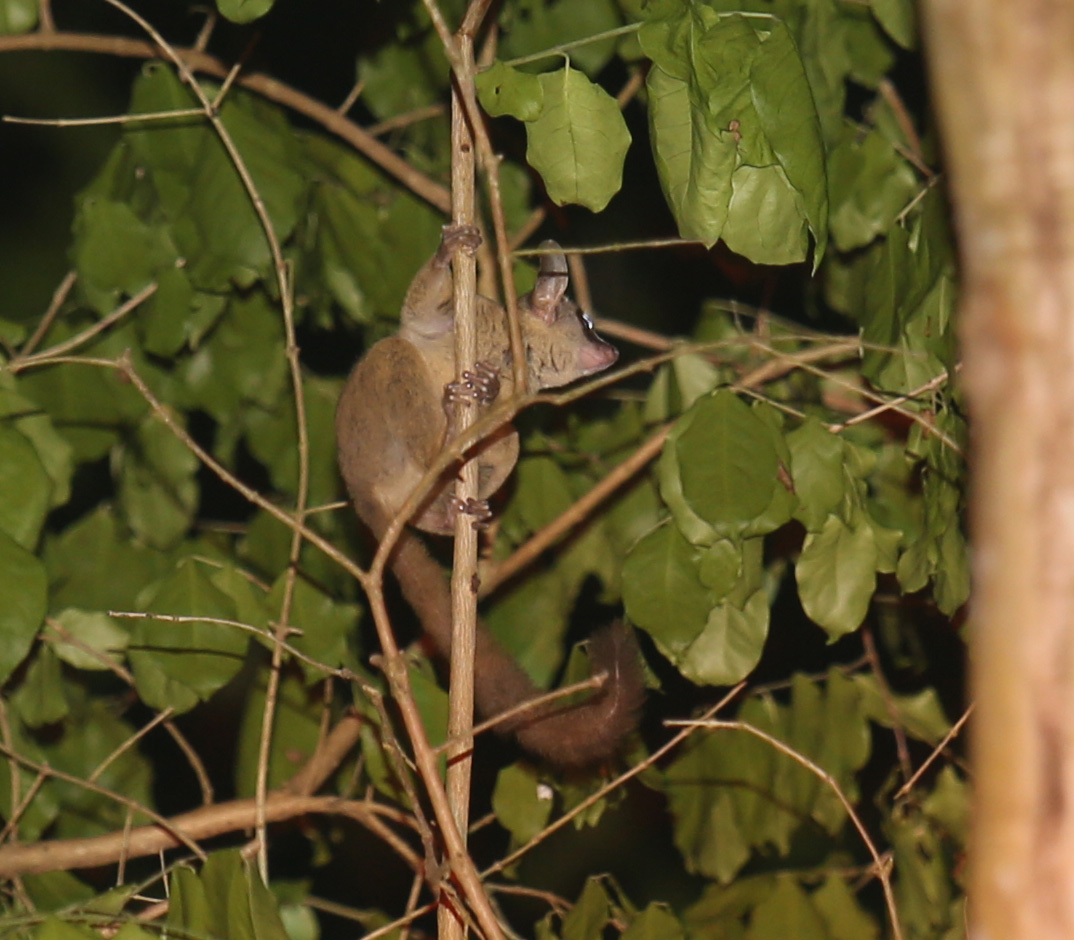
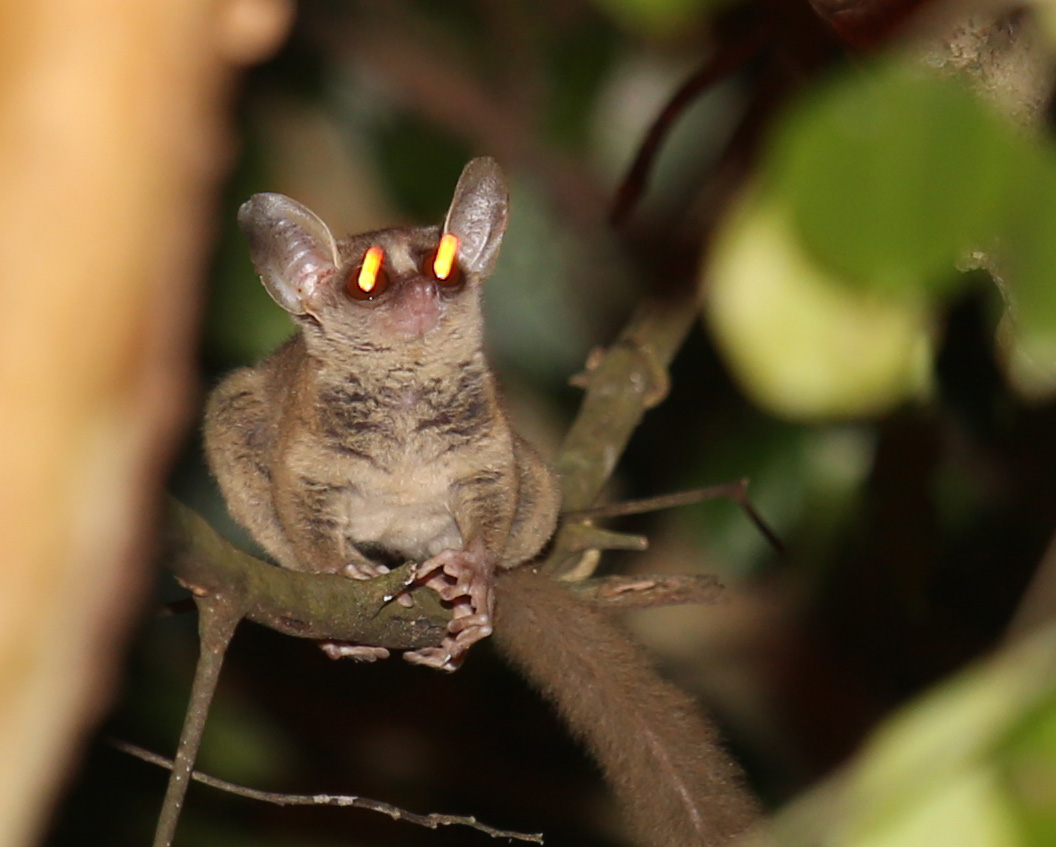
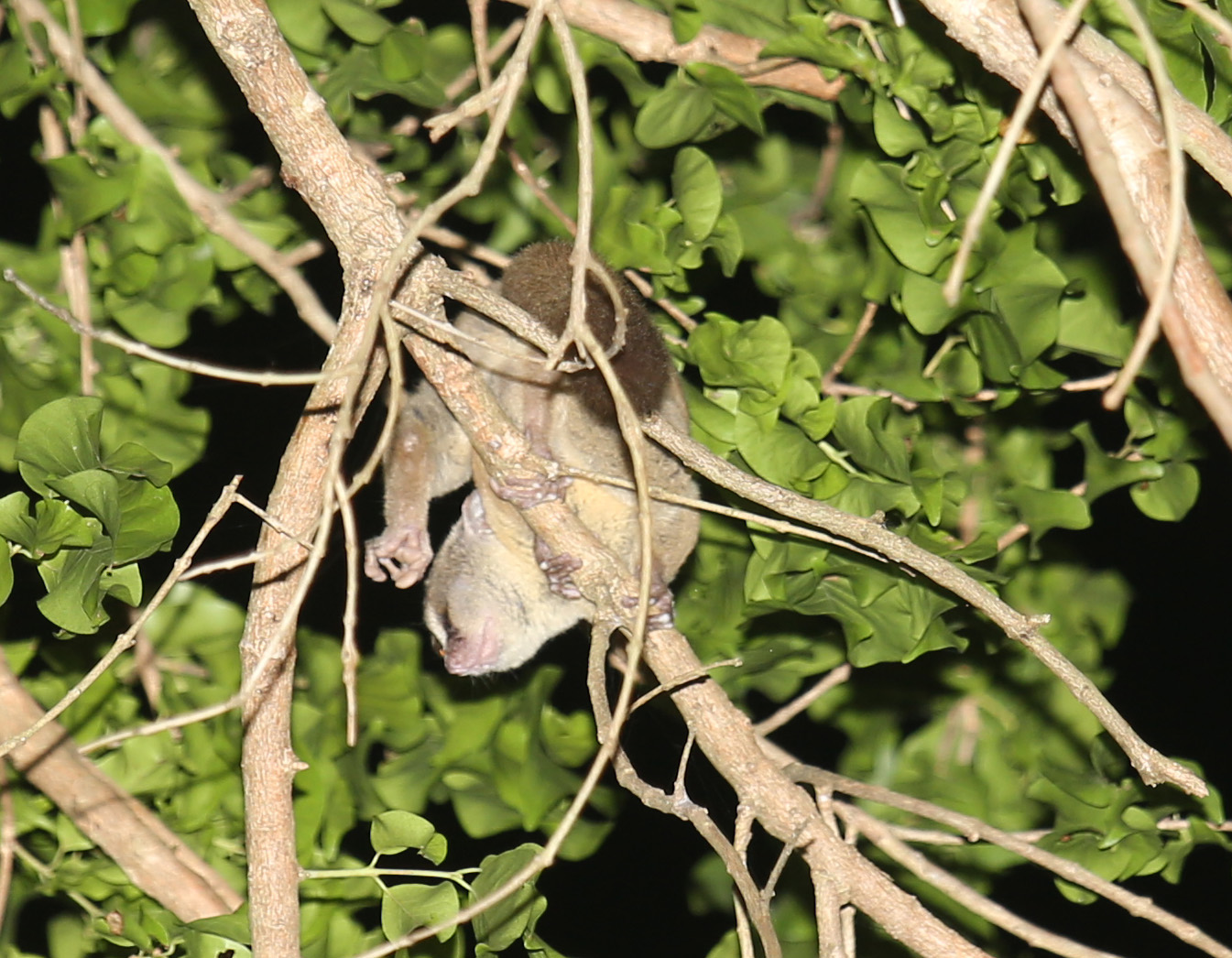
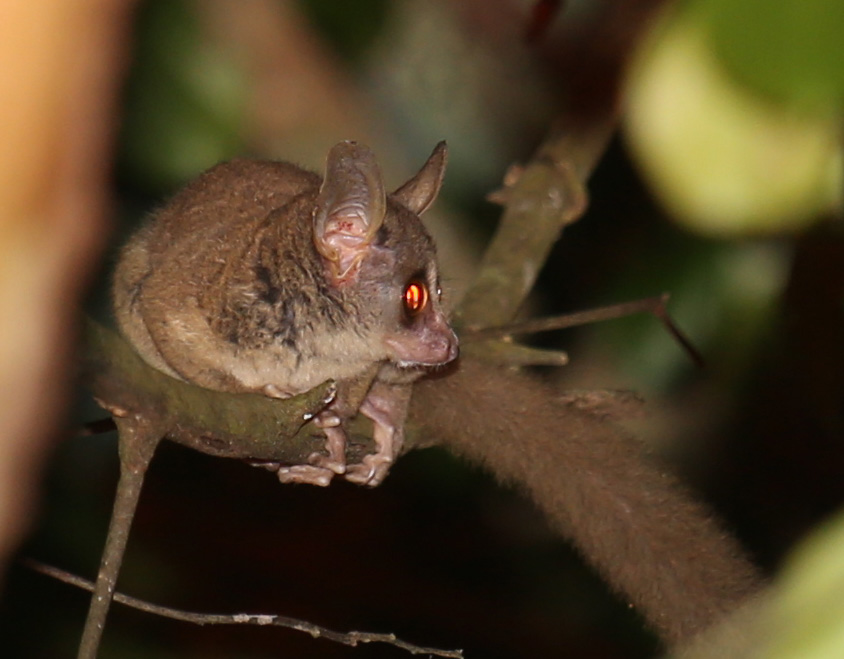
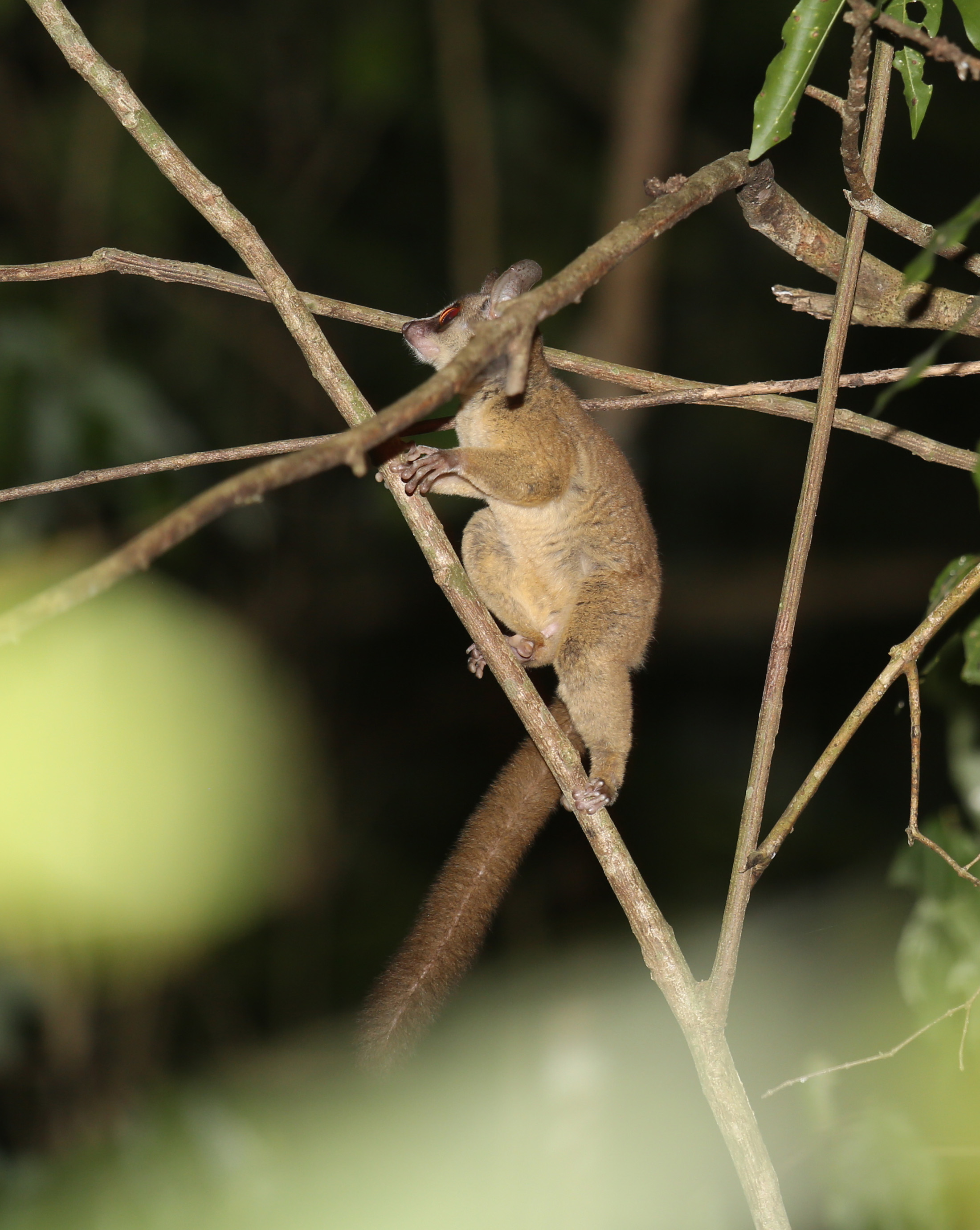
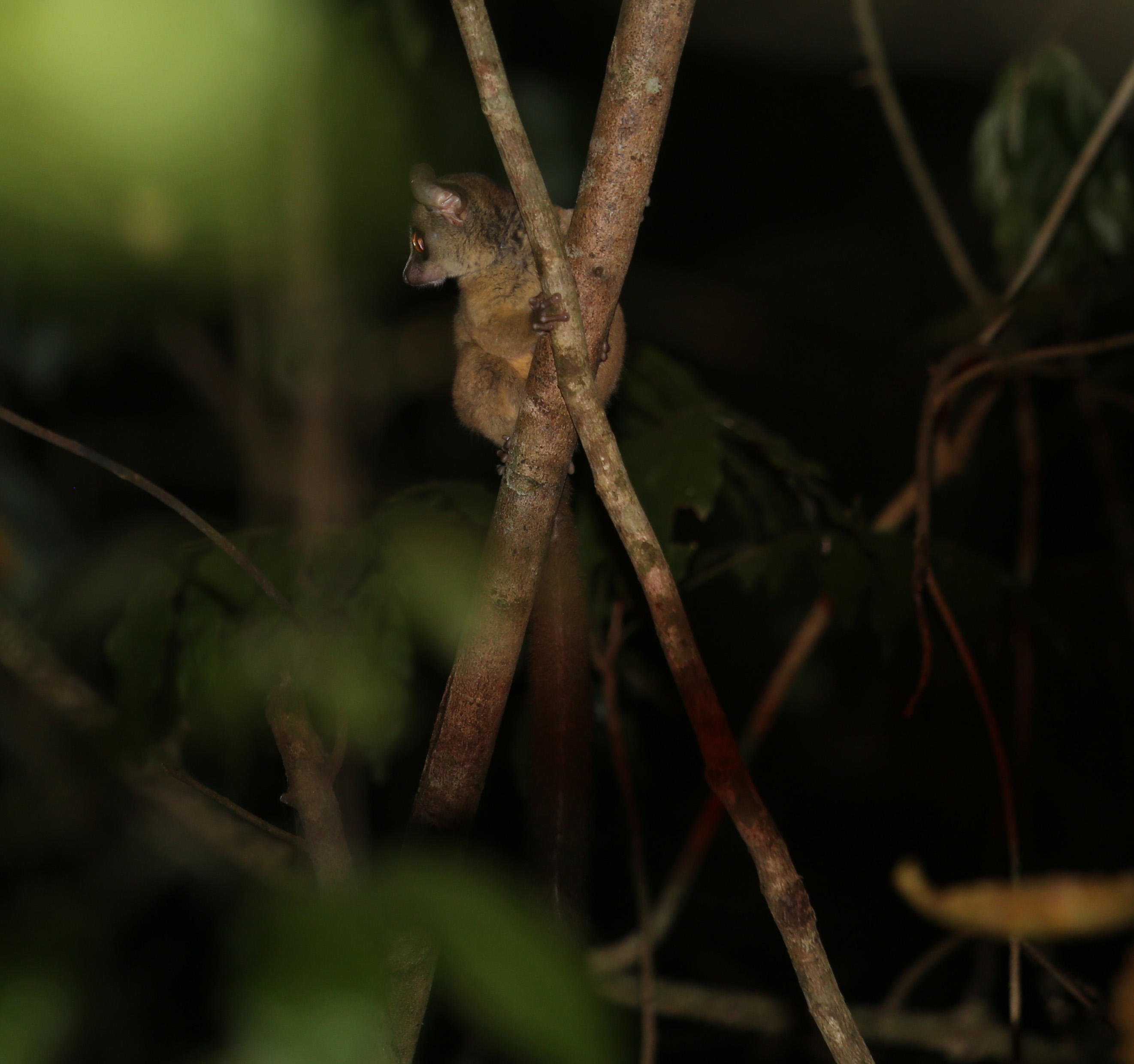
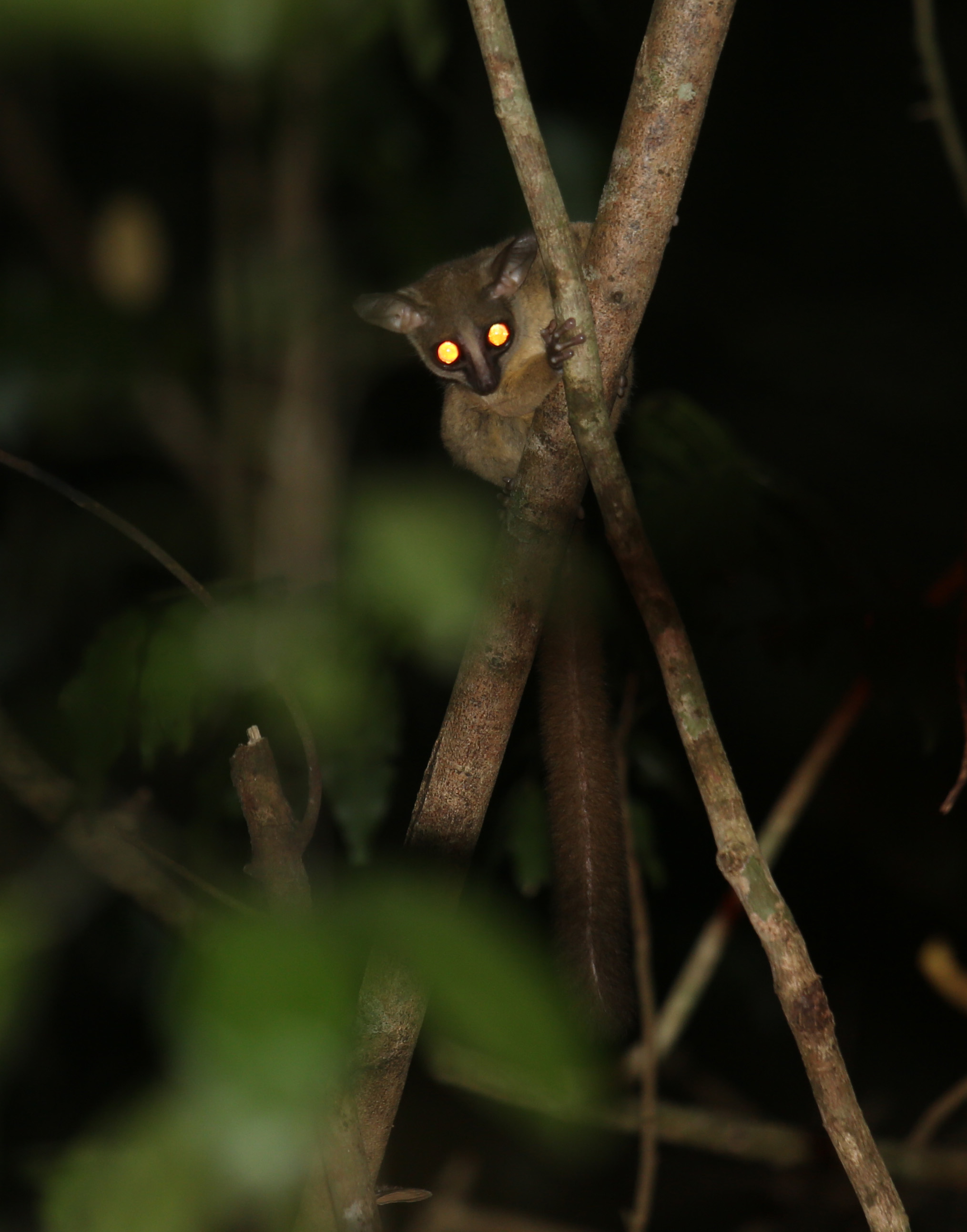
A) Taita dwarf galago from Mbololo forest, B) Taita dwarf galago from Ngangao forest, C) Kenya coast dwarf galago (Paragalago cocos) from Diani Beach, D) Kenya coast dwarf galago from Shimba Hills National Reserve.
Taxonomy of Taita dwarf galagos are still pending on DNA sample.
Reasons why Taita dwarf galago may be new primate species:
- It lives in the elevations between 1550 and 1970 meters, where as Kenya coast dwarf galago has previously been found at highest from elevation 350 m.
- The environment high up in the mountain is severely colder, and trees are much bigger.
- Populations have been isolated for a very long time. Possibly arount 0.8-2 million years.
Why Taita dwarf galago may be same species as Kenya coast dwarf galagos:
- Acoustic calls are quite similar, not completely, by quite close.
- Dwarf galagos feed on insects, and insects should be, nutritiously, quite similar.
- Long isolation time doesn’t always mean speciation, if species has not had the need to change to survive.
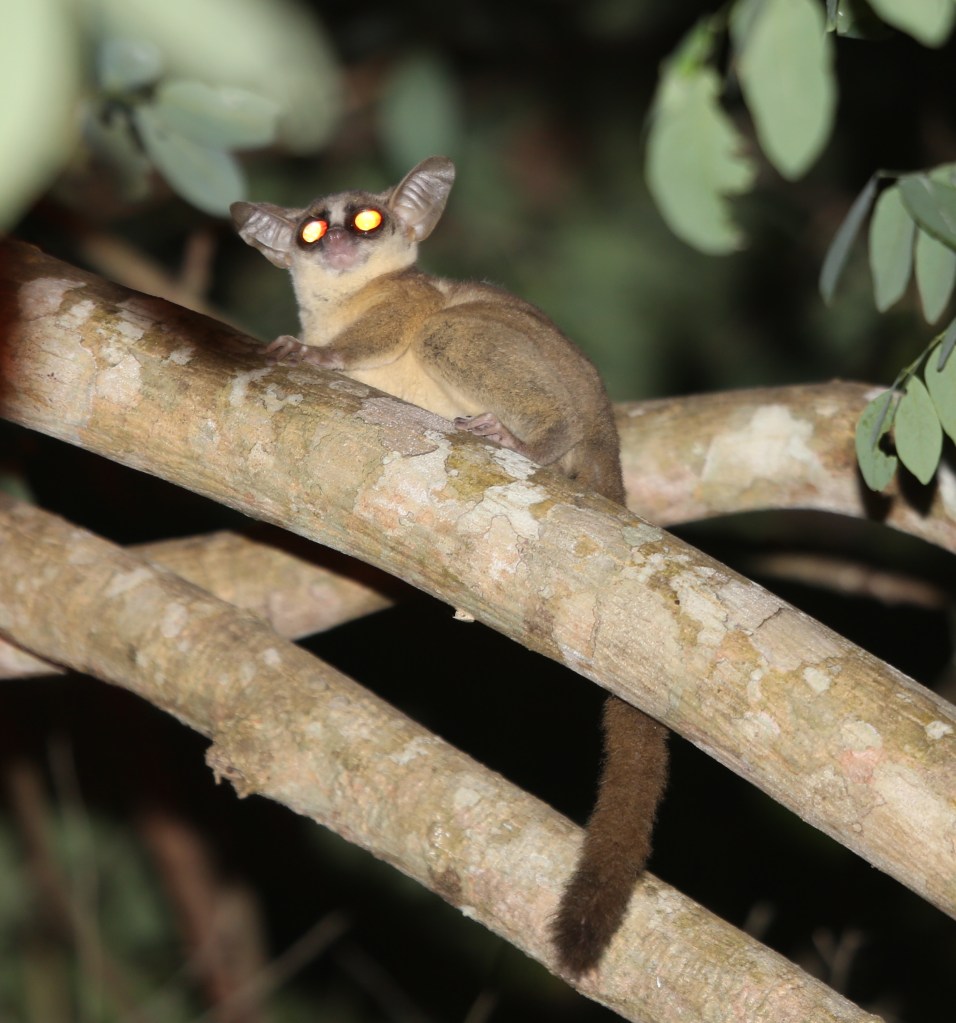
Kenya coast dwarf galago from Diani Beach. They too are under severe danger of going extinct, as the indigenous forests have been cleared.
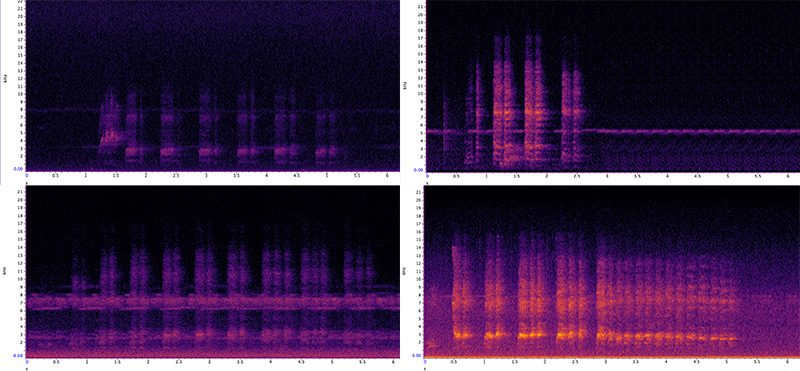
Spectrograms of the dwarf galago contact calls, up left Mbololo, up right Ngangao, down left Diani, down right Shimba Hills.
It seems, that typically in the contact calls have two connecting syllables. At the coast it typically (but not always) leads to longer incremental tail.
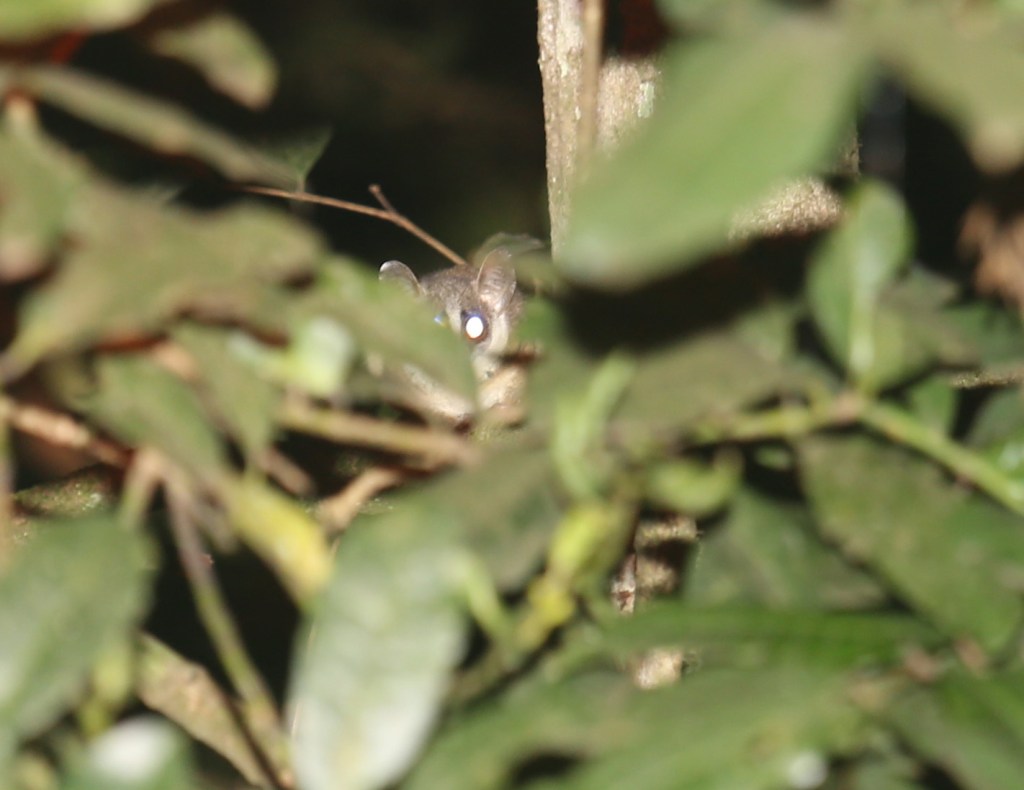
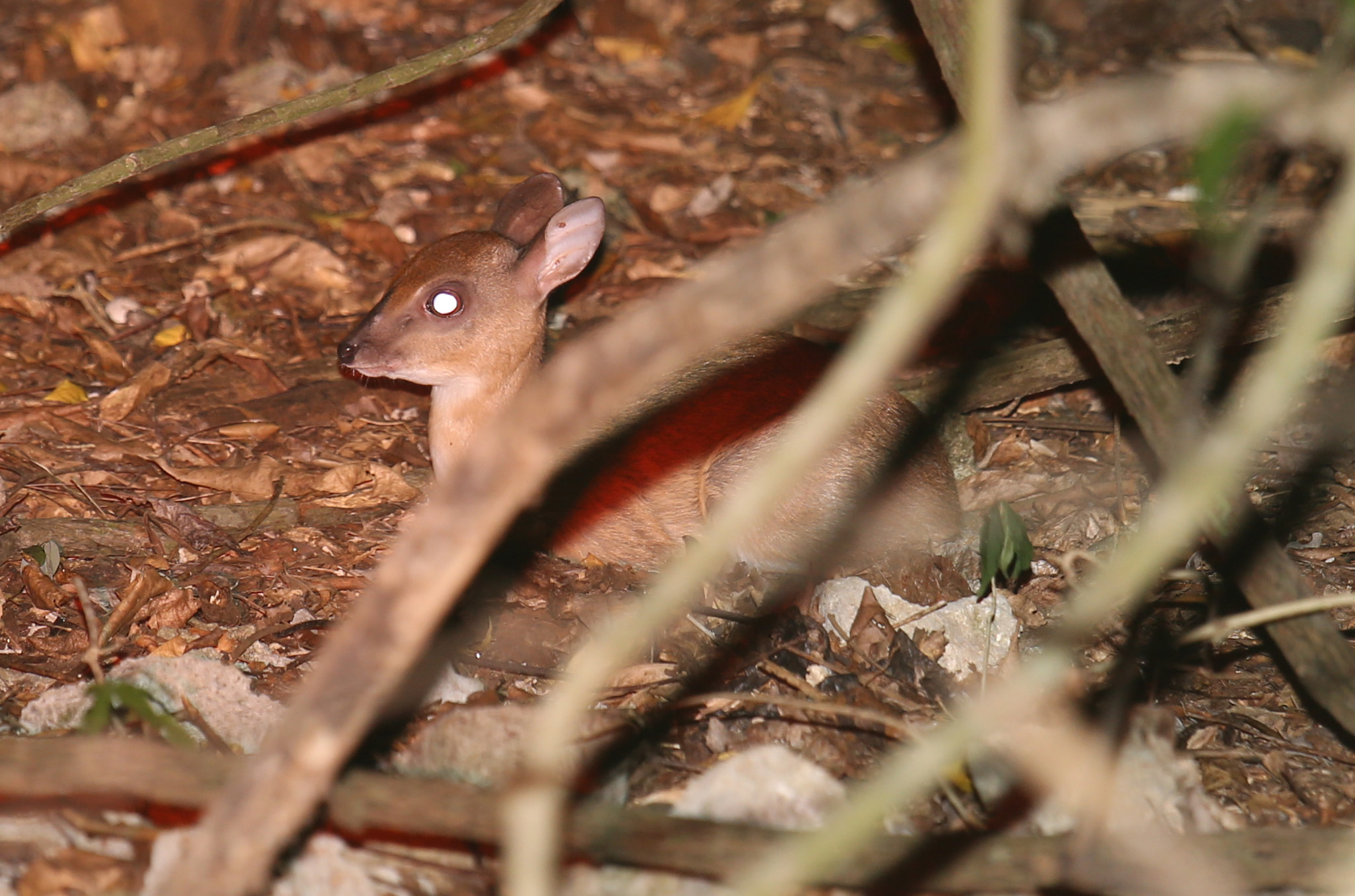
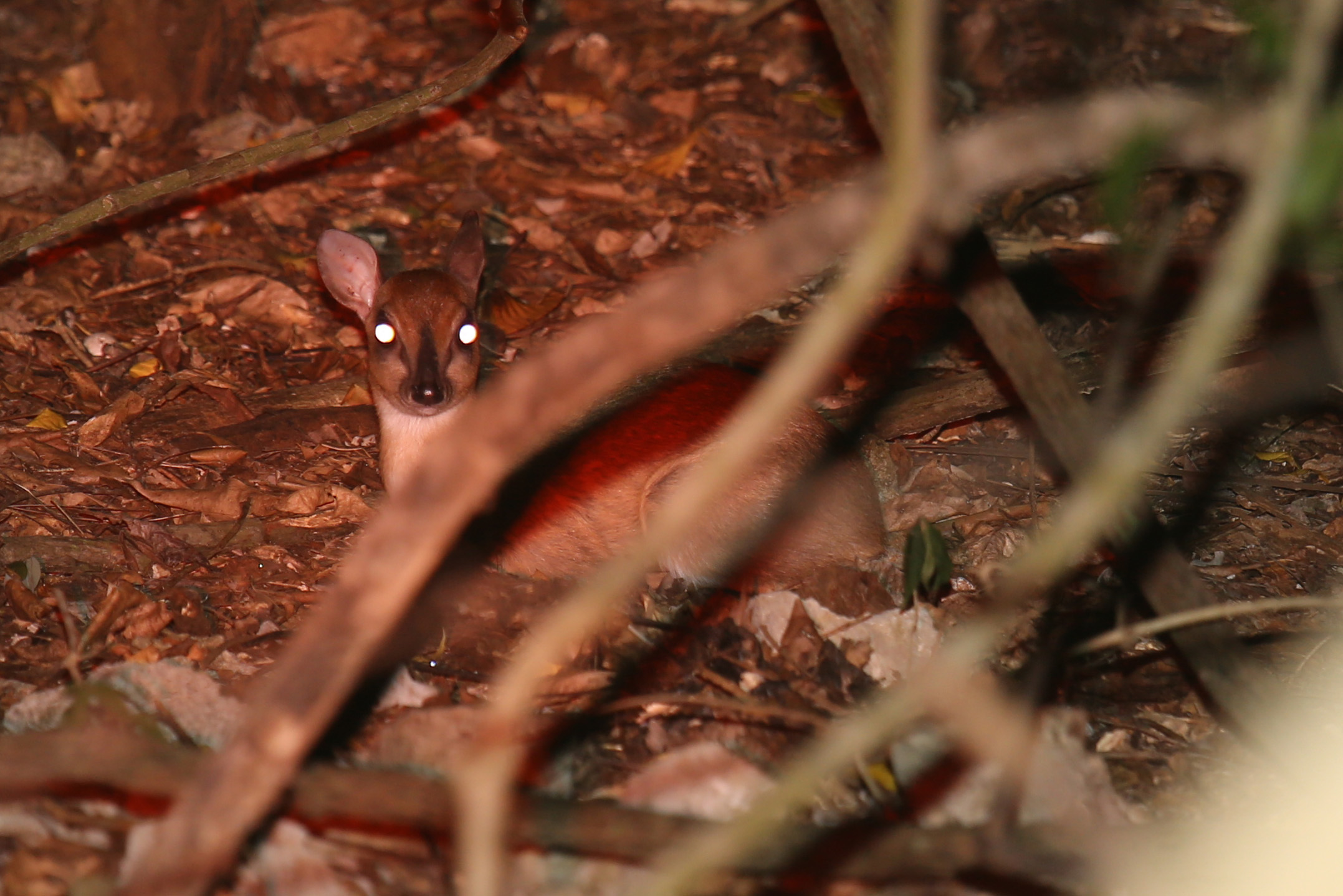
Mbololo dwarf galago is shy, and to my belief only few people, including me and my two assistants (Benson and Darius) have seen it. And these are only photographs of the Mbololo dwarf ever taken.
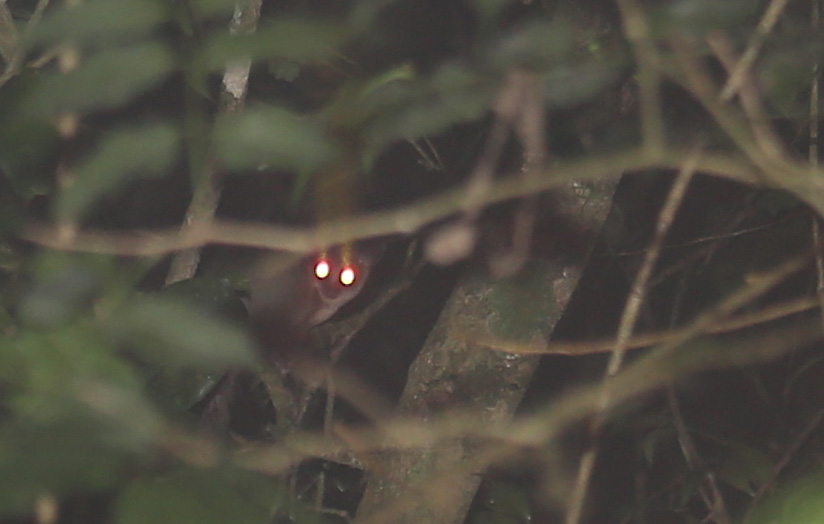
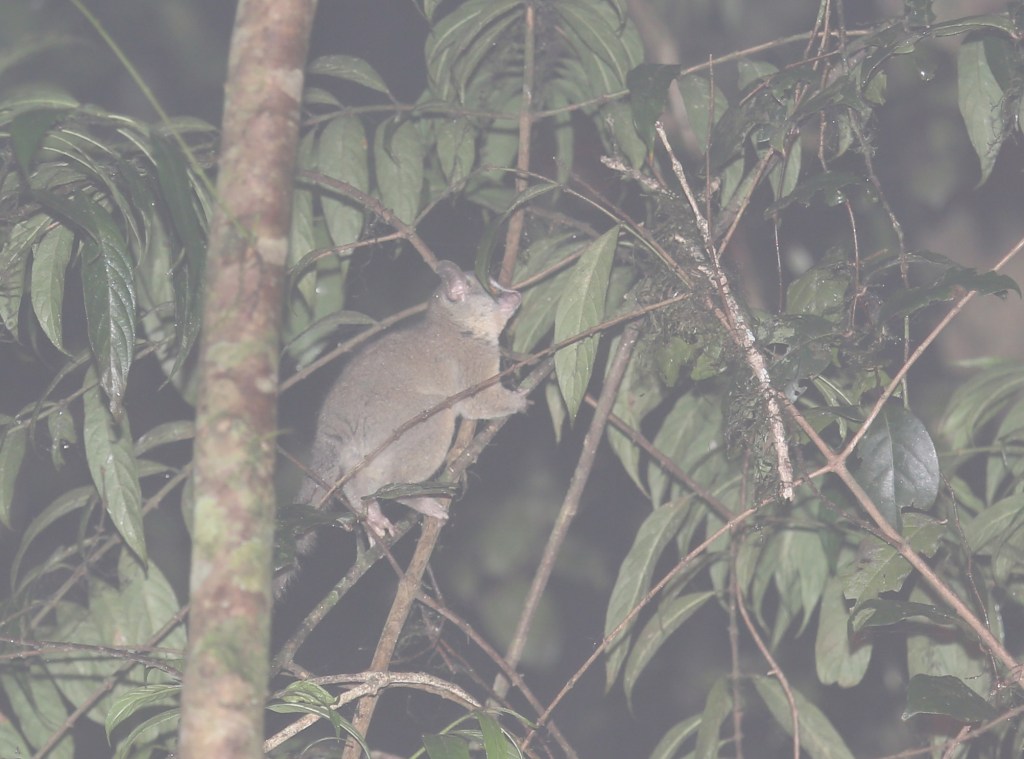
I sincerely hope that dwarf galago will have a future in Mbololo forest.
Dwarfs in Taita Hills are heading for extinction!
There is less than 10 individuals left in Ngangao forest.
In Mbololo, my rought guess is that there is about 50 individuals left.
Considering how different factors may kill individuals, these include predators, diseases, accidents, inbreeding…
This is not enough for healthy population.
Size of both forest has to be increased.
During 2023 I have done fieldwork in many different forests of East Africa. Comparing these forests to general conditions of forests in East Africa, these are the best forests.
Ngangao and Mbololo are primary forests, and this is very, very rare! Conservation and increase of the forest size should be of highest conservation priority.
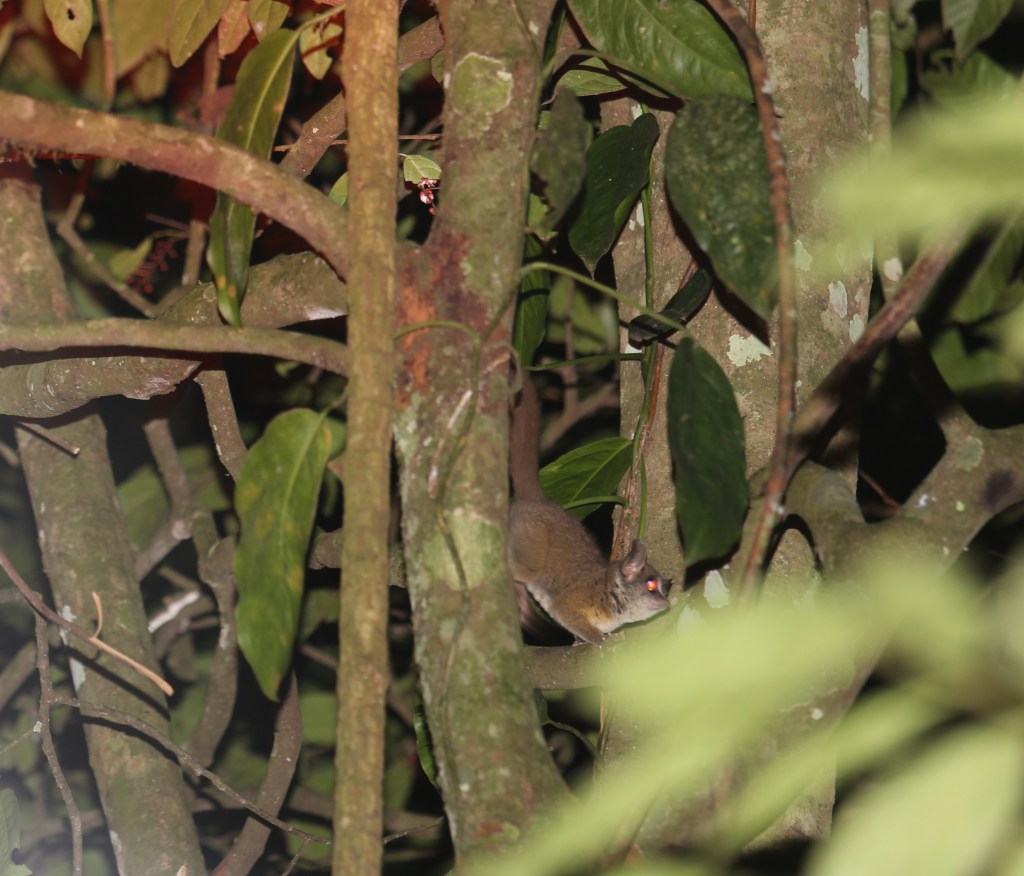
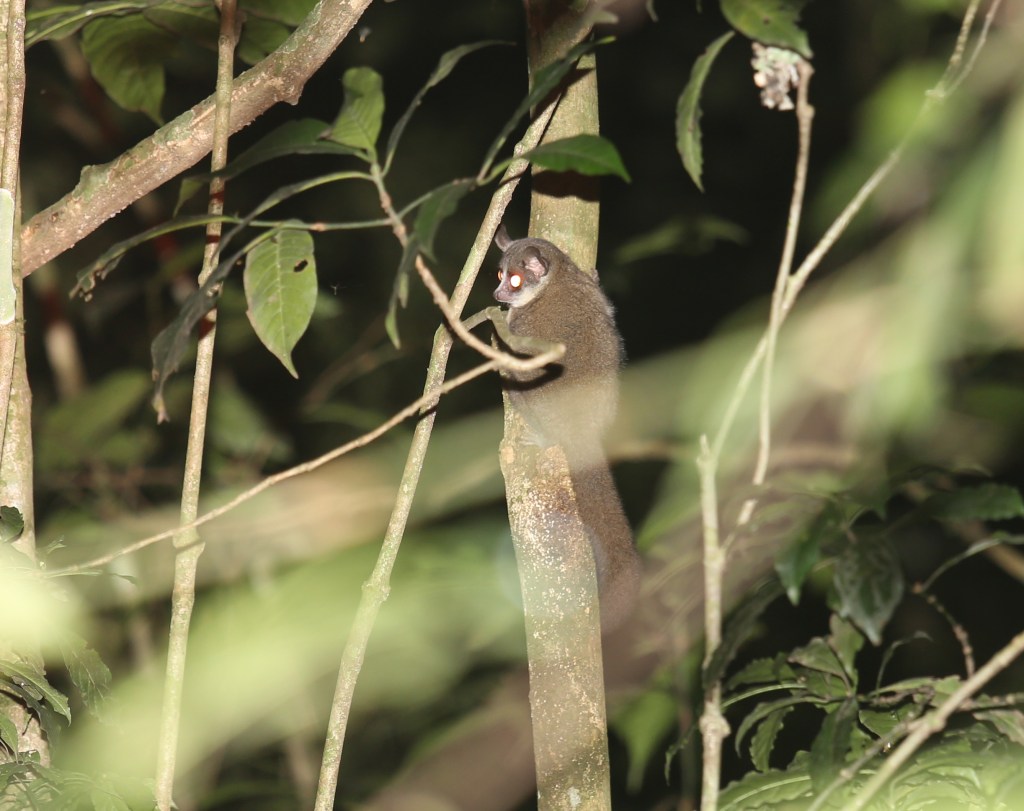
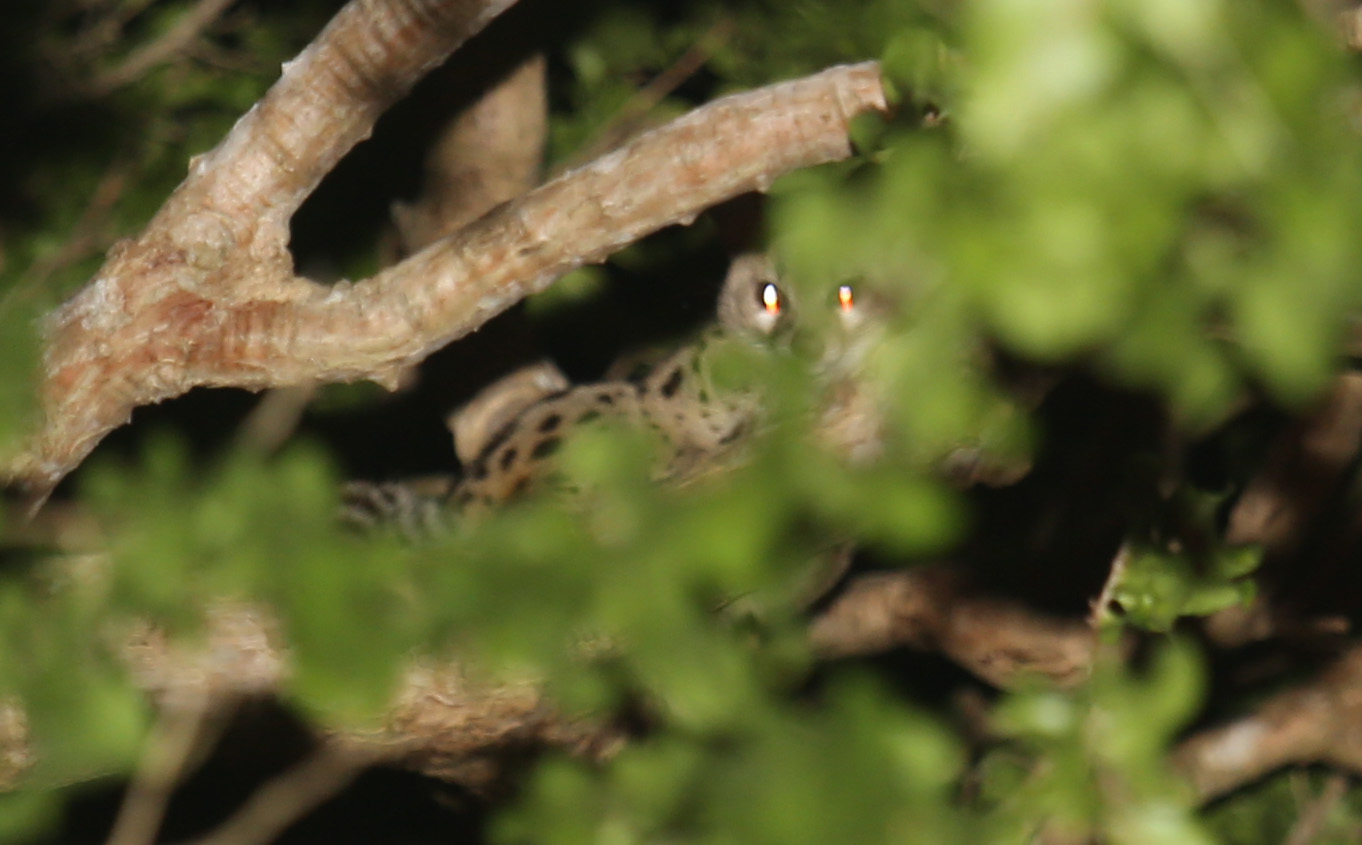
Dwarf galago from Ngangao forest, Taita Hills, Kenya
 Animals of Taita, Kenya