Hanna Rosti, Janne Heiskanen, Simon Bearder, Petri Pellikka and Jouko Rikkinen
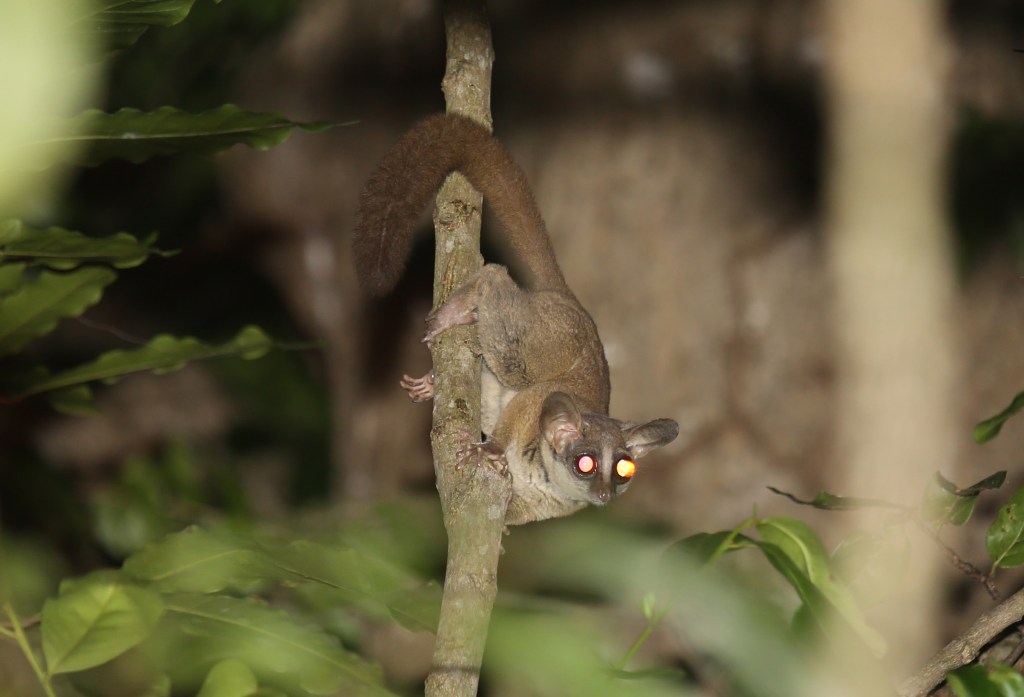
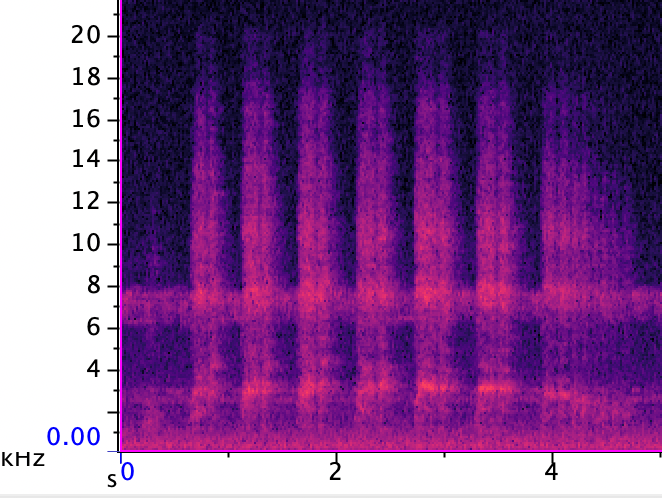
Calls from Mbololo Paragalagos:
Read next: Conservation of Mbololo and Ngangao Forests
For more information contact hanna.z.rosti(at)helsinki.fi
Hanna Rosti, Janne Heiskanen, Simon Bearder, Petri Pellikka and Jouko Rikkinen
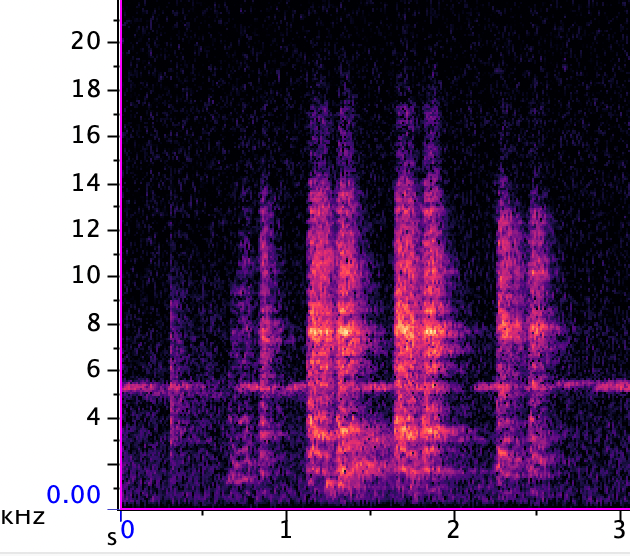
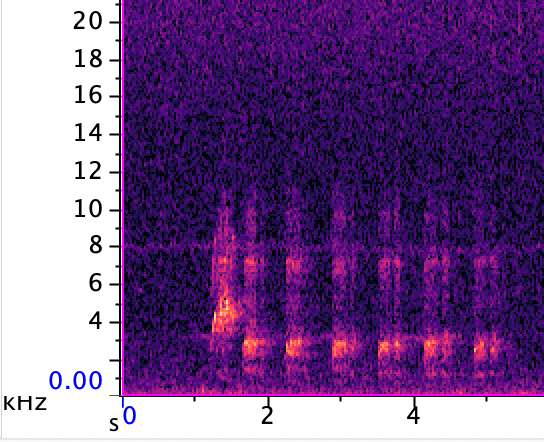
Calls from Mbololo Paragalagos:
Read next: Conservation of Mbololo and Ngangao Forests
For more information contact hanna.z.rosti(at)helsinki.fi
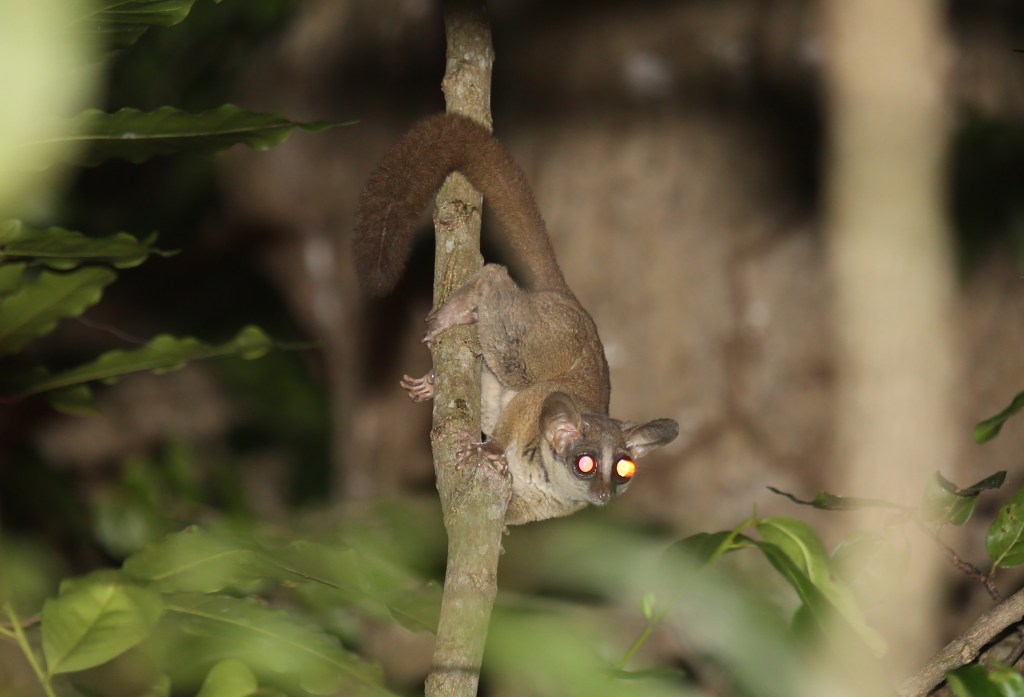
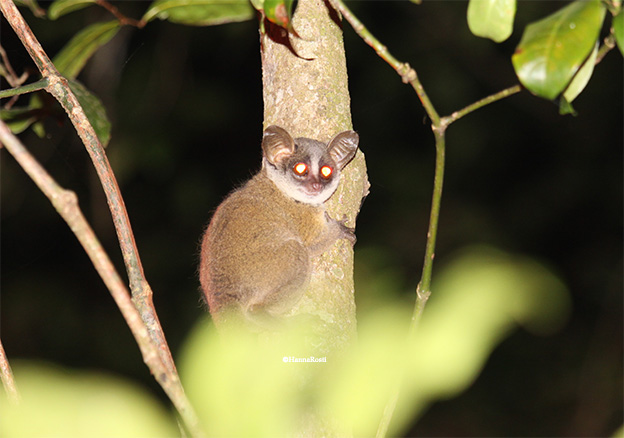
This tiny primate goes unnoticed by perhaps to almost all visitors in Diani Beach. When people see it for the first time it feels incredible. It is a very special moment.
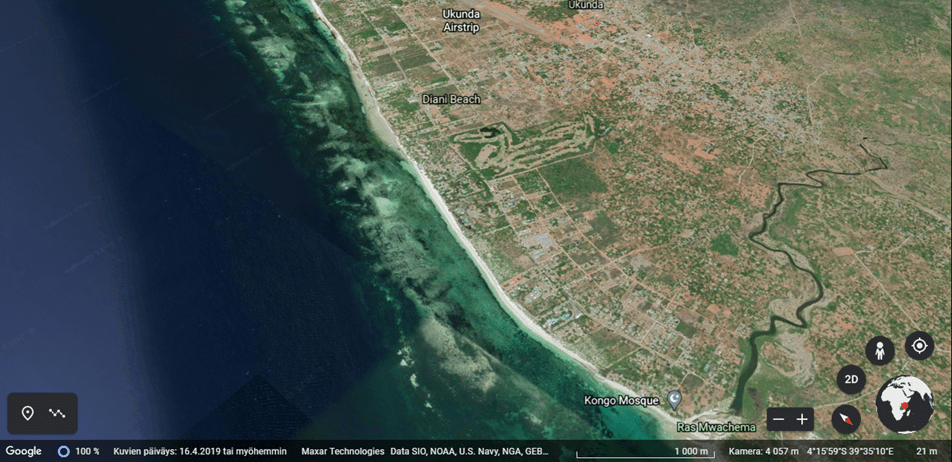
In Diani Beach dwarf galagos are living on the last small fragments of indigenous forest. Most of that forest has been cleared. Diani beach is densely populated and the beach is filled by hotels.
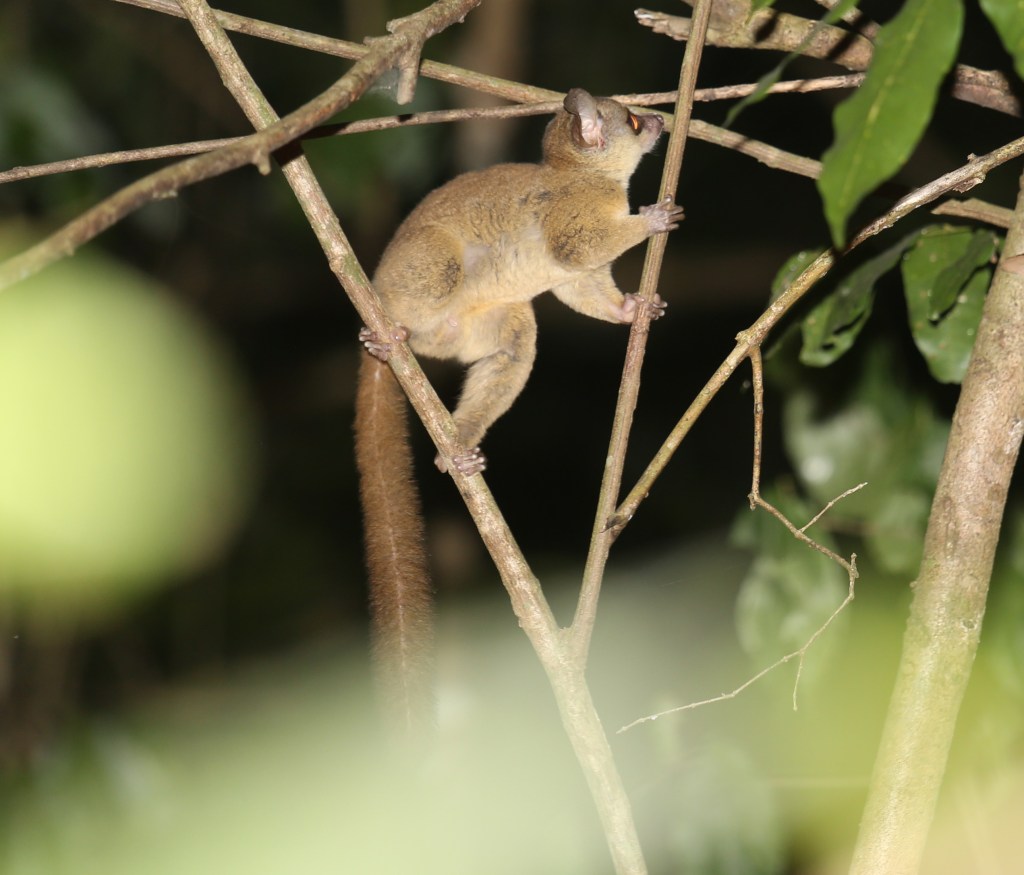
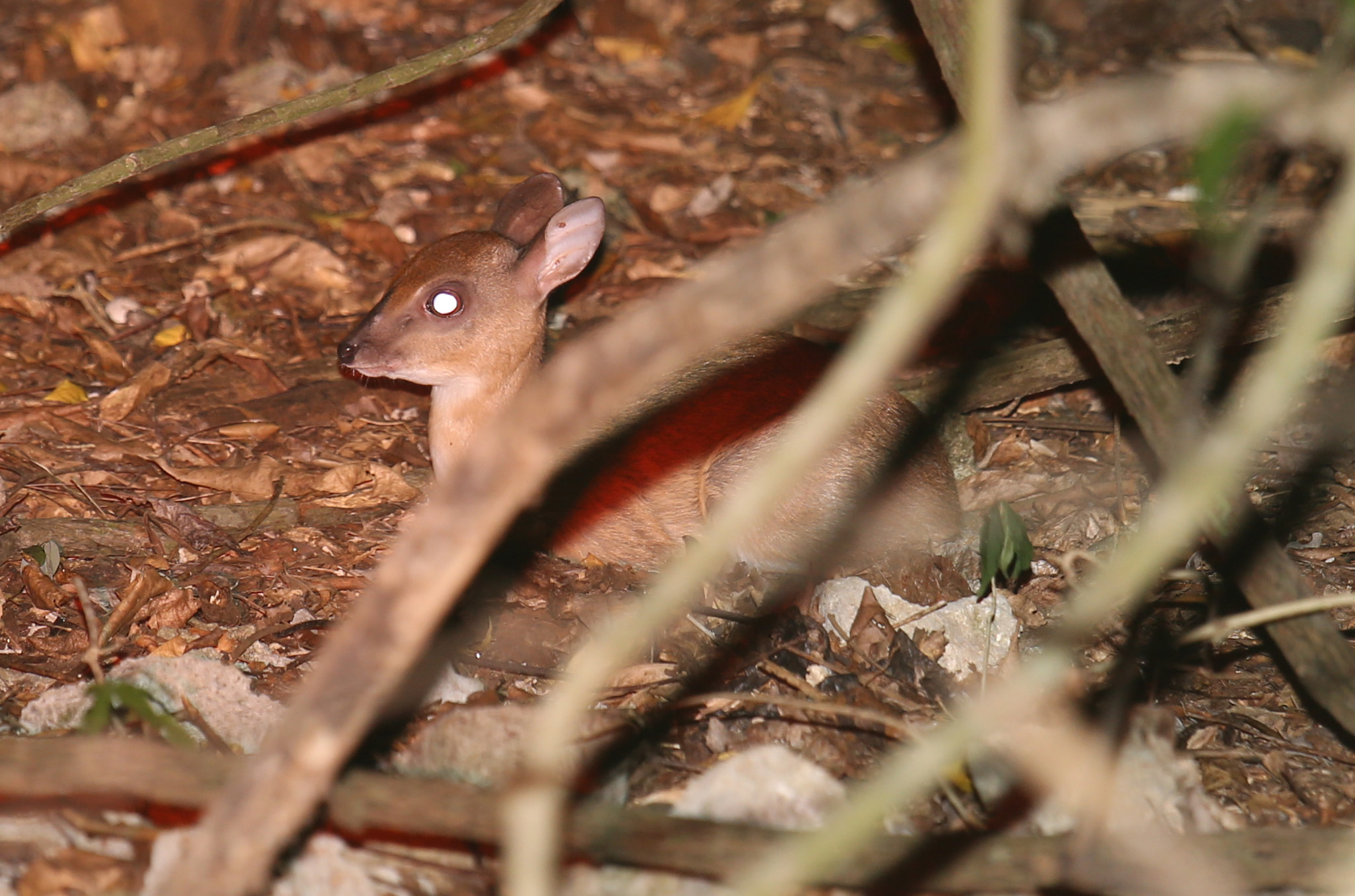
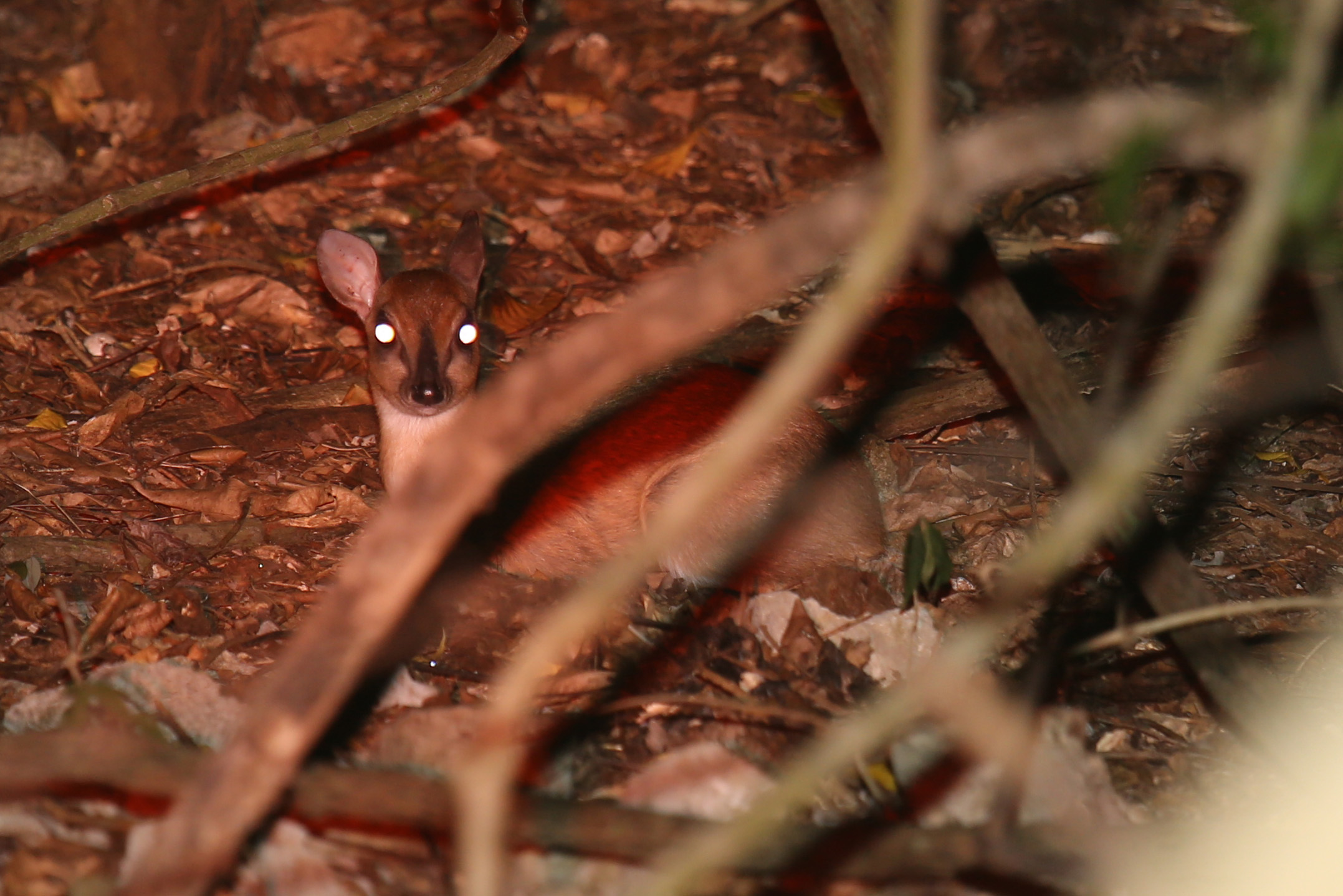
Few hotels have kept their indigenous forest. And now these forests are packed with animals. At night active are coastal sunis (tiny antelopes), genets, greater galagos and these dwarf galagos.
Are these small forest fragments enough to keep these populations alive in a long run, I guess nobody knows.
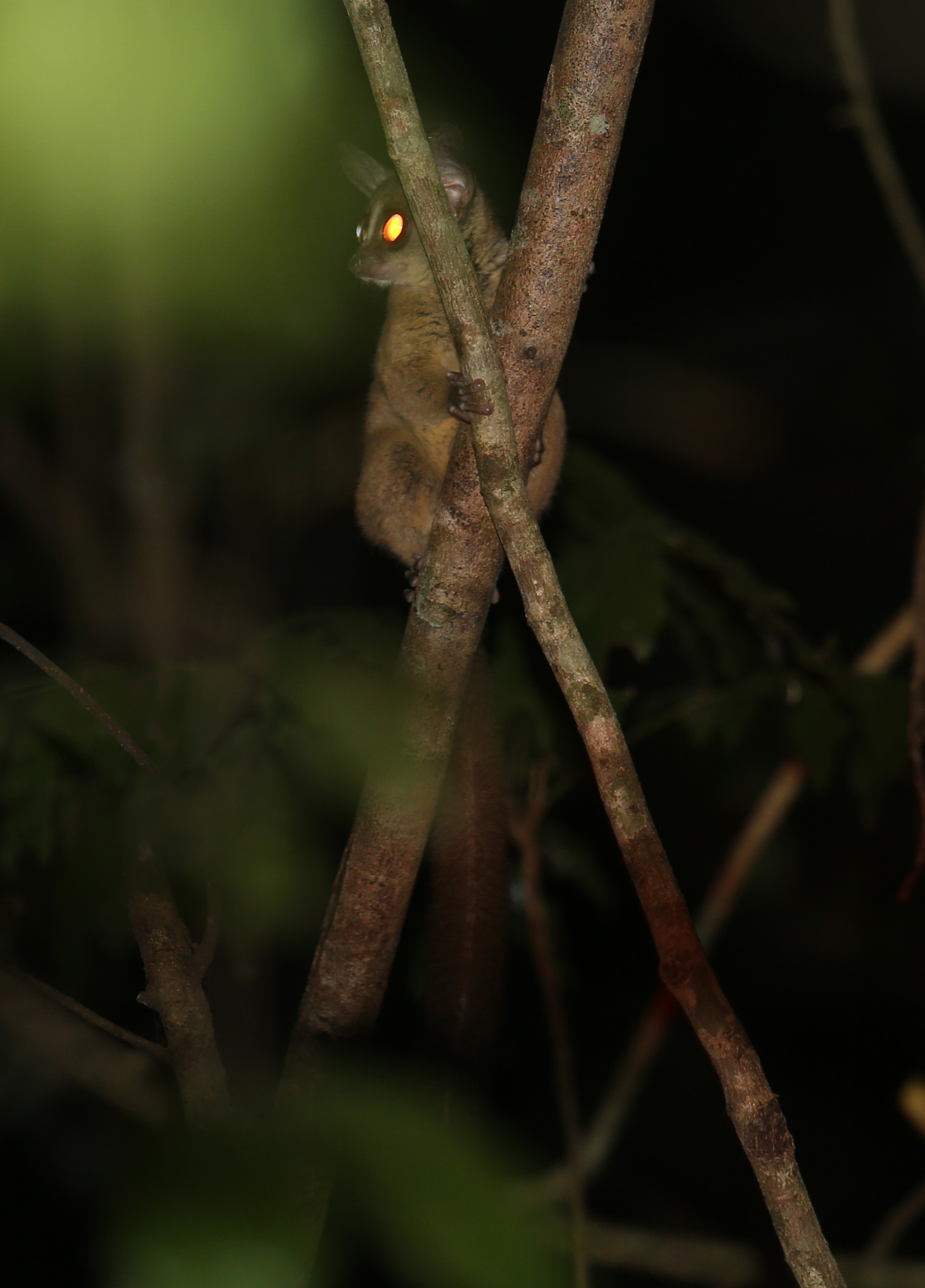
Dwarf galagos feed mainly on insects. In Diani Beach, indigenous forests are filled with insects of different kinds throughout the year.
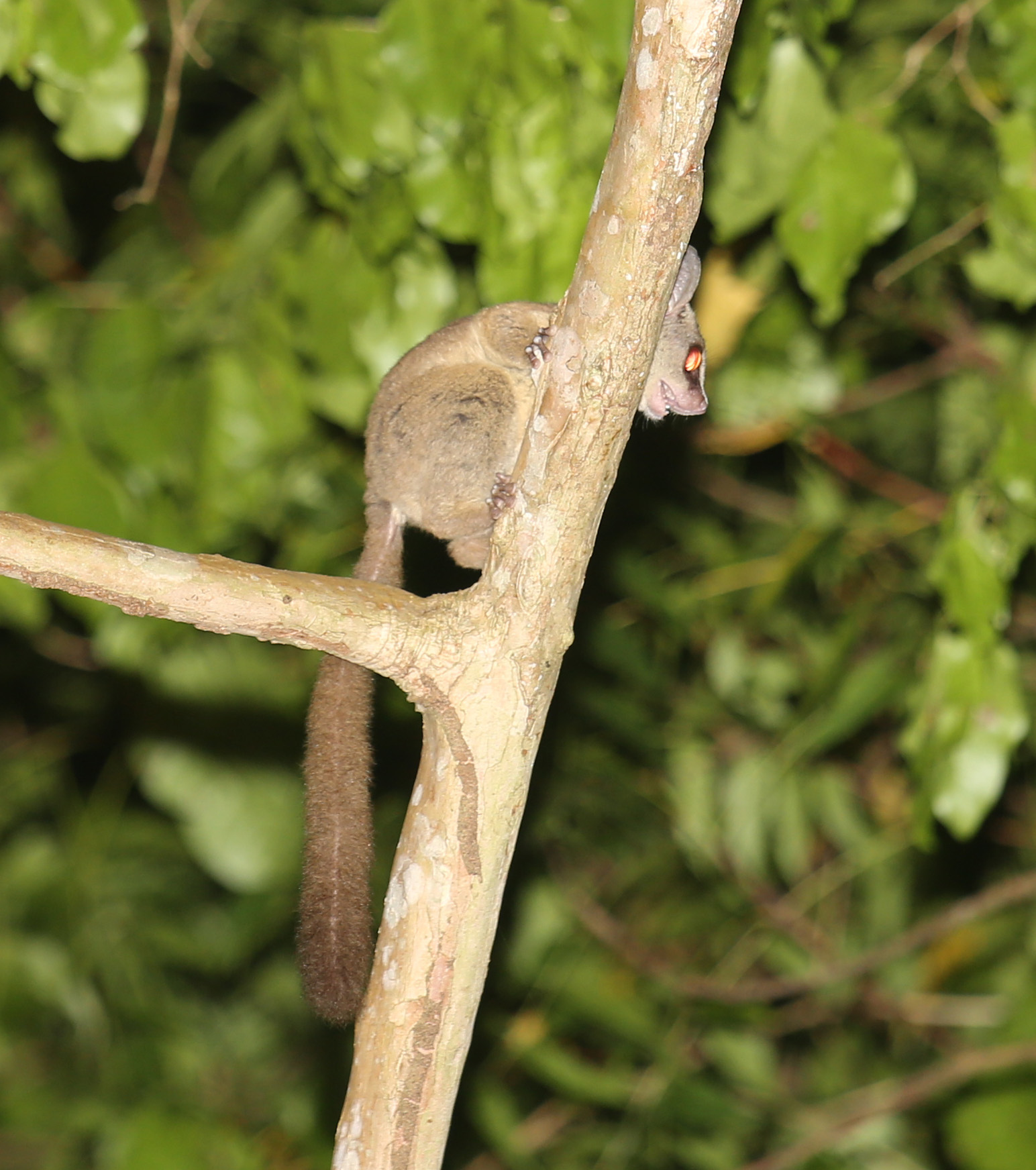
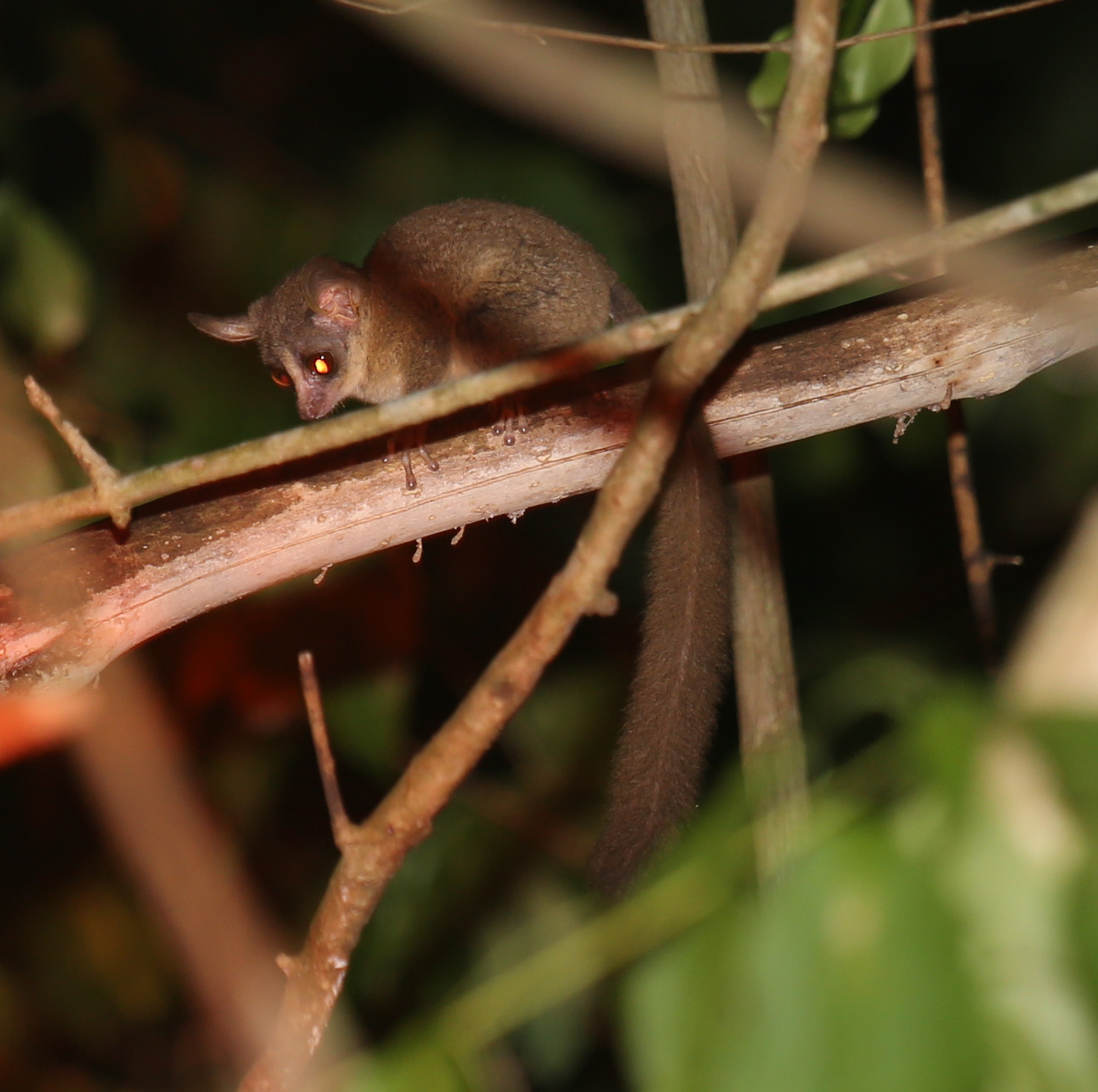
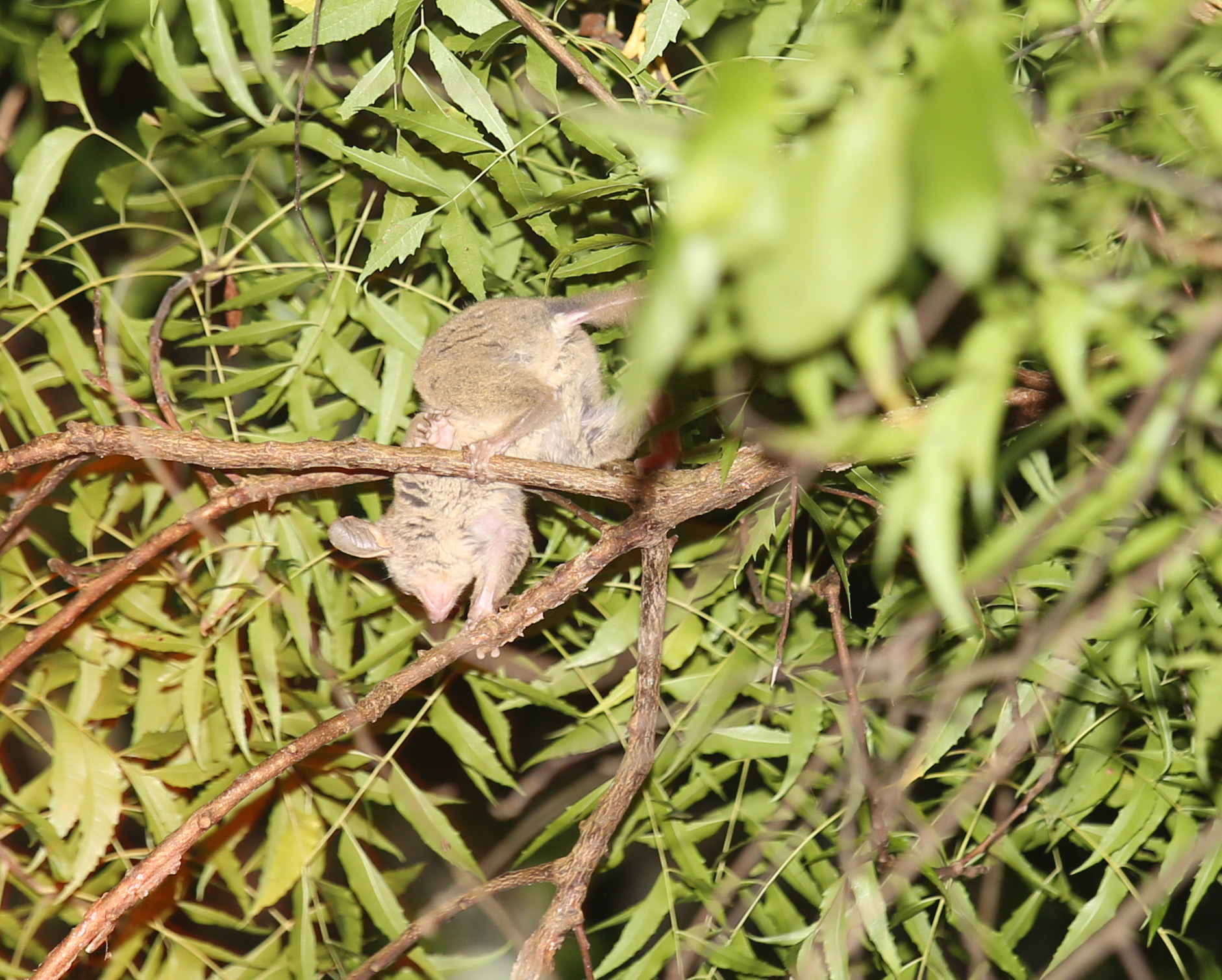
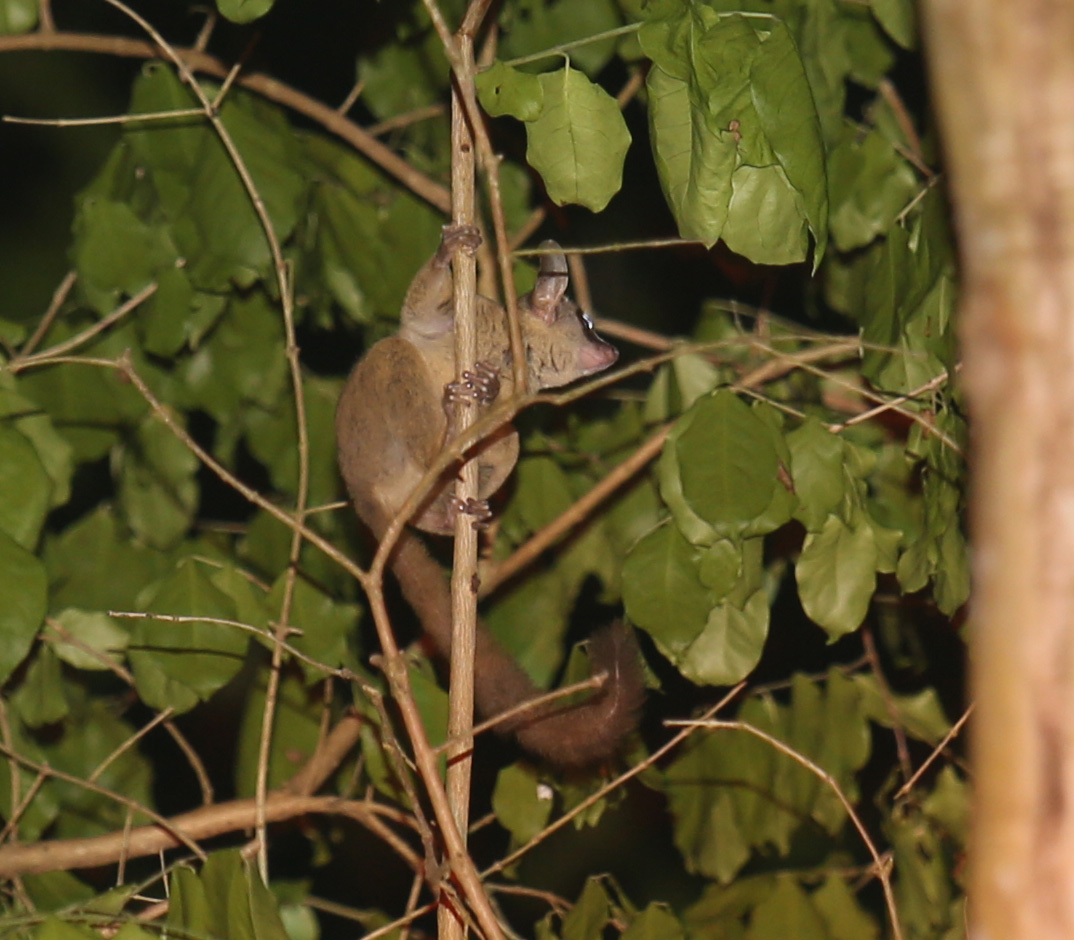
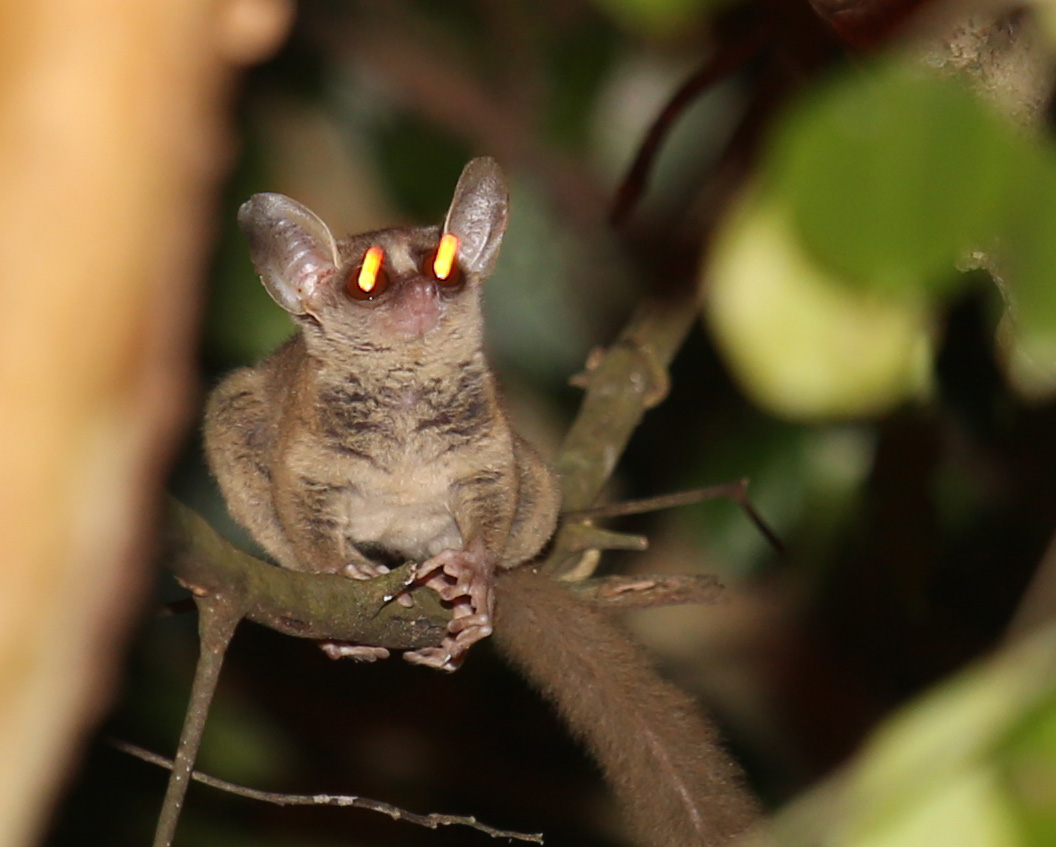
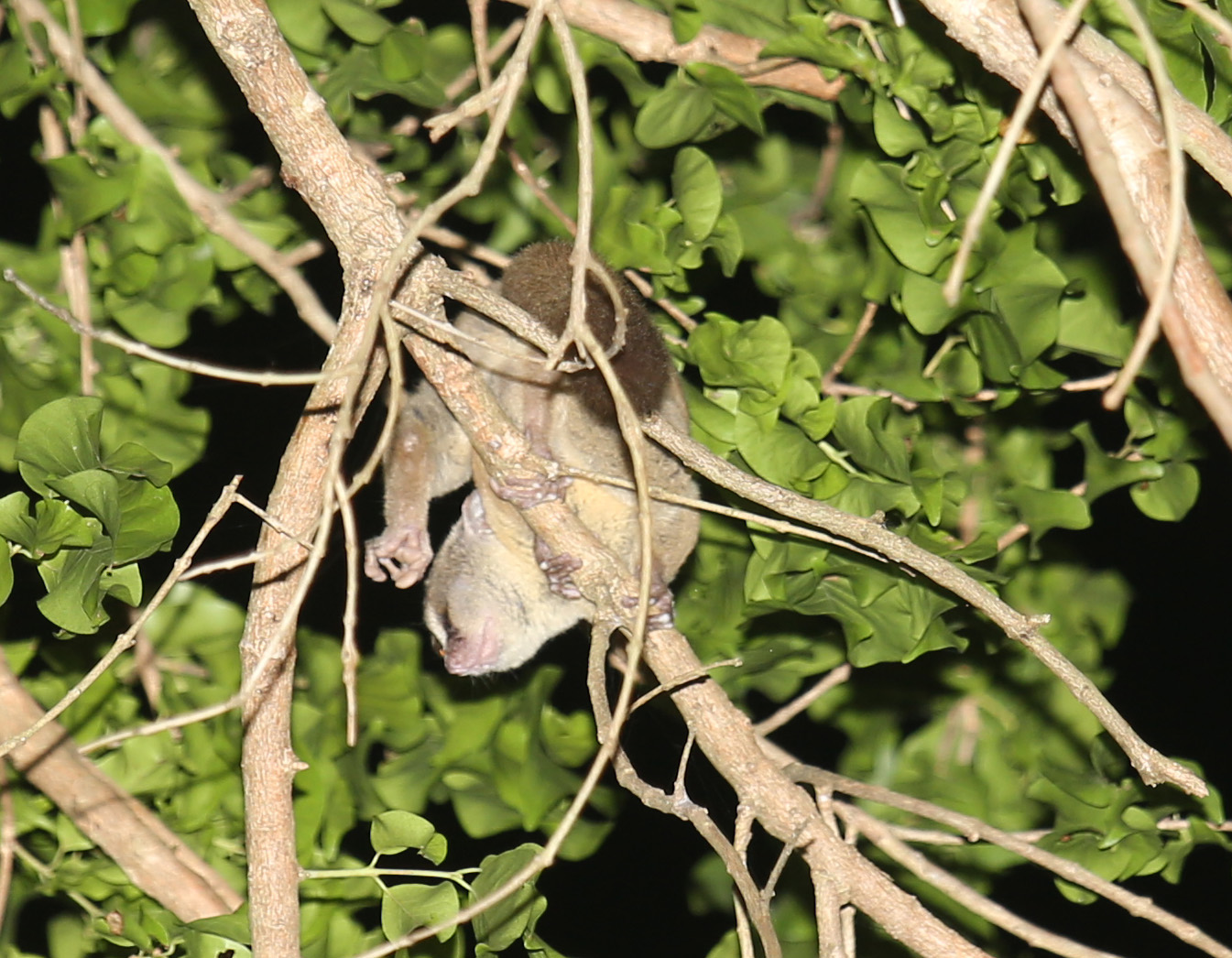
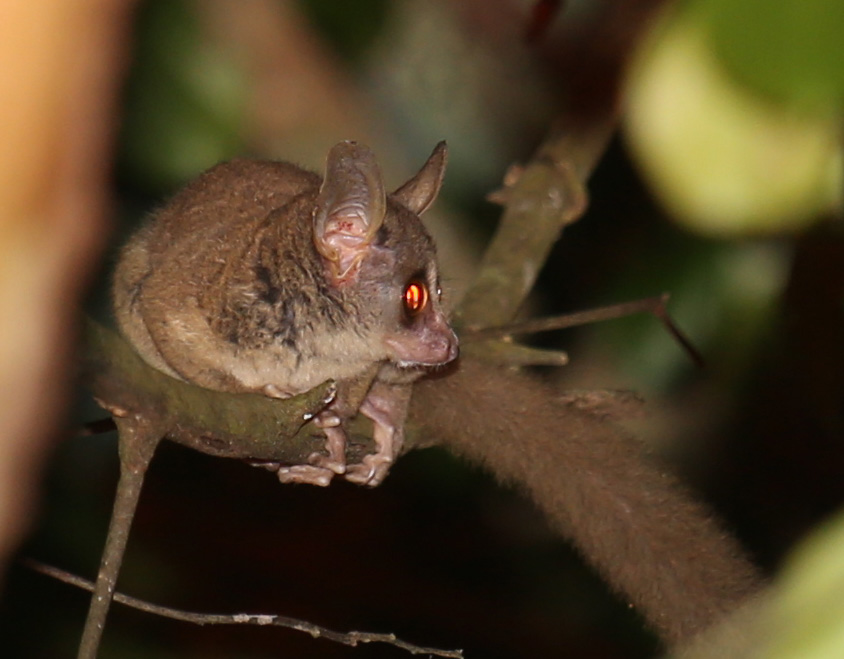
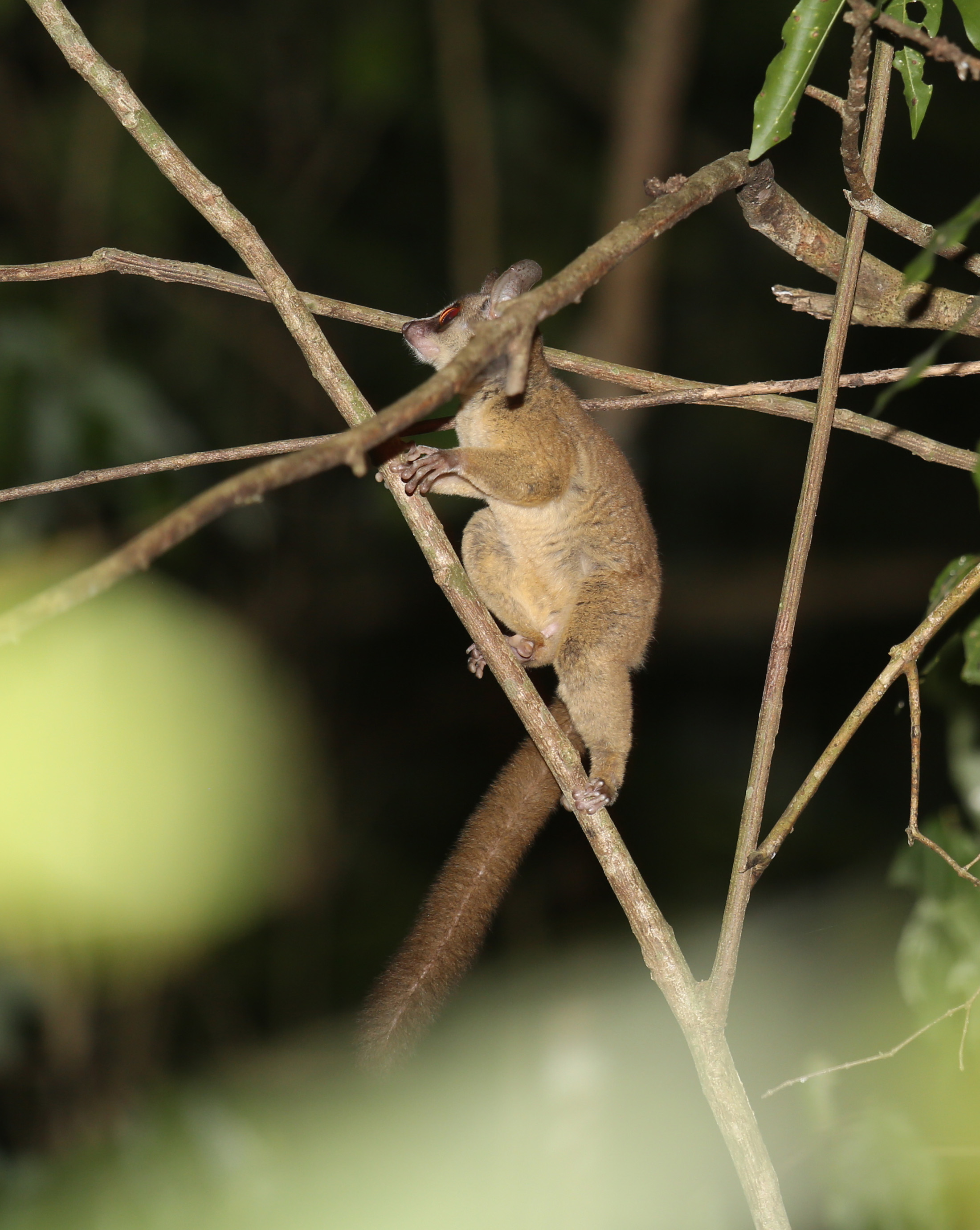
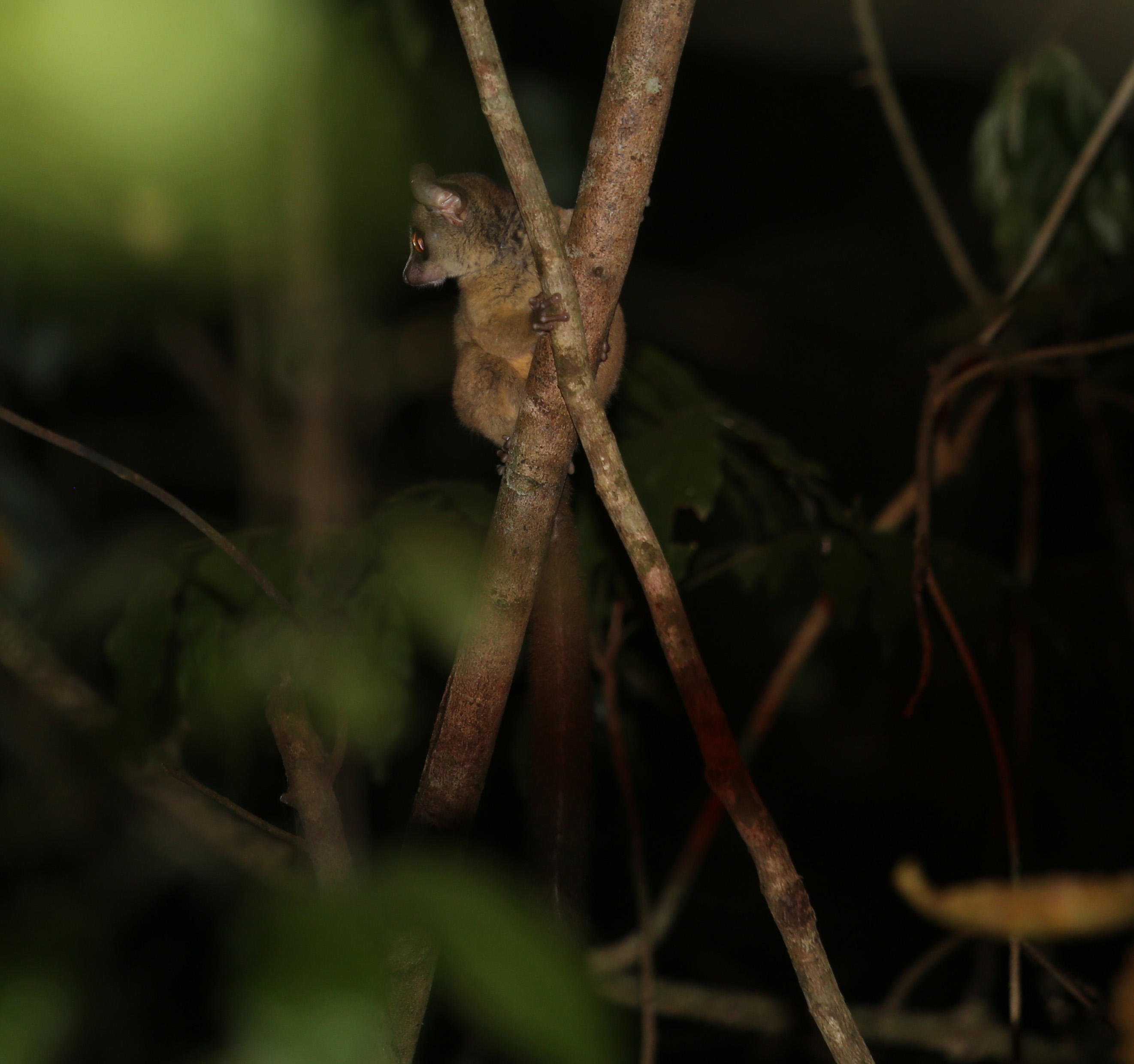
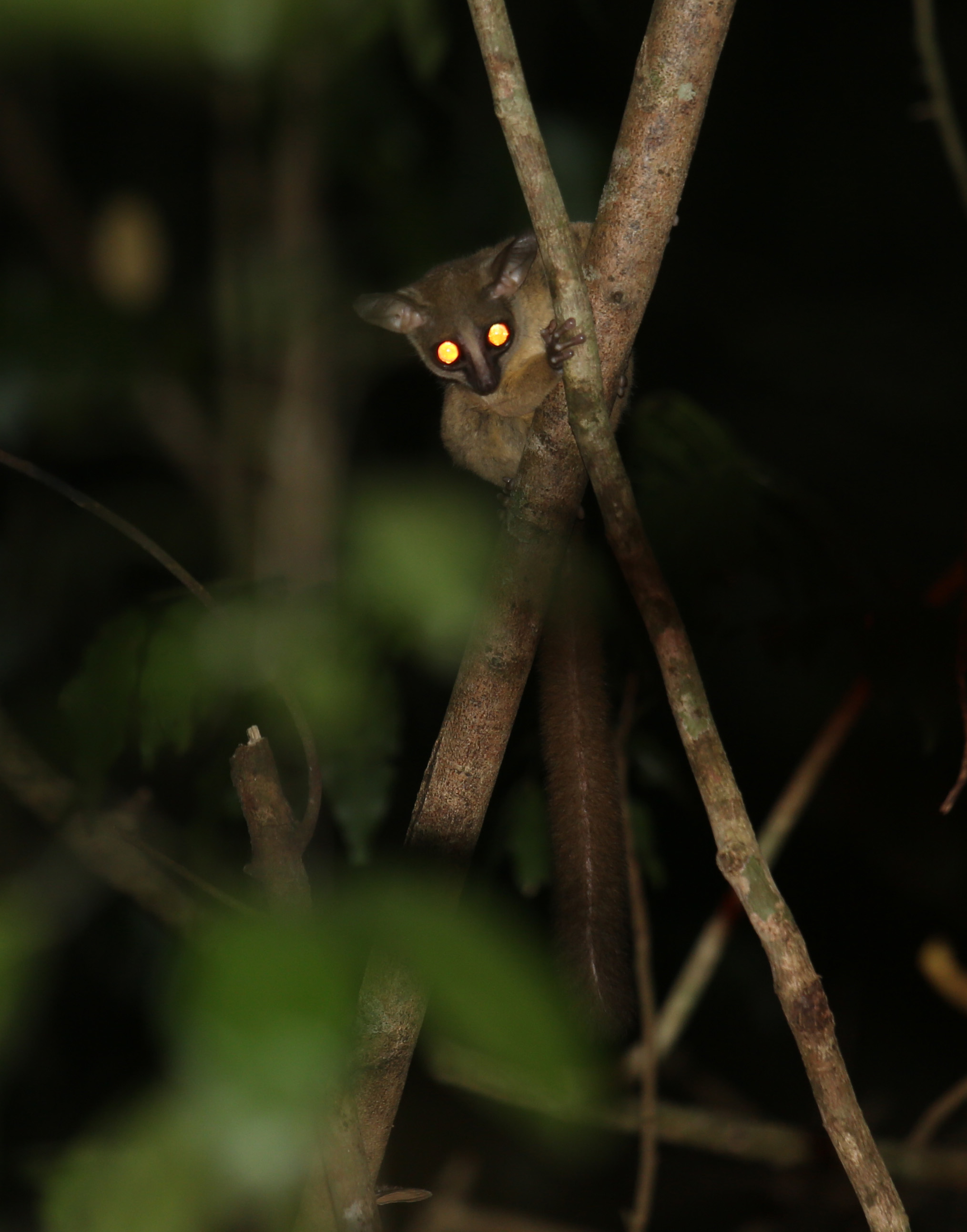
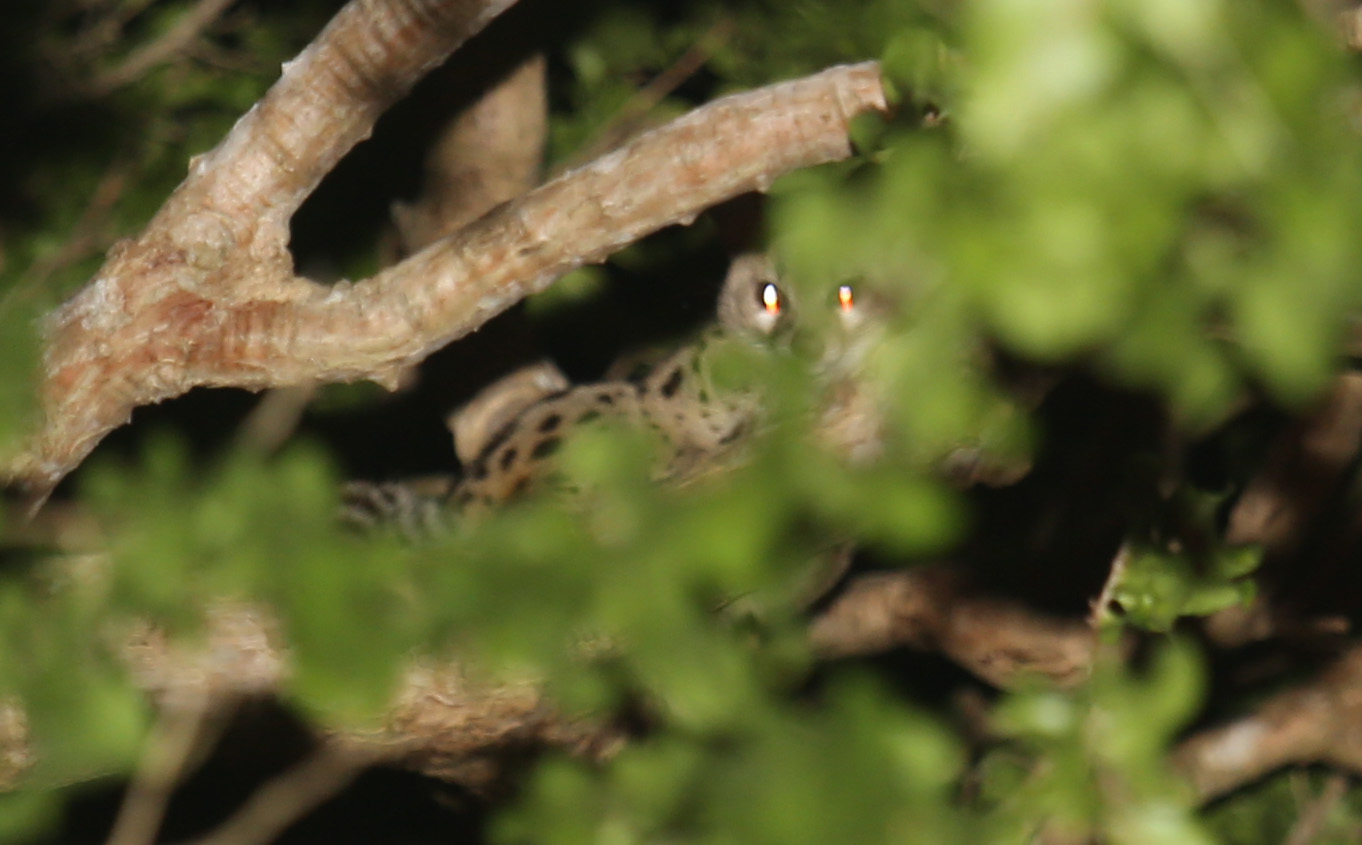
Other nocturnal species from forests of Diani Beach
Also small eared greater galago (Otolemur garnettii) is common in Diani Beach and many hotels feed them in the evening with fruits. Bananas are favourite fruit of these cute primates
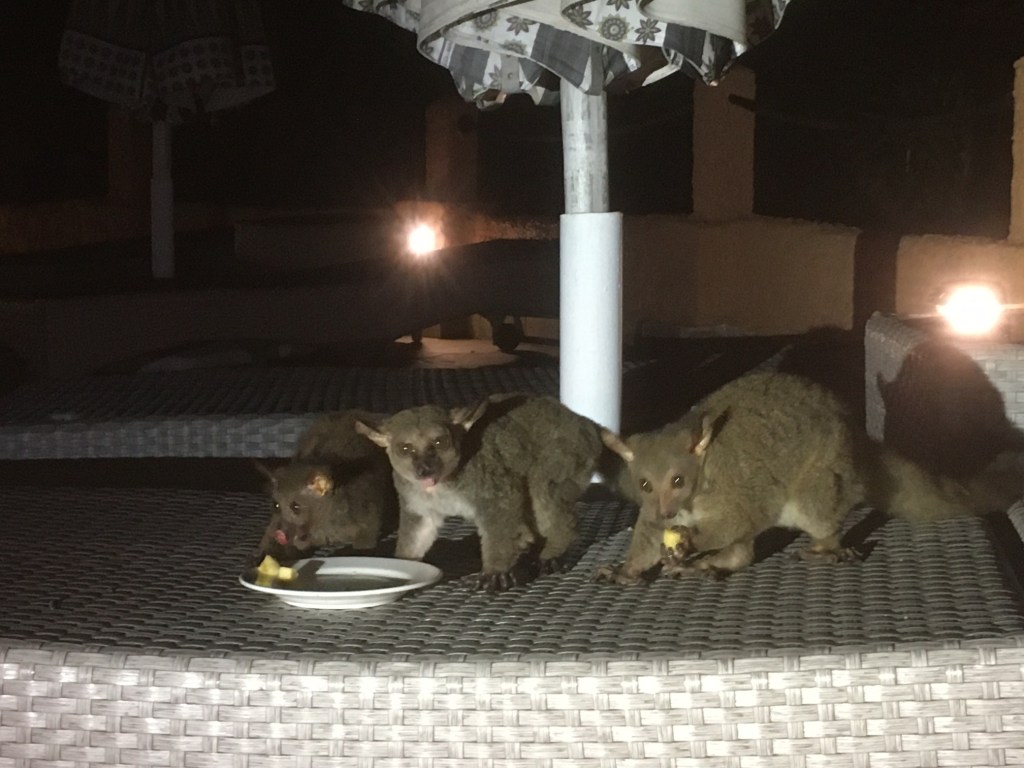
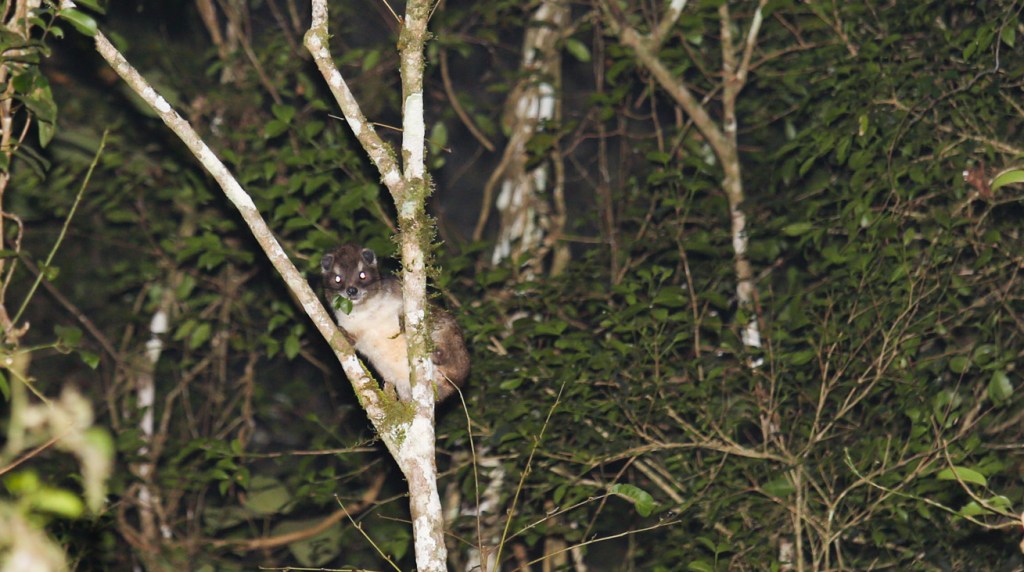
27.8.2022
Short video introduction to tree hyraxes, with unique footage
Video of tree hyraxes filmed at night with night binoculars
Tree hyraxes, and other nocturnal animals of Taita Hills
Video telling about Hanna Rosti’s research and conservation of noctural animals in Taita Hills, filmed in January 2021
Volunteer opportunities with Kenya wildlife conservation – Mwalua Wildlife Trust
Mwalua Wildlife Trust was founded by Patrick Kilonzo to provide drinking water for animals suffering from lack of water during the dry season. As Water for Elephants has been success, many more work needs to be done. Volunteers from all over the world are welcome to join
Identify nocturnal tropic animals of from thermal imaging camera recordings, answers are in the end
Test if you identify animals from thermal imaging camera. Animals in the video are nocturnal and live in indigenous cloud forests of Taita Hills, Kenya. These animals are surviving on the last fragments of indigenous forest.
Tsavo West is one of most beautiful places in the world. And one of world largest conservation areas. This short film introduces scenery of Tsavo West and its most common animals. Peter also visits Chaimu crater and Mzima springs.
African wood owl (Strix woodfordii)
African wood owl filmed in Ngangao Forest, Taita Hills, Kenya. Filming Benson Mwakachola Lombo
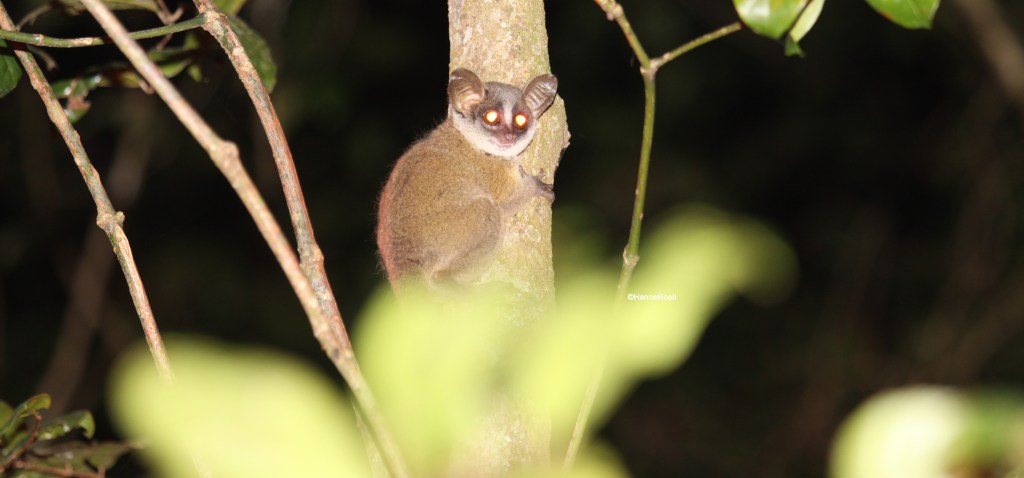
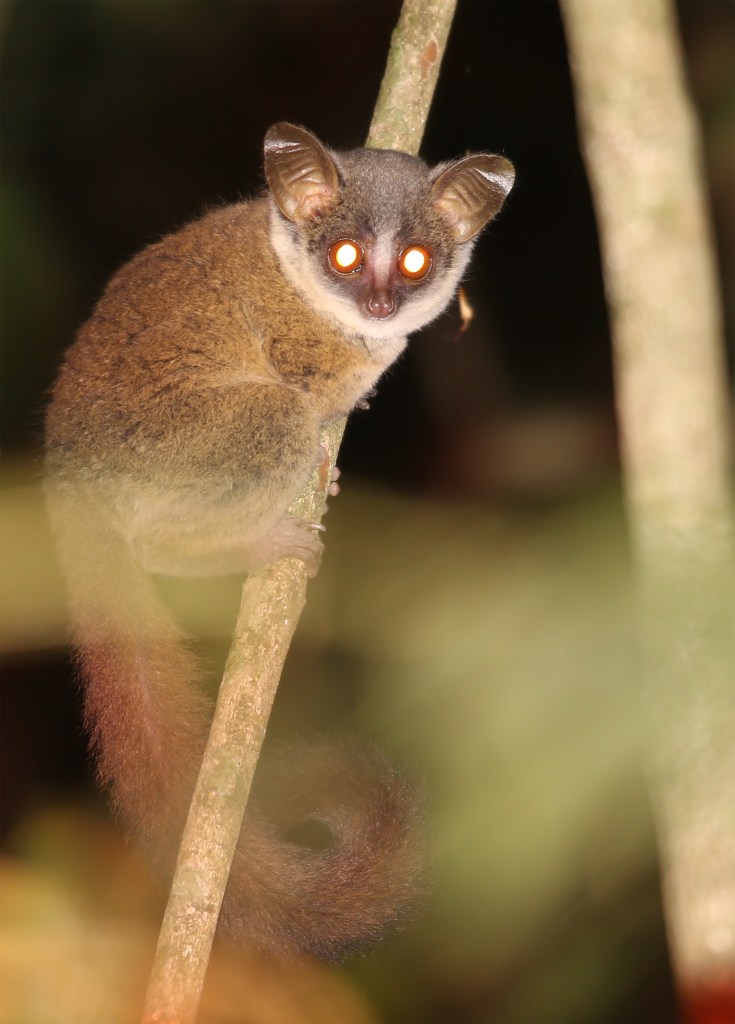
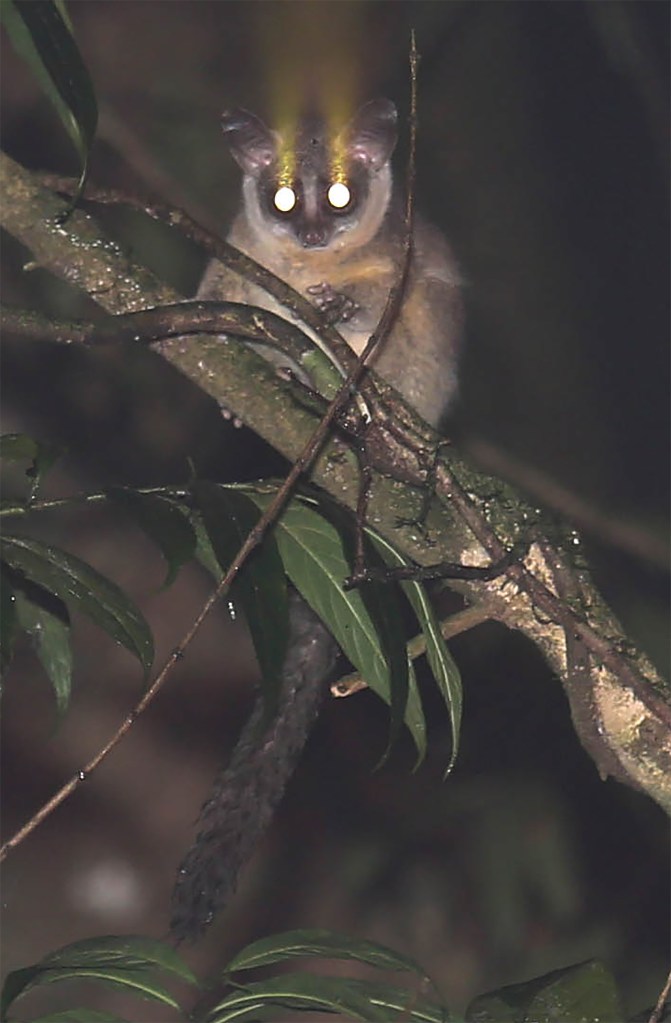
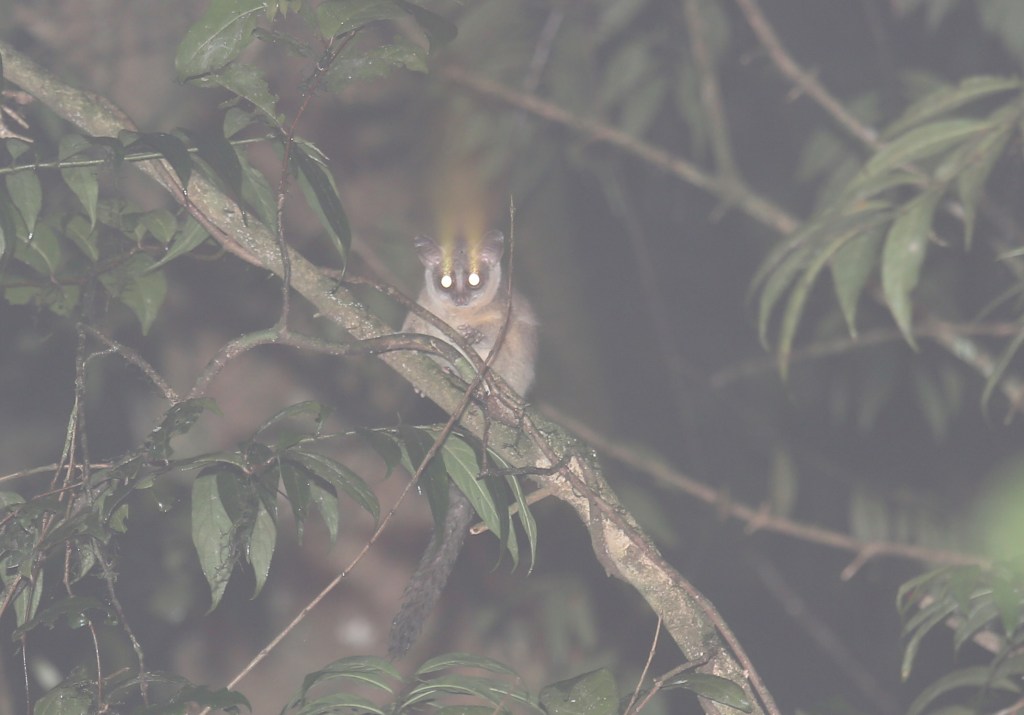
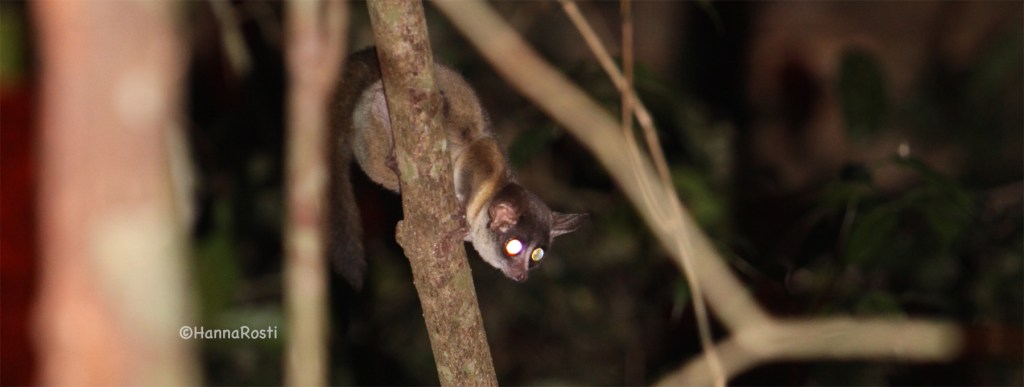
In Taita Hills there is small primate species that was first seen in 2002 and then no observations were made until 2018. In 2023 we failed to find it from Ngangao forest.
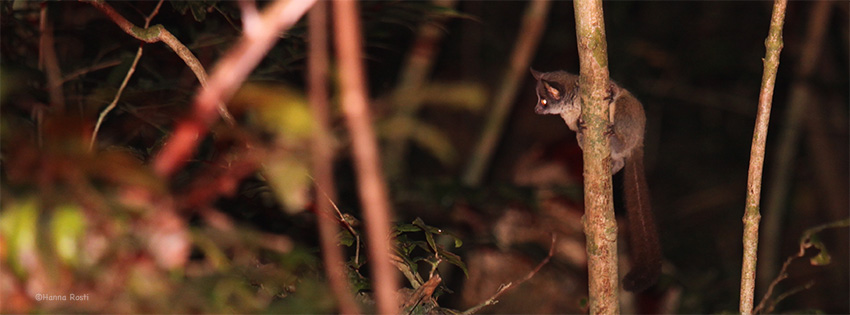
This tiny -only 100-180 grams weighing dwarf galago eats insects in the hearts of most pristine parts of indigenous forests.
Oryx – the International Journal of Conservation published 11.2020 conservation news about Taita mountain dwarf galago: Taita mountain dwarf galago is extant in Taita Hills of Kenya https://doi.org/10.1017/S003060531900142X
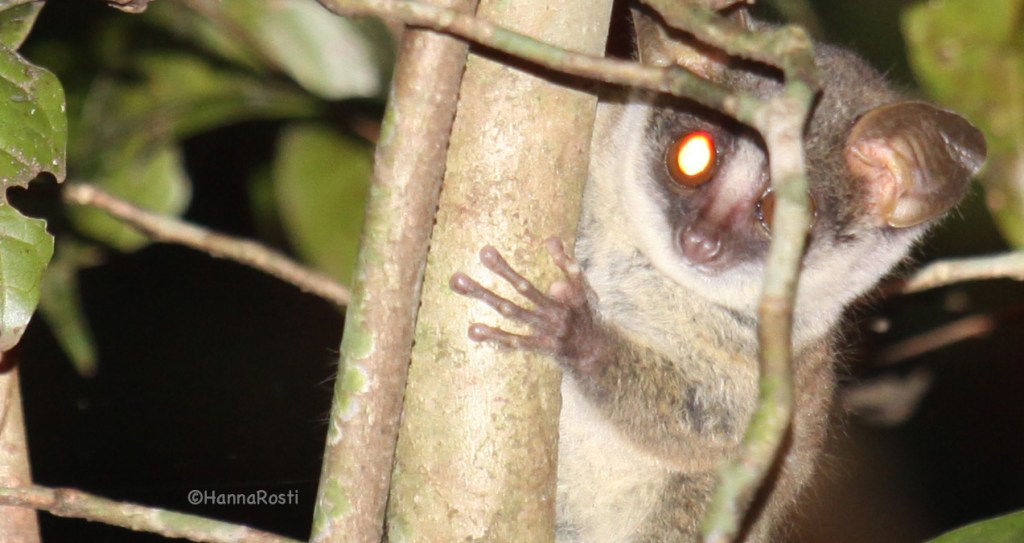
Researcher from Nocturnal Primates Research Group identified calls of Taita mountain dwarf galago as Kenya Coast Dwarf Galago (Paragalago cocos). However these populations have been isolated for millions of years and live in completely different habitat. At the coast forest is low and temperatures high, in the mountains forest is high and temperatures low. All tree species are different between these forests. It seems that dwarf galagos in Taita Hills are relict population of once wider distribution of Kenya coast dwarf galagos.
Dwarf galago species are cryptic, meaning that they all look almost the same. Their vocal communication reveals the species, in the darkness of the forest, vocal communication is most important means of communication.
There is urgent need for conservation of forests and replanting of indigenous trees in Taita Hills.
Tree hyraxes of Taita Hills are new species for the science
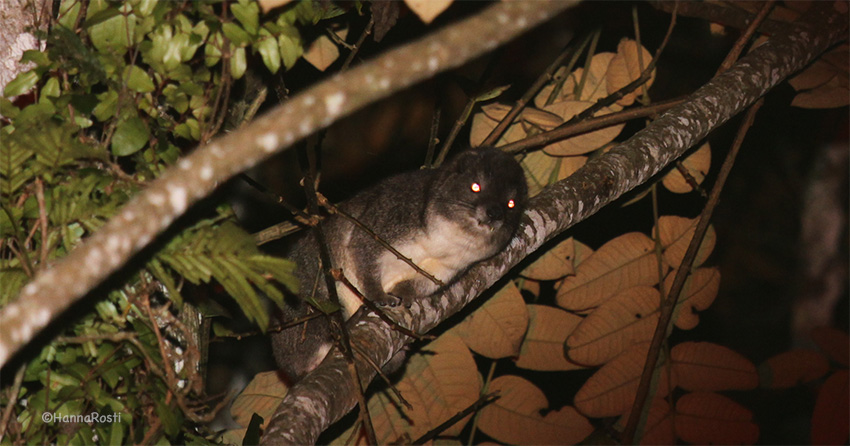
Tree hyraxes of Taita Hills should be conserved as Critically Endangered species
Both species are dependent of indigenous trees as their habitat. Dwarf galagos eat insects and tree hyraxes eat leaves of indigenous trees. Both are dependent on tree cavities for daytime shelter.
Mysterious cryptic dwarf galagos was mentioned first in article in Journal of East African Natural History 91: 1–13 (2002) by Andrew Perkin, Thomas Butynski, Simon Bearder, Bernard Agwanda and Benny Bytebier 2002. Nothing happened after the article and nobody knew if this species existed any more.
Taita Hills research station has been the base of the research. Director of research station and professor of Helsinki University Petri Pellikka has contributed enormously to this research even before the beginning.
Professor from University of Helsinki, Jouko Rikkinen told me about this species, as he had been intrigued by it and its survival for years. Professor Rikkinen has been studying biodiversity of Taita Hills since 2009. Knowledge and insights of Jouko Rikkinen has been backbone of this research.
In August 2018 I began searching for these small primates, as no-one knew about their fate. My assistant in the forest was and still is Benson Mwakachola. He has been reliable and supportive companion in sometimes challenging conditions.
After search for several nights, we got super lucky and tiny animal with reddish eyes were looking at us in just few meters away. This dwarf galago seemed interested about us. And we were so happy to see it.
Emeritus professor Simon Bearder from Oxford Brookes University has contributed in many ways as he is expert on nocturnal mammals and primatology. Simon had been one of writers of first article about Taita mountain dwarf galago in 2002.
From the recordings Simon Bearder, who has 40 years of experience from nocturnal animal research in Africa, understood that tree hyrax in Taita Hills is different species than it had been thought to be.
Helsingin Sanomat, largest newspaper in Finland published also article about Taita mountain dwarf galago and tree hyrax https://www.hs.fi/tiede/art-2000006404013.html
Also press release from University of Helsinki:
News in Daily Mail: Adorable 3.5OUNCE African primate the Taita mountain dwarf galago is caught on camera for the first time in nearly 20 years as the species faces extinction
News in AMED POST:
Elusive tiny primate is captured on camera for the first time in nearly 20 years
Related articles:
Owl butterflies of Ngangao night
 Animals of Taita, Kenya