Text and photos Hanna Rosti 2022
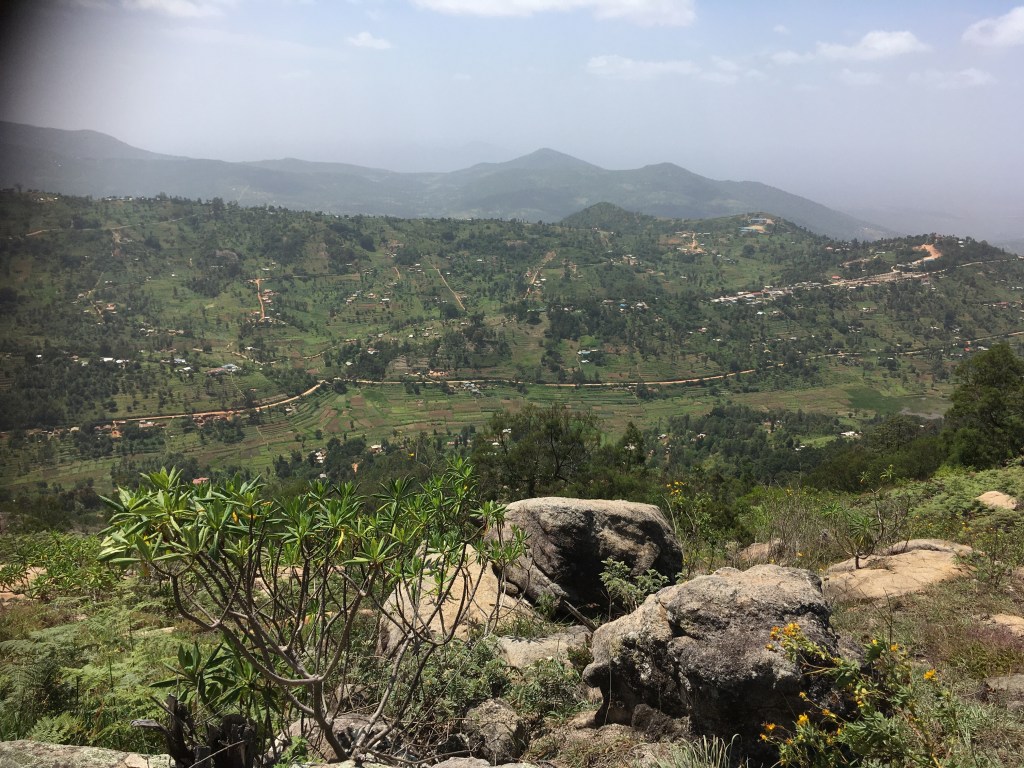
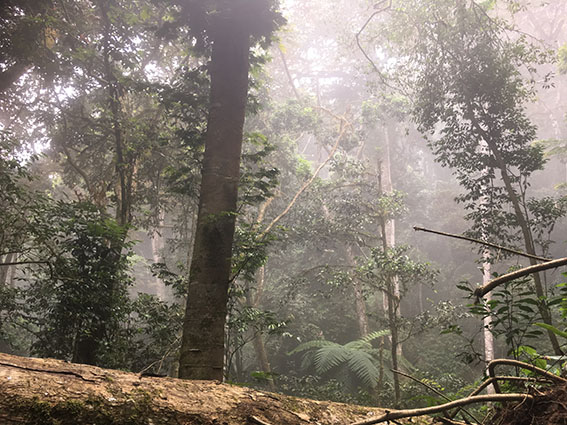
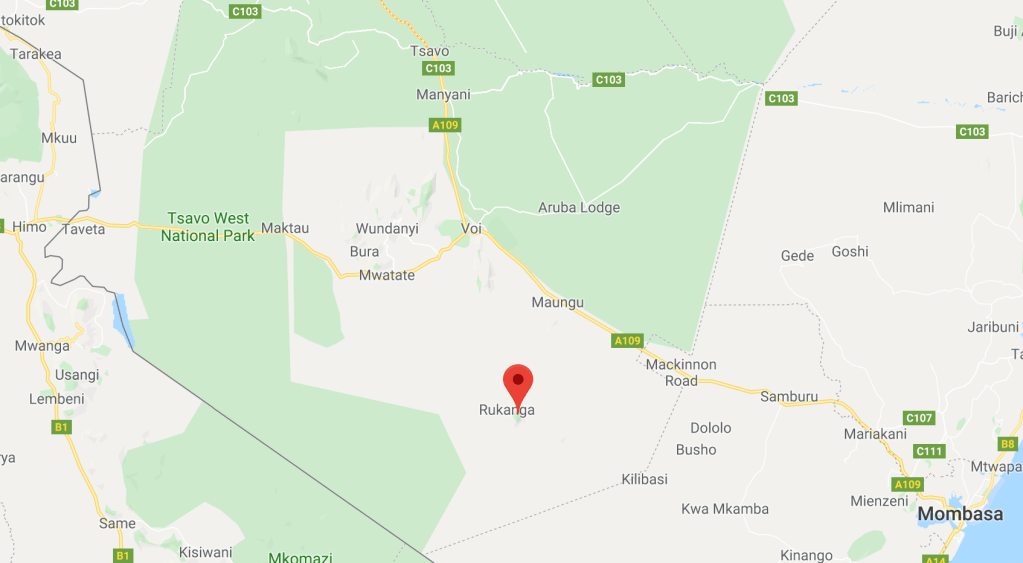
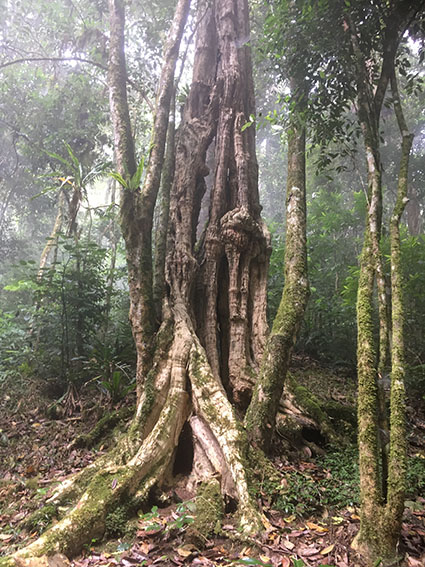
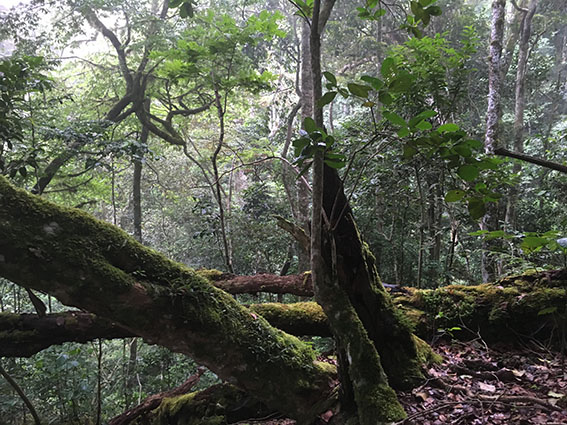
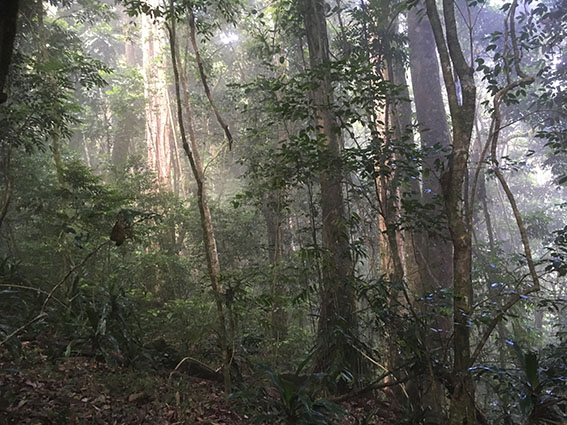
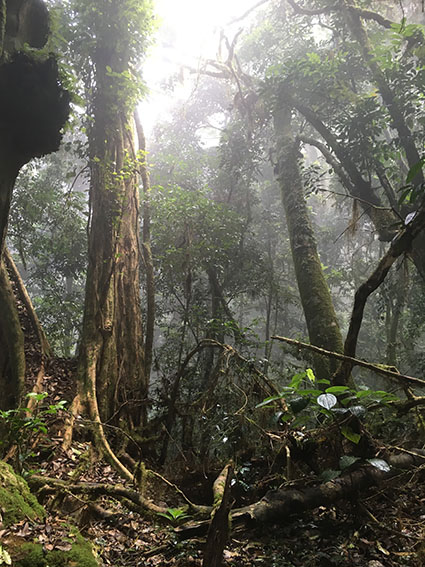
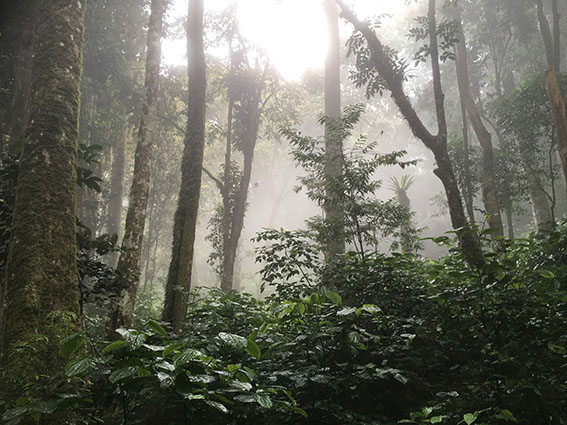
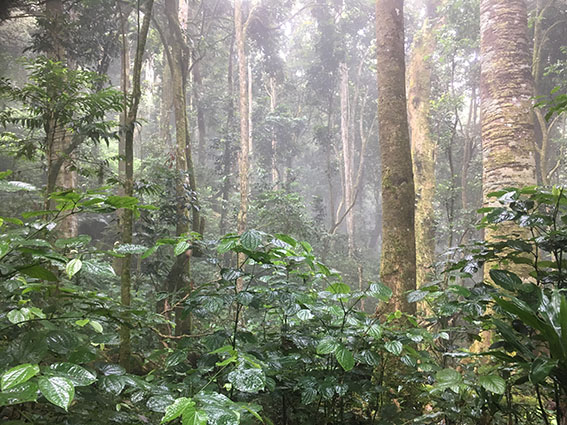
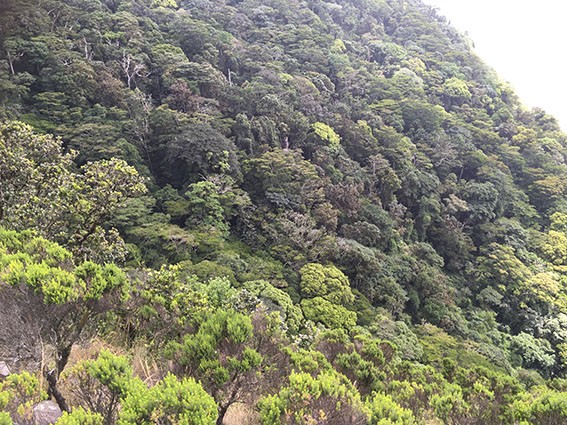
Two remaining “larger” forests in Taita Hills are Mbololo 180 ha and Ngangao 120 ha. Taken together these forests are only three square kilometers in size.
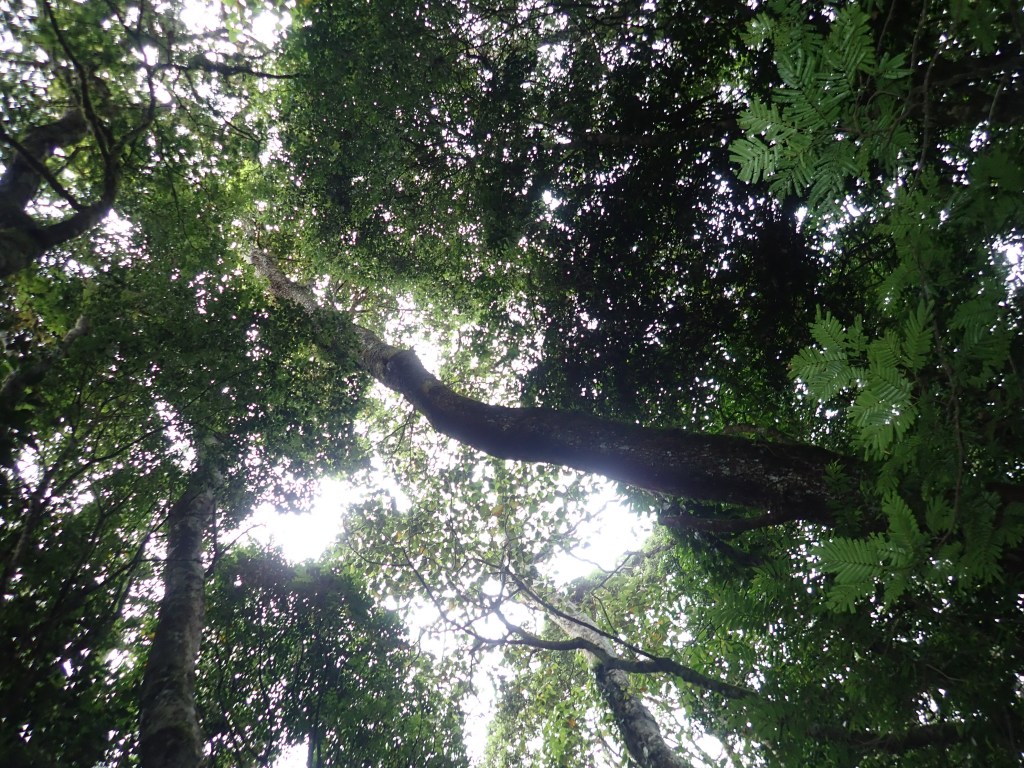
But they are full of amazing forms of life. Many (most) of them critically endangered, as their habitat, indigenous cloud forest has been almost entirely lost from Taita Hills.
These remaining forests could be made national park, as their biodiversity is astounding. Value of these forests as water towers and biodiversity hot spots are priceless.
Threats for Ngangao and Mbololo Forests
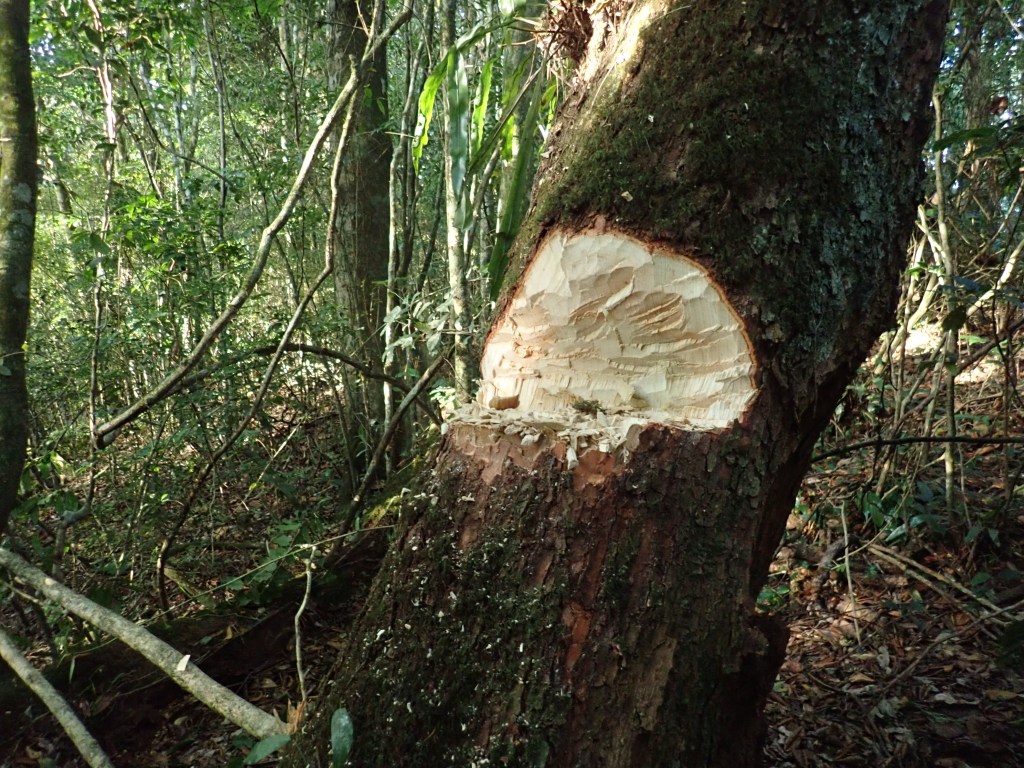
- Even thought these forests have been conserved in some level they do still deteriorate due to human activities: harvesting of firewood, some (not much) illegal logging, and poaching.
- Reduction of rainfall. Previously large cloud forests would draw and collect moisture, and this rainfall would deliver water to large areas surrounding the Taita Hills. Now these small forest fragments don’t have that kind of rainfall pull they used to have.
- Edge effects, these are tied to both previous reasons for the deterioration of the forests. As these forests are small, and particularly Ngangao is very narrow, the forest that remains most intact, protected from edge effects is small. People come in from the edges, and this is where most damage is done.

Means for conservation:
- Increasing number of indigenous trees in all Taita Hills. Naturally increasing the size of the forest would have biggest impact, but any and all indigenous trees growing in local peoples land would be important addition.
- Protection of the forests from firewood collection. It is very difficult to draw the line what is too much firewood collection. These forests are in such a state, that they should be conserved entirely. There are other means of cooking available. Sometimes firewood collection may be consequence of poverty, but to my understanding in these days it is more often result of doing things the way they were done before, some dishes taste better when cooked with wood (at least that is what people believe).
- Increase in ecotourism. If these forests are conserved with their amazing species, galagos, tree hyraxes and endemic birds, they can be magnificent source of income to local people. This could provide number of different job opportunities. I have written a article about that: Enigmatic nocturnal mammals of Taita Hills and their potential role in sustainable eco-tourism Naturally, if these forests and their animals are lost, so is the opportunity for ecotourism.
Biodiversity hot spots
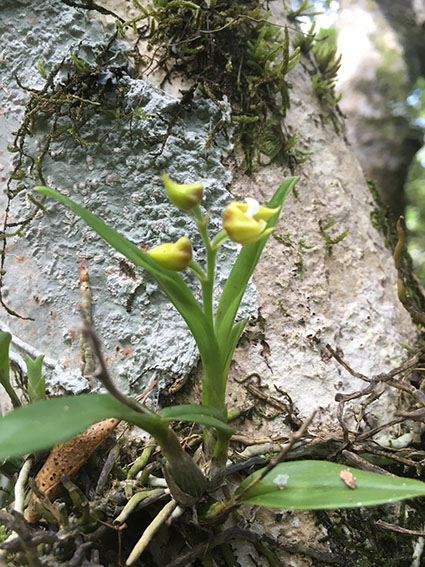
Biodiversity of fauna and flora in the Mbololo and Nganago forests is perhaps higher than anywhere else in the world. Gigantic trees, eg. Pauterias can reach 50 meters.
Key tree species in these forests are e.g. Tabernaemontana stapfliana, Pouteria adolfi-friedericii and Macaranga capensis.
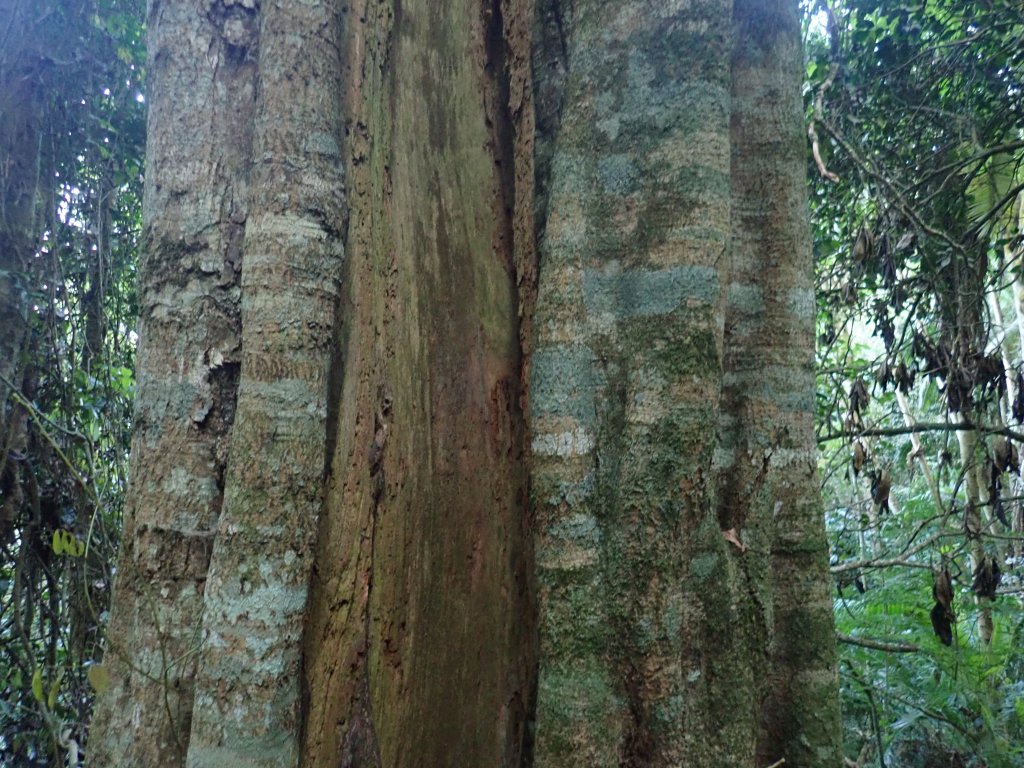
These trees support life in all their levels and these forests are like cities with skyscrapers where each floor have their own inhabitants and families.
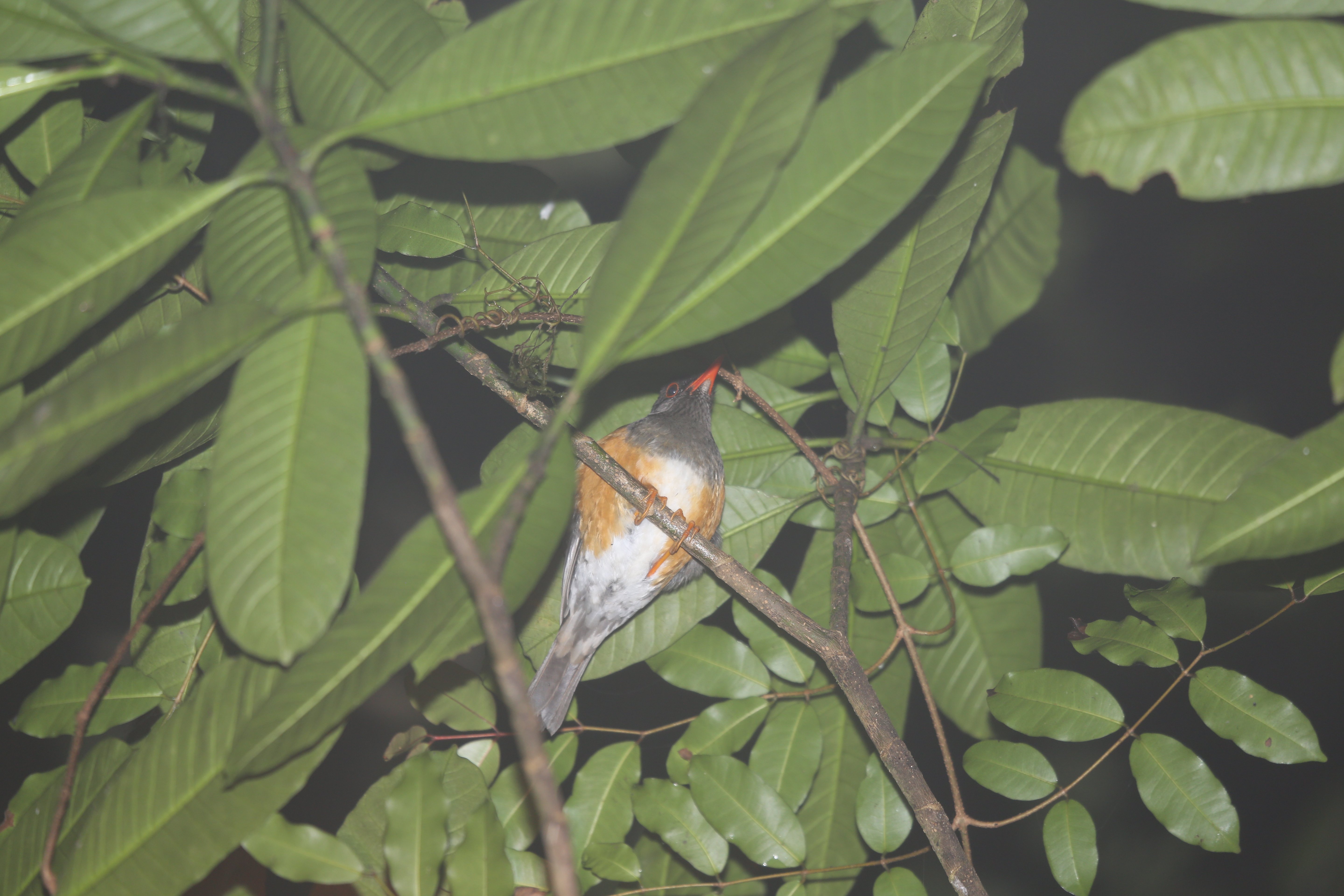
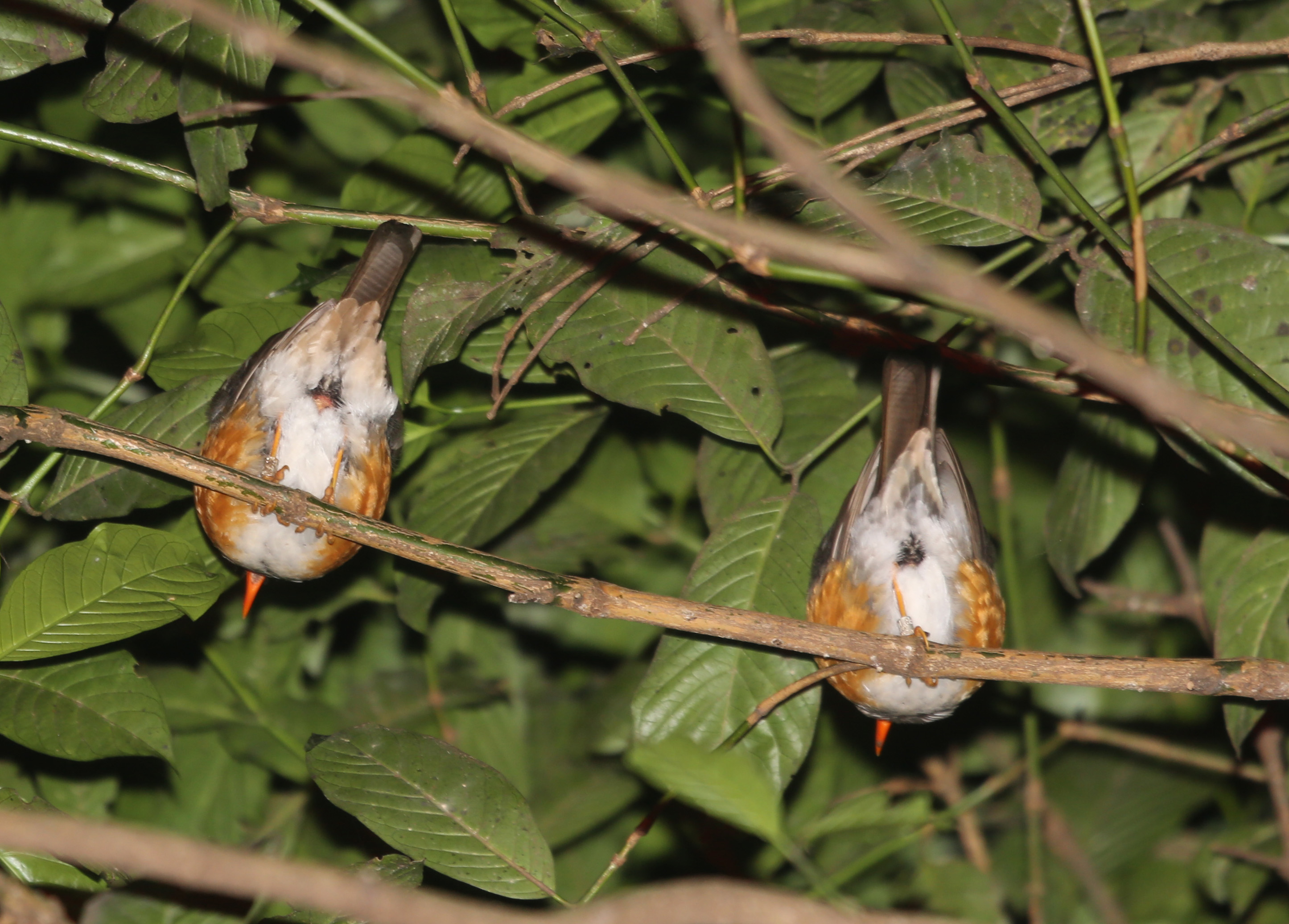
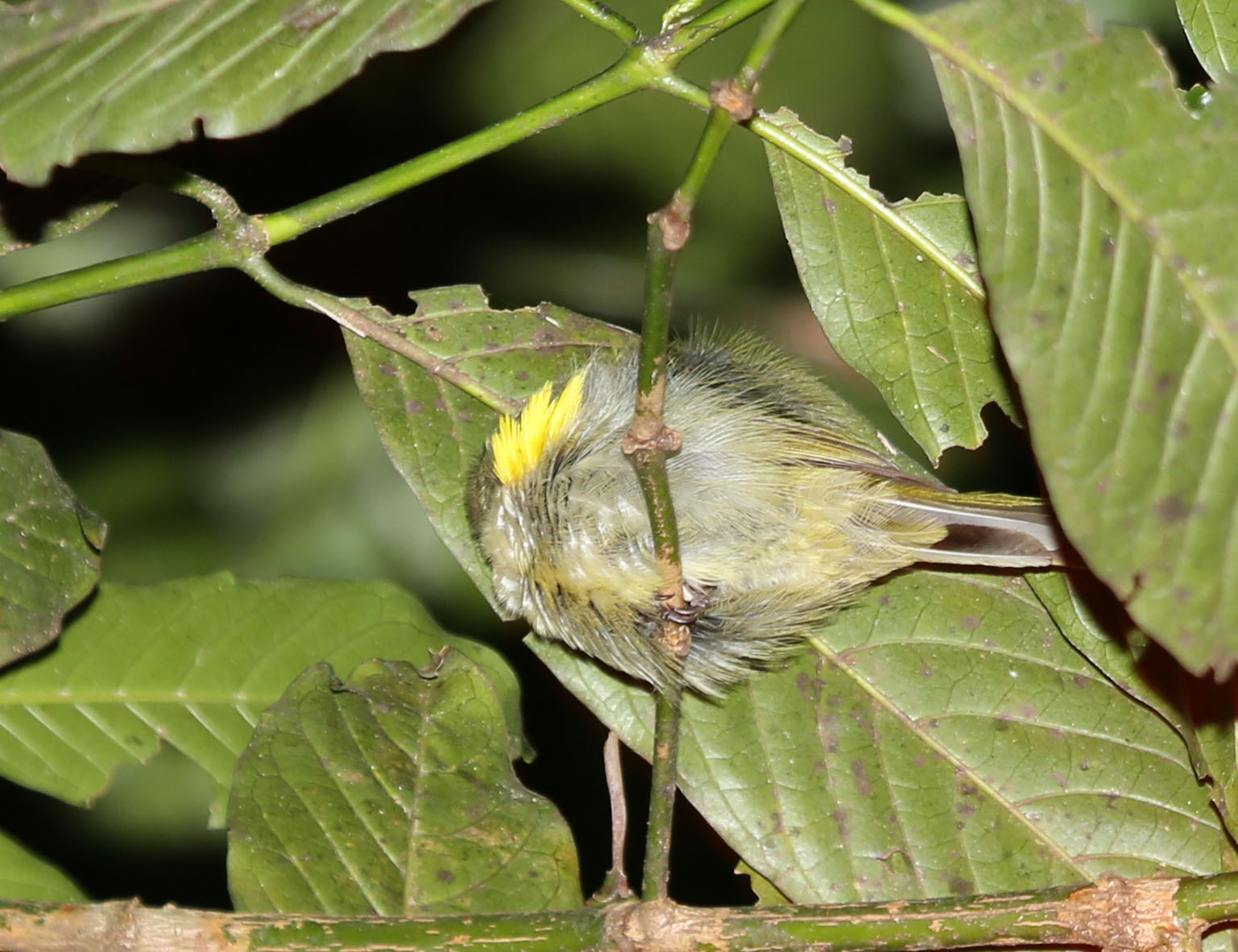
Taita Hills is famous of the endemic birds, these include Taita trush and Taita apalis. Unfortunately especially Taita apalis is declining.
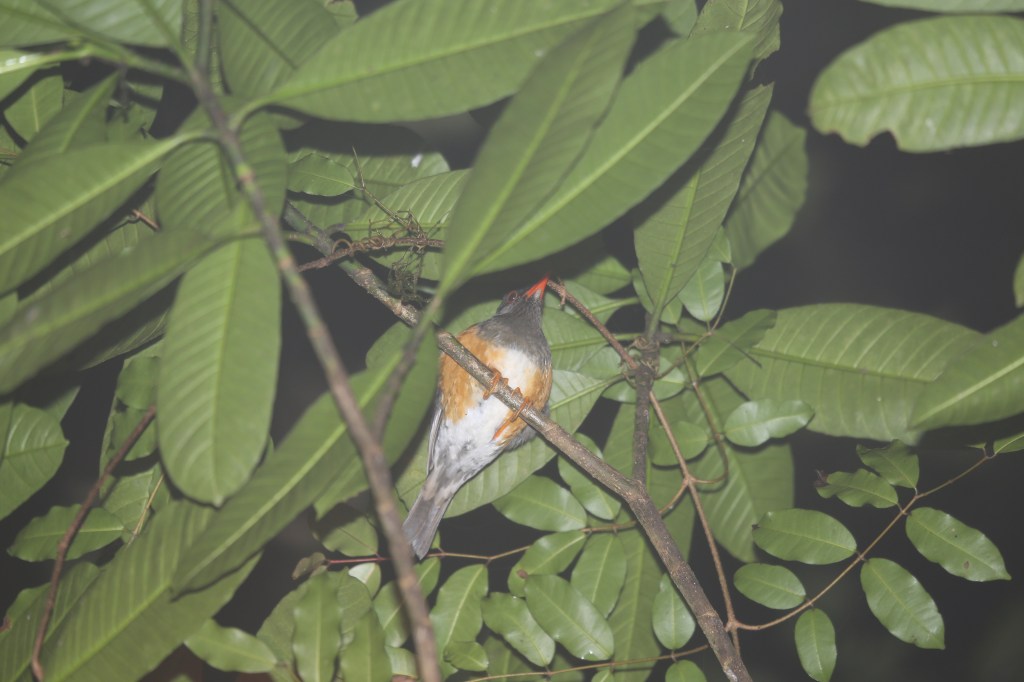
Harlaubs turaco is commonly seen and even more often heard in the forest. With its black and red colouring and calls that I often confuse with sykes monkeys calls it is fascinating bird.
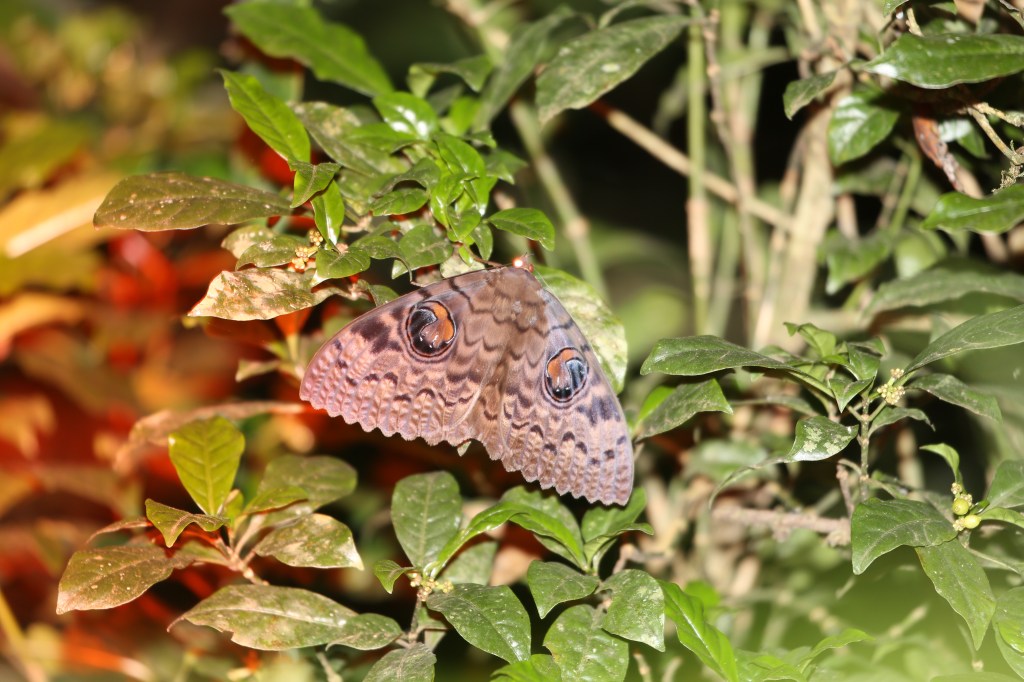
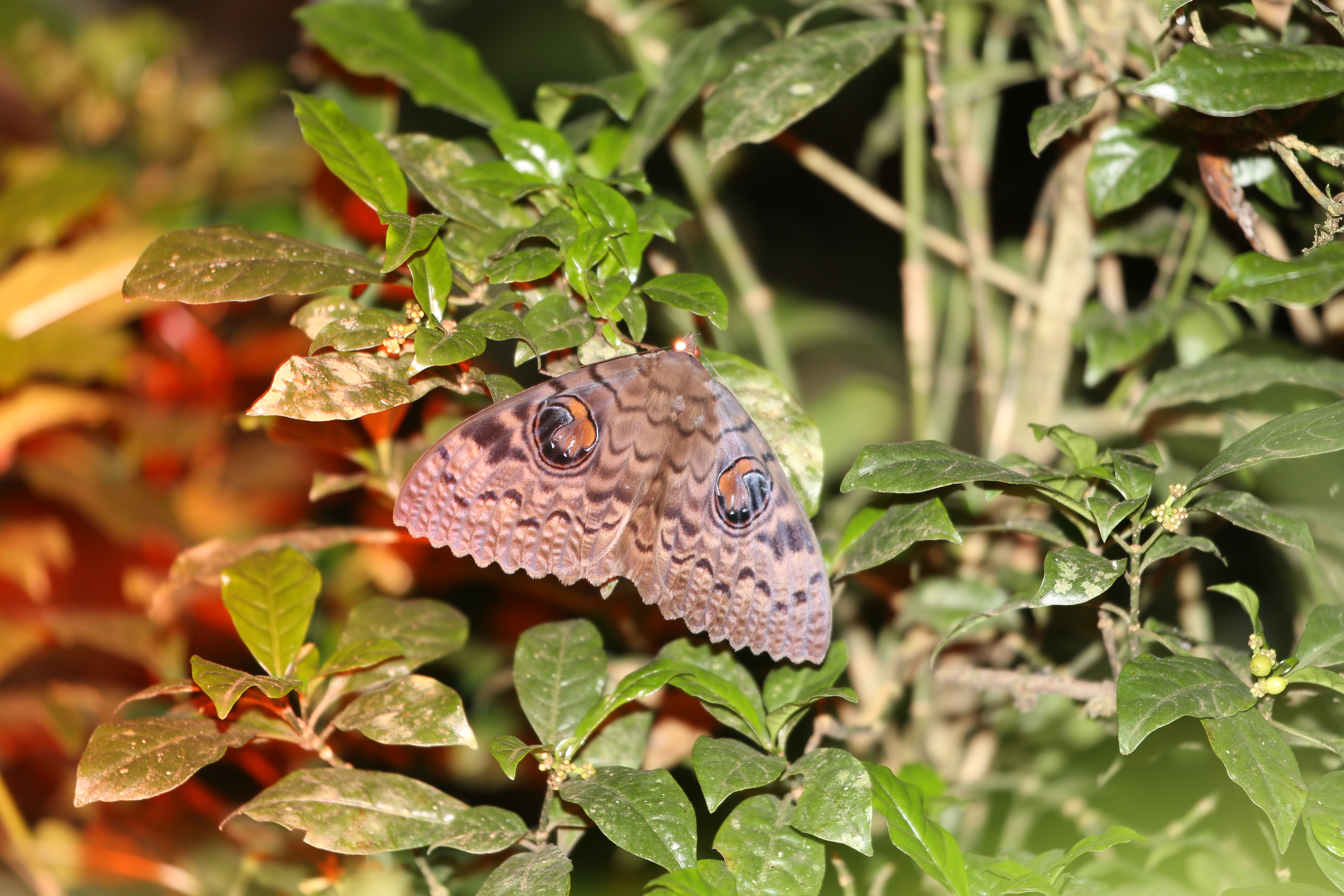
Butterfly and moth biodiversity is also amazing. Ngangao peaks are amazing sites to follow butterfly topping. Butterflies, some large like birds, in all colors fly playfully competing with one another over the top over and over again. That is truly fascinating to watch.
Biodiversity of nocturnal mammals
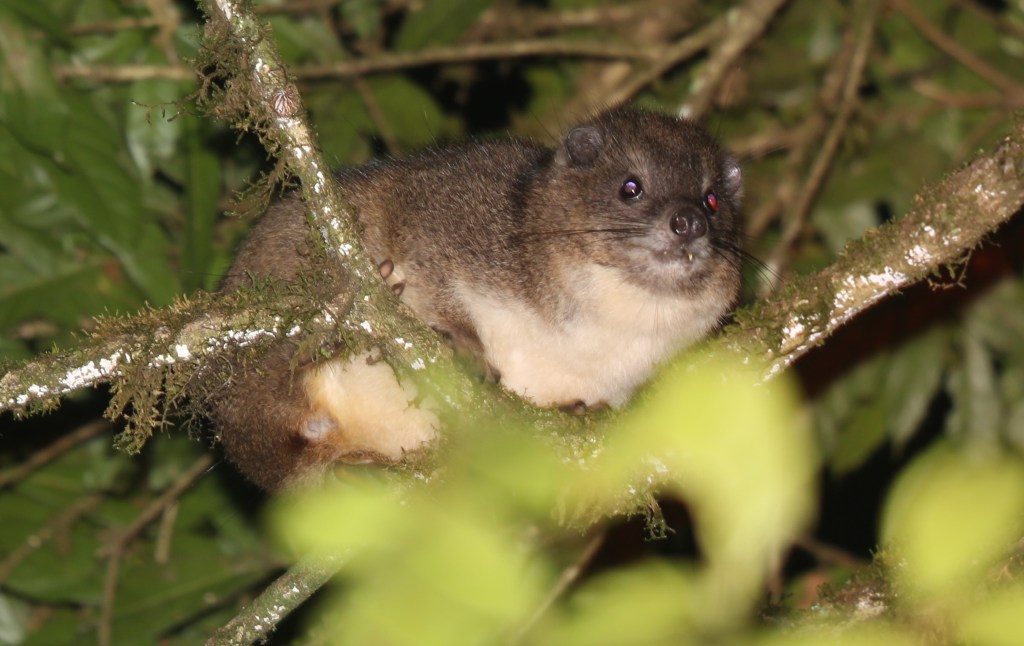
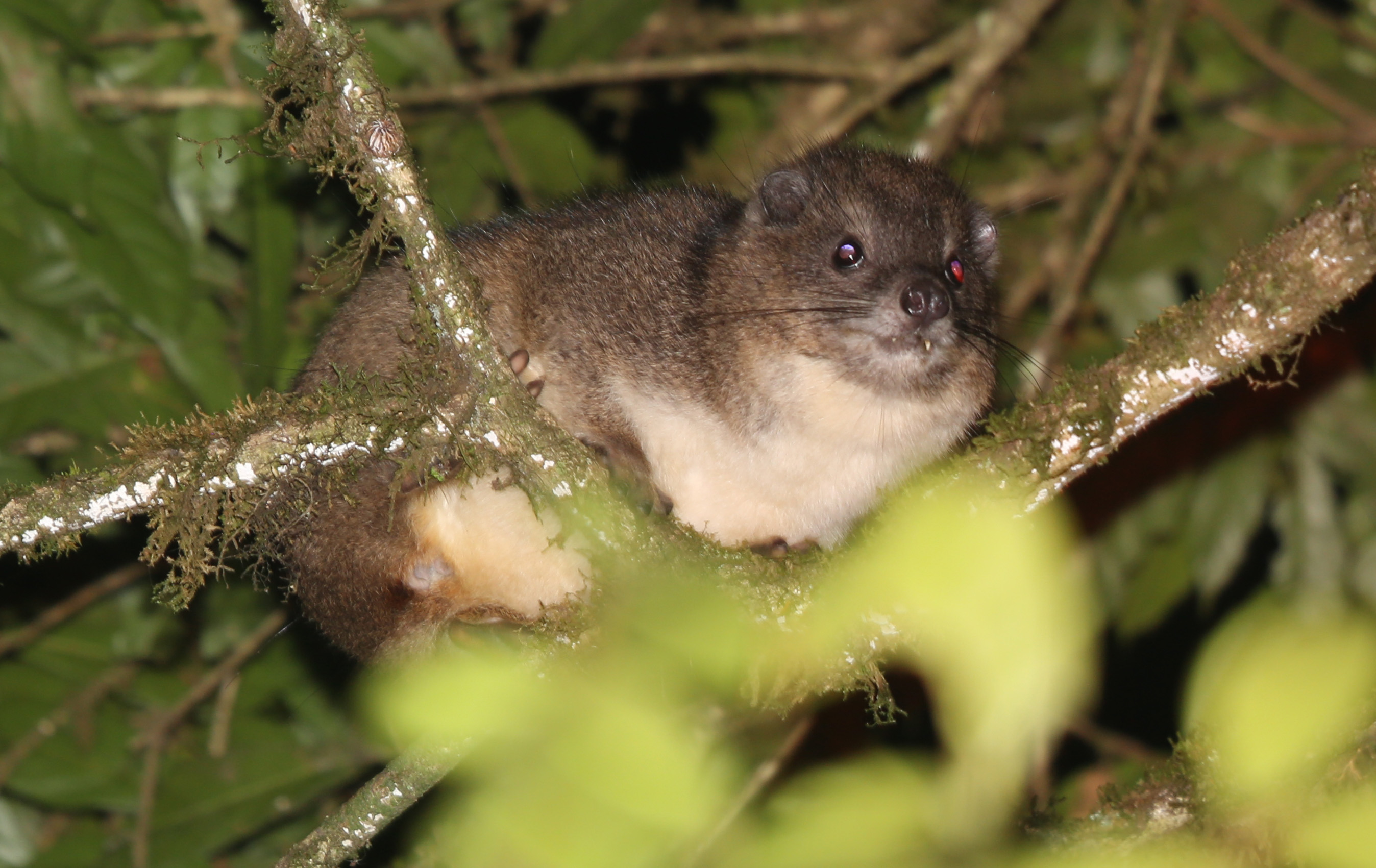
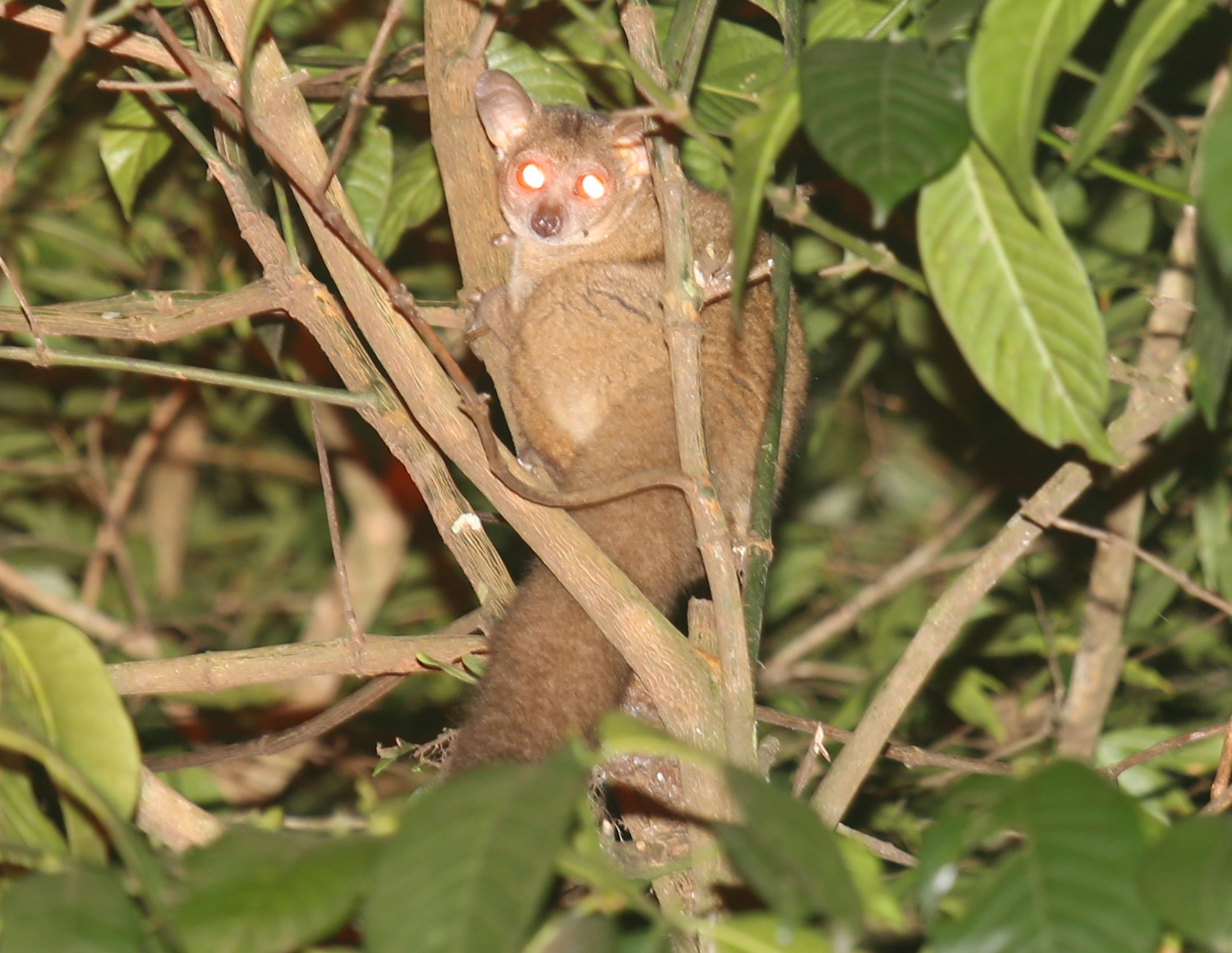
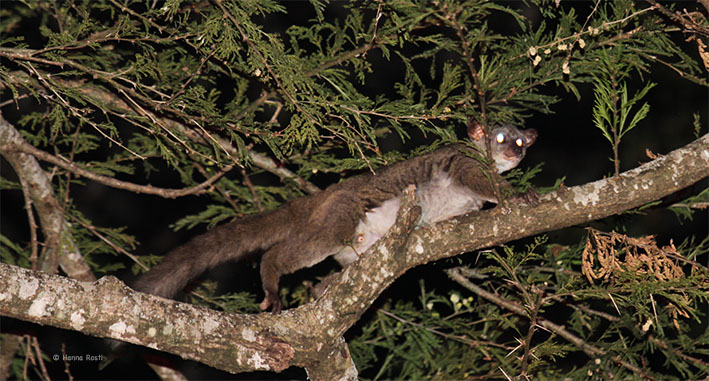
Nocturnal mammals, that no-one can not avoid to hear in the forests of Taita Hills are Taita tree hyrax (Dendrohyrax sp.) and small eared greater galago (Otolemur garnettii).
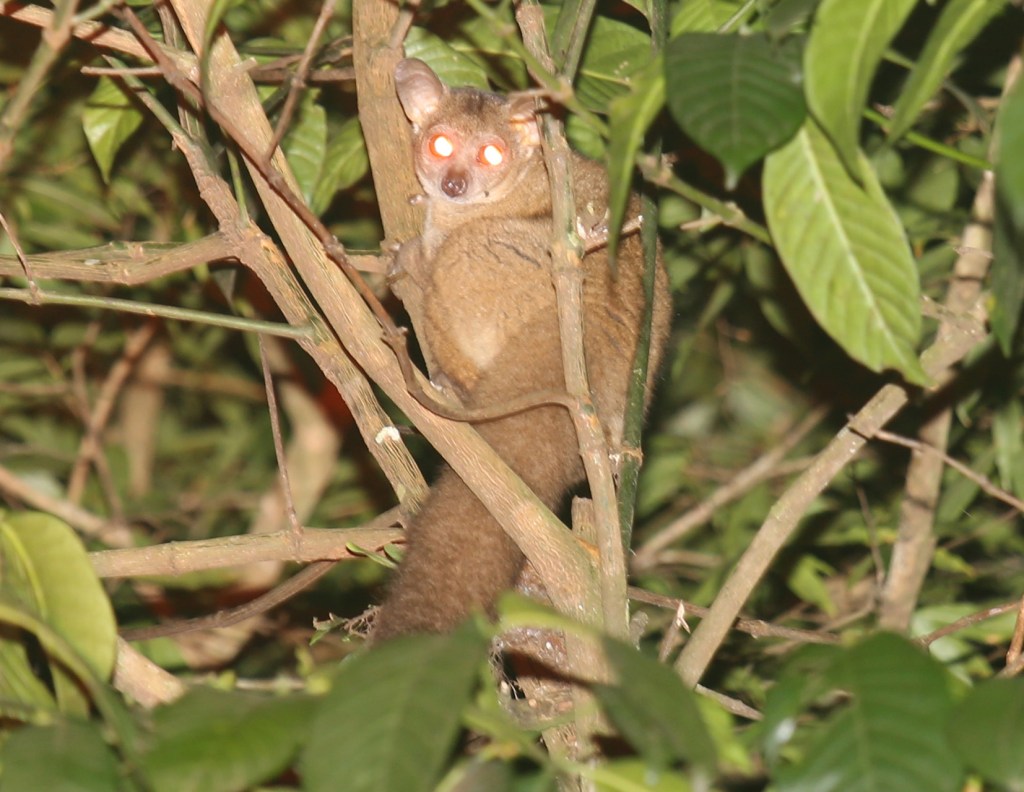
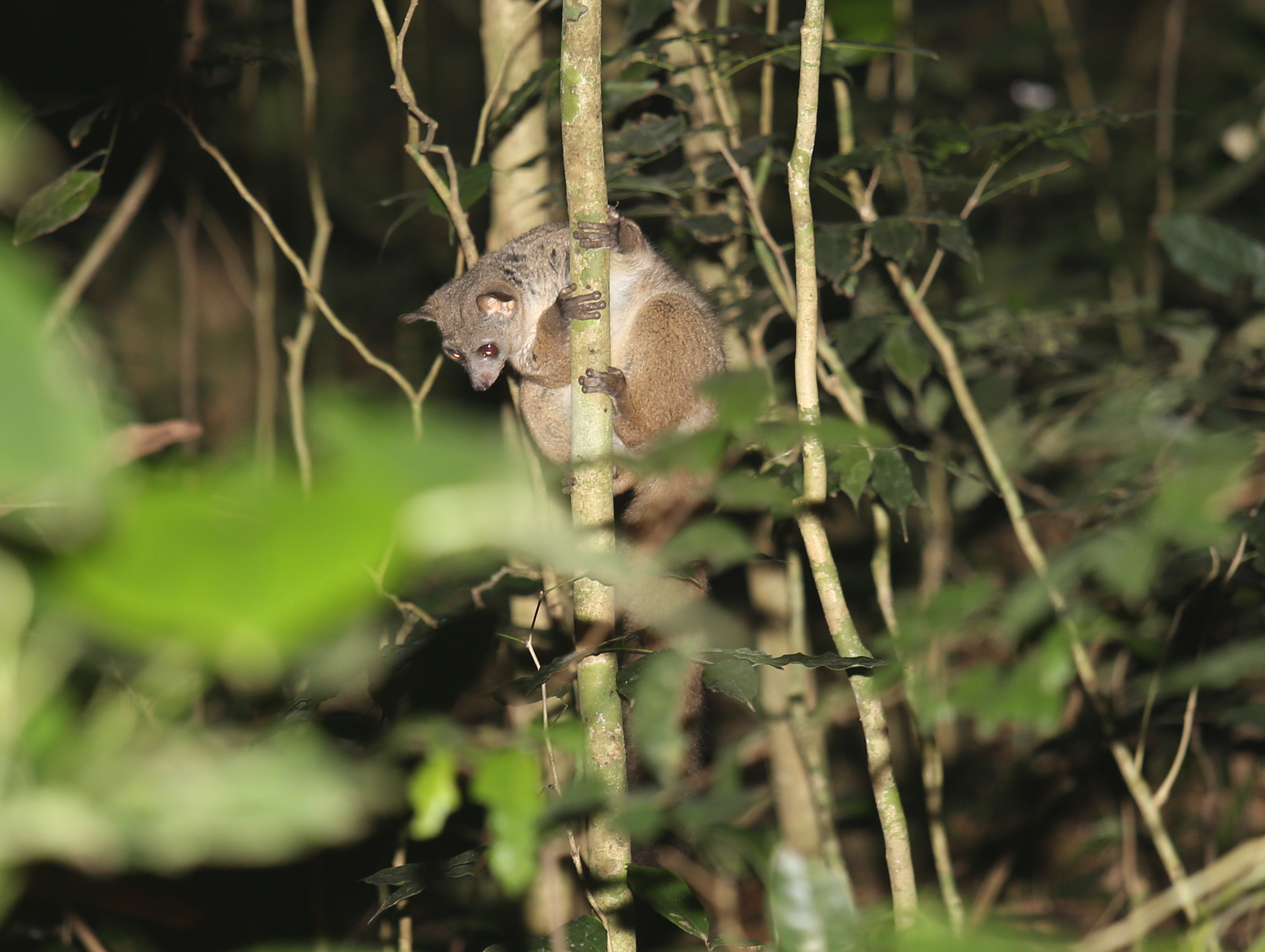
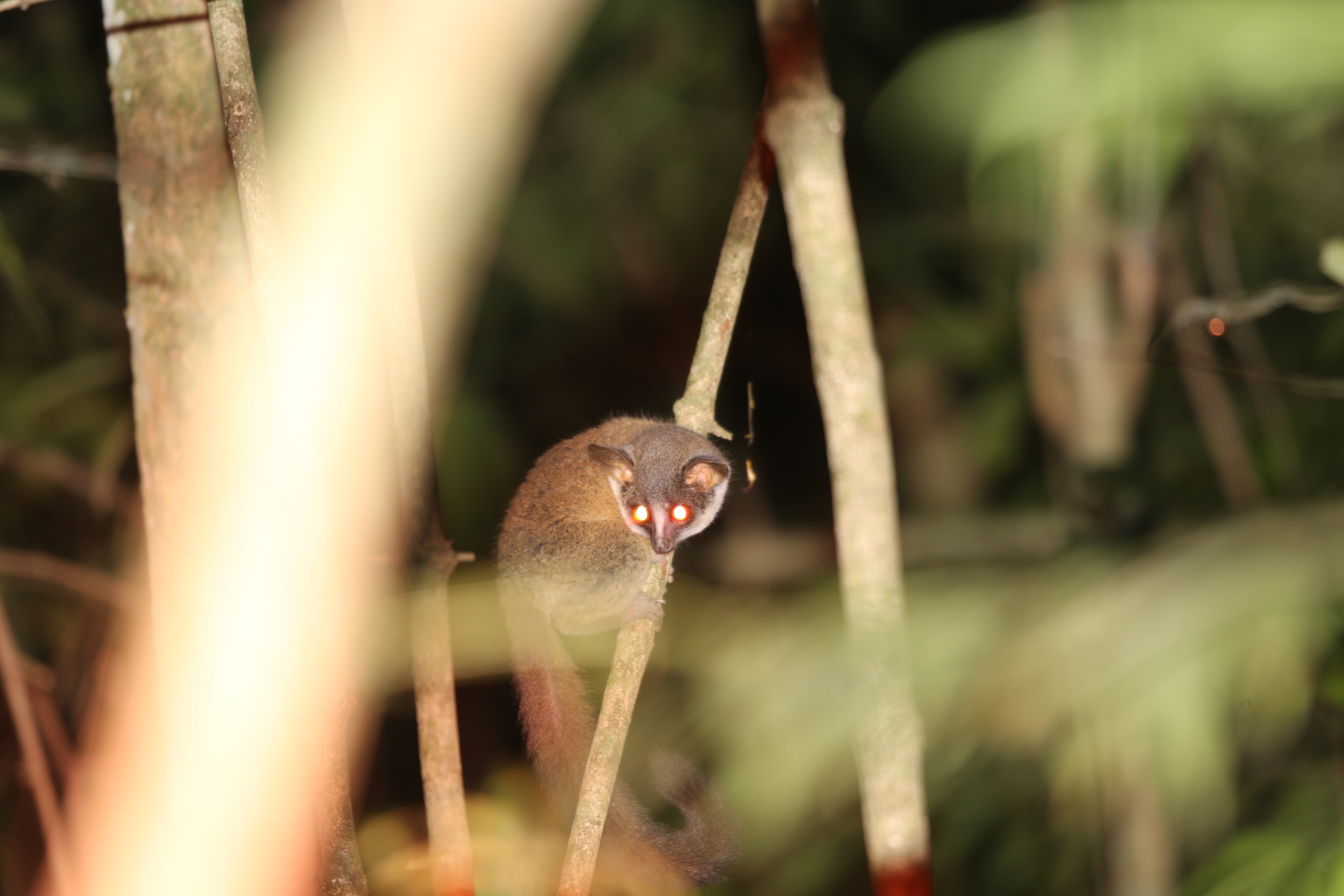
Dwarf galagos are incredible insectivores living in Ngangao and Mbololo forests. They may new species for the science. They may be differents species in Ngangao and in Mbololo forests.
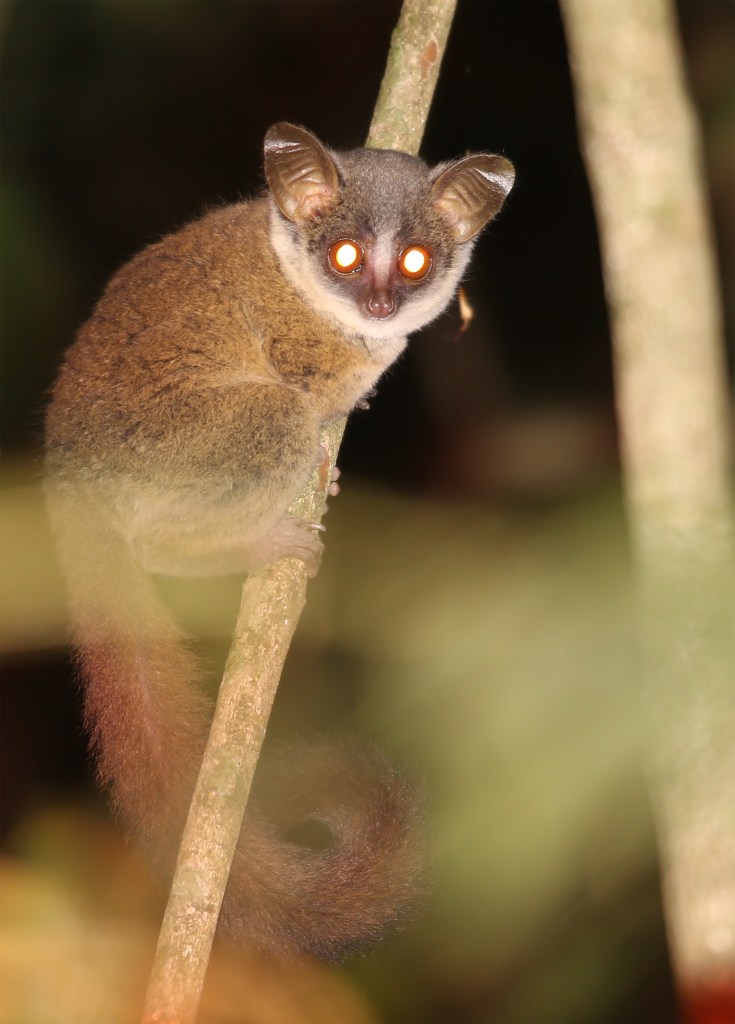
Greater galago has adapted to live in villages and gardens, and it is easy to see. Interestingly greater galagos in Taita Hills have great variation in their coloring, some individuals are whitish with white tail and many of them are dark with black tip in the tail. There are also differences in the size and behavior.
Taita tree hyrax is very likely still officially undescribed species for the science. Its striking calls begin in the evening at 19 and ends at 06 in the morning.
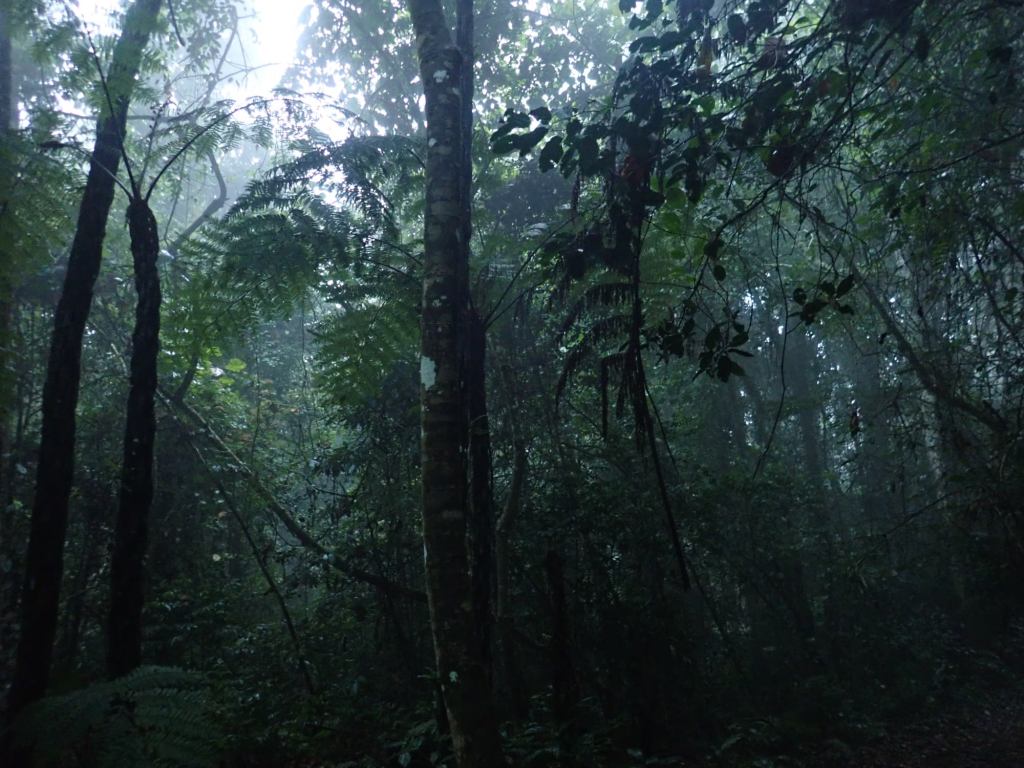
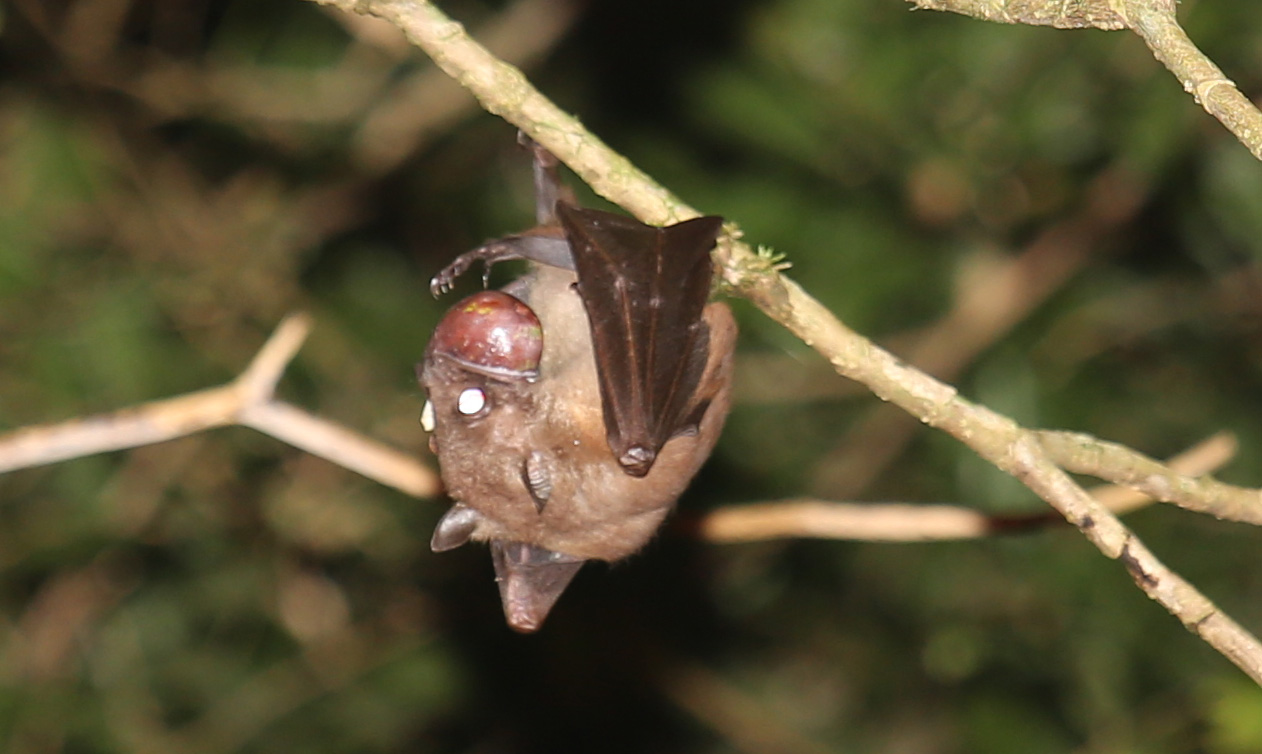
The most interesting time to be in the forest is dusk and dawn. At those times one can observe change of sift between diurnal and nocturnal animals. Especially at dawn this moment is simply magical with first rays of light penetrating to the foggy cloud forest.
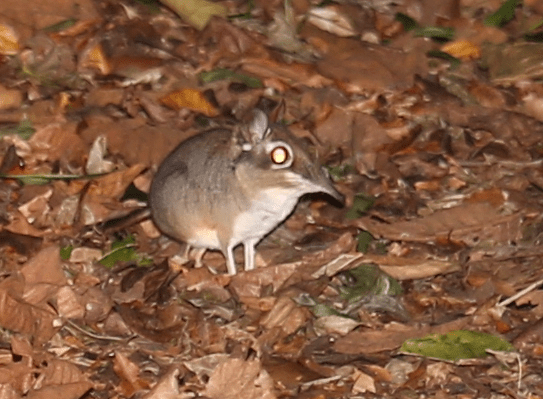
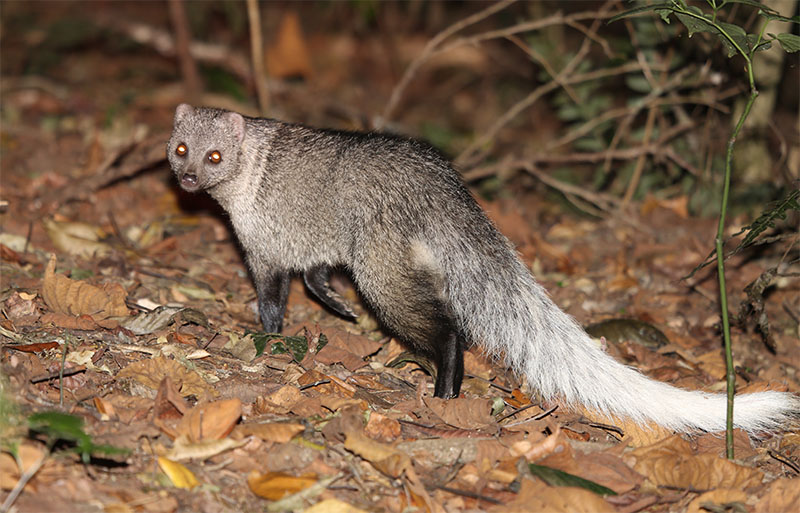
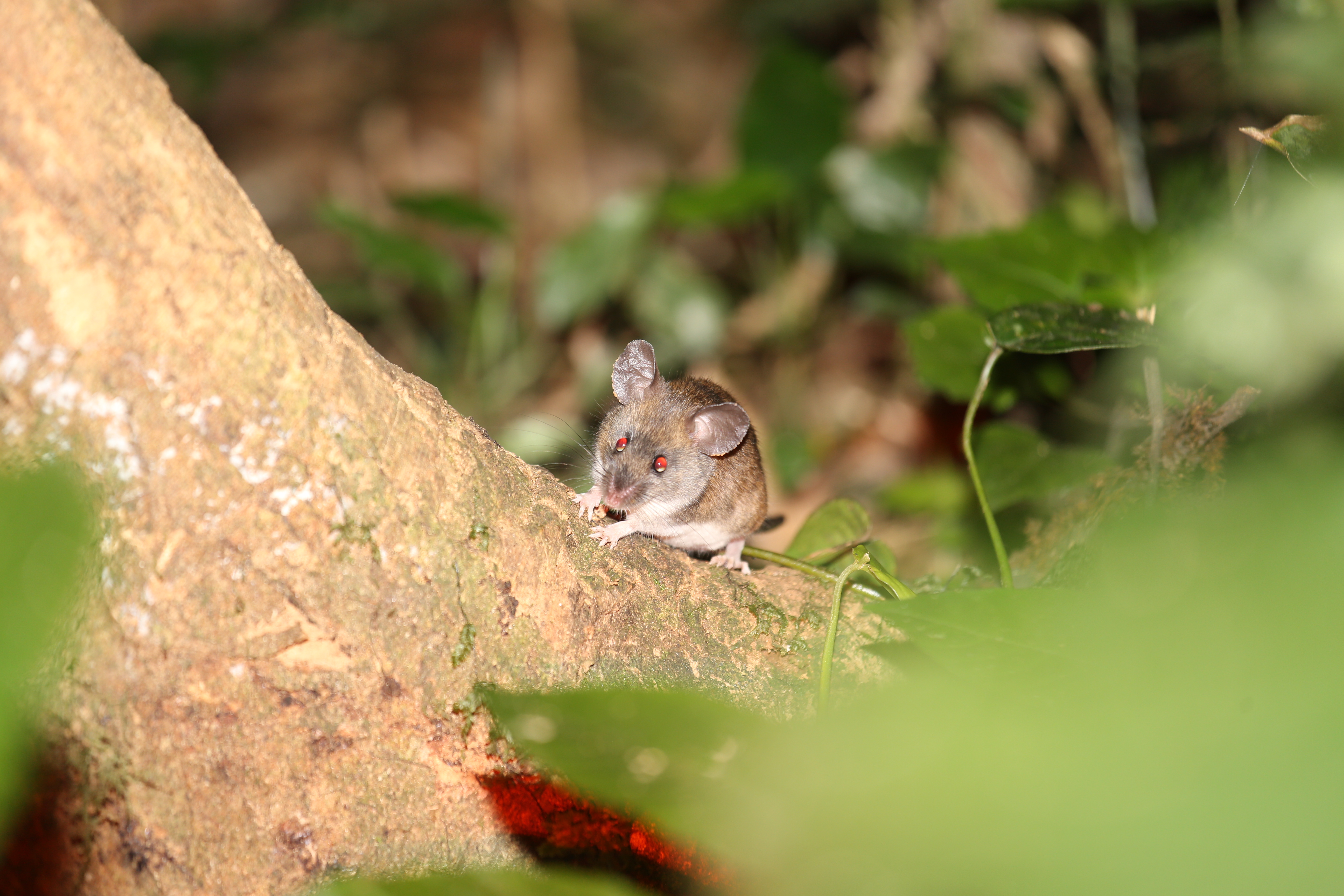
Other nocturnal animals, that are more rare and more shy, are dwarf galagos (Paragalago sp.), genet, white tail mongoose and suni antilope.
 Animals of Taita, Kenya