Pikkugalagot Mbolololla ja Ngangaossa saattavat olla uusi laji tieteelle.
Pikkugalagot ovat pieniä kädellisiä. Ne kuuluvat puoliapinoihin kuten Madagasgarilla elävät makit.
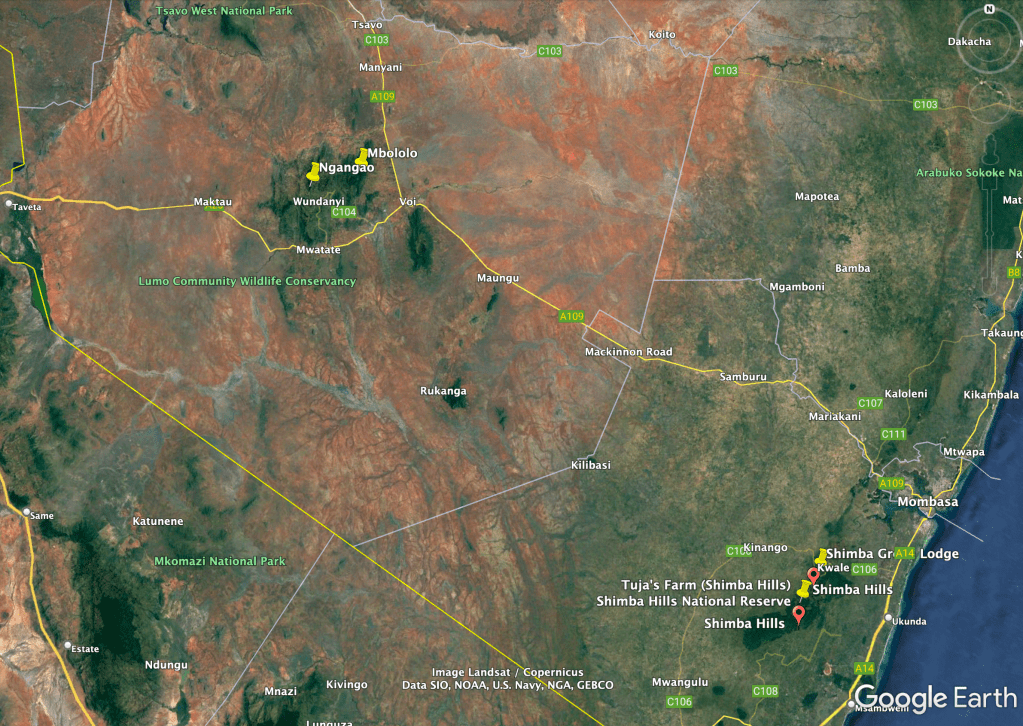
Sekä Ngangao, että Mbololo ovat vuorten huippuja. Näitä huippuja ympäröivissä metsissä pikkugalagot ovat olleet eristyksissä toisistaan ja muista populaatioista 0,9-2 miljoonaa vuotta.
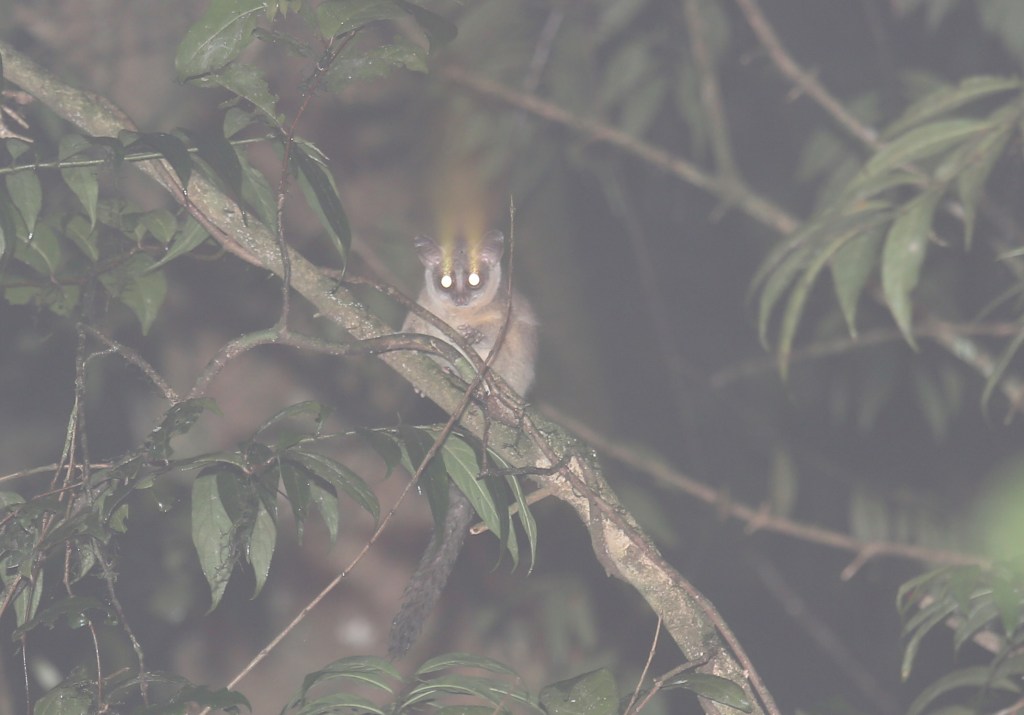
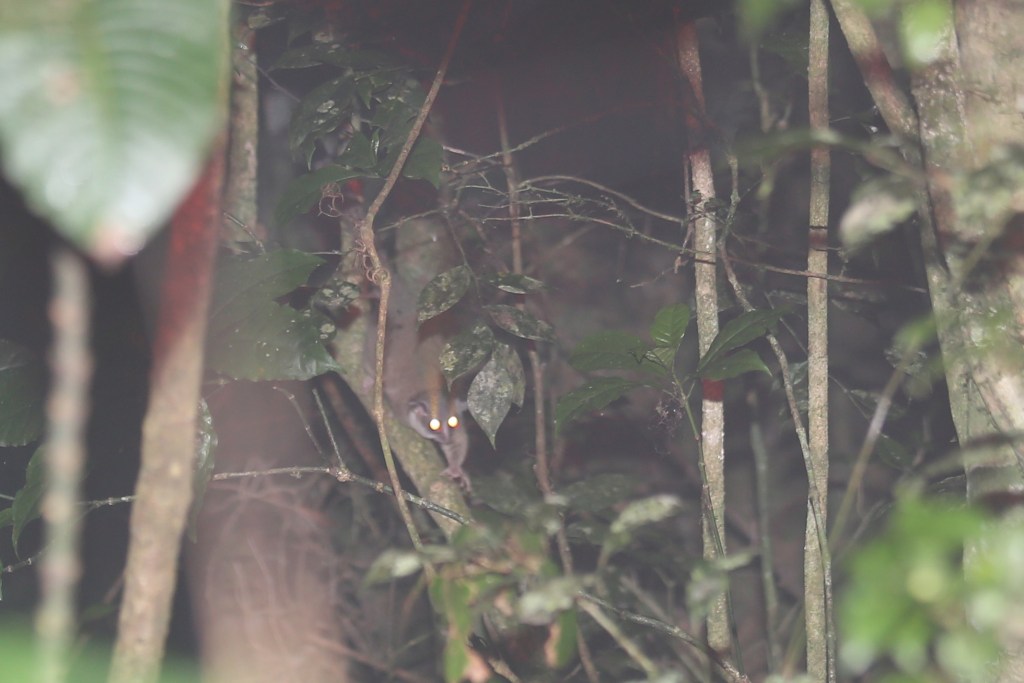
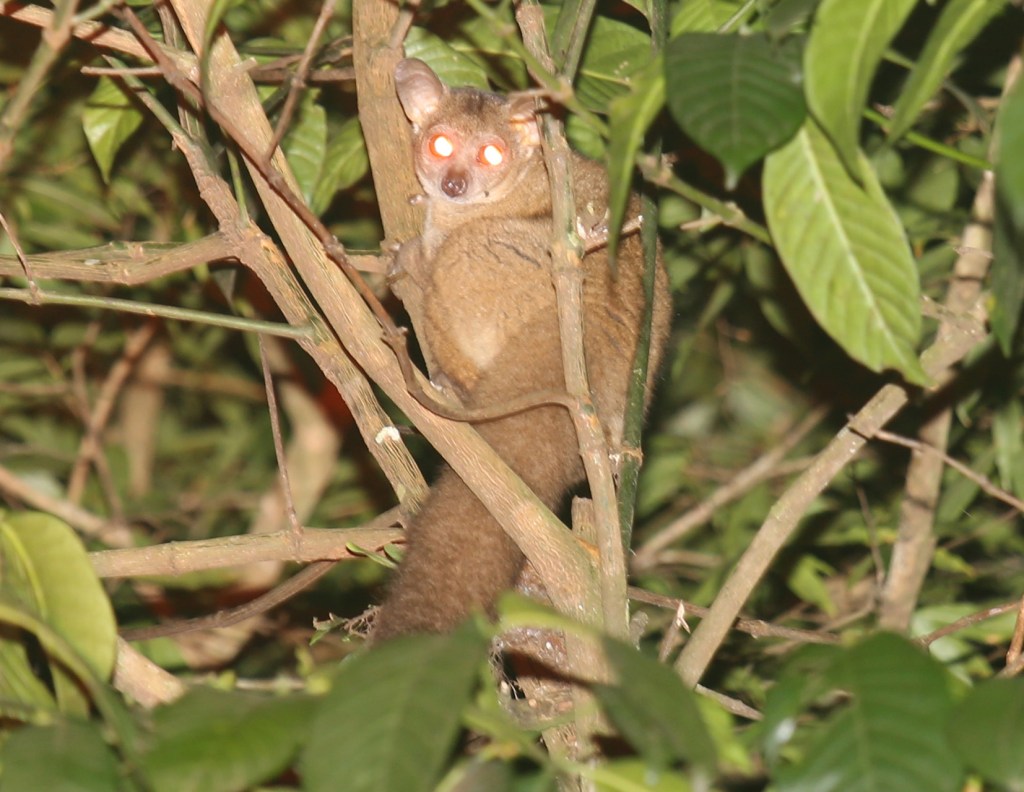
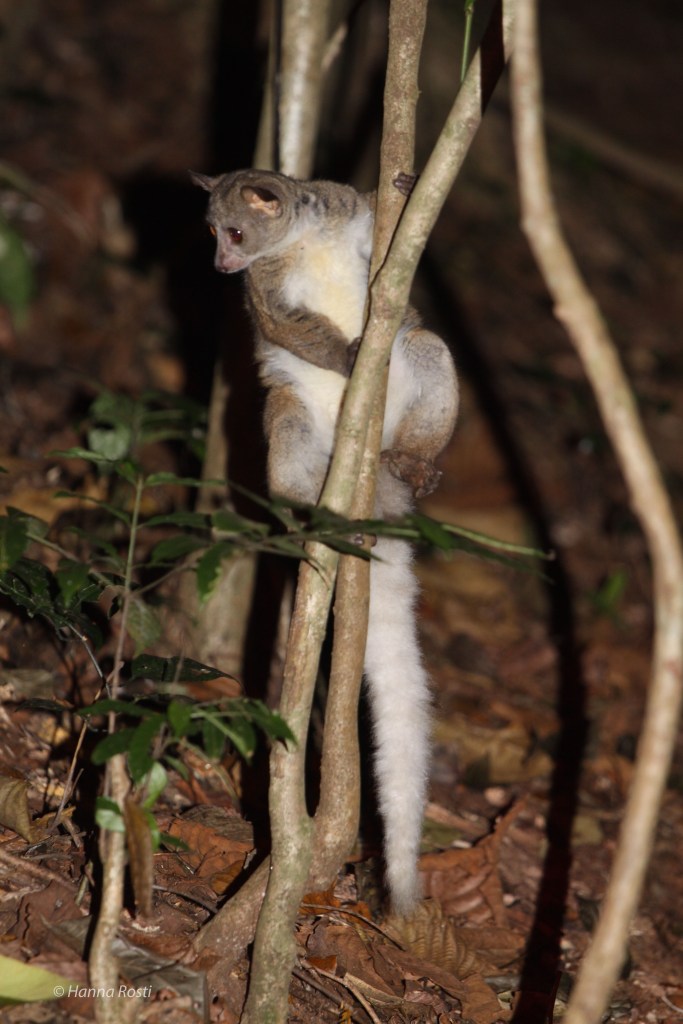
Mbololo vuoren pikkugalago pilvisessä trooppisessa metsässään
Siinä on hyvin aikaa kehittyä omaksi lajikseen.
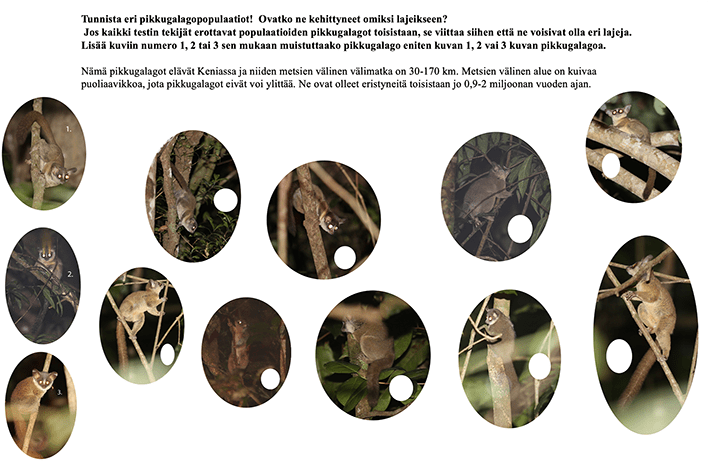
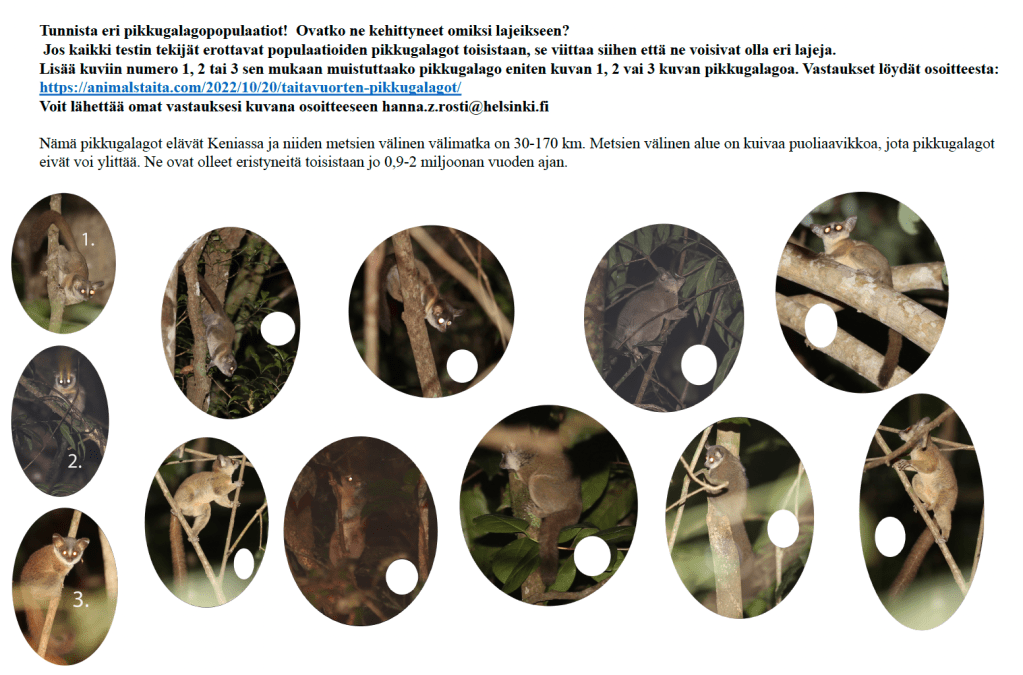
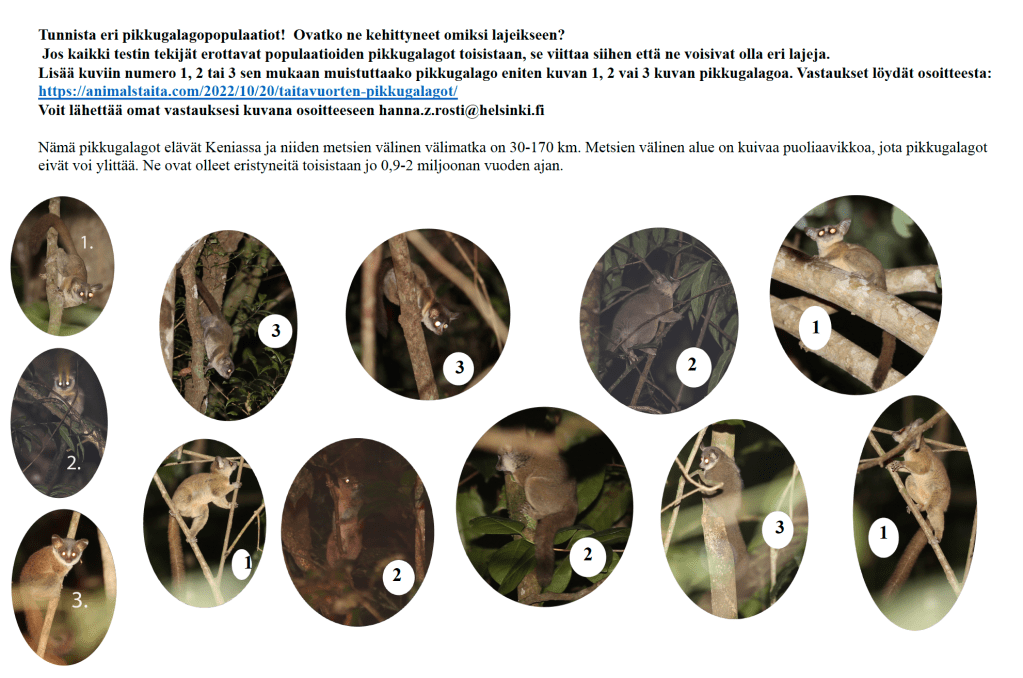
Pikkugalagot ovat kryptisia, eli eri lajit näyttävät hyvin samanlaisilta. Ulkonäön perusteella niitä on vaikea erottaa toisistaan.
Pikkugalagoissa on kokoeroja. Mbolololla elävä pikkugalago on selvästi isompi kuin Ngangaossa elävä. Ja Ngangaossa elävä pikkugalago on isompi kuin rannikolla elävä Kenian rannikkopikkugalago (Paragalago cocos).
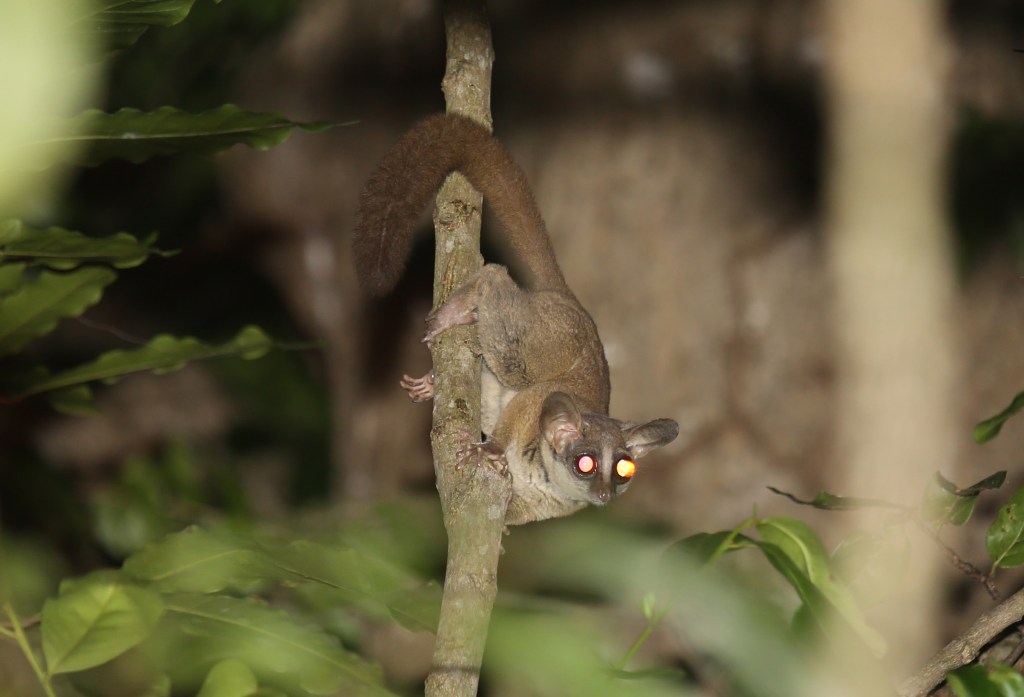
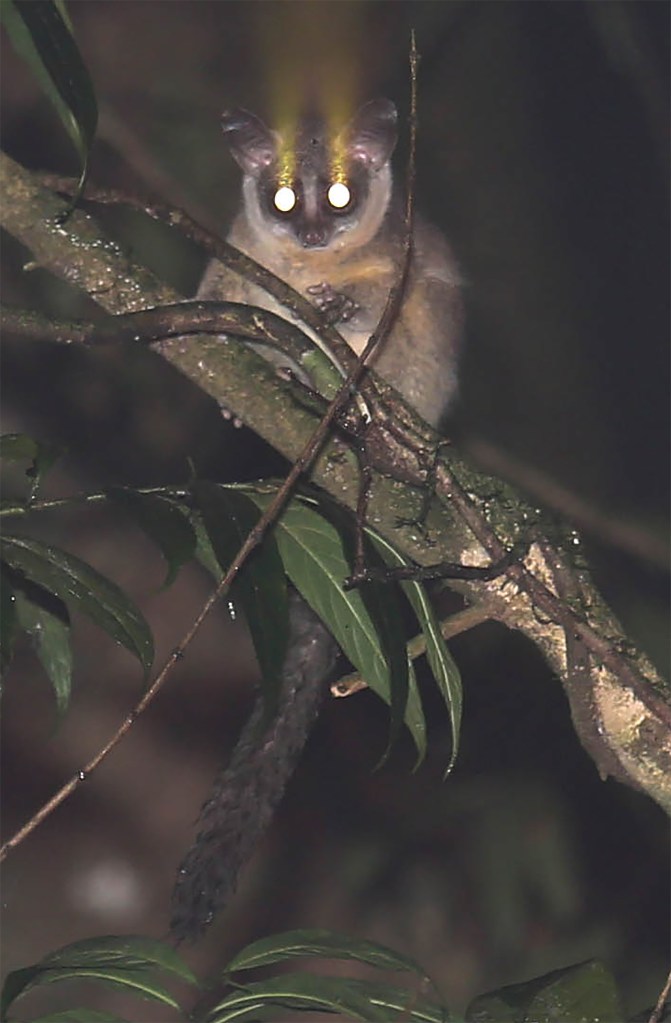
Rannikon pikkugalago, kuvattu Diani Beachillä olevassa metsässä
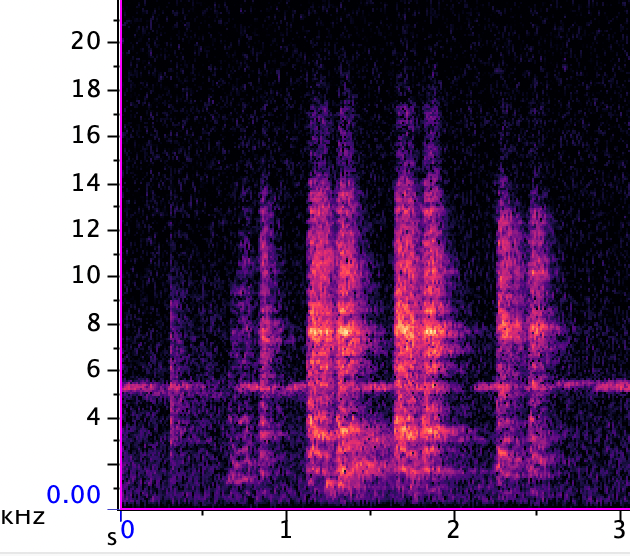
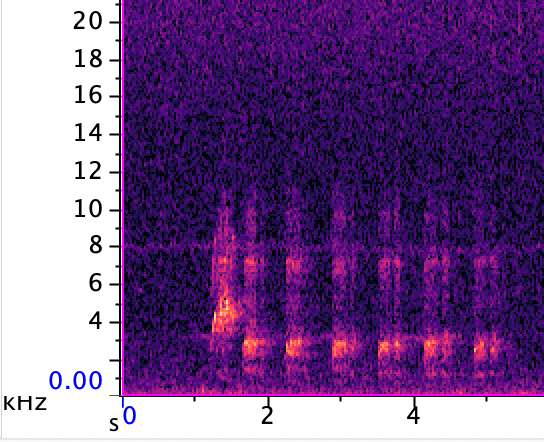
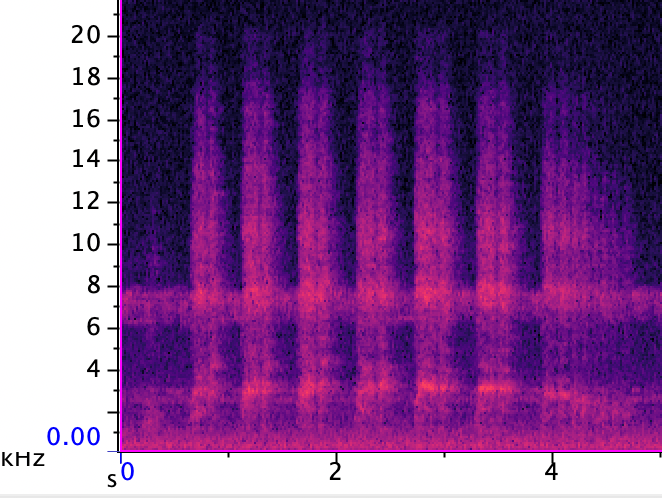
Mbololon, Ngangaon ja rannikon pikkugalagoiden äänteet eroavat toisistaan jonkin verran.
Pikkugalagot ovat hyönteissyöjiä. Ne elävät perheryhminä.
Ne etsivät hyönteisiä öisin yksin ja perheryhmän jäsenet kutsuvat välillä toisiaan, johon muut vastaavat. Näin pikkugalagot tietävät missä muut ovat menossa.
Aamuisin kokoonnutaan yhteen. Ryhmän johtaja kutsuu kaikkia, joskus eläimet laulavat yhdessä. Sen jälkeen ne menevät puun sisällä olevaan onkaloon yöksi.
Ngangaossa pikkugalagoita on jäljellä vain noin 10 yksilöä. Tiedämme tämän sillä olemme jäljittäneet niitä jo neljän vuoden ajan. Ngangao on kooltaan vain 1,2 km2.
Mbololon metsässä pikkugalagoita on enemmän, ehkä noin 100 yksilöä. Tarkka arviointi on mahdotonta, sillä Mbololon rinteet ovat niin jyrkät ettei niitä voi järjestelmällisesti tutkia.
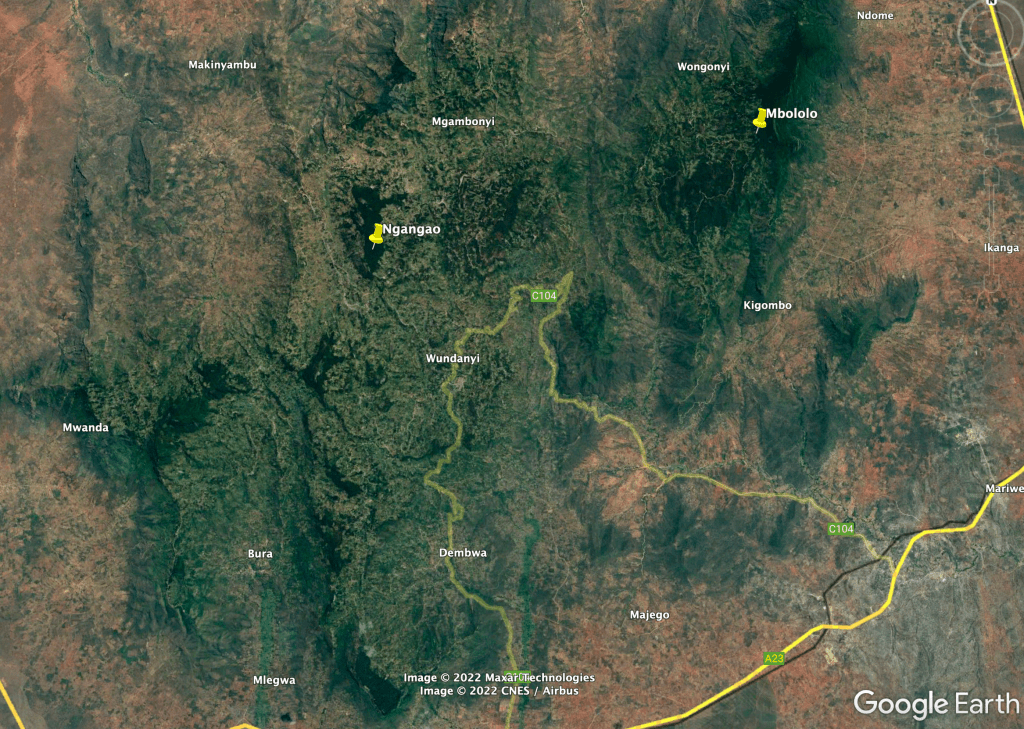
Google Earth kartta, jossa näkyy Ngangao, Mbololo ja rannikon Shimba Hills suojelualue. Nganagao ja Mbololo kuuluvat Taitavuoriin, niitä ympäröi suuri Tsavon luonnonsuojelualue.Miltei kaikki metsät on Taitavuorilta hakattu maanviljelyksen ja puuplantaasien tieltä. Jäljellä olevat metsät ovat vuorten huippujen ympärillä ja niin jyrkkiä, ettei niitä ole voitu ottaa viljelyskäyttöön.
Pikkugalagot eivät voi siirtyä metsästä toiseen, sillä ne eivät voi ylittää viljelyksiä.
Pikkugalagot voivat laskeutua maahan, mutta yleensä ne vain pikaisesti käyvät maassa ja hyppäävät pikaisesti takaisin puuhun.
Miten testi meni? Voit lähettää vastauksesi kuvana osoitteeseen hanna.z.rosti(at)helsinki.fi
Two remaining “larger” forests in Taita Hills are Mbololo 180 ha and Ngangao 120 ha. Taken together these forests are only three square kilometers in size.
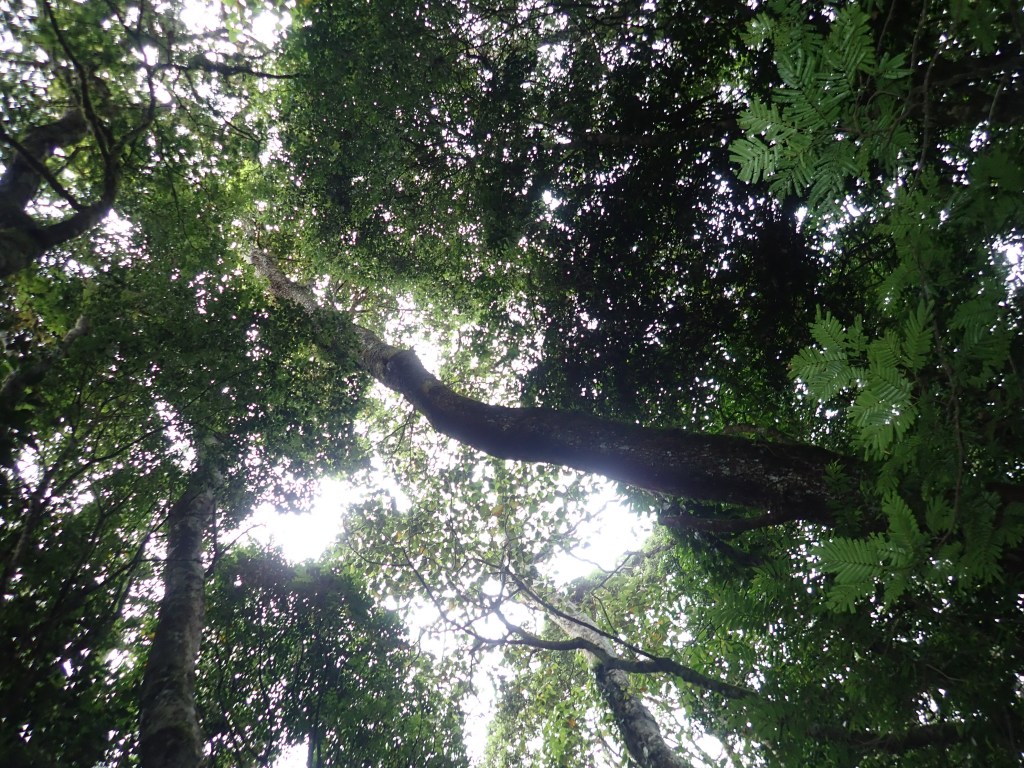
View to the canopy in Mbololo Forest
But they are full of amazing forms of life. Many (most) of them critically endangered, as their habitat, indigenous cloud forest has been almost entirely lost from Taita Hills.
These remaining forests could be made national park, as their biodiversity is astounding. Value of these forests as water towers and biodiversity hot spots are priceless.
Threats for Ngangao and Mbololo Forests
Even thought these forests have been conserved in some level they do still deteriorate due to human activities: harvesting of firewood, some (not much) illegal logging, and poaching.
Reduction of rainfall. Previously large cloud forests would draw and collect moisture, and this rainfall would deliver water to large areas surrounding the Taita Hills. Now these small forest fragments don’t have that kind of rainfall pull they used to have.
Edge effects, these are tied to both previous reasons for the deterioration of the forests. As these forests are small, and particularly Ngangao is very narrow, the forest that remains most intact, protected from edge effects is small. People come in from the edges, and this is where most damage is done.
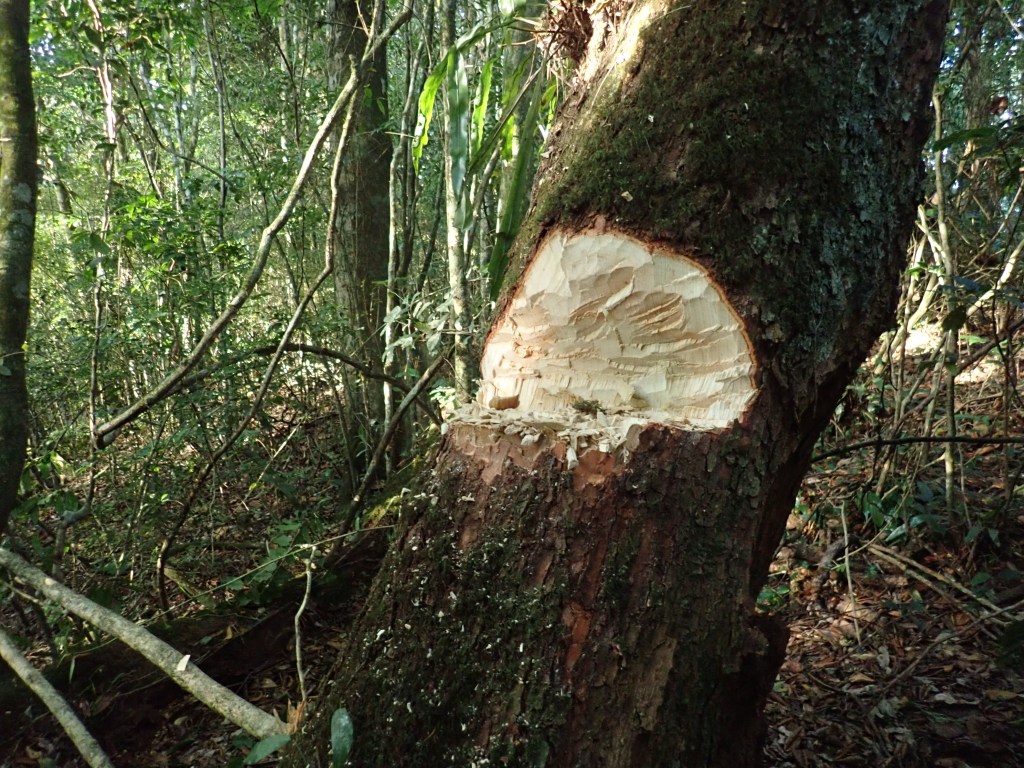
Ocotea usambarensis tree being cut illegally in January 2022. This tree doesn’t reproduce anymore in Taita Hills. It may have lost its pollinator. Only few Ocoteas remain in Taita Hills, as timber is very valuable and bark has medicinal properties.Ngangao Forest from Google Earth satellite image in April 2022. Forest is narrow, and only about 100 meters wide in the most narrow parts. Forest animals are isolated to this forest like island in the sea. They have no changes of dispersal to the other forests. It is possible that forest will simply dry out.
Means for conservation:
Increasing number of indigenous trees in all Taita Hills. Naturally increasing the size of the forest would have biggest impact, but any and all indigenous trees growing in local peoples land would be important addition.
Protection of the forests from firewood collection. It is very difficult to draw the line what is too much firewood collection. These forests are in such a state, that they should be conserved entirely. There are other means of cooking available. Sometimes firewood collection may be consequence of poverty, but to my understanding in these days it is more often result of doing things the way they were done before, some dishes taste better when cooked with wood (at least that is what people believe).
Increase in ecotourism. If these forests are conserved with their amazing species, galagos, tree hyraxes and endemic birds, they can be magnificent source of income to local people. This could provide number of different job opportunities. I have written a article about that: Enigmatic nocturnal mammals of Taita Hills and their potential role in sustainable eco-tourism Naturally, if these forests and their animals are lost, so is the opportunity for ecotourism.
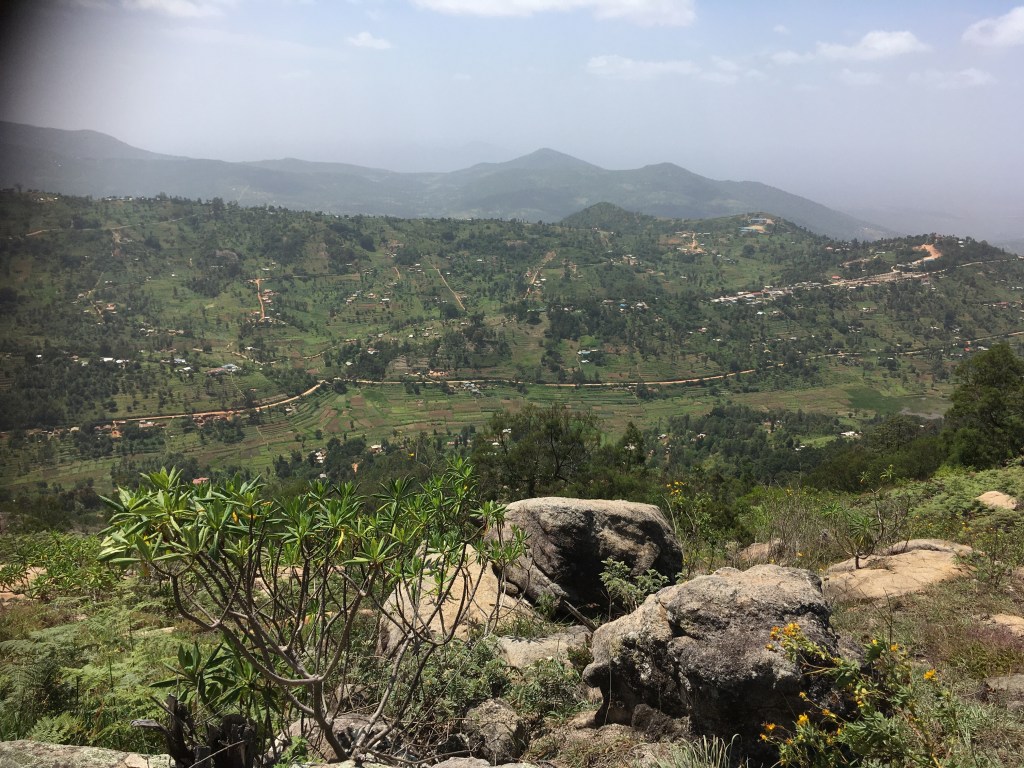
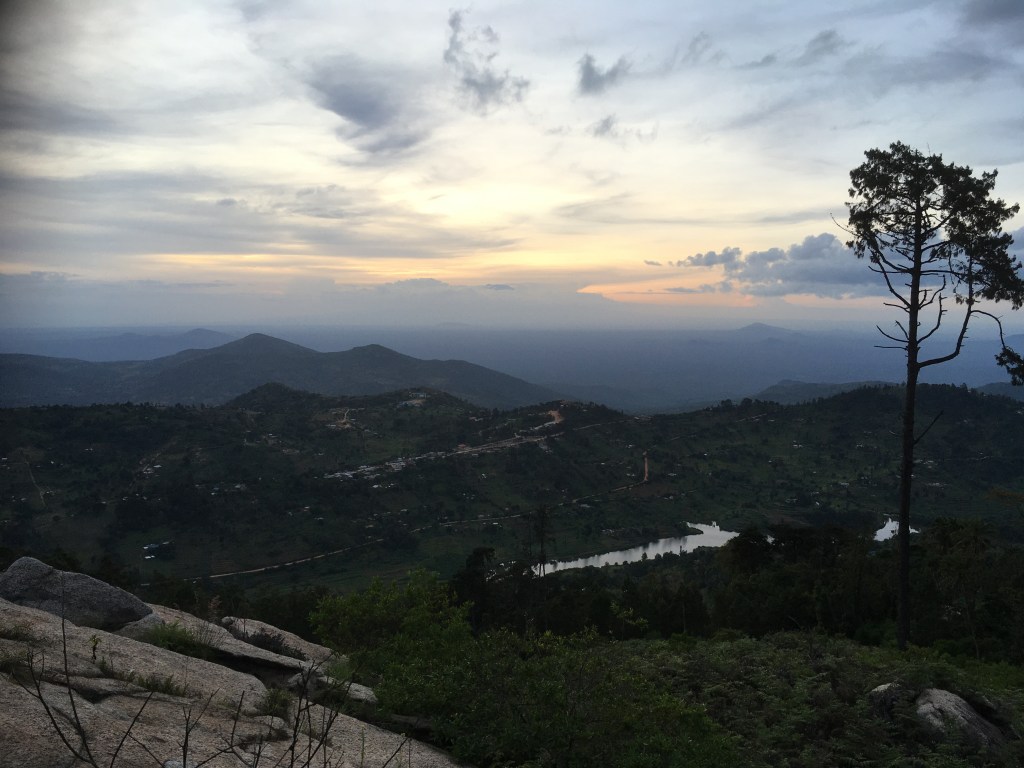
View from top of Nganagao Forest. All these hills used to be covered with 30 million year old forests.
Biodiversity hot spots
Biodiversity of fauna and flora in the Mbololo and Nganago forests is perhaps higher than anywhere else in the world. Gigantic trees, eg. Pauterias can reach 50 meters.
Key tree species in these forests are e.g. Tabernaemontana stapfliana, Pouteria adolfi-friedericii and Macaranga capensis.
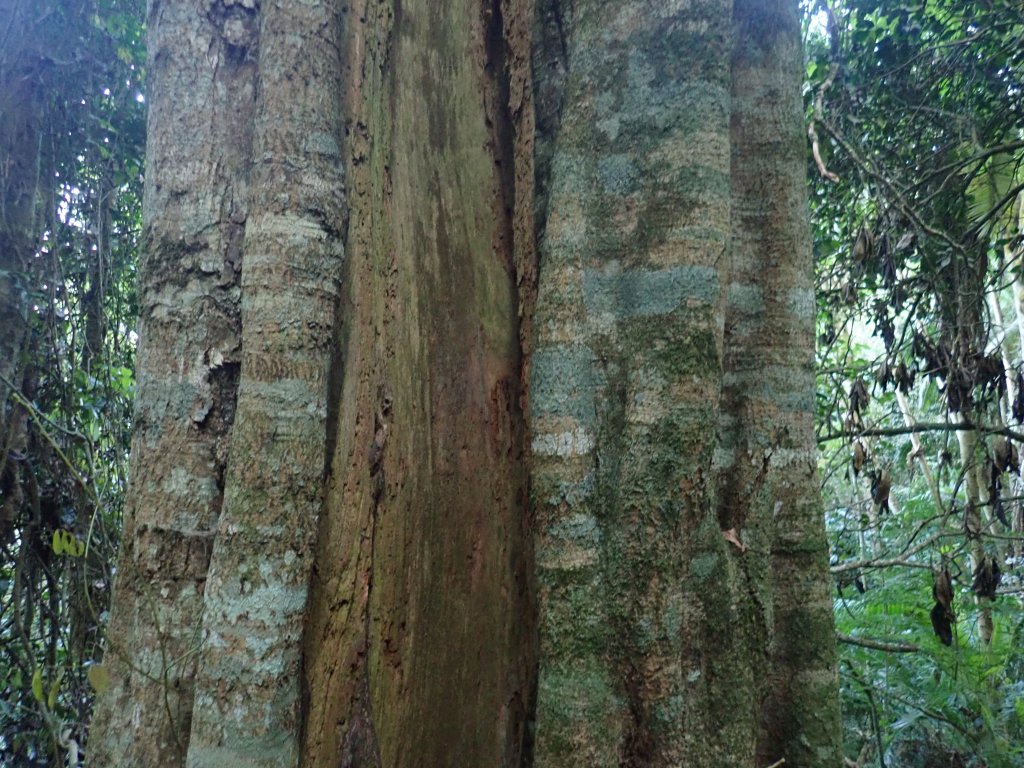
Trunk of Pouteria adolfi-friedericii
These trees support life in all their levels and these forests are like cities with skyscrapers where each floor have their own inhabitants and families.
Taita Hills is famous of the endemic birds, these include Taita trush and Taita apalis. Unfortunately especially Taita apalis is declining.
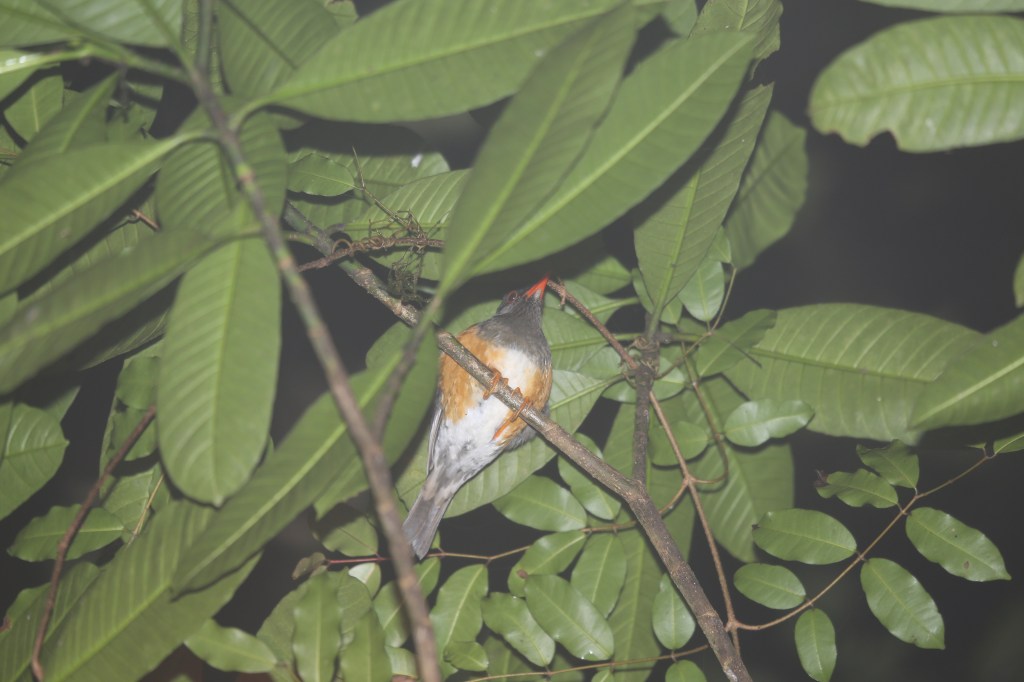
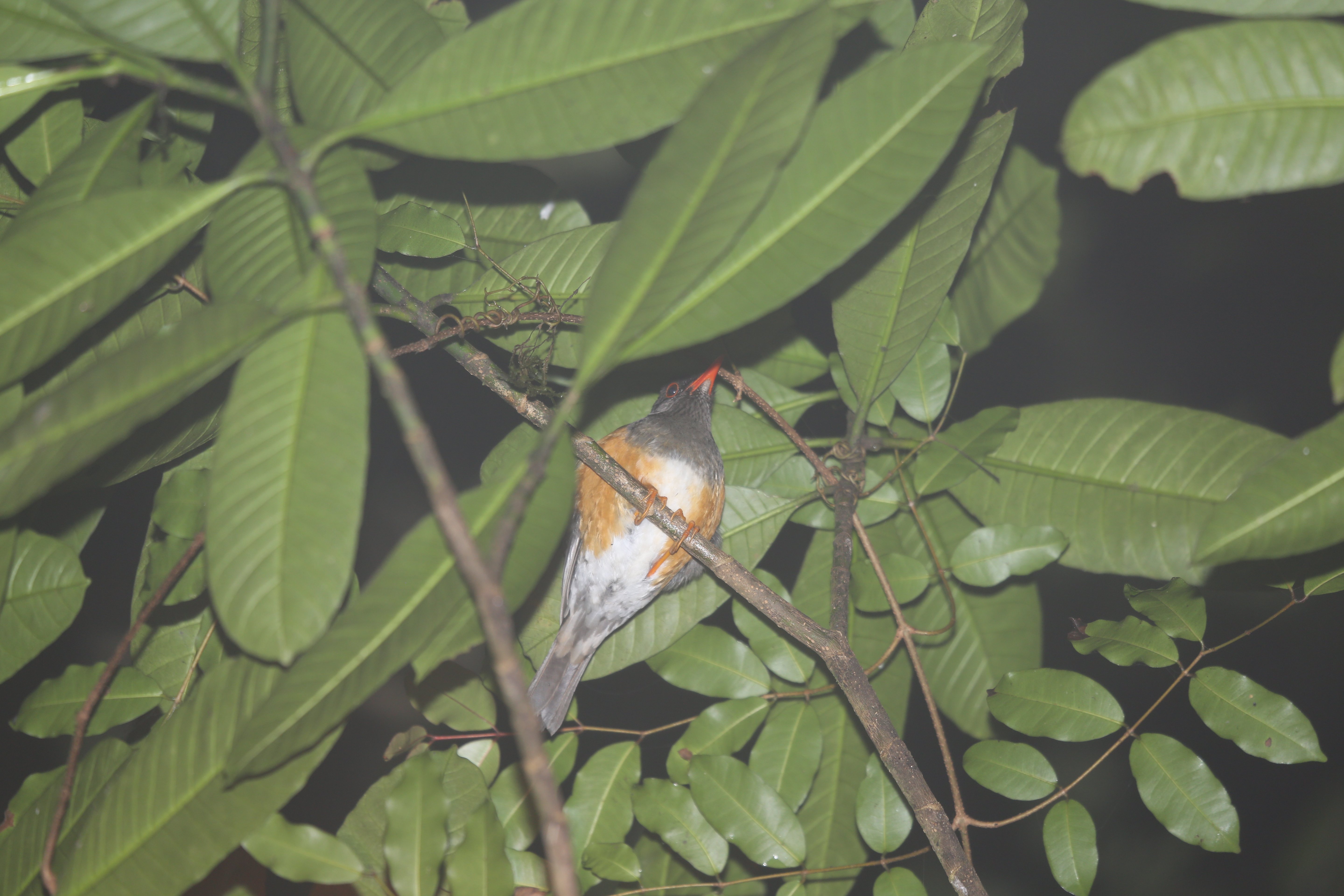
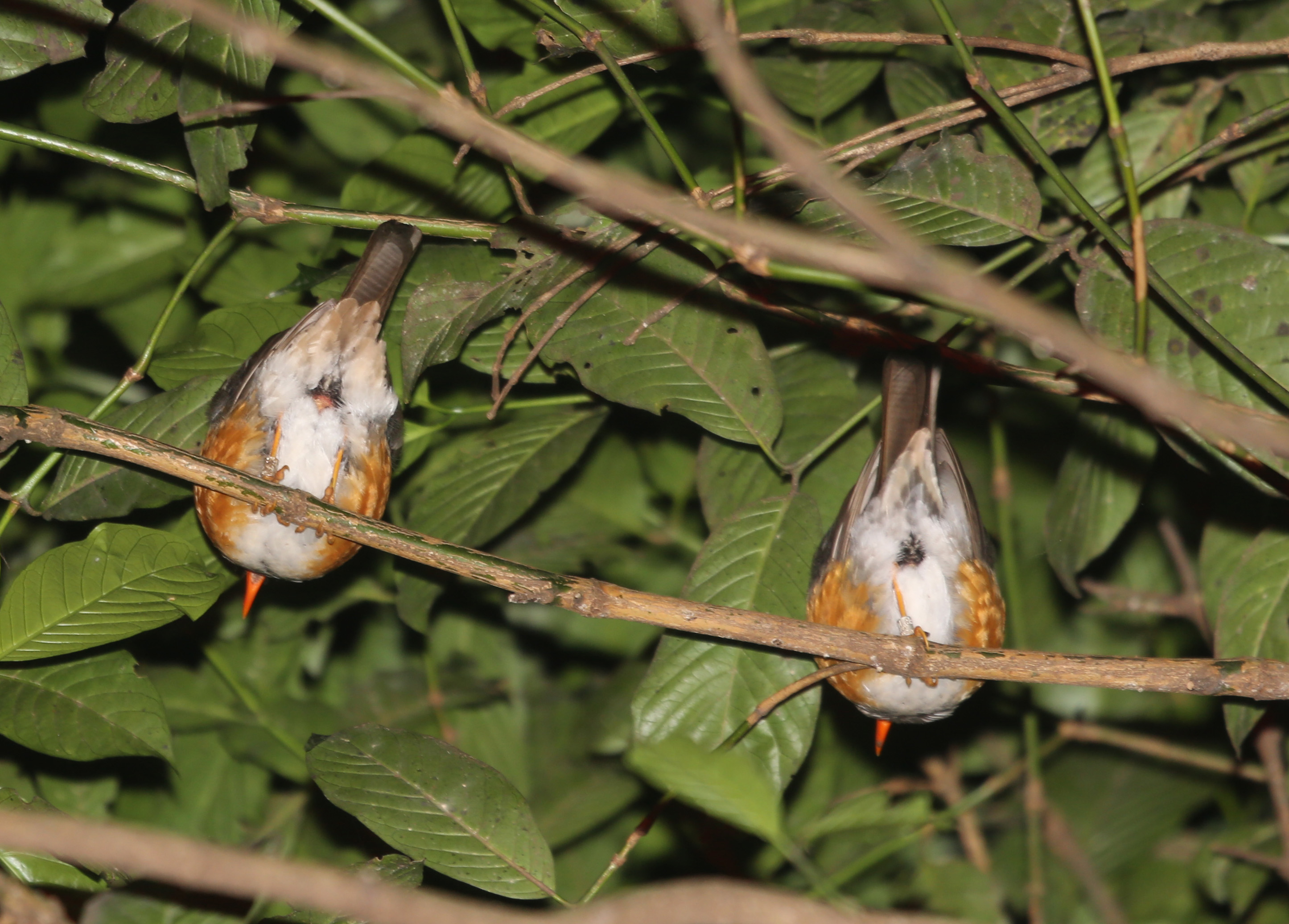
Taita trush at night
Harlaubs turaco is commonly seen and even more often heard in the forest. With its black and red colouring and calls that I often confuse with sykes monkeys calls it is fascinating bird.
Butterfly and moth biodiversity is also amazing. Ngangao peaks are amazing sites to follow butterfly topping. Butterflies, some large like birds, in all colors fly playfully competing with one another over the top over and over again. That is truly fascinating to watch.
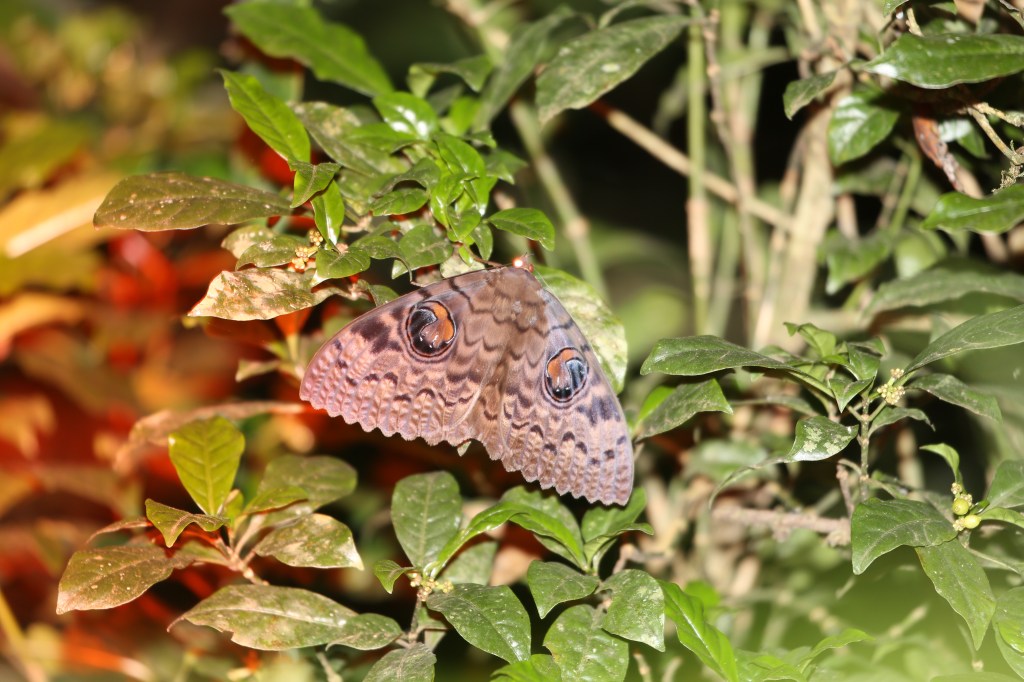
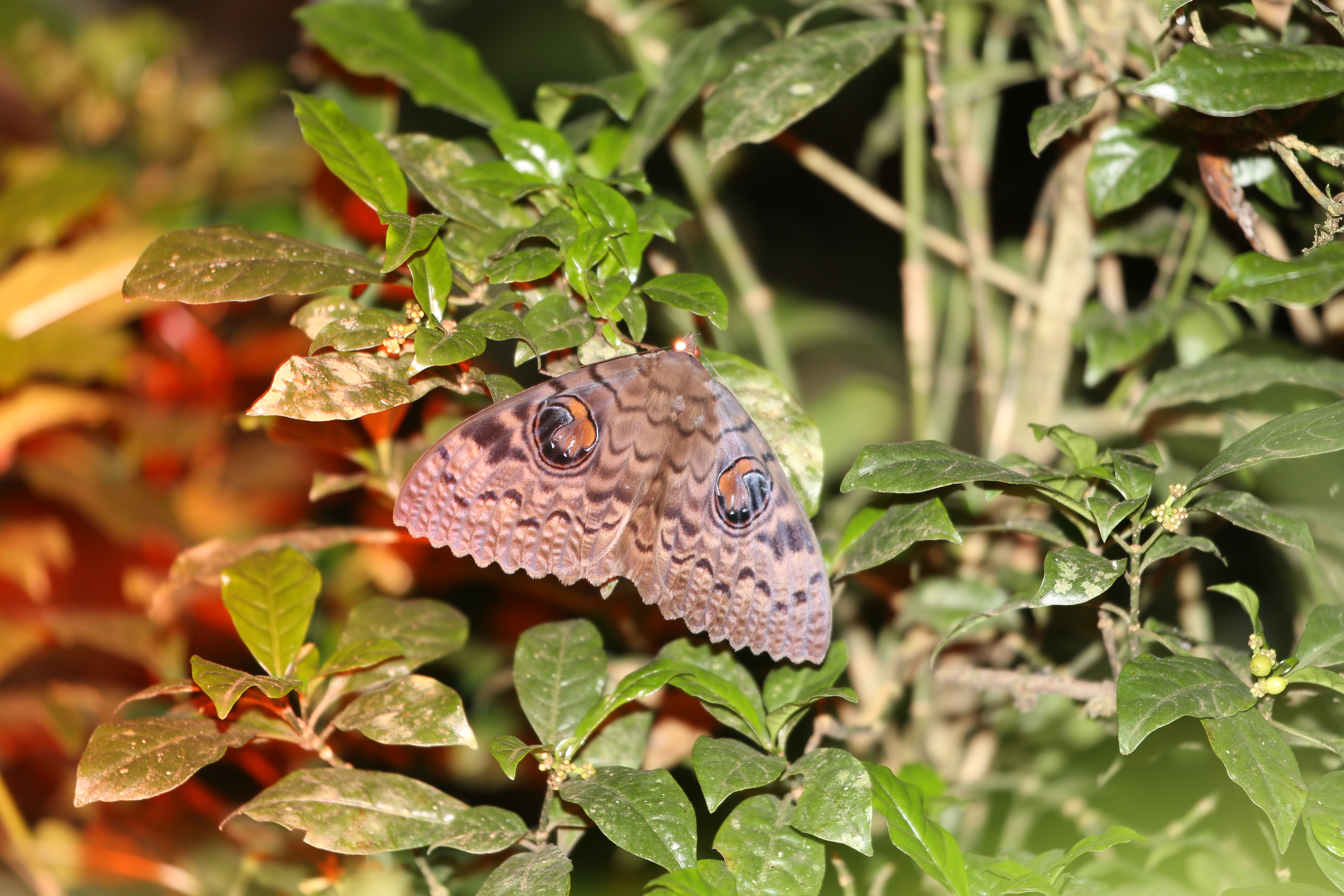
Erebus walkeri, large moth that lives in Mbololo and Ngangao
Biodiversity of nocturnal mammals
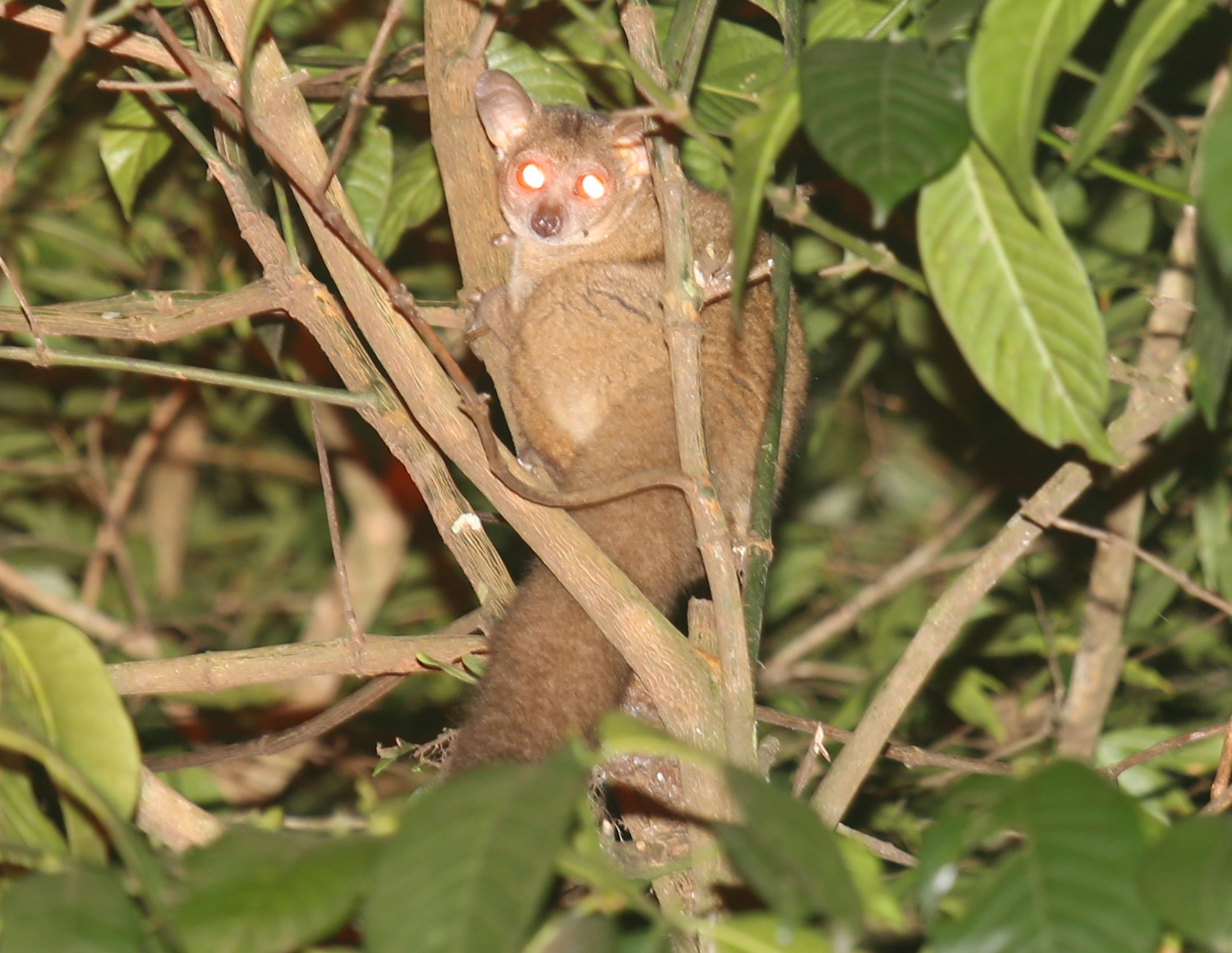
Nocturnal mammals, that no-one can not avoid to hear in the forests of Taita Hills are Taita tree hyrax (Dendrohyrax sp.) and small eared greater galago (Otolemur garnettii).
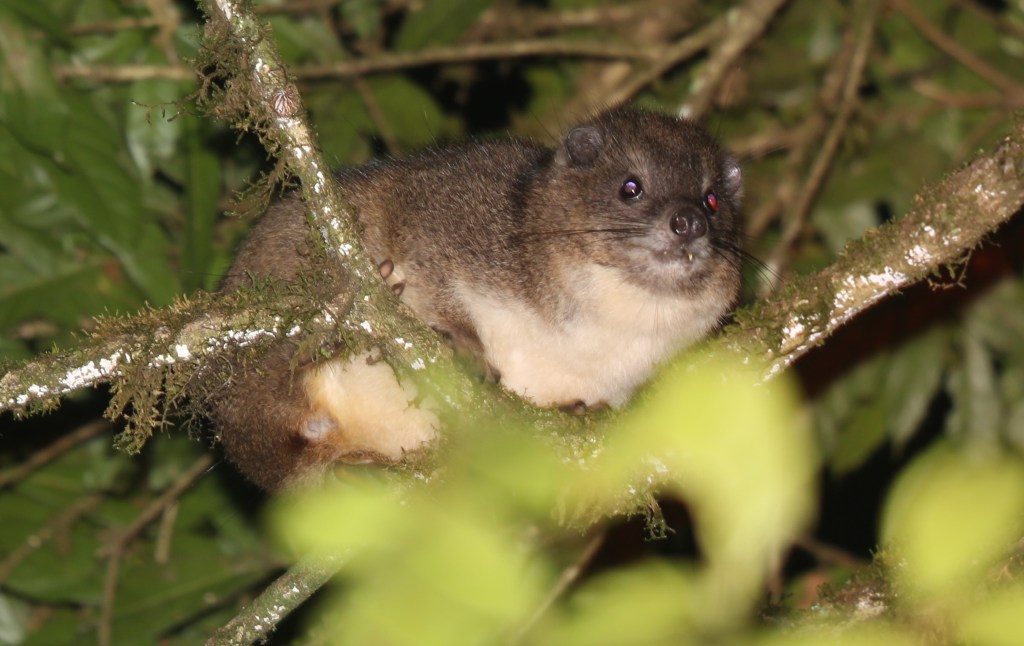
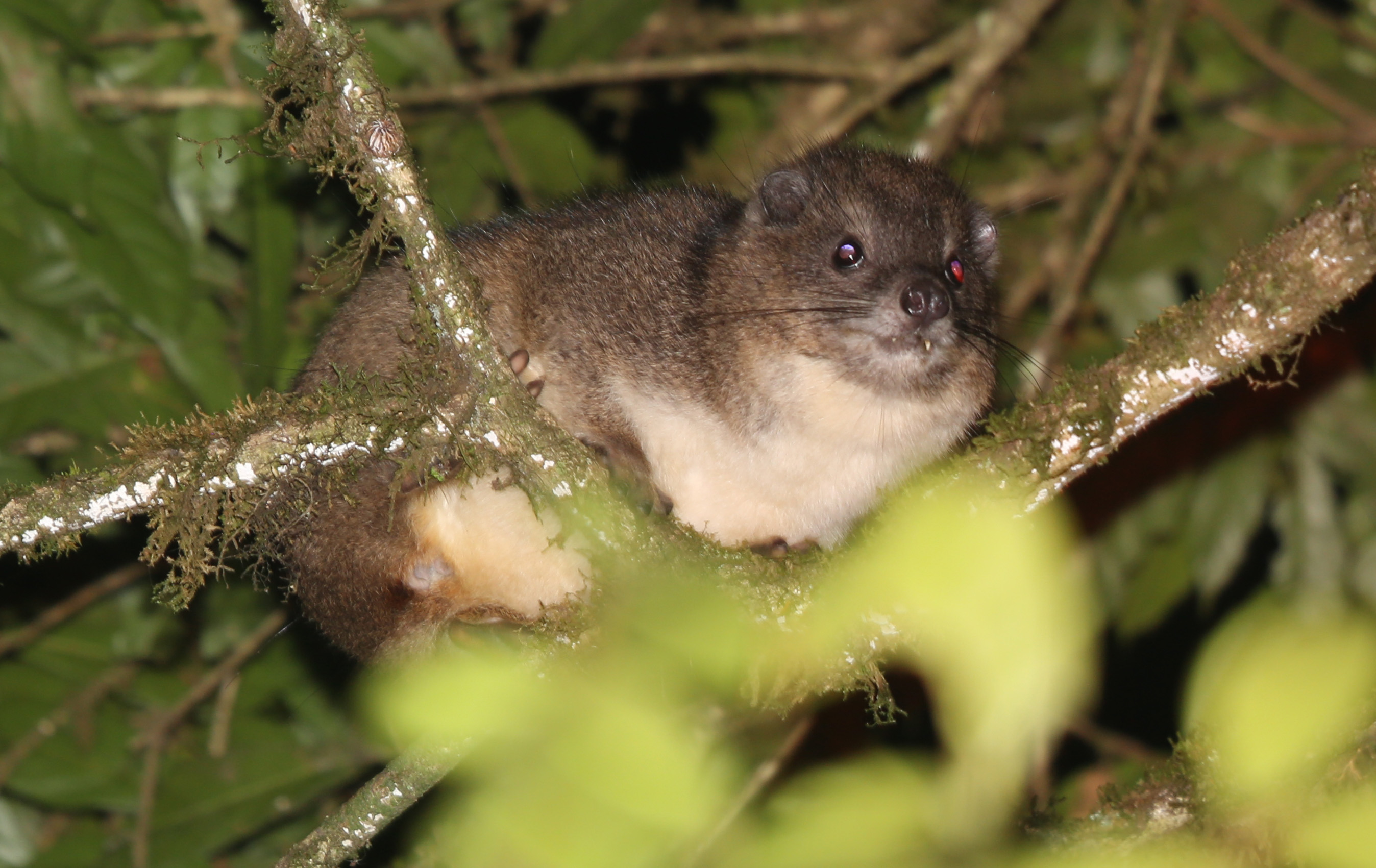
Sweet and special – Taita tree hyrax from Mbololo
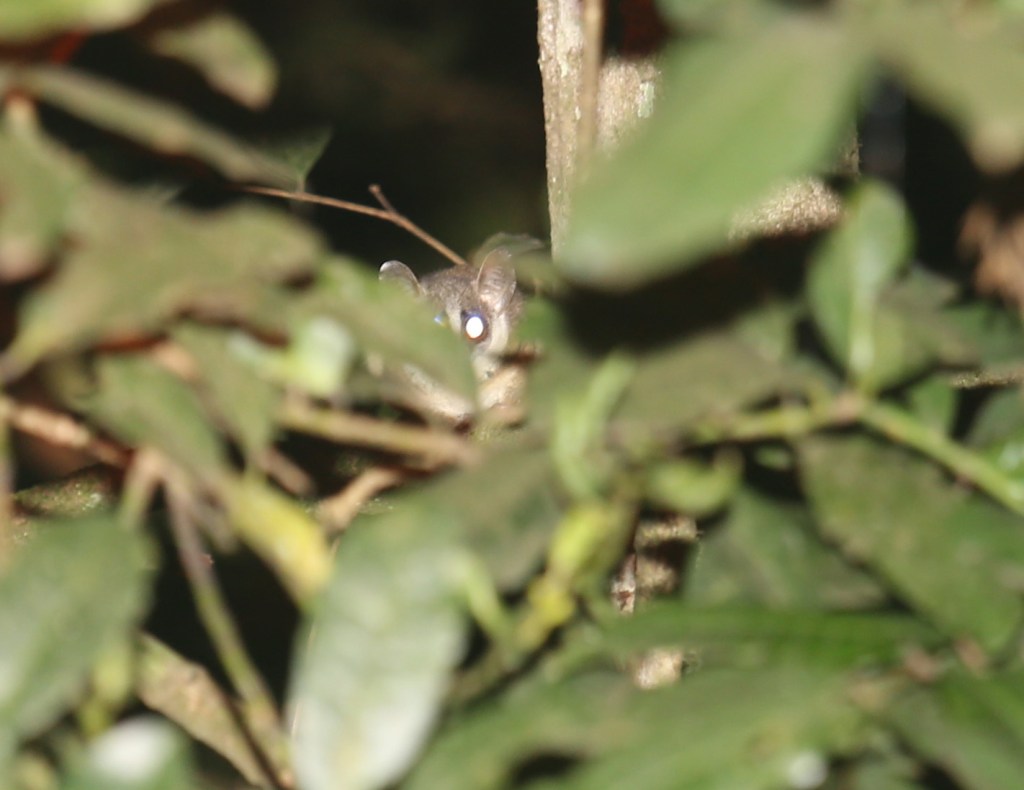
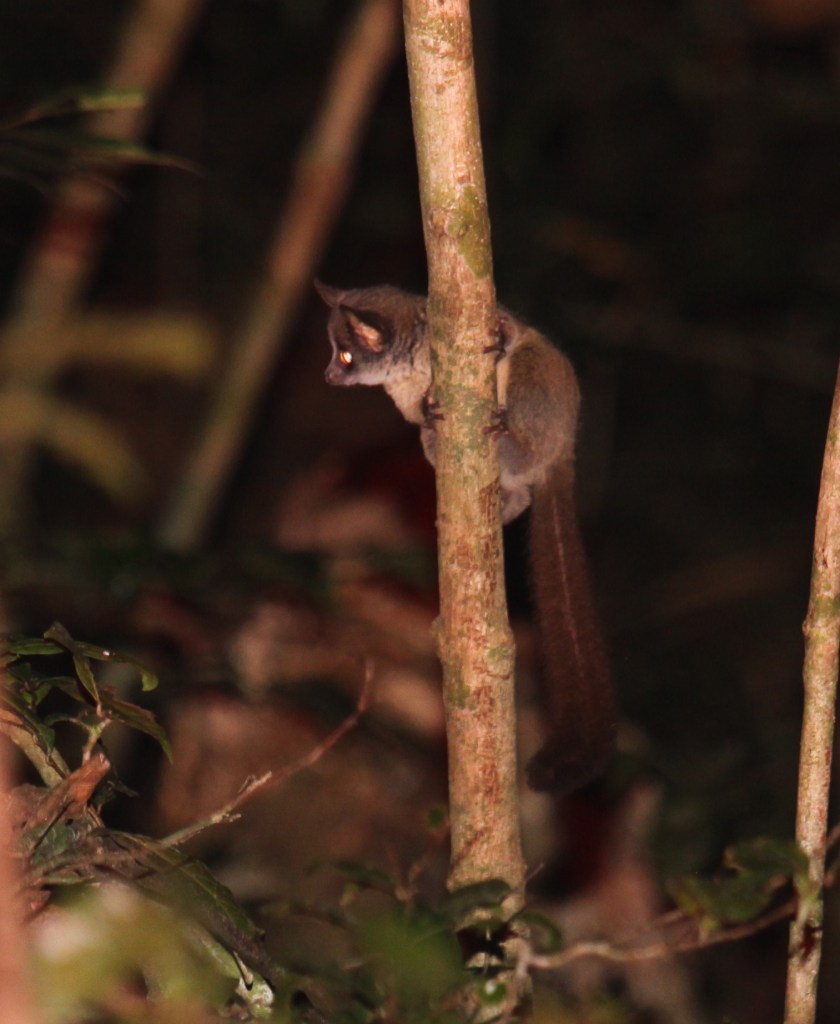
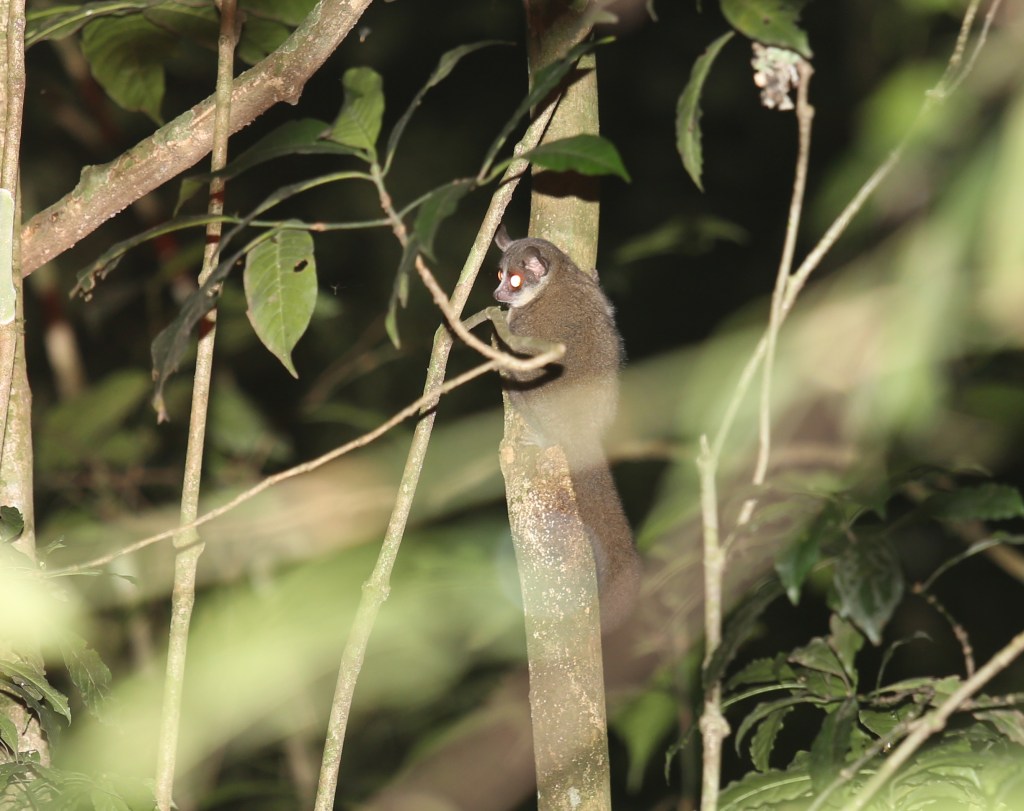
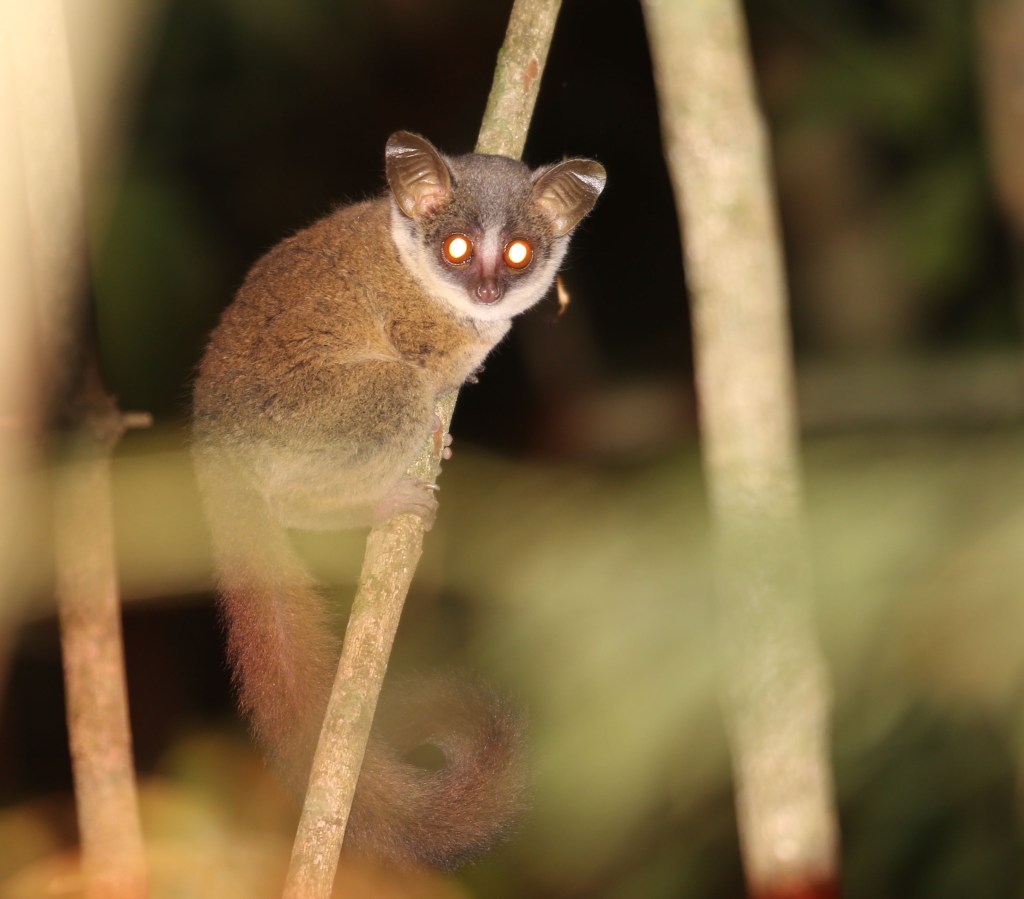
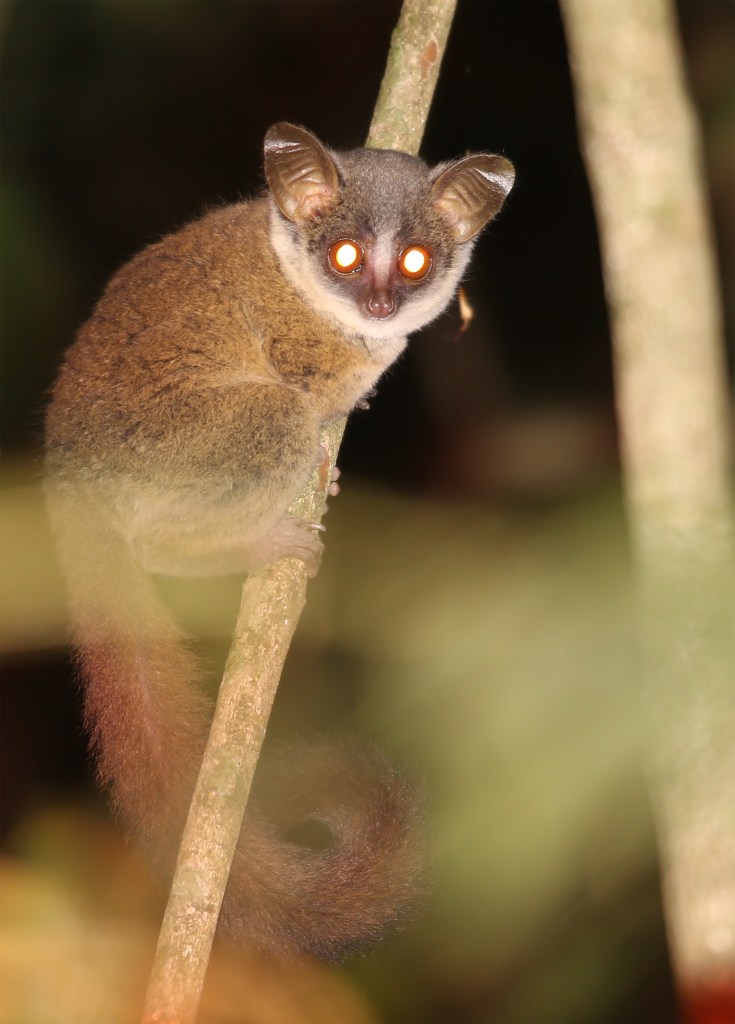
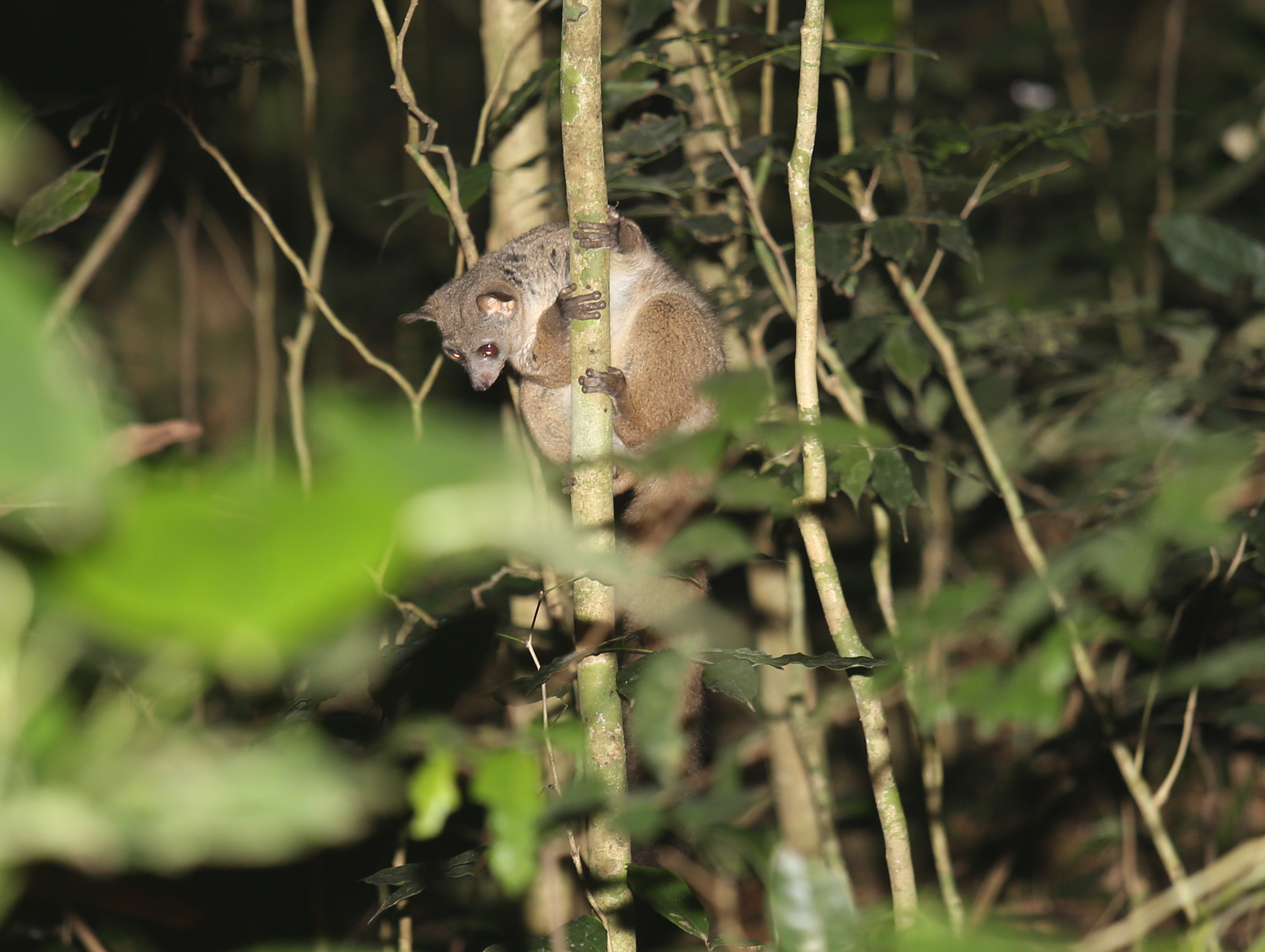
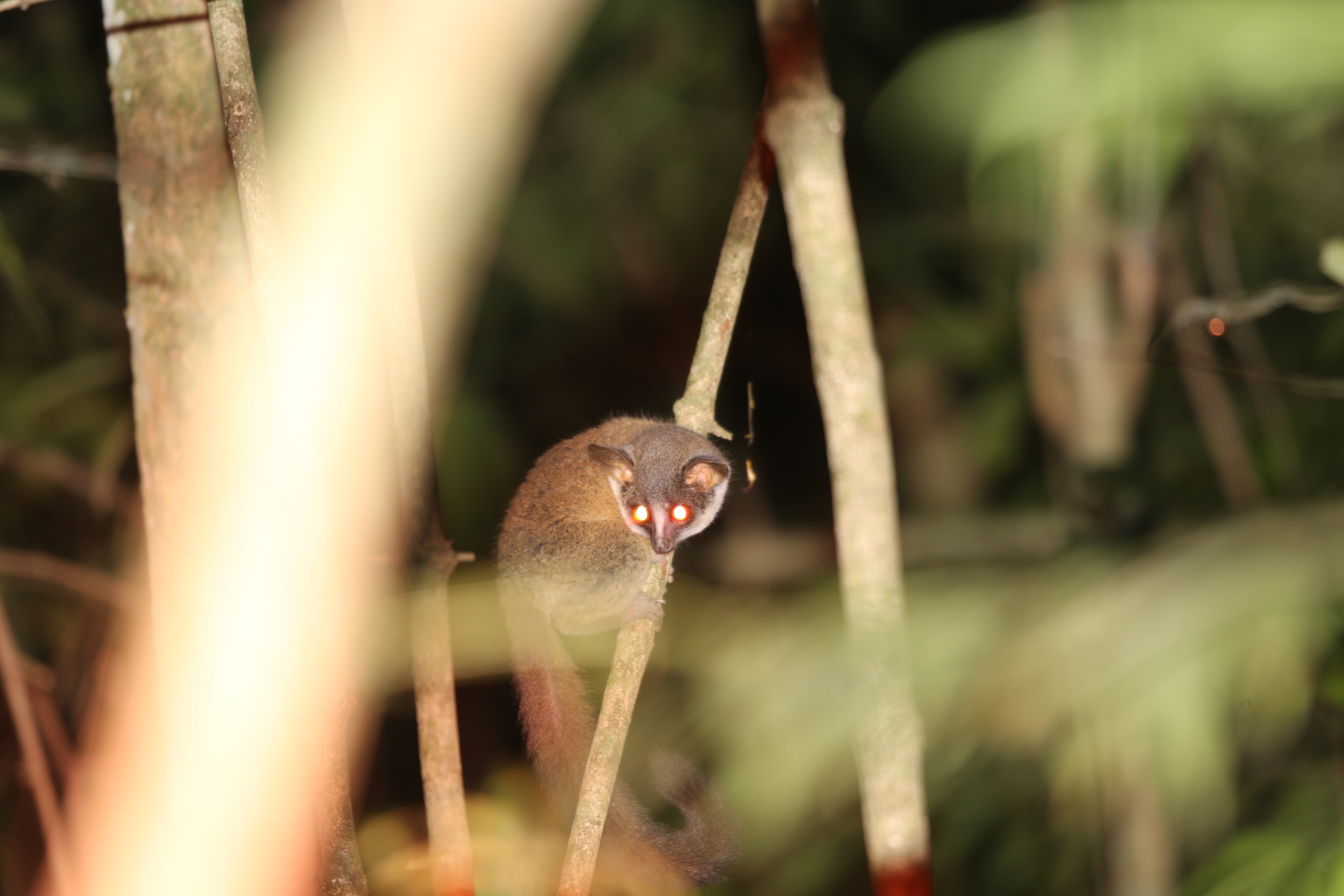
Dwarf galagos are incredible insectivores living in Ngangao and Mbololo forests. They may new species for the science. They may be differents species in Ngangao and in Mbololo forests.
Dwarf galago from Ngangao Forest, where less than 10 individuals are trying to survive.
Greater galago has adapted to live in villages and gardens, and it is easy to see. Interestingly greater galagos in Taita Hills have great variation in their coloring, some individuals are whitish with white tail and many of them are dark with black tip in the tail. There are also differences in the size and behavior.
Taita tree hyrax is very likely still officially undescribed species for the science. Its striking calls begin in the evening at 19 and ends at 06 in the morning.
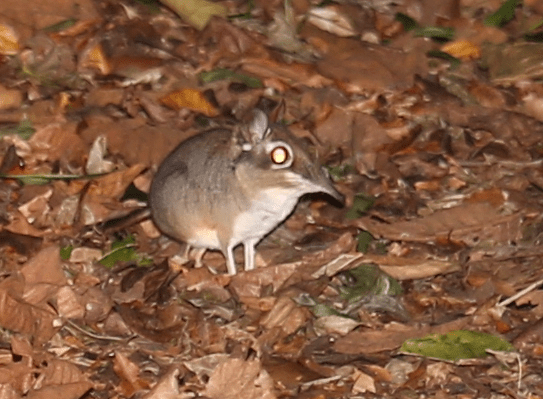
Sengi is in danger and almost extinct because it is easy pray for the dogs. January 2022.
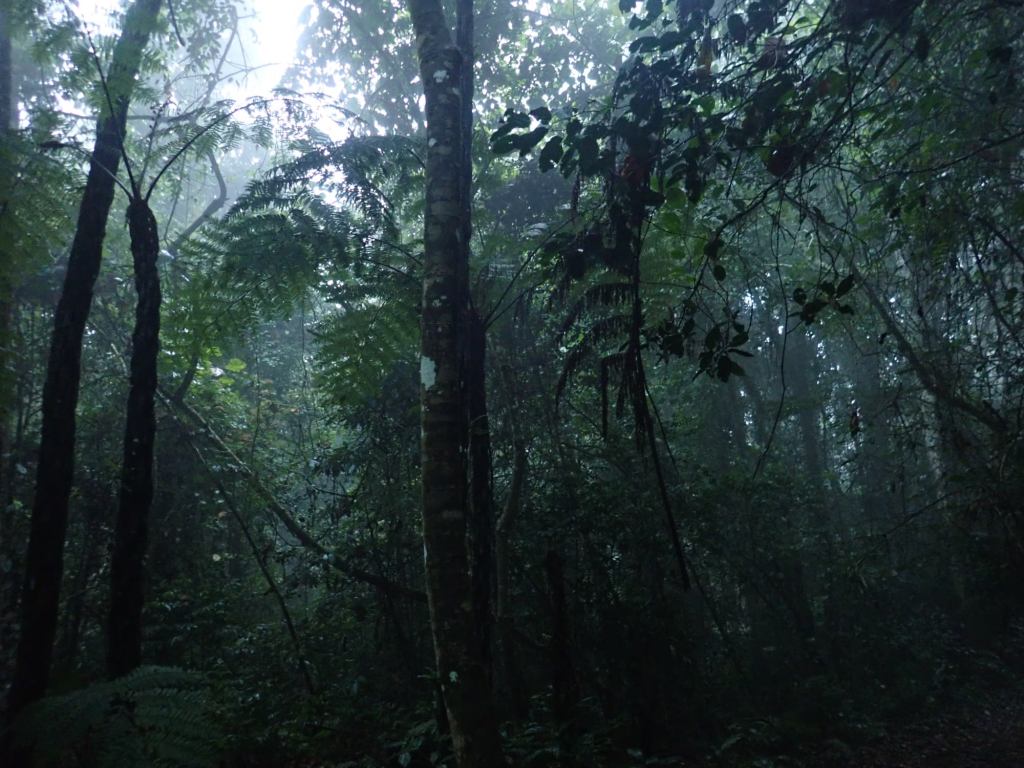
The most interesting time to be in the forest is dusk and dawn. At those times one can observe change of sift between diurnal and nocturnal animals. Especially at dawn this moment is simply magical with first rays of light penetrating to the foggy cloud forest.
Mbololo Forest at dawn
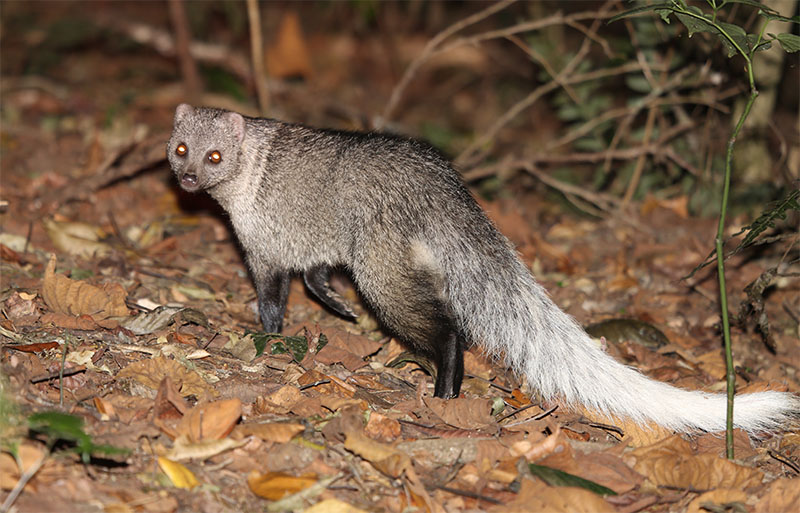
Other nocturnal animals, that are more rare and more shy, are dwarf galagos (Paragalago sp.), genet, white tail mongoose and suni antilope.
Hanna Rosti, Janne Heiskanen, Simon Bearder, Petri Pellikka and Jouko Rikkinen
Dwarf galago (Paragalago sp.) from Ngangao Forest in January 2022Spectrogram from incremental call from NgangaoMbololo dwarf galago, Paragalago sp. Photo Hanna Rosti, September 2021.
Calls from Mbololo Paragalagos:
Spectrogram from Mbololo ParagalagoParagalago cocos, Diani beach. Photo Hanna Rosti September 2021.Spectrogram from Paragalago cocos from Diani beach
Guiding tours on the indigenous forests of Taita Hills, including Ngangao, Mbololo, Vuria, Chawia, and Iyale.
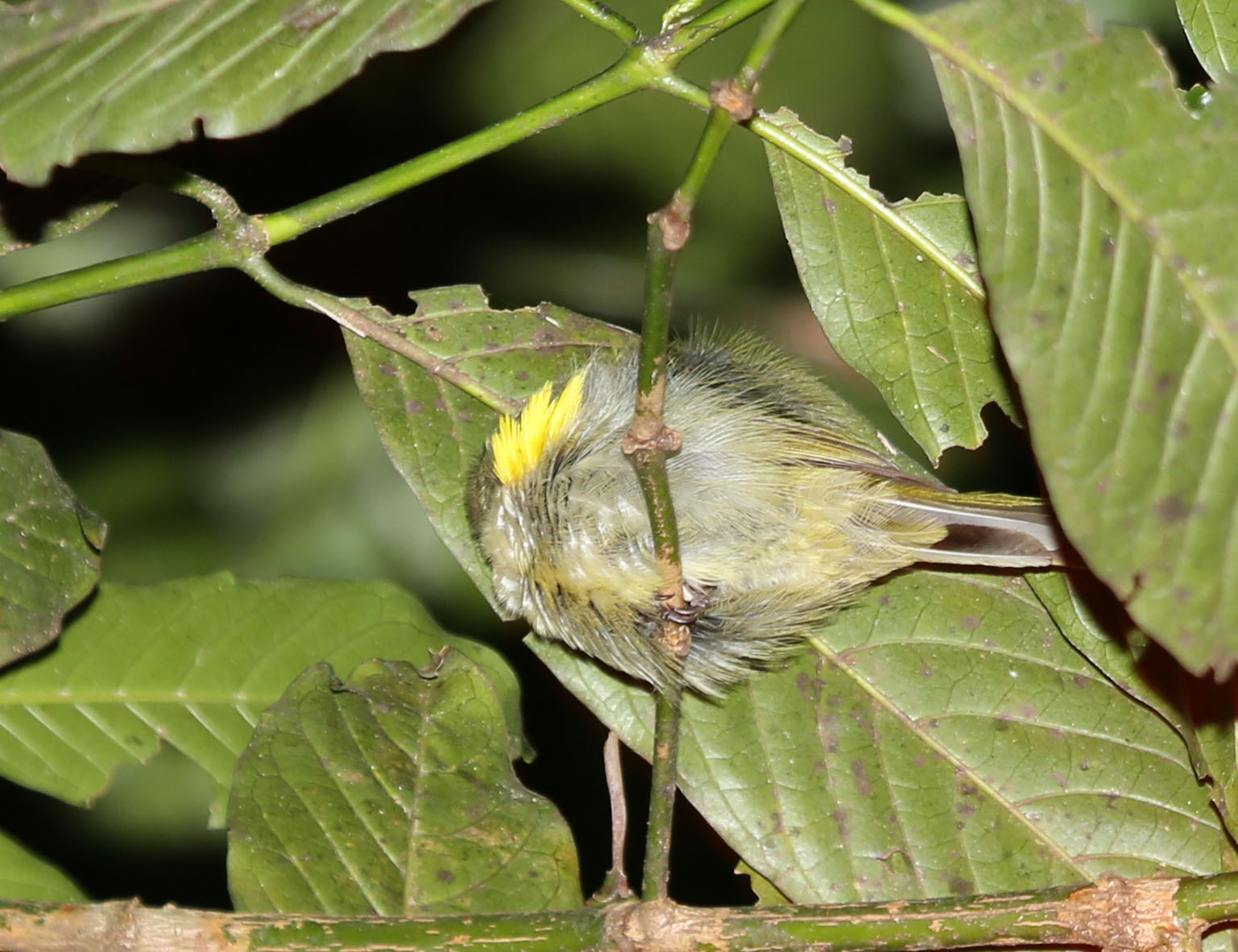
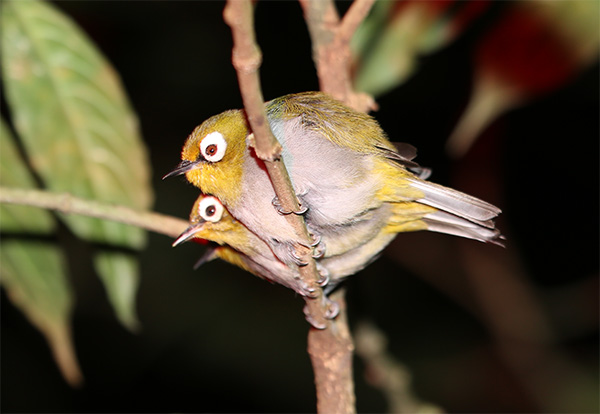
Taita white eye, endemic bird to Taita Hills
Also historical sites like Kenyatta caves, where first president of Kenya hide from colonialist, and Mwangeka caves where Mwangeka organized his group to fight against slavery in Taita Hills.
Birding
Beautiful scenaries to Tsavo and to Mt Kilimanjaro
Nocturnal animals, tree hyraxes, greater galagos and dwarf galagos
Nocturnal mammals of Taita Hills are extremely interesting and loud at night. By using red light it is possible to observe them in their natural habitat. This is truly unforgettable experience. As there are no large predators in Taita Hills, walking in the forest at night is safe.
Small-eared greater galago in Ngangao Forest
I have 20 years of experience with working with researchers in many different fields, including e.g. forestry, bat research, botany and mammals of Taita Hills.


 Animals of Taita, Kenya