Tag: Taita Sanctuary

  • September 2022, drought in LUMO, Kenya

    September 2022, drought in LUMO, Kenya

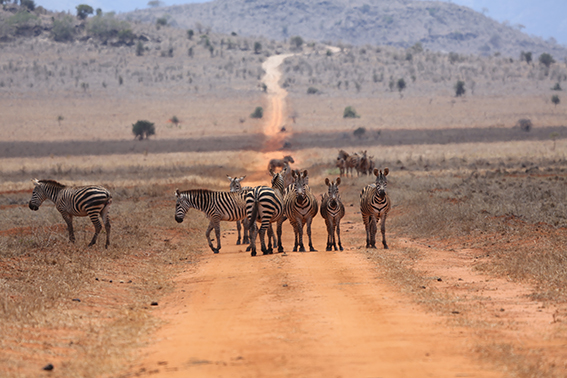
    I visited Lumo Conservancy on 4th of September 2022. Lumo was grey due to lack of rains. I have been visiting Lumo regularly for five years.

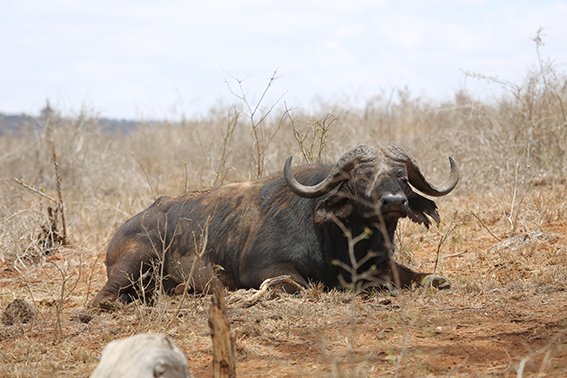
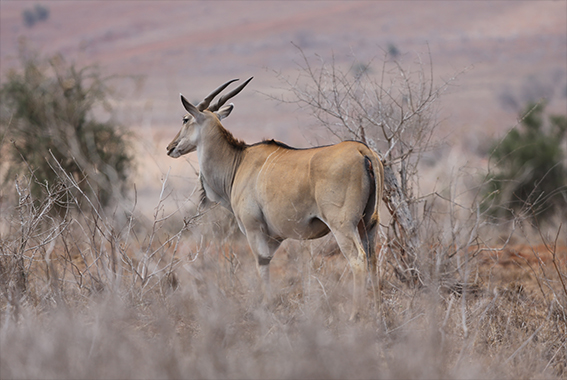
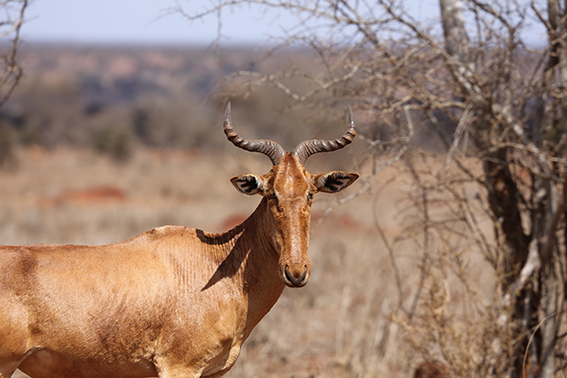
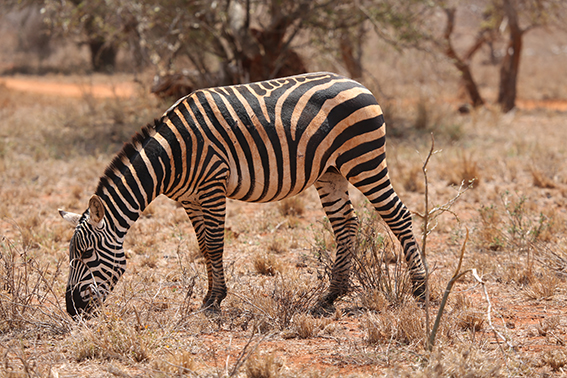
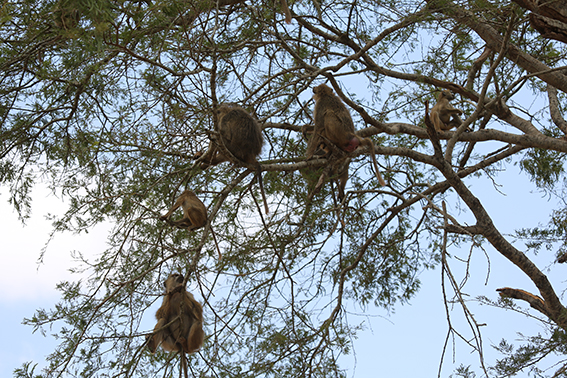
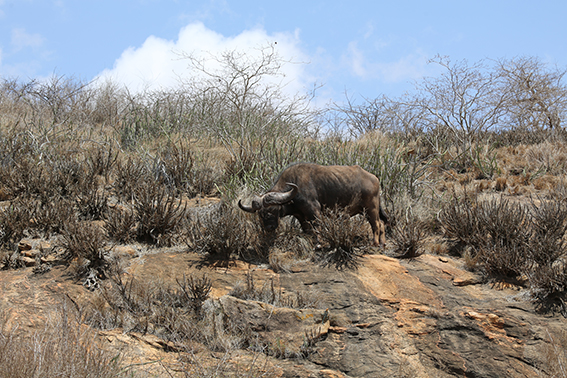
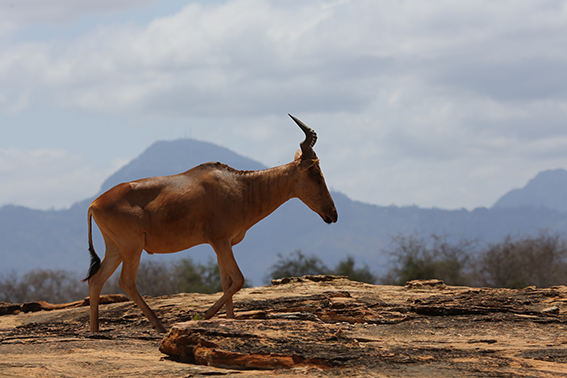
    Lumo has abundant wildlife, with lots of zebras, impalas, giraffes, elephants, hardebeest and buffalos.
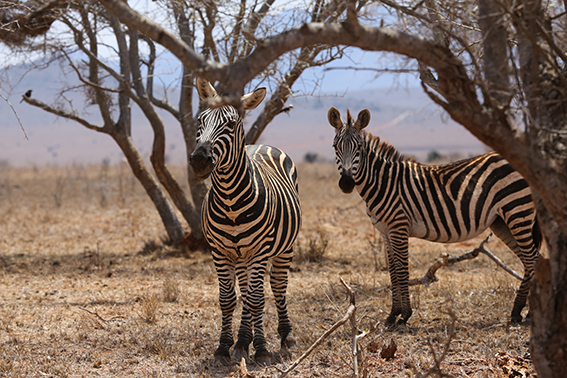
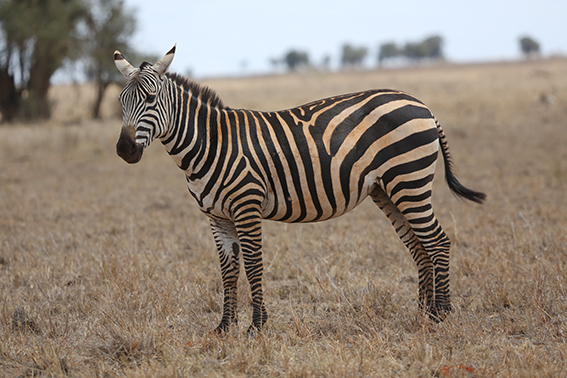
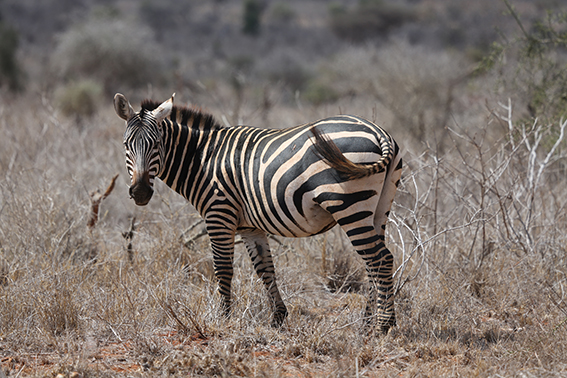
    Grazers, like zebras don’t have much to feed on during dry season

    Droughts are part of life in East Africa, and have been even before humans began to change the land.

    However problem is now more severe as dense human population is using the water from the rivers that used to flow also to the animals.
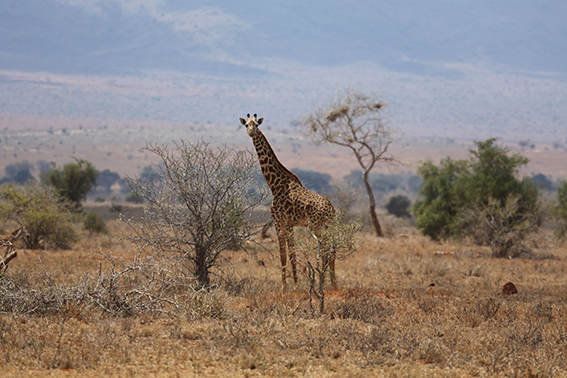
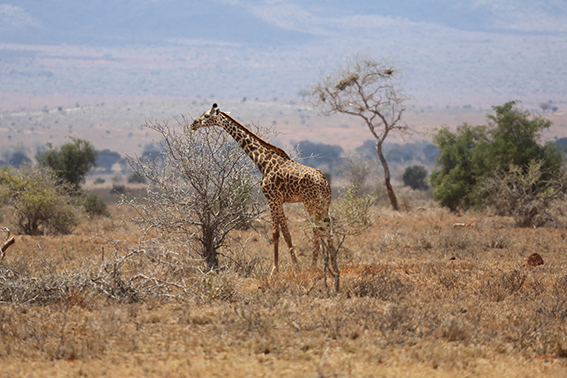
    Giraffes are still finding some leaves to eat

    When elephants are hungry and thirsty, they push down trees. You can read more about this from this post. Elephants are pushing down trees of savanna

    Many of the grazers are partly browsers, meaning that they shift to eating leaves during dry season, these are e.g. impalas and zebras.

    When there are less trees, there is less food. Especially green food during drought. You can see from this gallery of images how little trees and green there is in Lumo during drought.
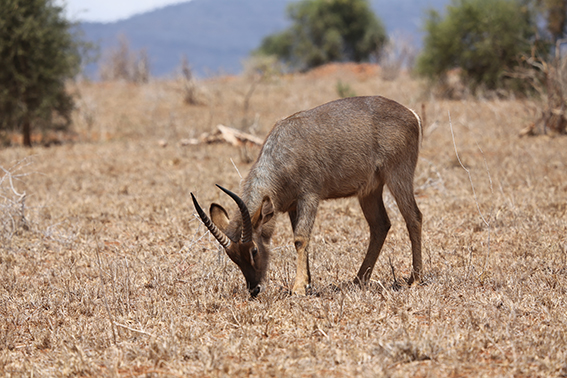
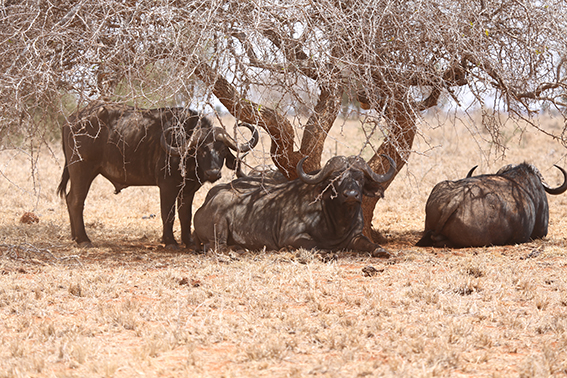
    However, I didn’t see any animals dying of hunger or thirst.

    But animals are dependent on water holes kept by people. One is in Salt Lick Safari Hotel and one is at the camp of Mwalua Trust
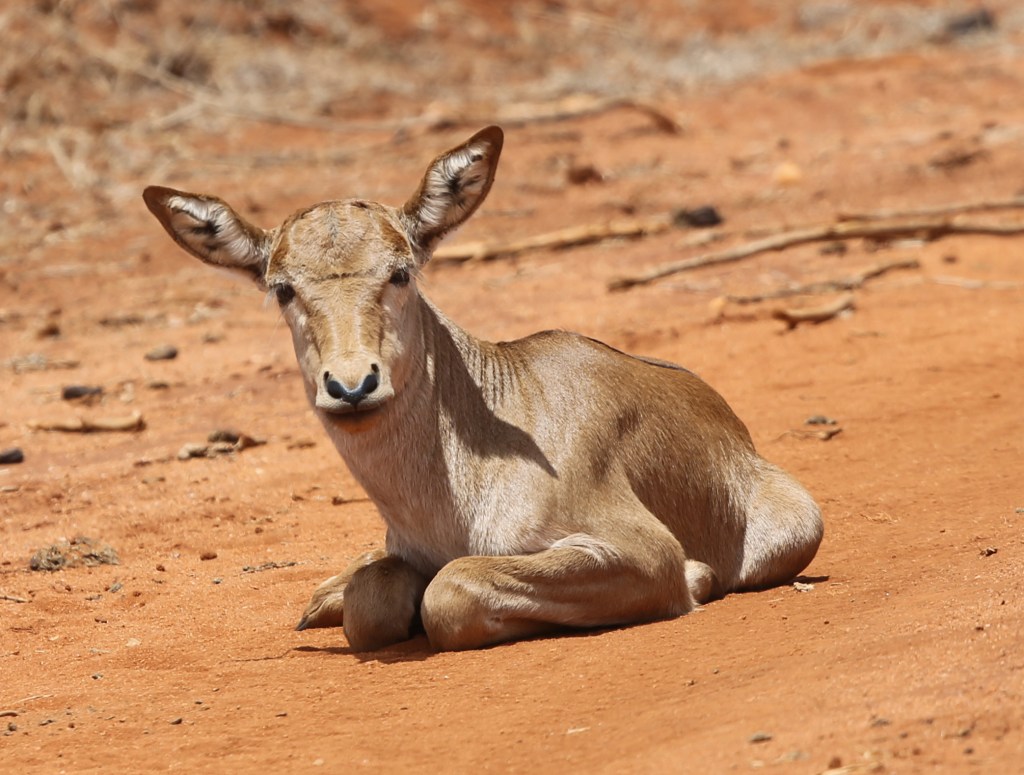
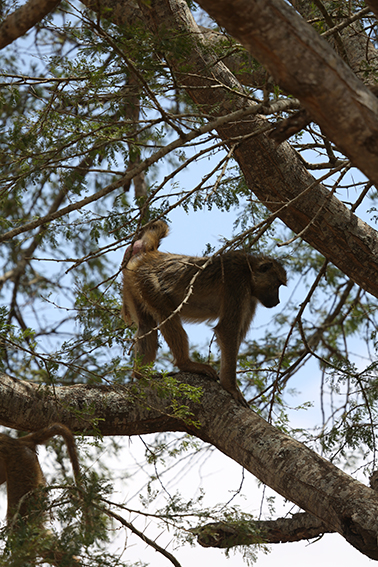
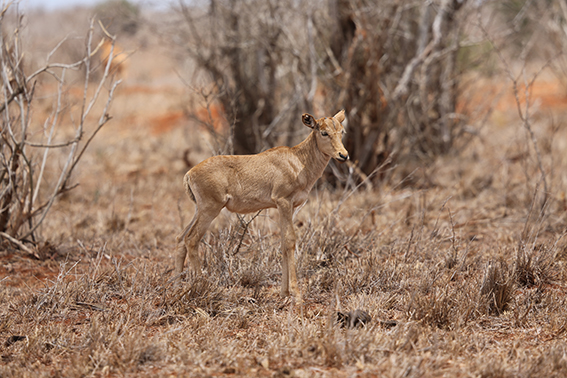
    Hardebees baby resting on the road of Lumo

    Lumo conservancy is community owned conservation area. One important source of income is volunteers https://lumoconservancy.com/volunteer/

    Lumo has shared border with Tsavo West.

    Taita Sanctuary is just beside Lumo, and you can drive freely in Taita Sanctuary and Lumo.

    Taita Hills Safari Resort Hotel is good place to stay or just to have lunch https://taitahillssafariresort.com/

    All though I recommend driving in to the conservancy from LUMO gate, as then money will go to LUMO and surrounding community.
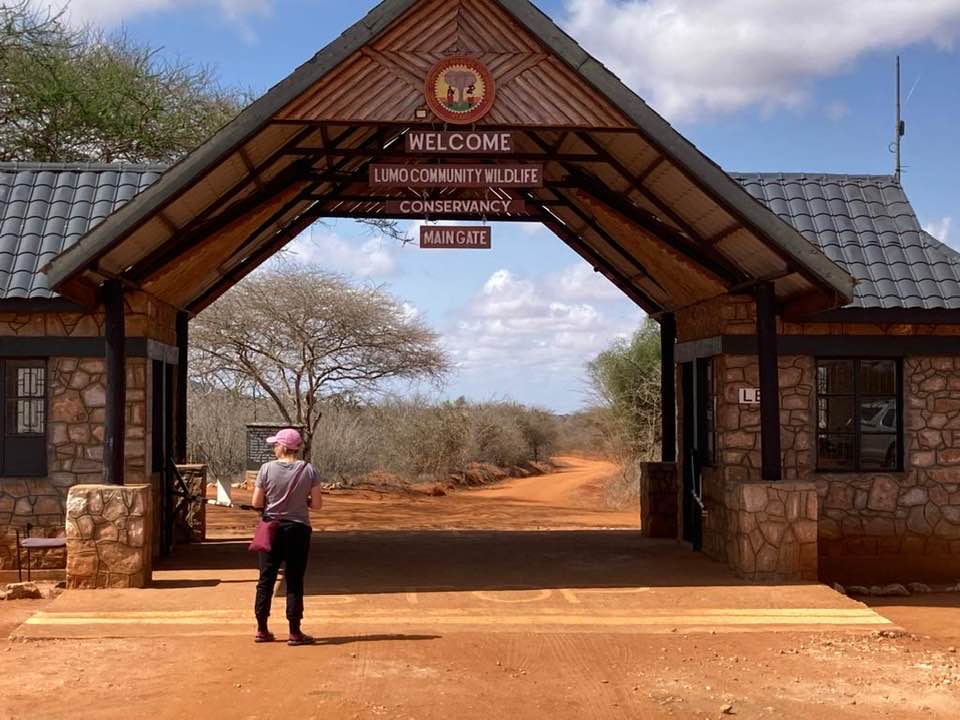
    Lumo Gate

    Related posts:

    Lumo Community Wildlife Conservancy

    Elephants are pushing down trees of savanna

  • Critically endangered: Rüppell’s Vulture and White-Backed Vulture in Kenya

    Critically endangered: Rüppell’s Vulture and White-Backed Vulture in Kenya

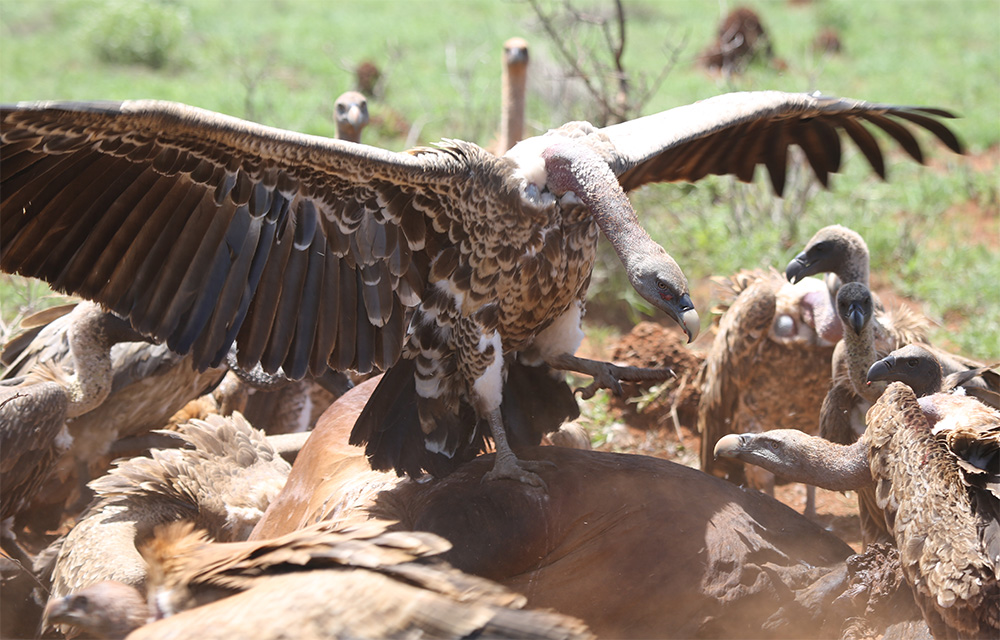
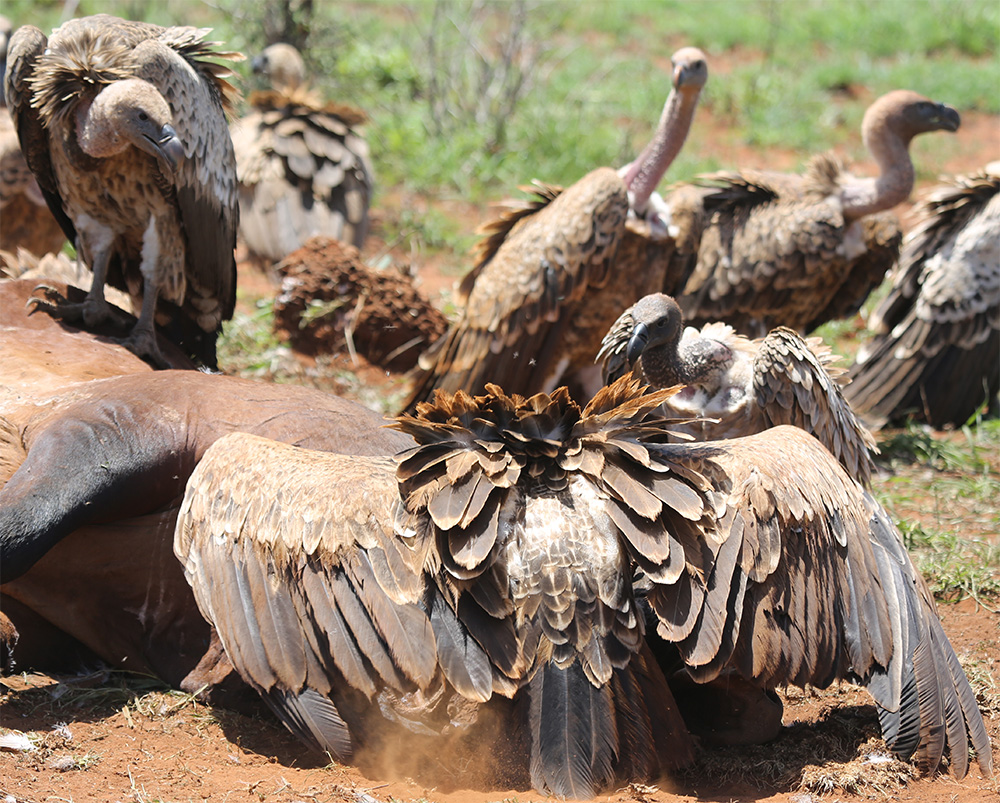
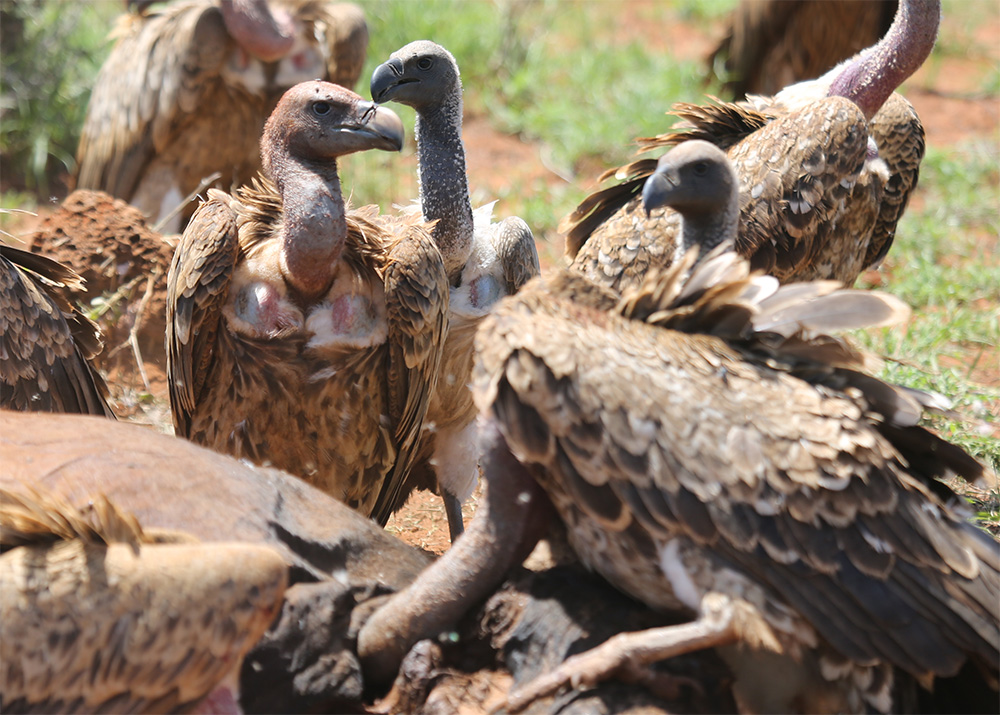
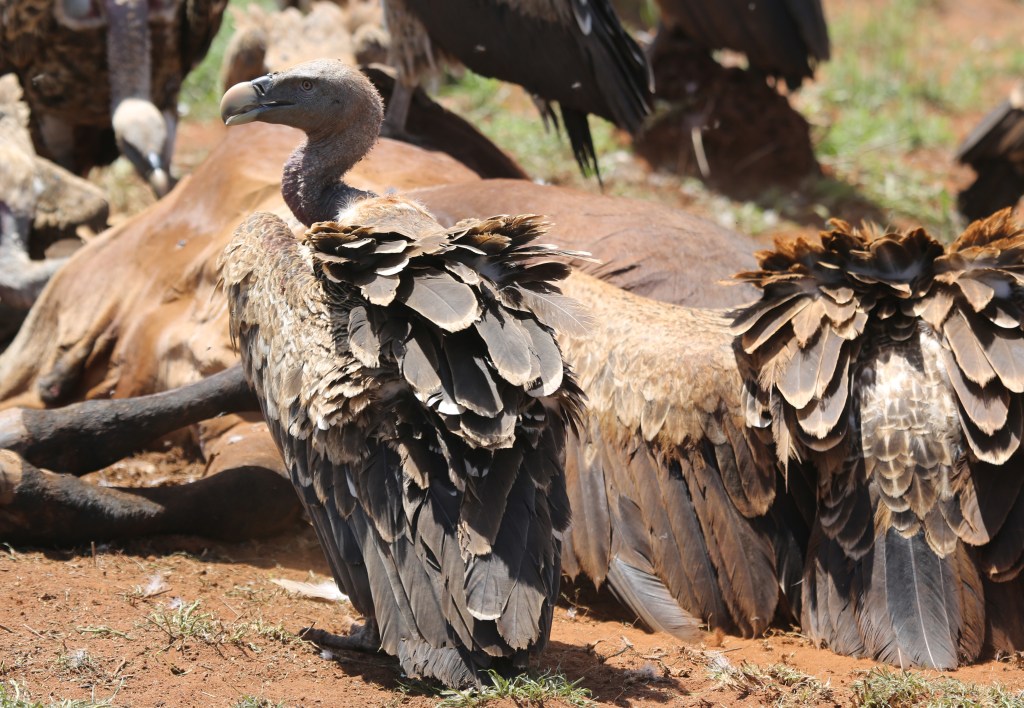
    Critically Endangered (CR) vultures, Rüppells Vulture and White-Backed Vulture feeding on cow that has been killed by lions in Lumo conservancy Kenya in 2021. As they feed they make considerable noise, squealing.

    This article shows how to identify these species and discusses reasons behing re, even though it is not always easy as their coloring changes with age.

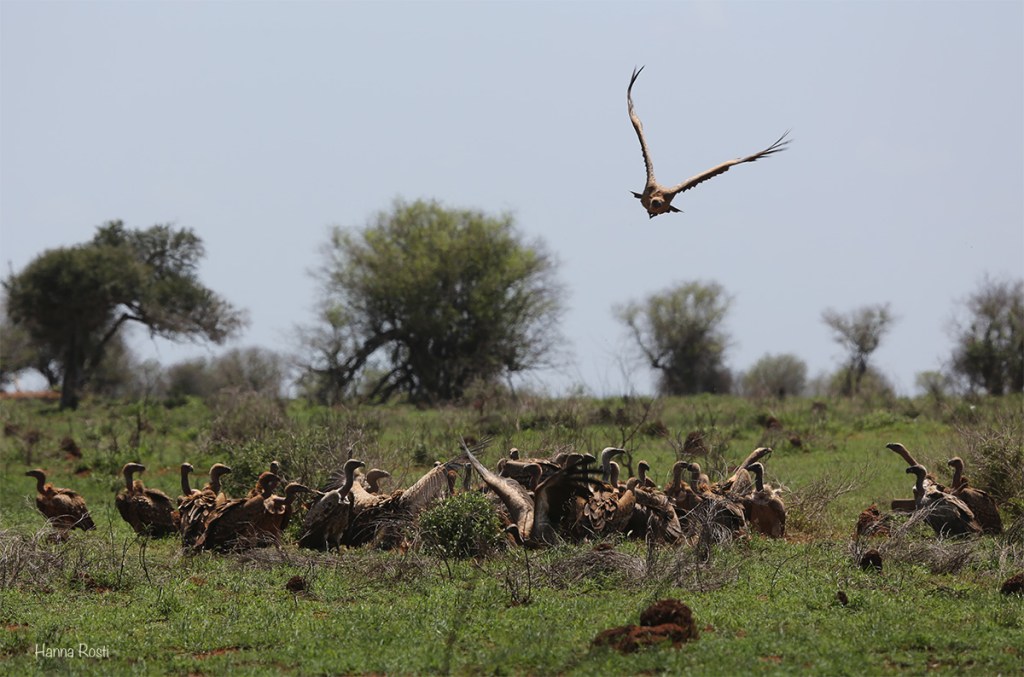
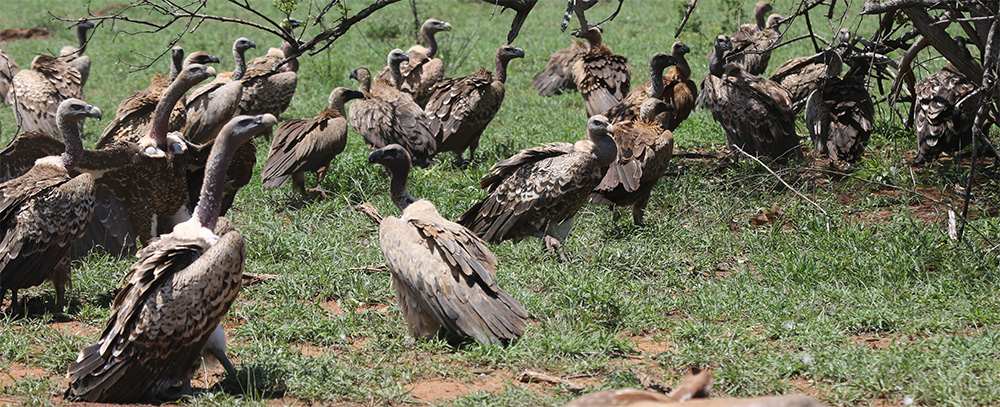
    Magnificent sight in African savannas that has sadly become increasingly rare. These vultures have gathered here in Lumo conservancy, Taita, Kenya.

    Rüppell’s Vulture (Gyps rueppelli)

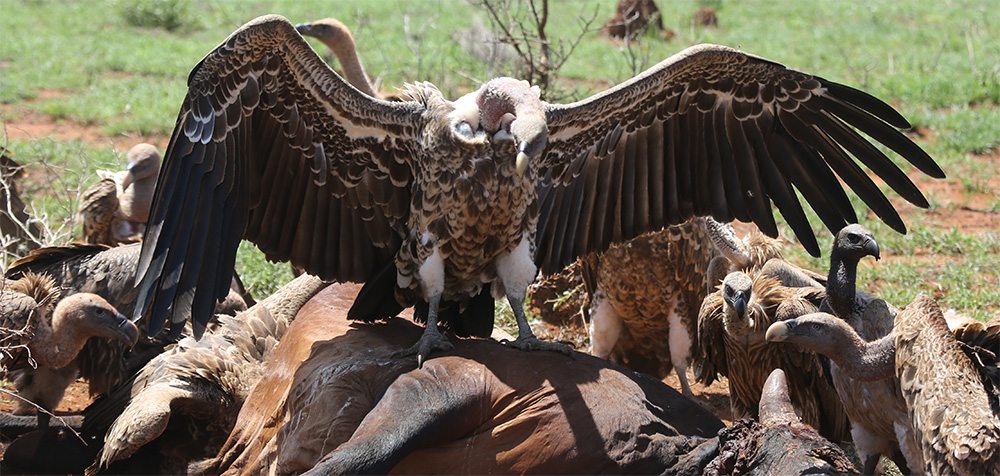
    Larger species is Rüppells Vulture (Gyps rueppelli), with beautiful white decorations in the feathers and white collar.

    Rüppells vulture (Gyps rueppelli) standing on a cow. Wingspan of this species is over two meters 226-255.

    There are no feathers on the head or the neck. This allows birds to stick their heads inside carcasses. There was actually one fully in on this carcass.

    Rüppell’s vulture is a species that has flown in the altitude of 11300m. Individual died as it crashed with aeroplane. This is highest altitude where bird has ever been proven to be.

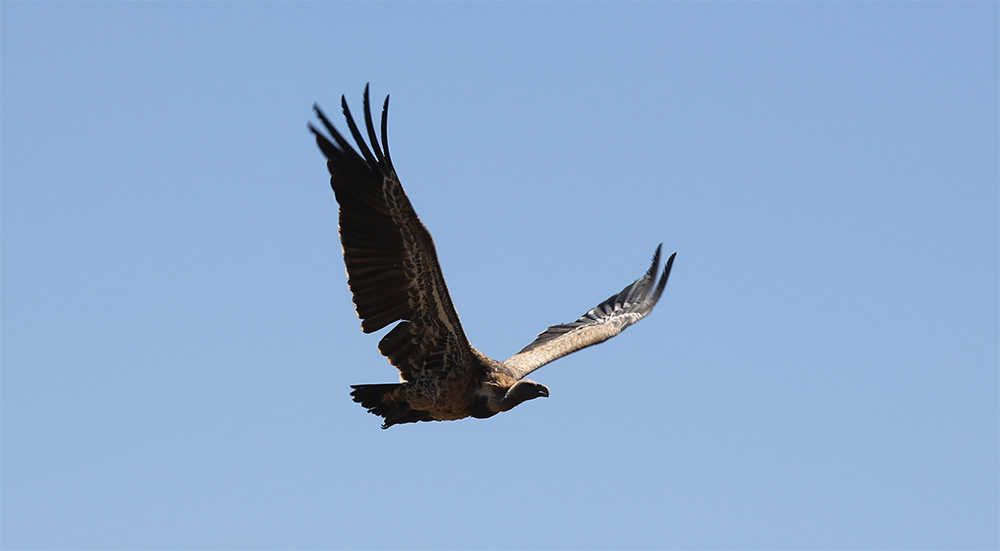
    Rüppell’s vulture on flight

    Rüppell’s vulture weighs 6.4-9 kg. Wingspan is 226-255.

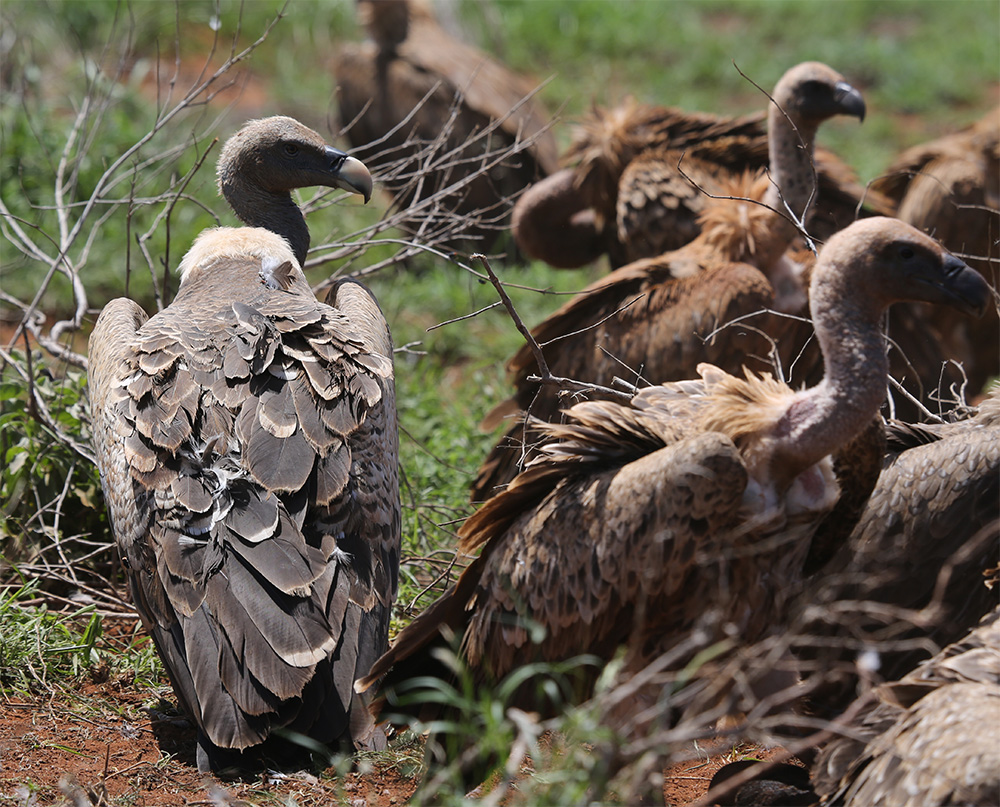
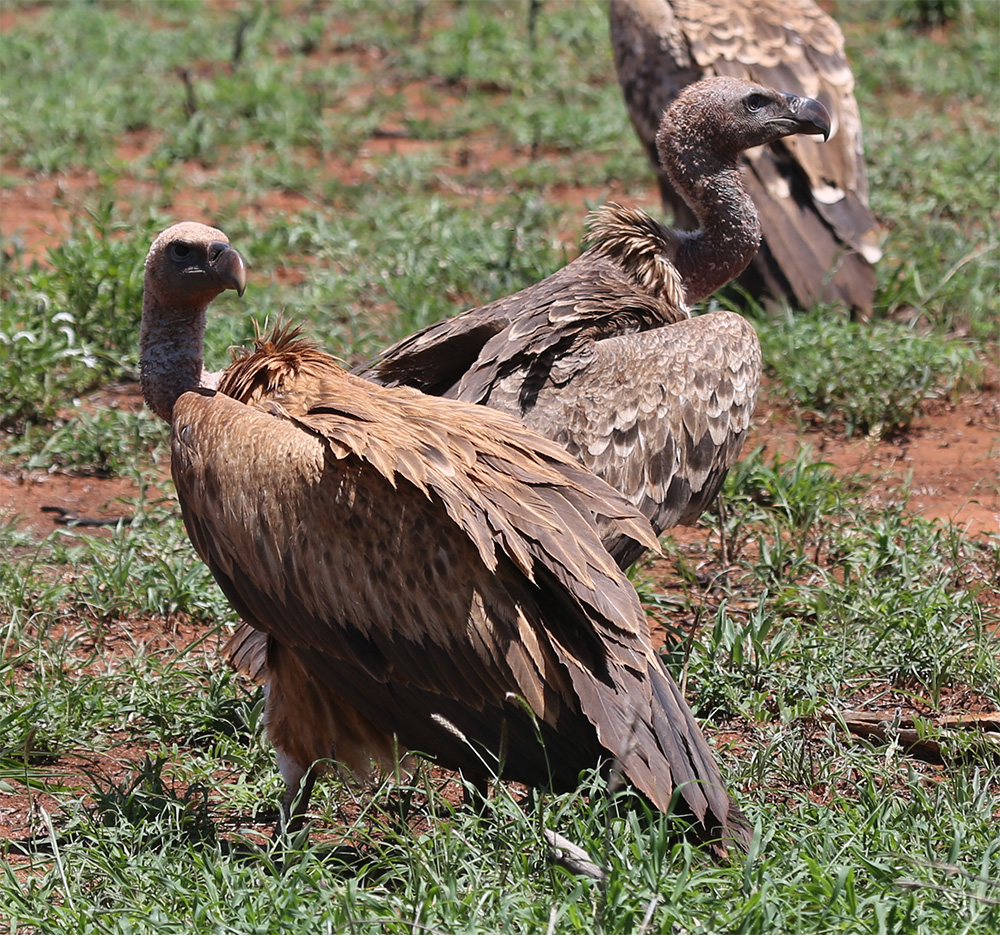
    Rüppell’s Vulture from behind (on the left). Others are White-Backed Vultures.

    White-Backed Vulture (Gyps africanus)

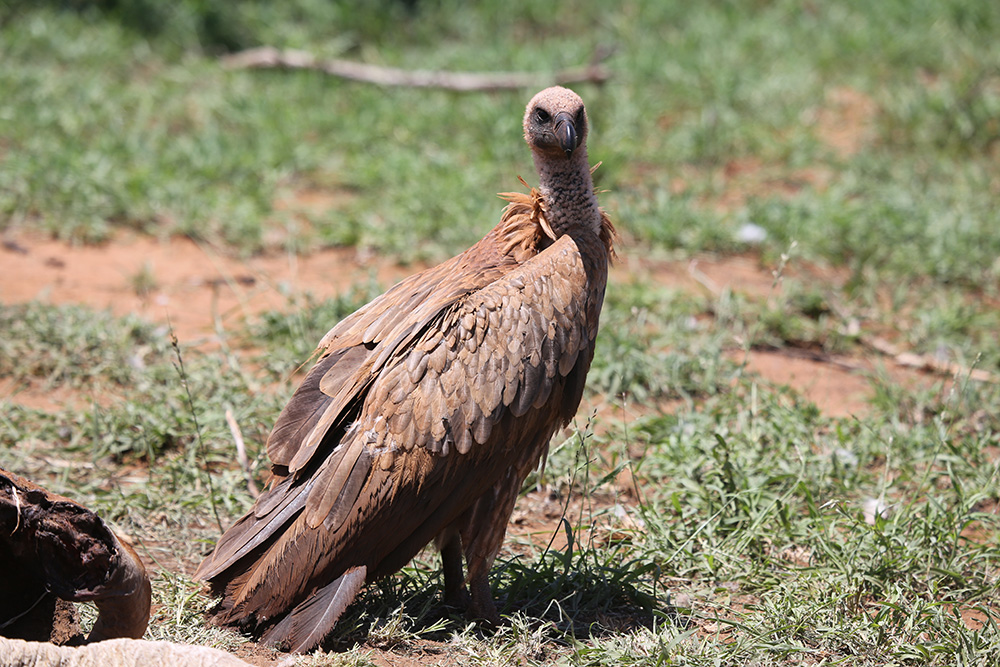
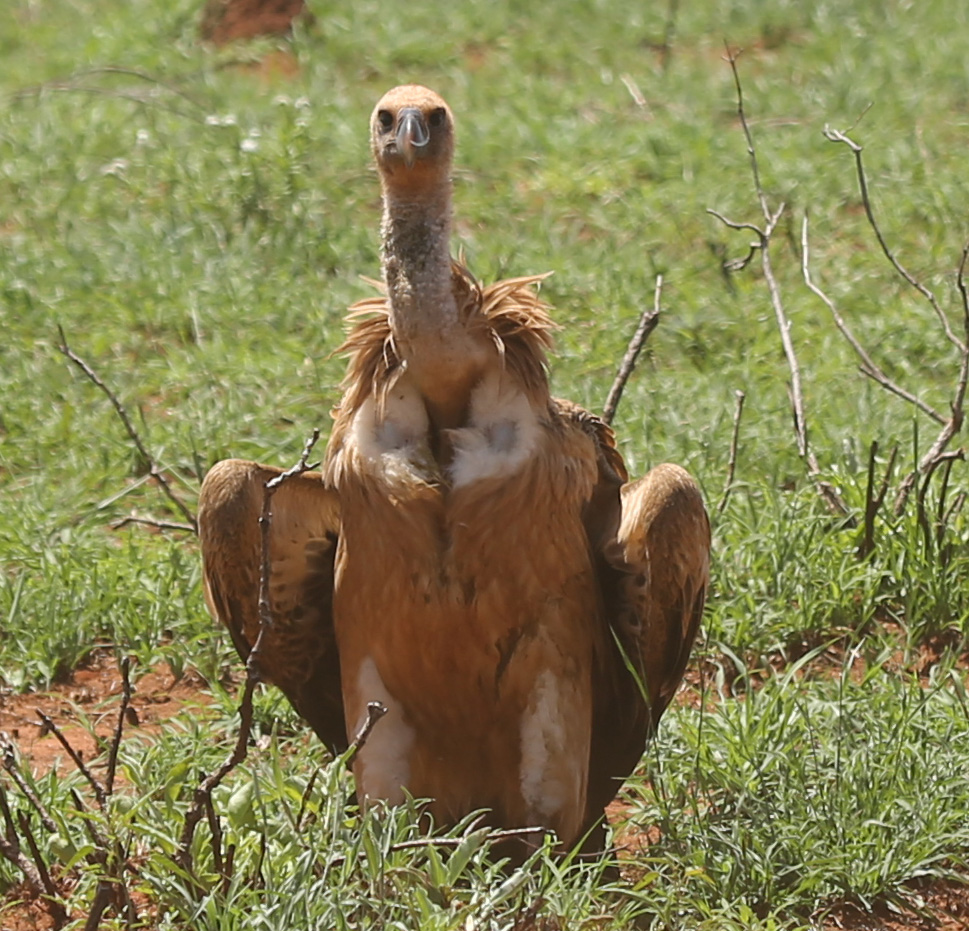
    White-Backed Vulture is ligher brown and more even in coloring. It weighs 4.2-7.2 kilograms and wingspan is 192-225 cm.

    White-Backed Vulture (Gyps africanus) is smaller than Rüppells Vulture and may avoid confrontation with larger species.
    White-Backed Vulture from the front with nice light brown coloring.
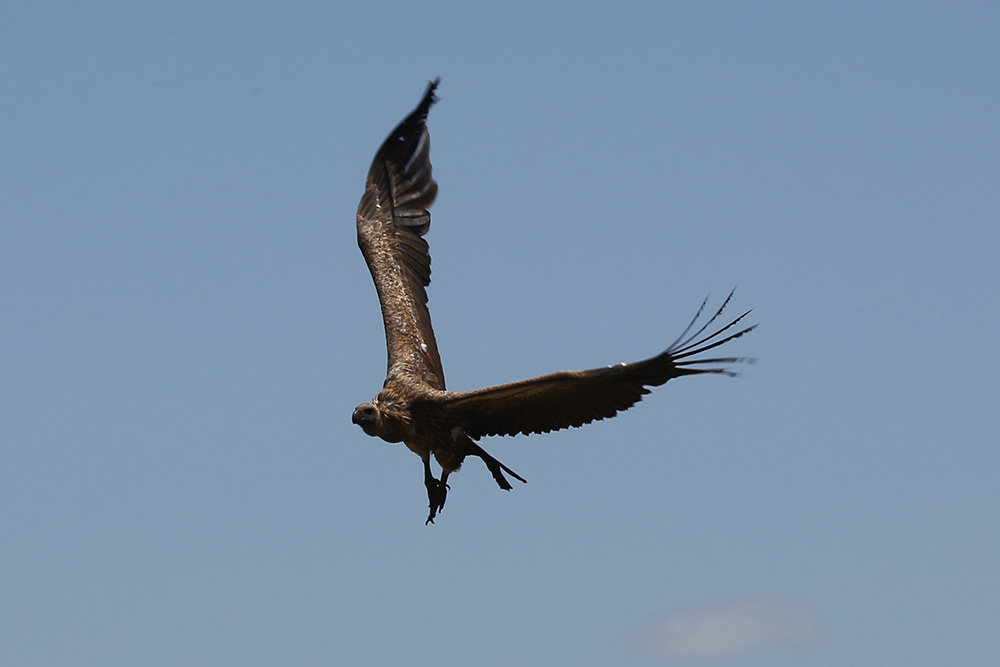
    White-Backed Vulture on flight, its wingspan may also exceed two meters
    How to separate these two species? Here in the front is White-Backed Vulture and on the behind Rüppell’s Vulture. Coloring is different, with White-Backed being lighter brown. Rüppell’s is larger and sturdier.

    Reasons for decrease of vultures

    • Loss of trees used for resting and nesting. Vultures need large trees (about 1m wide at breast height) in the places where they are not disturbed. These trees are rare in Africa.
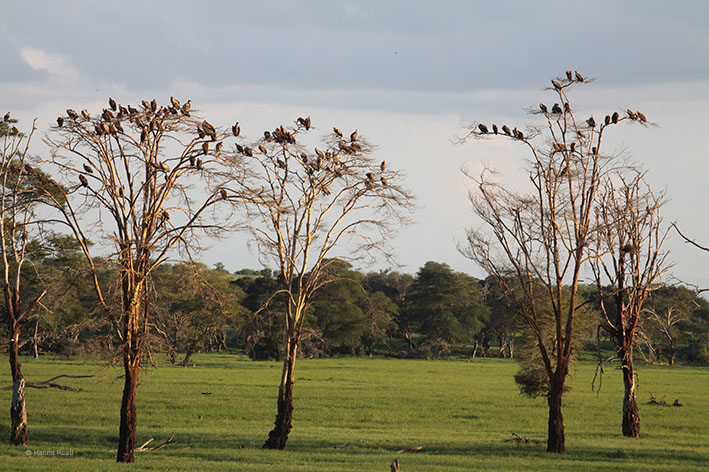
    These are trees in Taita Sanctuary where vultures used to sleep in 2018 and 2019. Now they have moved. These trees have died as they cant survive this treatment by vultures. These trees were only ones in the area large enough for vultures.
    • Pesticides and poisoning – as vultures are top carnivores – what ever their prey has been feeding on ends up in vultures and accumulates to their bodies causing serious consequences including death. These are heavy metals from pesticides, medicines used for cattle and direct poisons. Vultures have been poisoned accidentally and non-accidentally.
    • Loss of habitat, as ever increasing human population requires more and more land. Habitat suitable for vultures decrease all over Africa.