
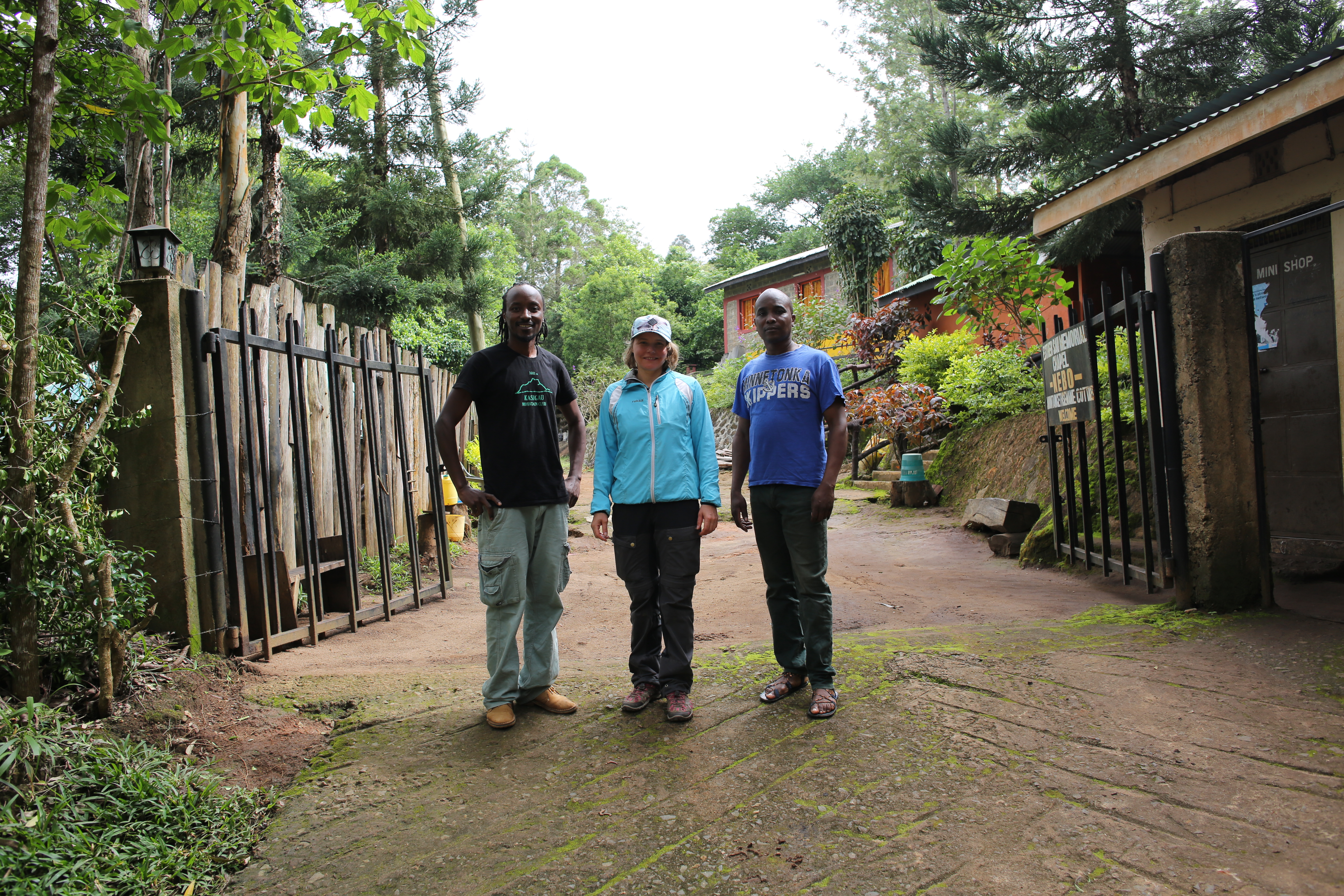
I visited Sagalla on 13.1.2021 with Benson Lombo and Peter Mwasi. We were looking for tree hyraxes. We didn’t find any tree hyraxes, but we came across a sad ecological disaster.
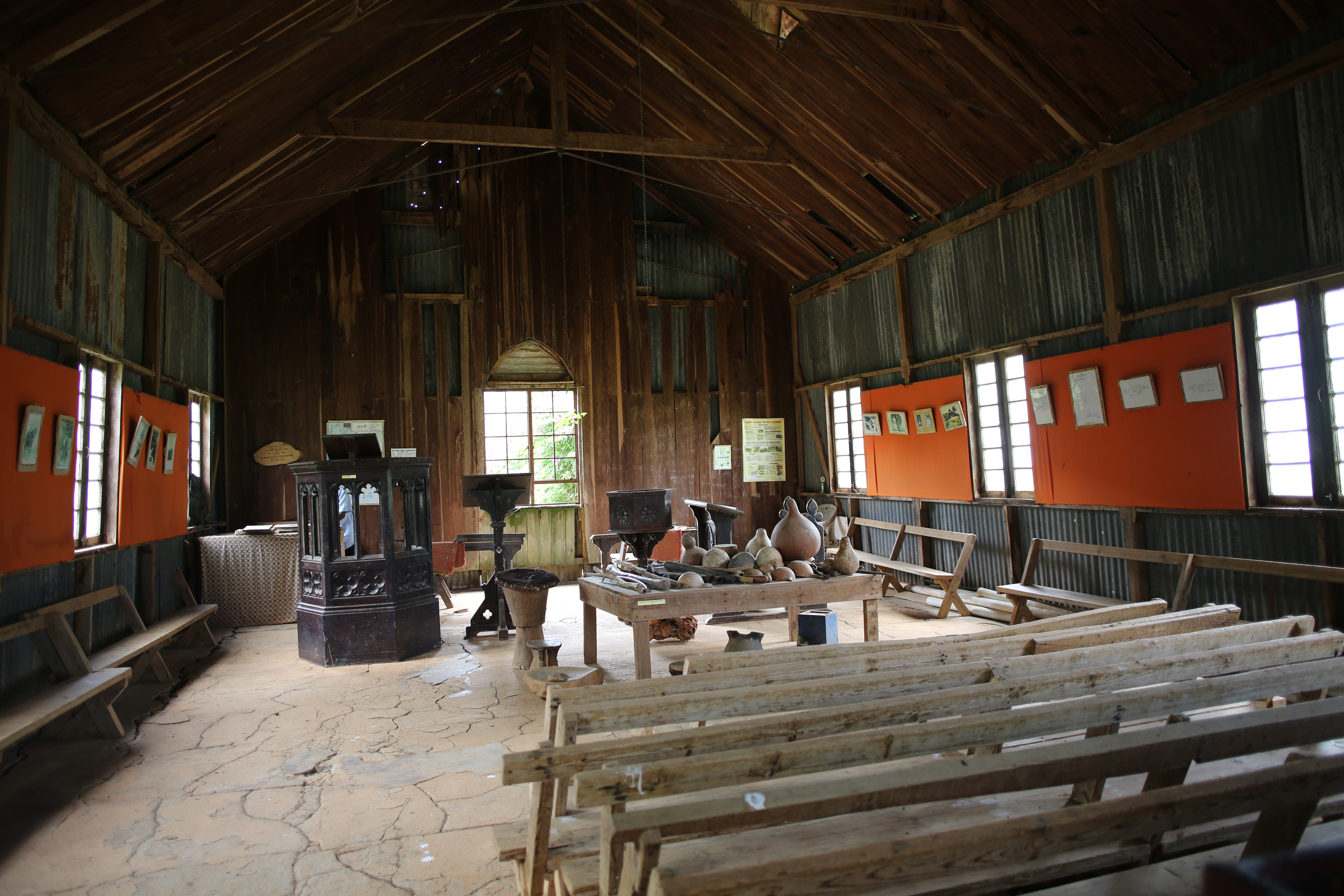
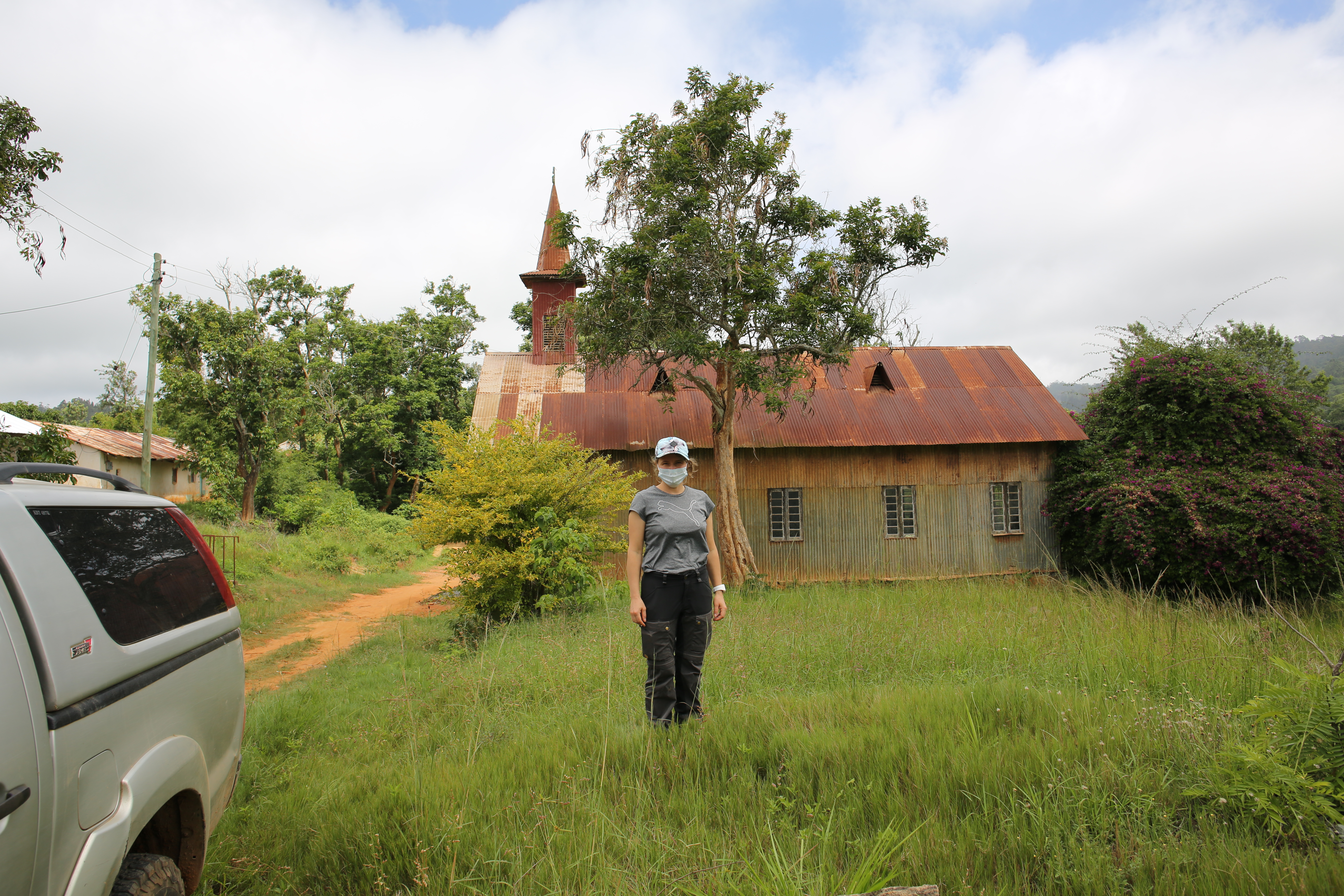
We visited also Wray’s memorial museum that is still in St Mark’s church in Sagalla. What I write next are from my notes while visiting in the museum.
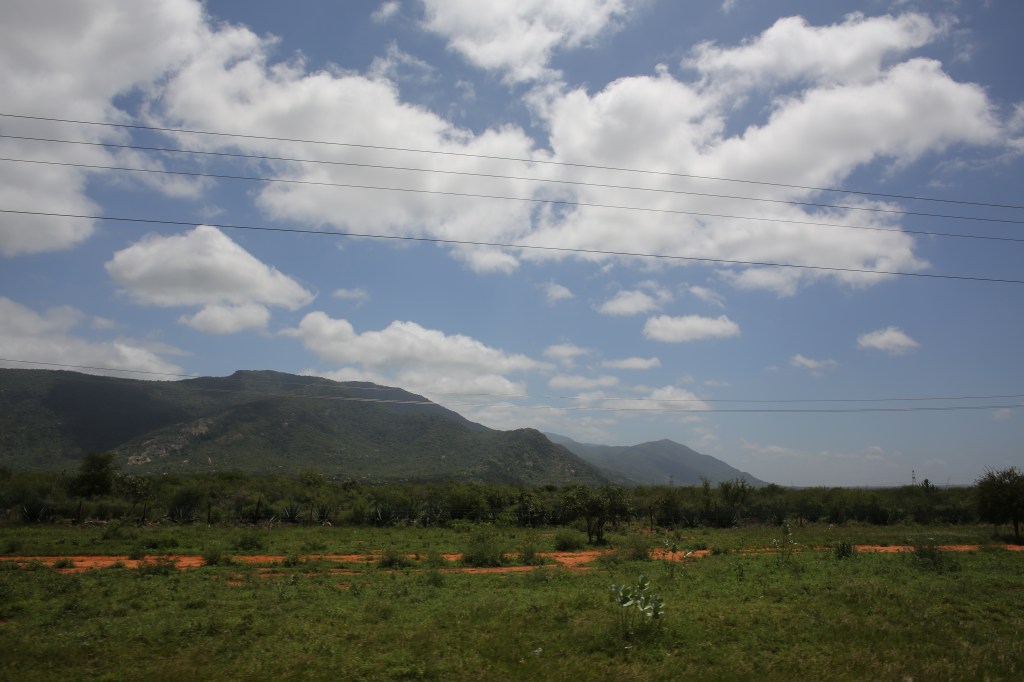
Missionary Andrew Wray arrived to Sagalla on the 19th century with his family. Beginning was not easy, but persistent work for the betterment of people in Sagalla did make significant improvements to peoples lives.
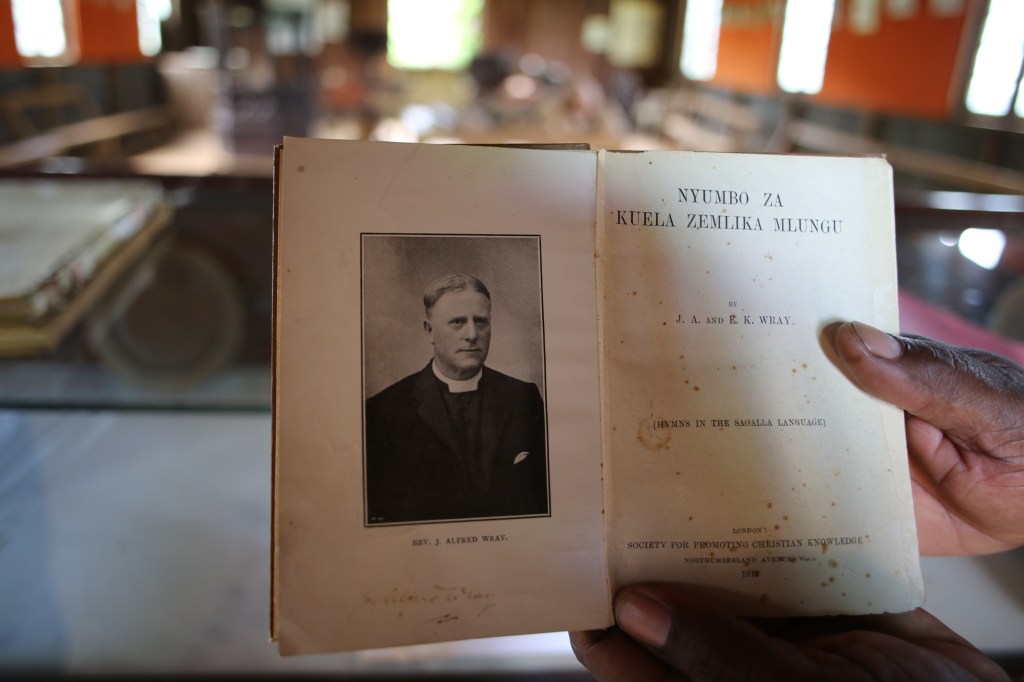
Andrew Wray was able to end the slave trade from the area. Before his arrival already 40 000 men had been taken to Arabics. Some of the former slaves returned and for them, freetown was build where mental and physical trauma of the former slaves could be treated.
Plaque had also killed 80 000 people from the area. Andrew Wray was able to educate people to kill the rats, and spreading of the plaque ceased.
Andrew Wray also helped people that were hungry, and hunger ceased to be a reason of dying in the area.
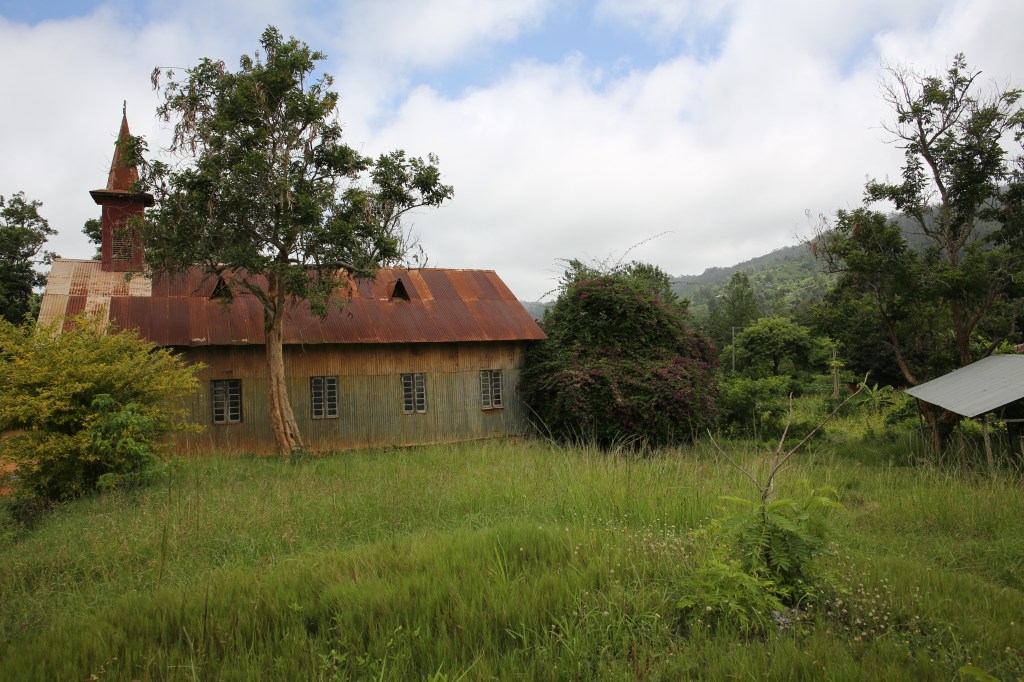
Photographs from inside the church
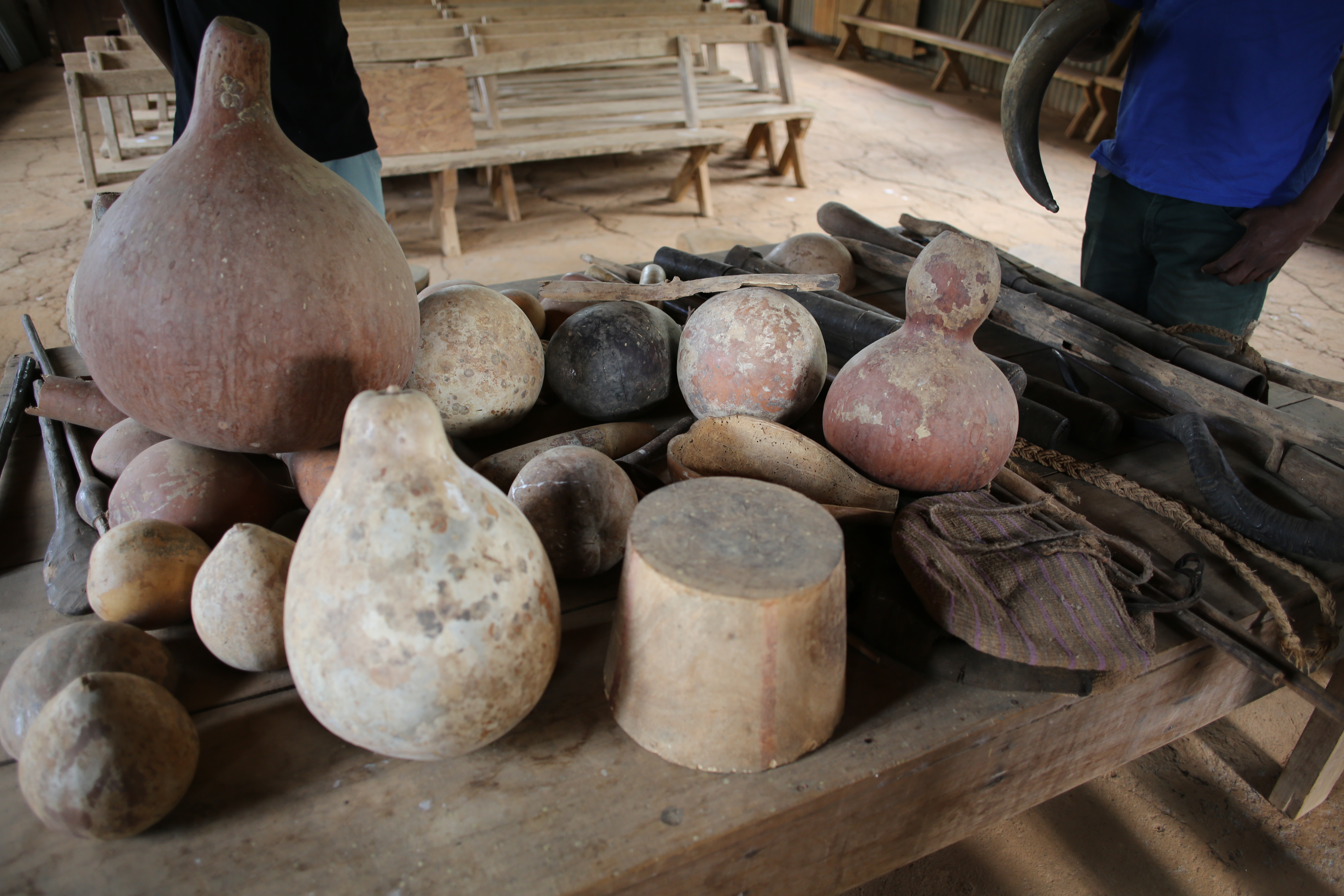
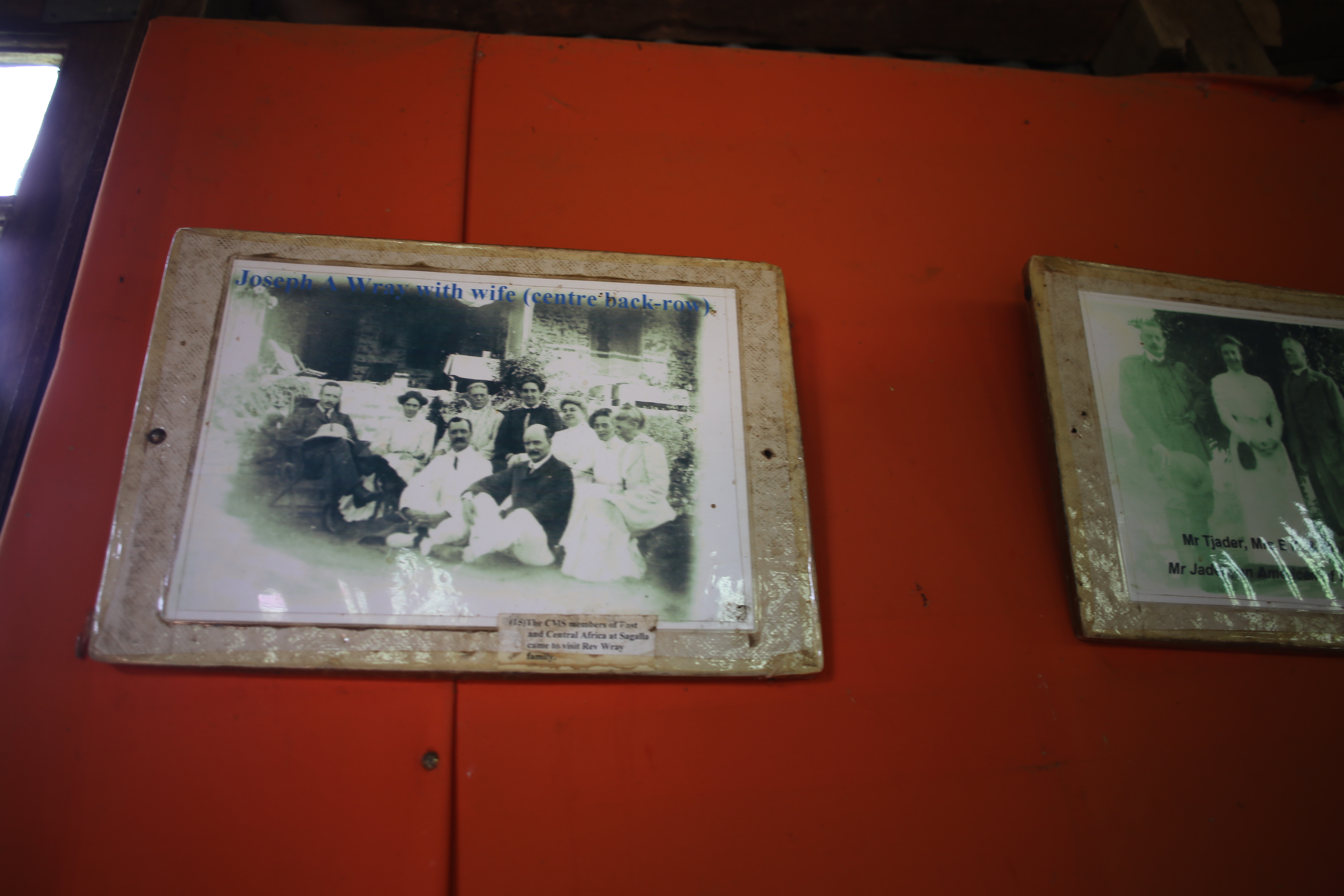
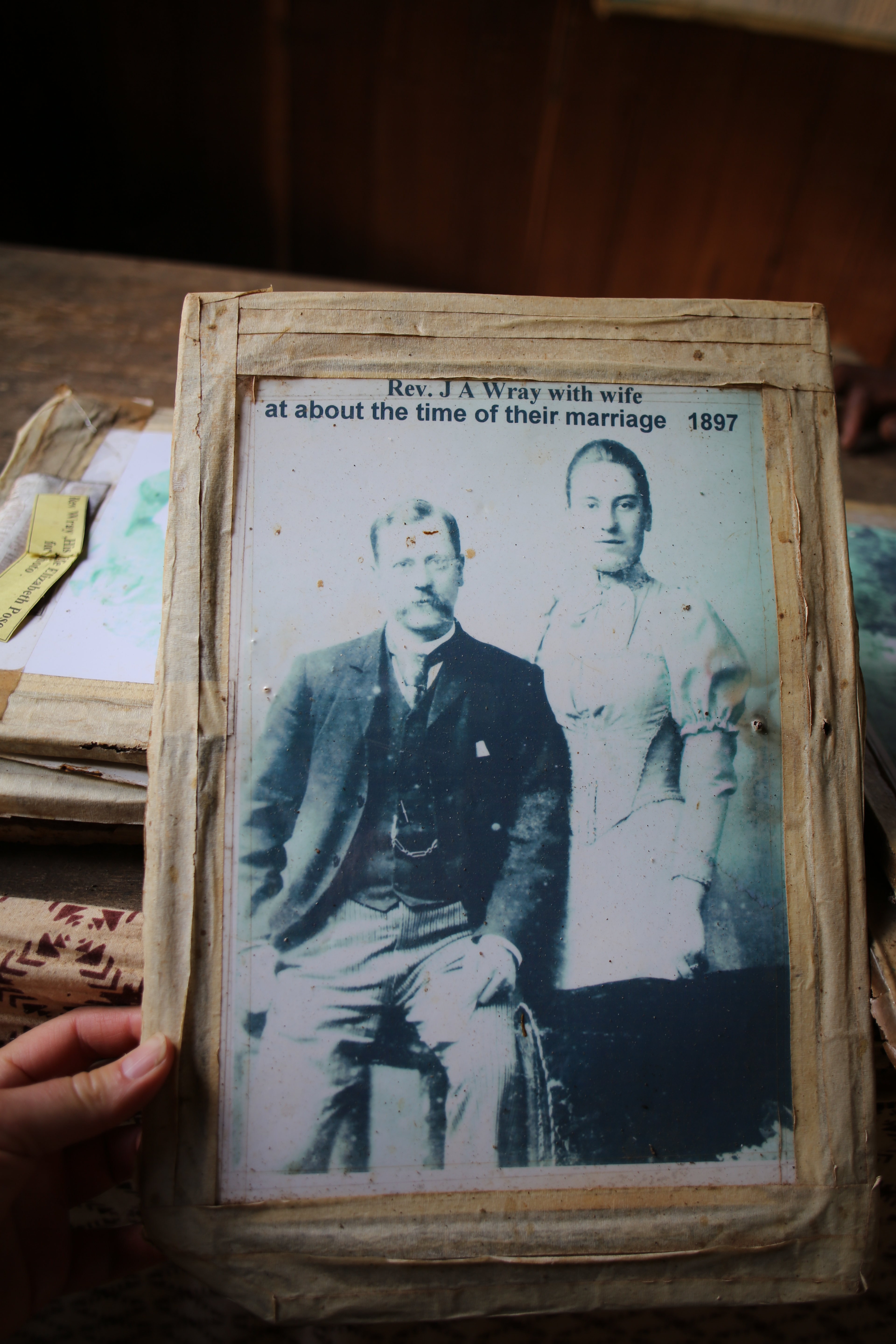
All this sounds very good
As there was too much rain in the area Andrew Wray began to clear indigenous forests and replace these forests with eucalyptus. It is hard to know all the reasons behind this. It was most likely done to get fast growing timber. Growing population needed timber for houses, furniture and other building material.
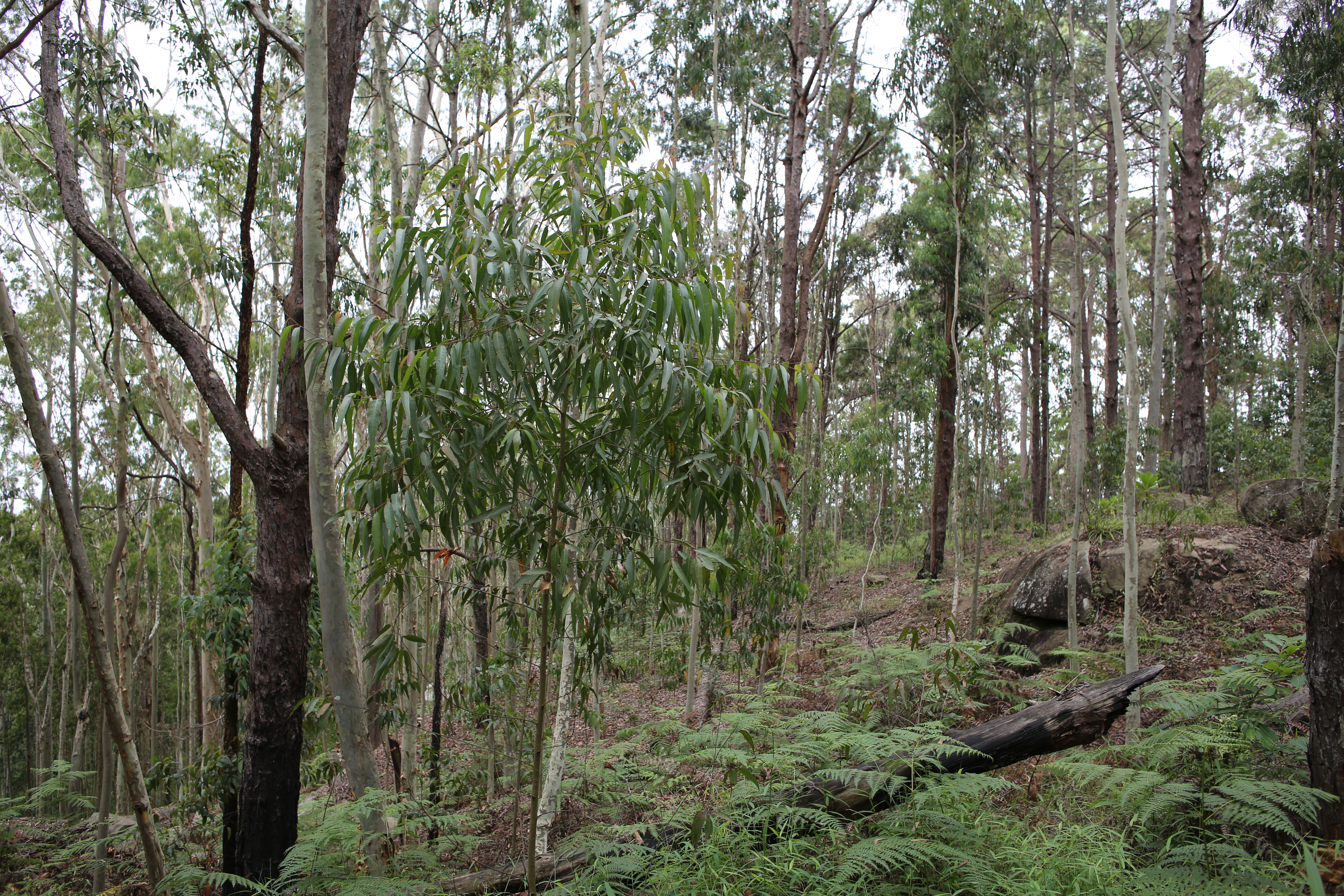
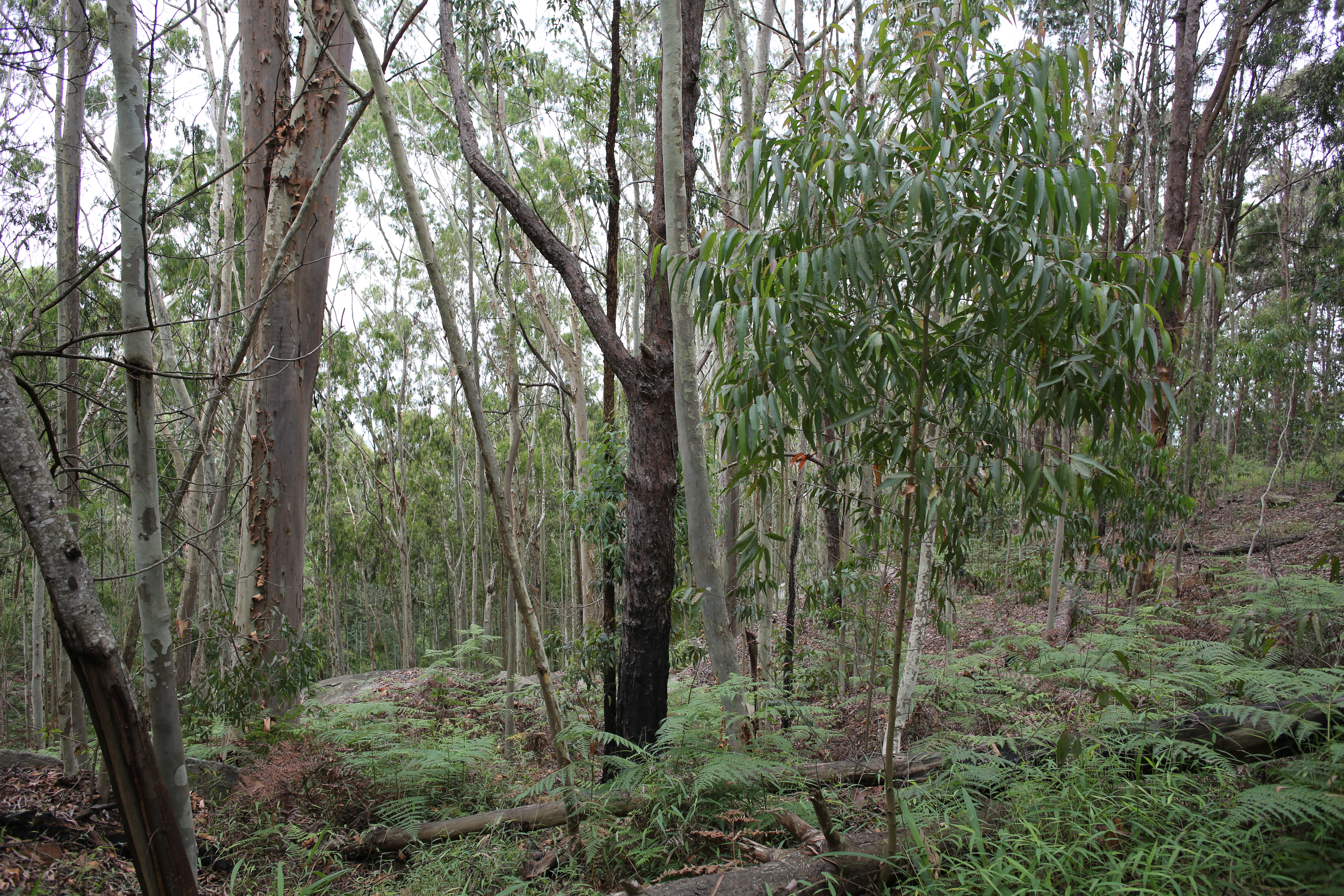
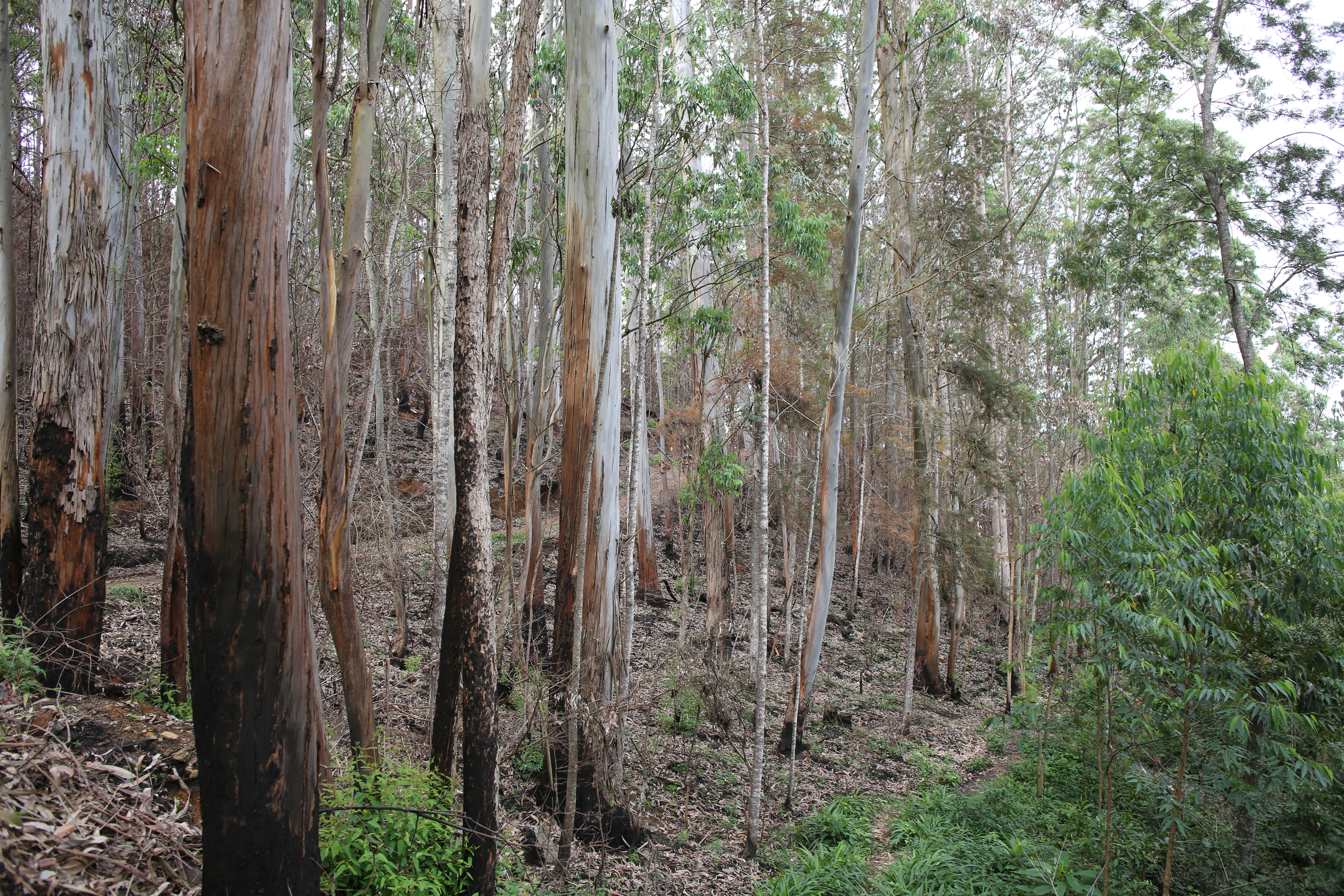
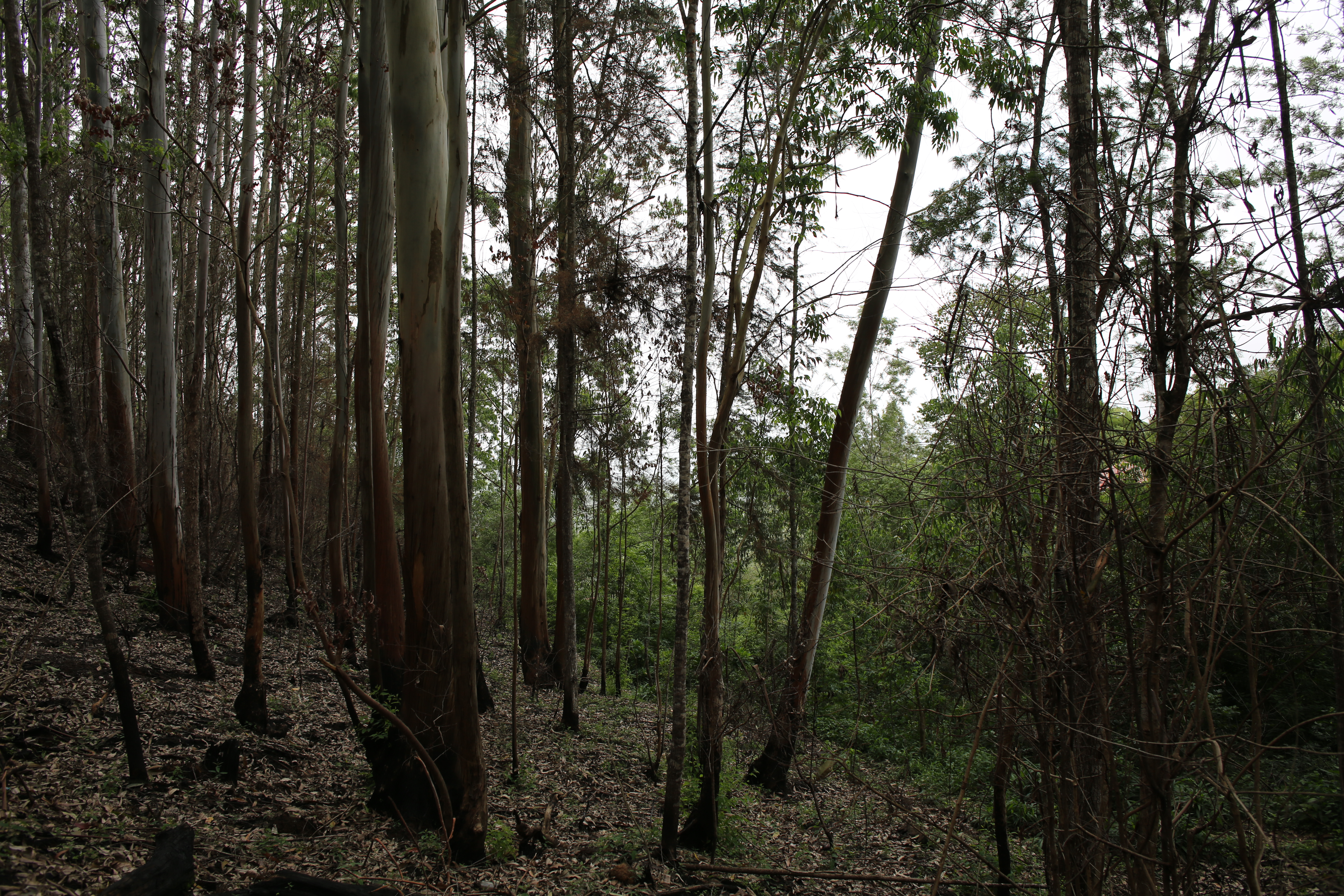
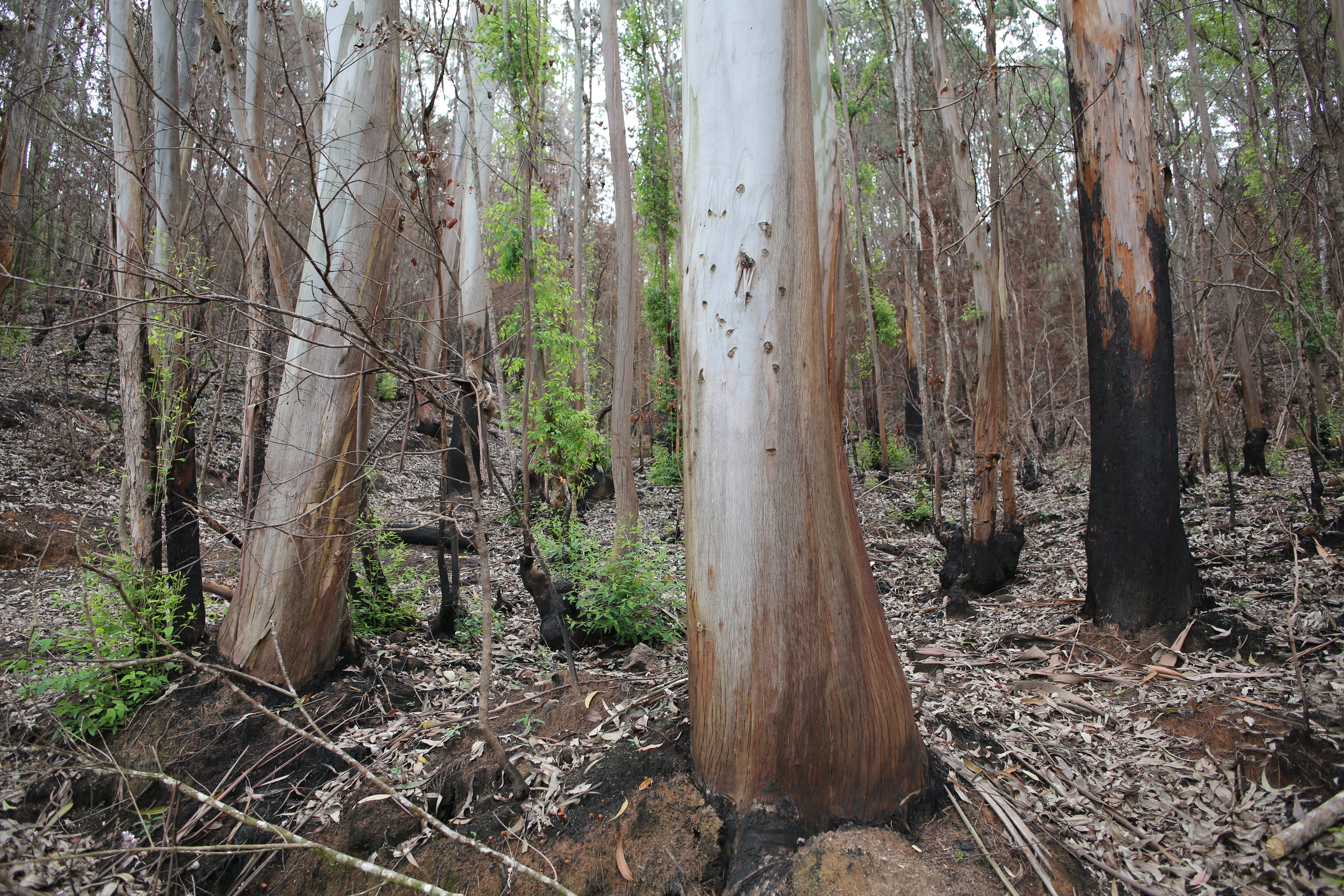
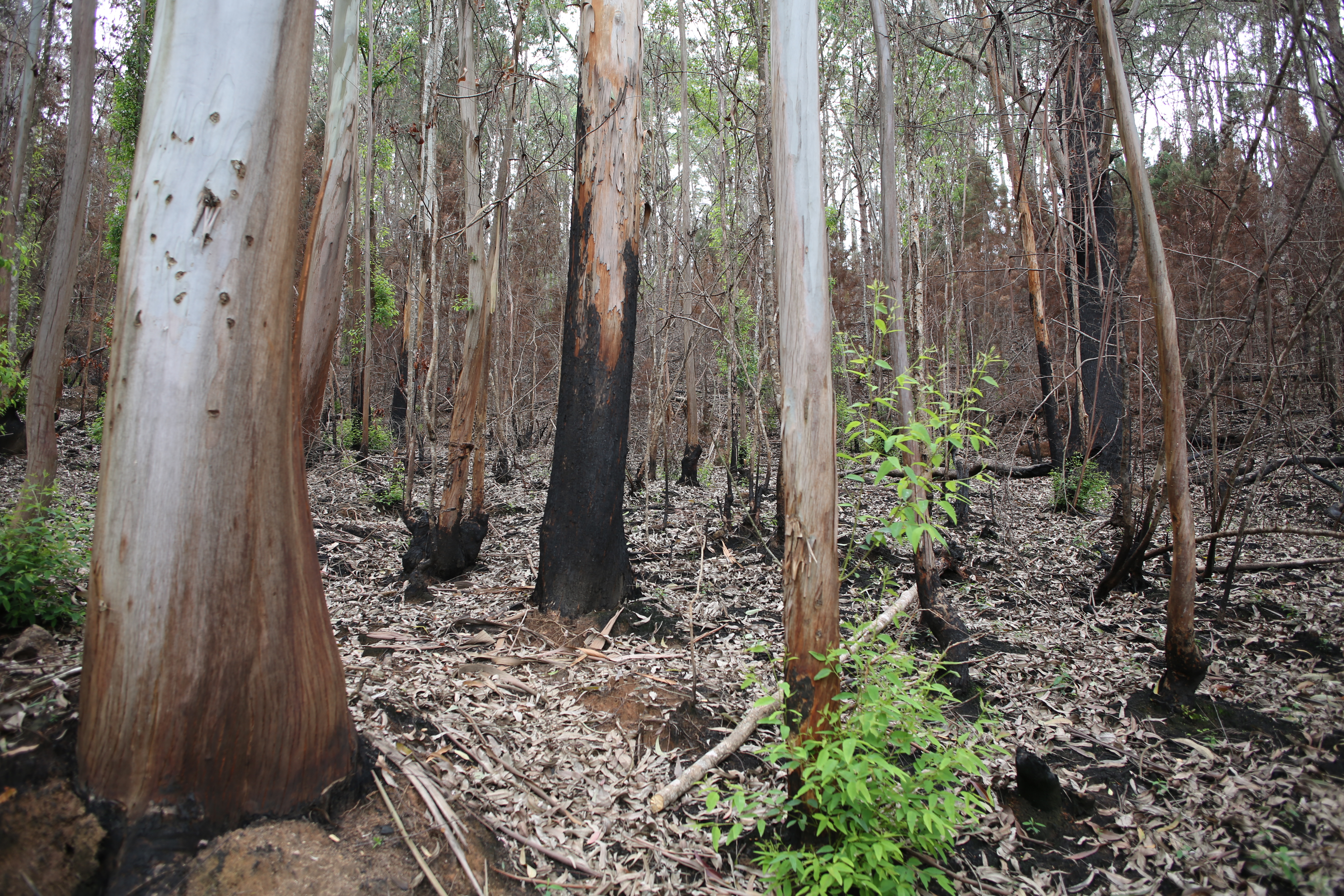
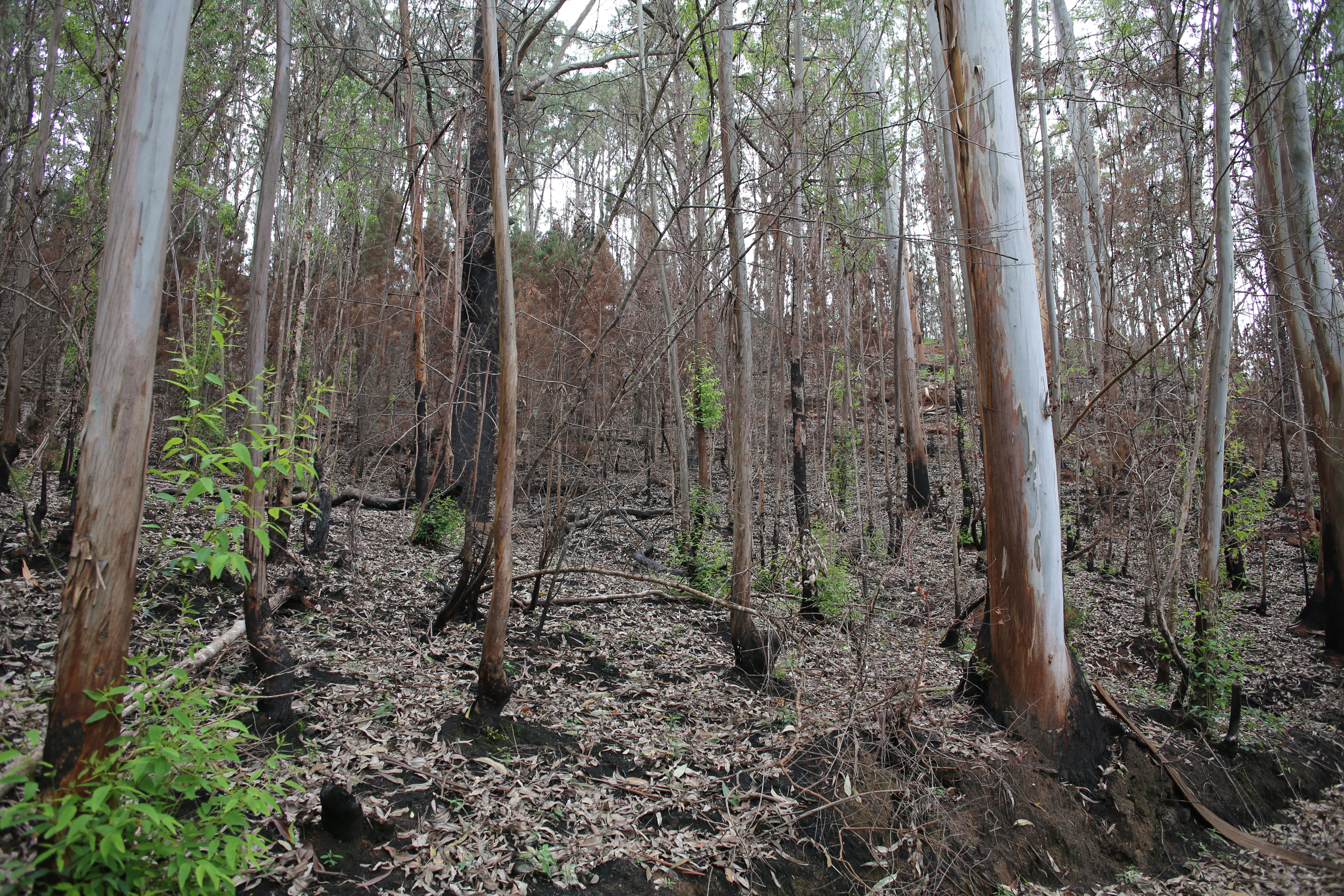
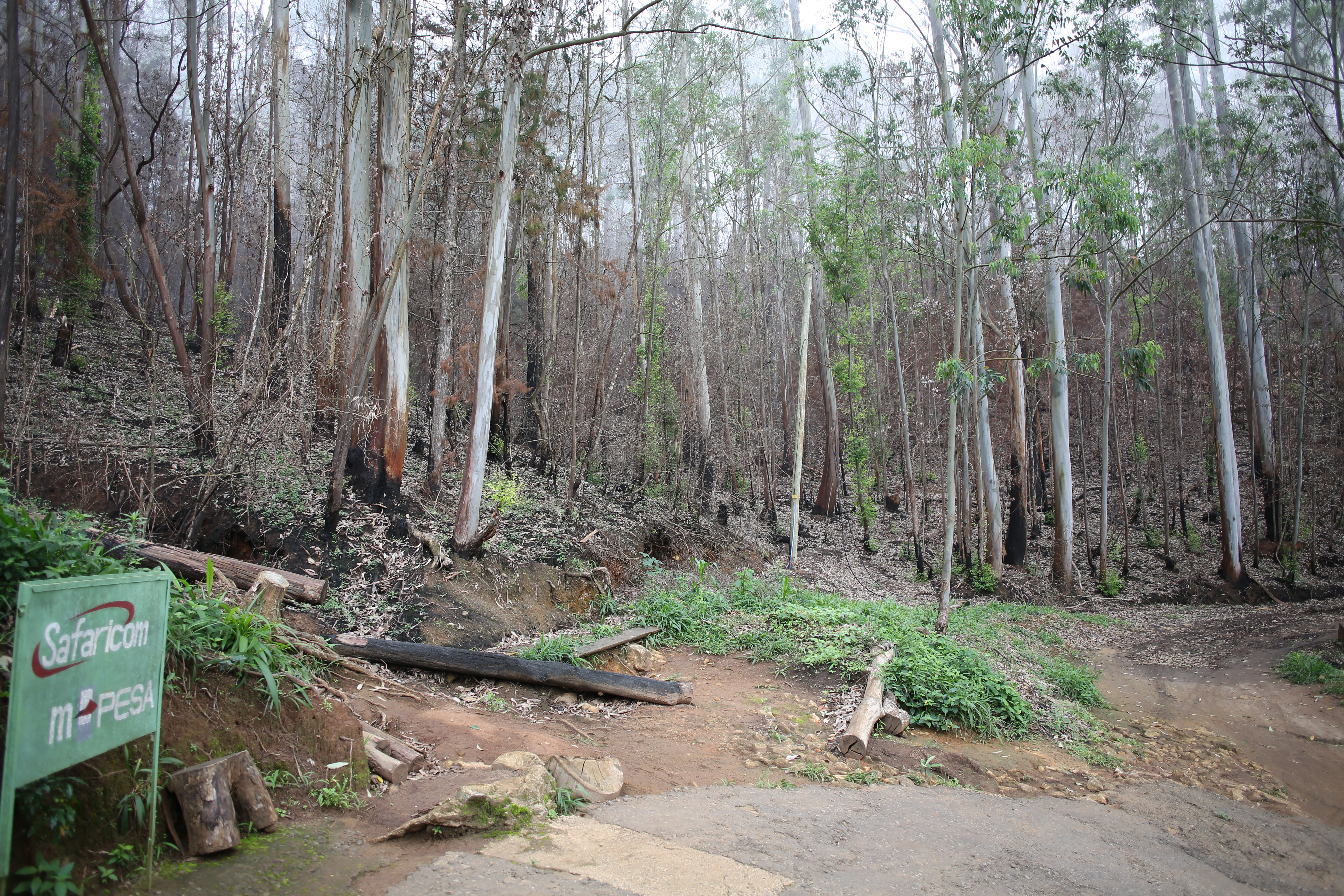
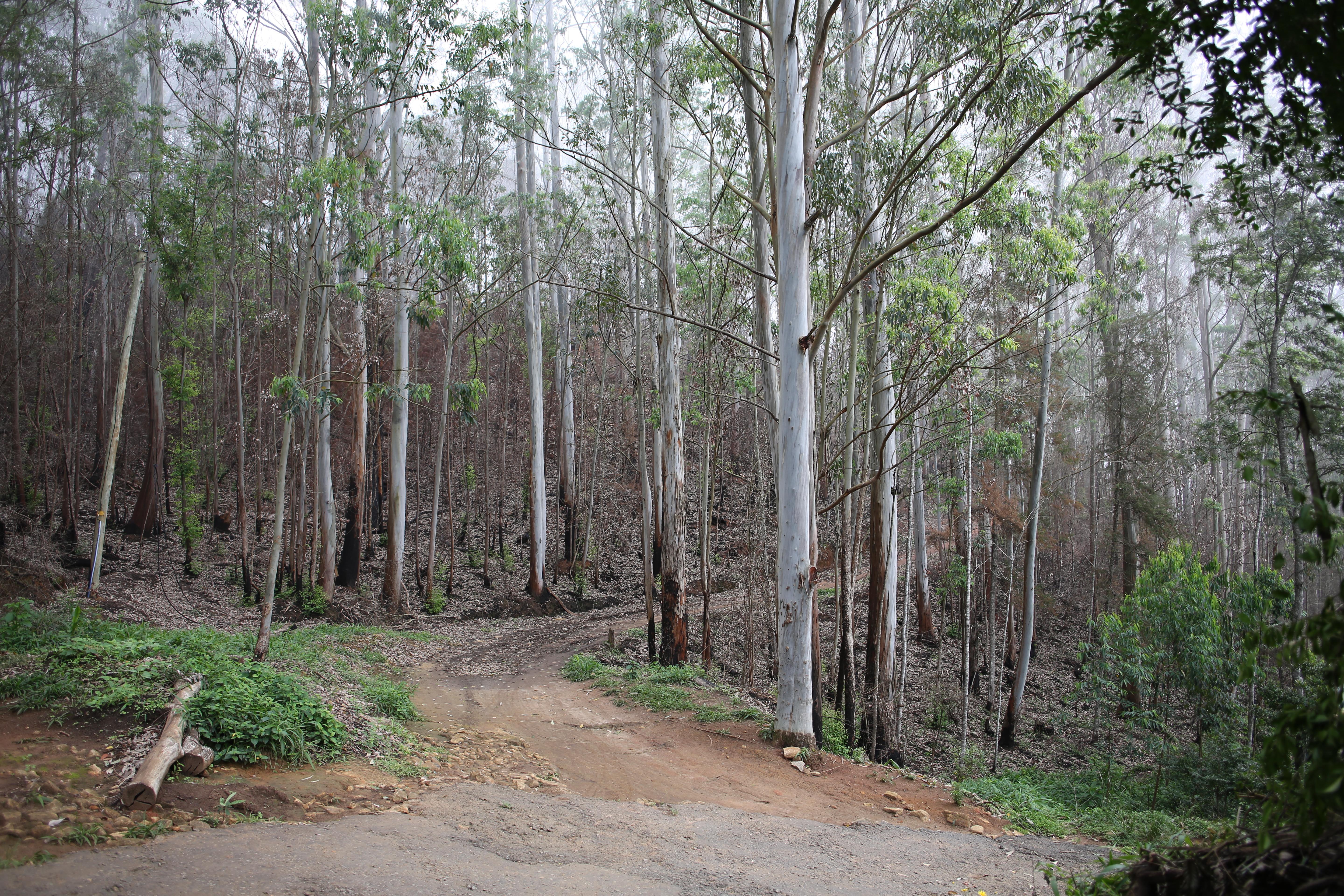
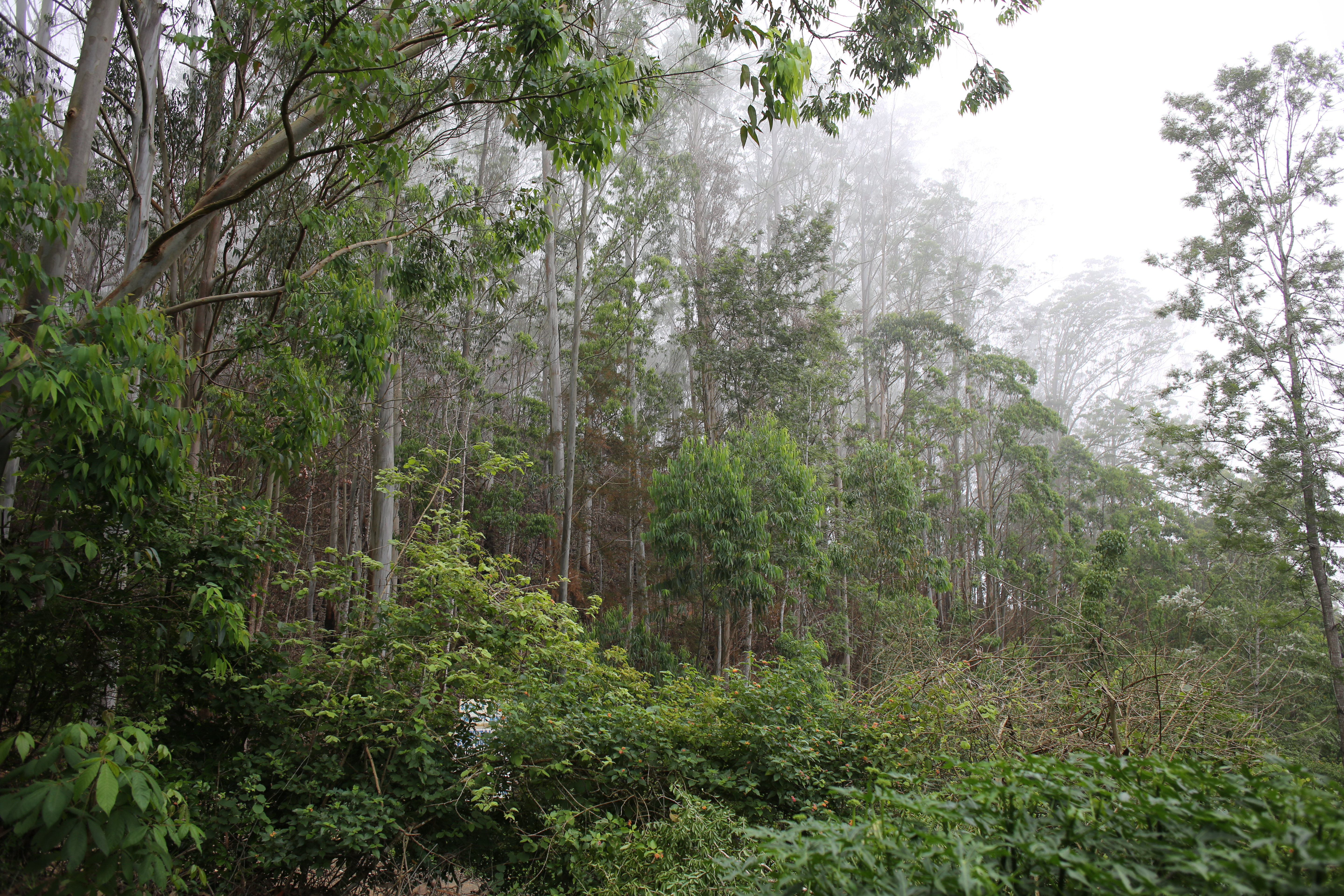
Now there is less than two hectares indigenous/mixed eucalyptus forest left in the whole Sagalla area. It was this tiny fragment where we searched for the tree hyraxes in vain. This remaining patch of forest is in the mountain side so steep that it is impossible to walk there. We were just standing above the forest.
Eucalyptus has taken over most of the Sagalla hill. Eucalyptus forest is growing and spreading and there is no commercial use for it. It causes regular forest fires, that are completely unnatural for the area.
Local fauna has been almost entirely wiped out, as there are no species that can live in eucalyptus forests in east Africa. We did saw some birds and we heard greater galagos (Otolemur garnettii) that has adapted to village life.
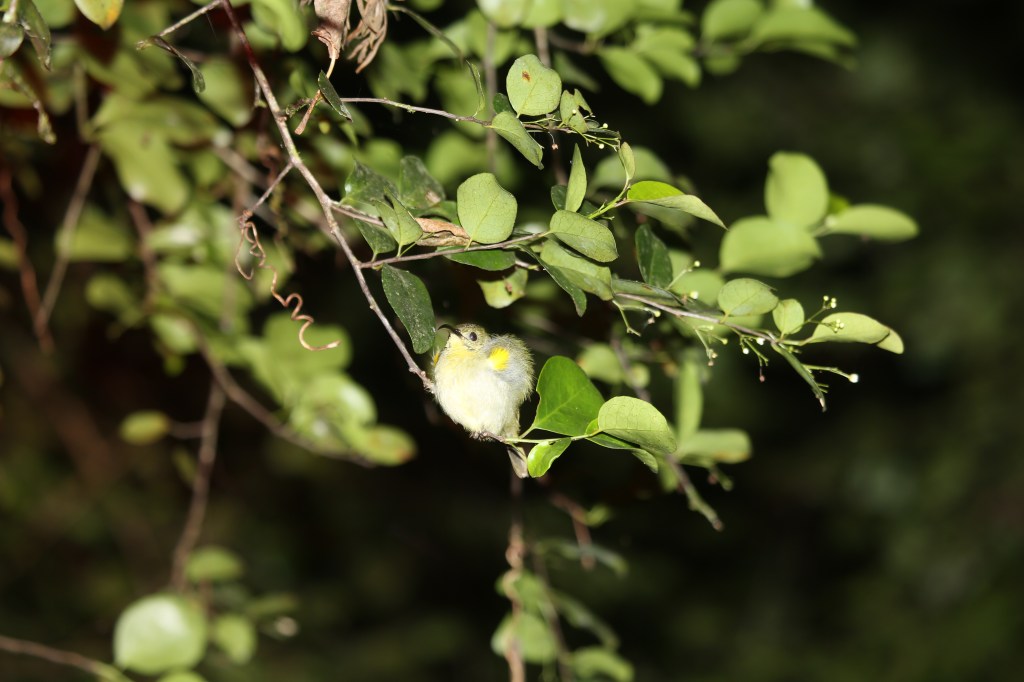
One famous endemic animal is Sagalla caecilian (Boulengerula niedeni) that was found 2005, and it is endangered.
We were told that local people contacted grandchildren of Andrew Wray and asked for their help in the massive problem with eucalyptus. They tried to help, but problem with the eucalyptus remains.
Eucalyptus is very strong competitor, it takes out water and nutrients from the soil. It spreads so efficiently that it can not be cleared by manual work. Also native flora and fauna have already been gone for almost hundred years, getting them back would take a long time.
However I am sure that this is clear problem, that could be solved with modern technology and money available for battle against climate change.
Read also: Conservation of Mbololo and Ngangao Forests


 Animals of Taita, Kenya
Leave a reply to magnificentefb3fc64ad Cancel reply