Tenrecs and otter-screws (Tenrecidae or Afrosoricida)
COHORT PAENUNGULATA
Afrotherian radiation that at the moment contains the orders (Hyracoidea, Sirenia and Proboscidea).
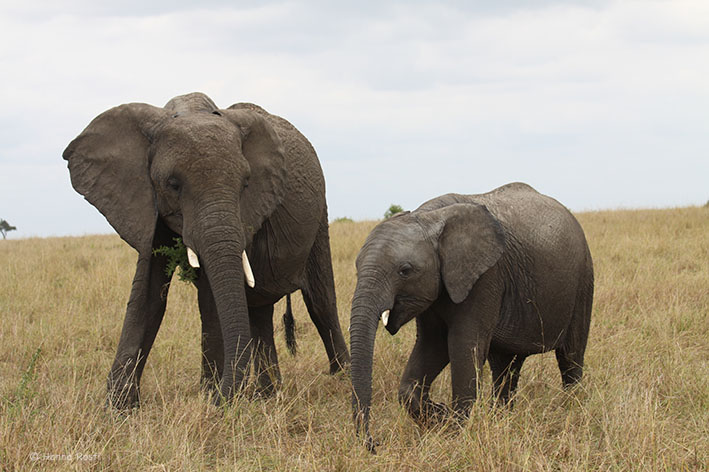
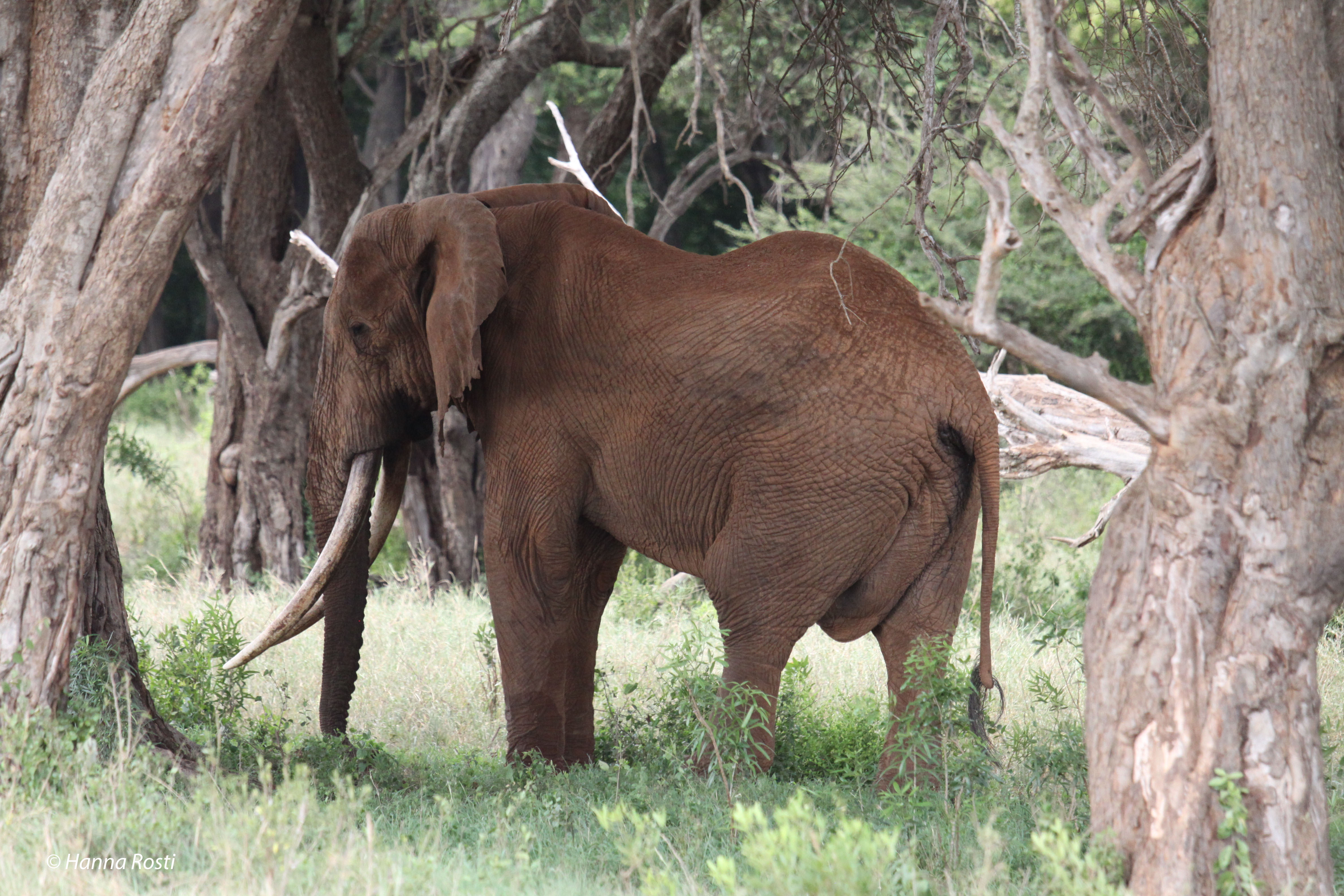
These are hyraxes, manatees and dudongs and elephants.
From Paleocene (66-56 ma), next 35 million years paenungulates dominated Africa’s large mammal fauna. They were herbivores: hyracoids, proboscideans and the extinct embrithopods.
Other mammals arrived from Eurasia and became more common about 25 mya.
Currently there are about 78 species of extant afrotheres. Most species are specialists.
Many have ecologically convergent forms on other continents.
This ecological specialization makes them vulnerable and prone to extinction in human modified world.
Re-evaluation is needed on the evidence on the morphological features that has been used as evidence for monophyly of Paenungulates.
However following features are most commonly used as evidence:
Female mammary glands between front legs
Tusks developed from incisors, rather than canines
Dendrohyrax – tree hyraxes – 4 species at the moment – more to come
Heterohyrax – bush hyrax – 1 species + 20+ subspecies
Procavia – rock hyrax – 1 species +17 subspecies – and some of them are species
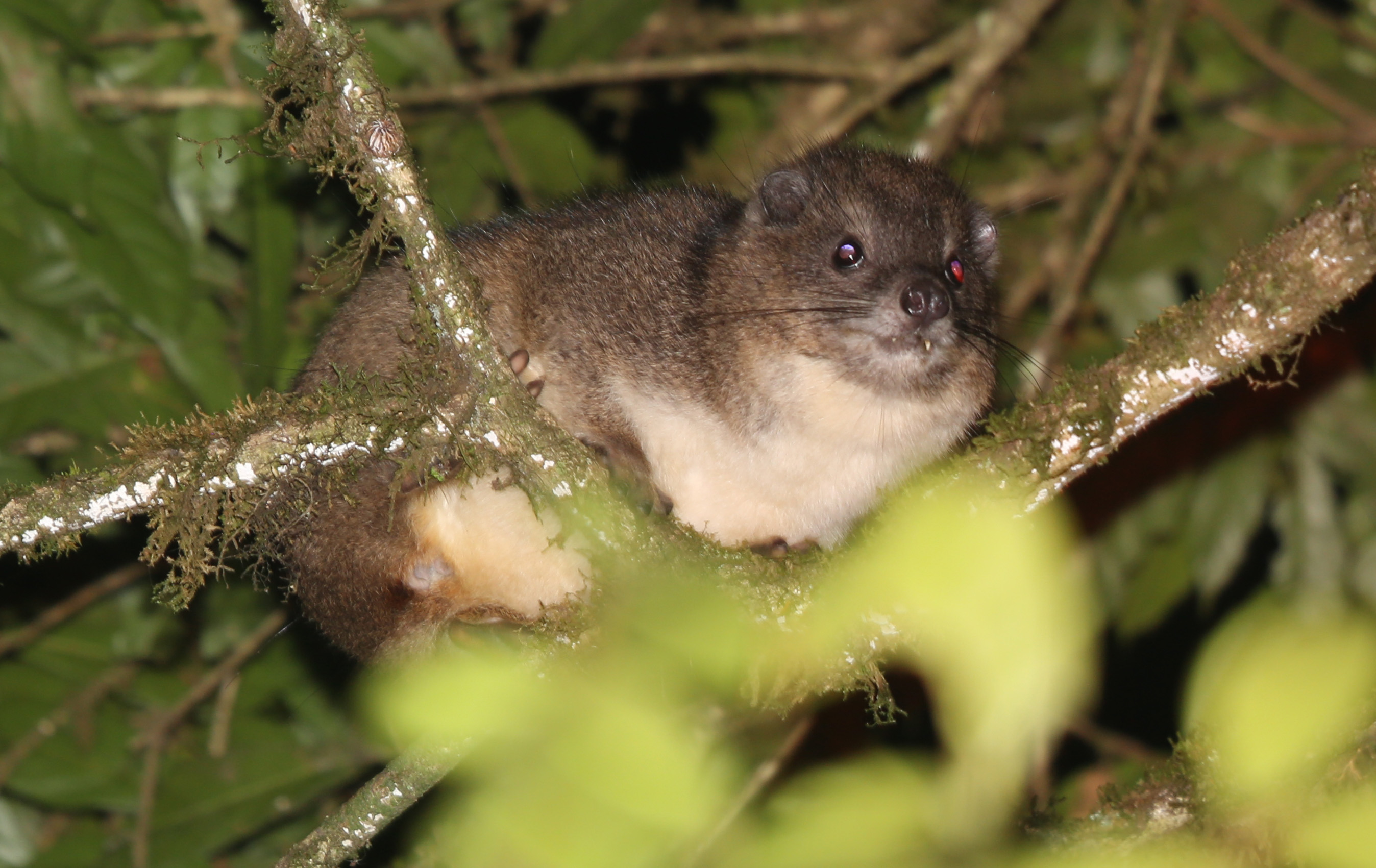
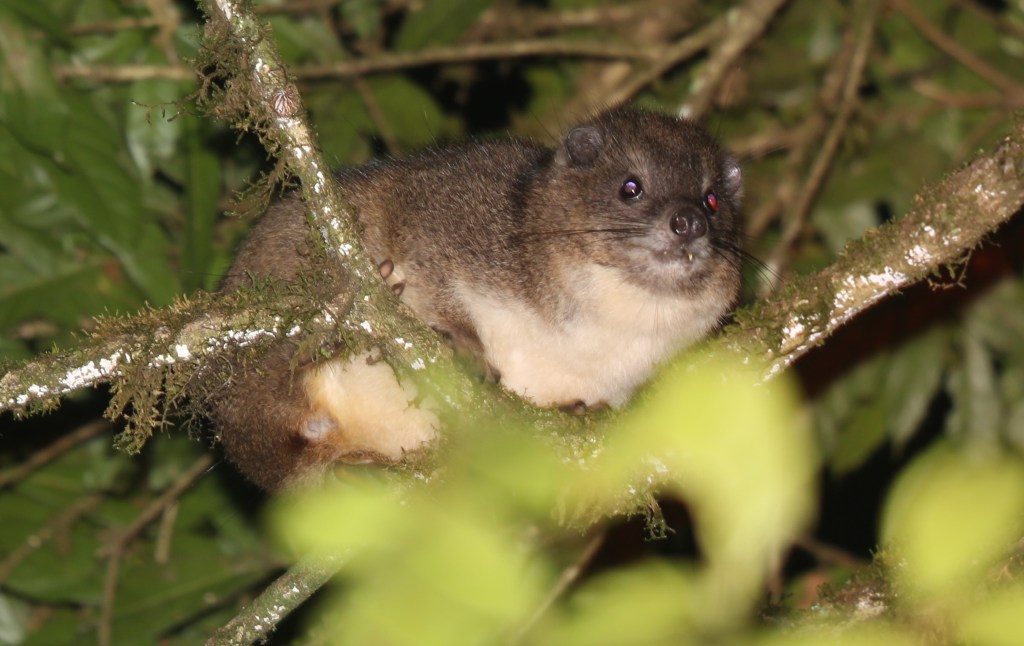
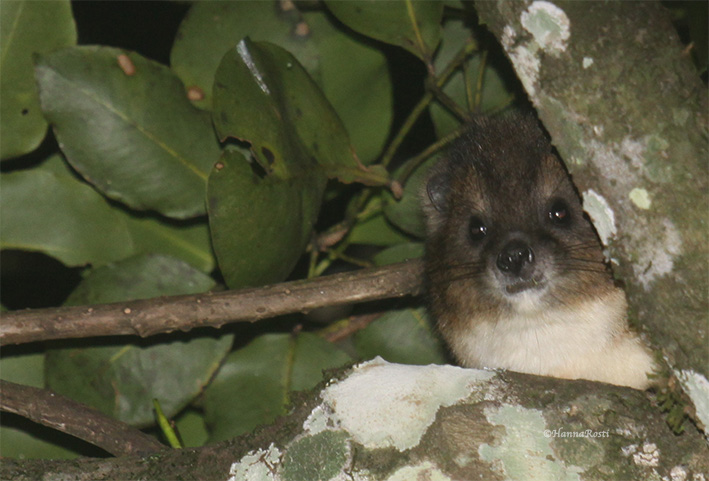
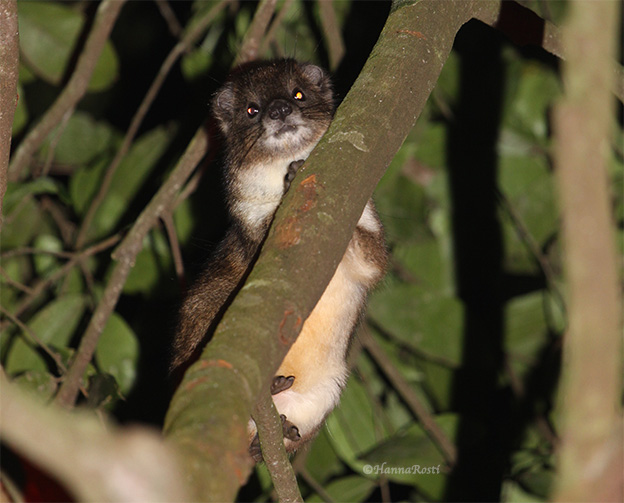
Taita tree hyrax (Dendrohyrax sp.)
Some features
small mammals 1.8-5.5 kg
no visible tail
coat dense and light grey to dark brown
all three genera are highly vocal
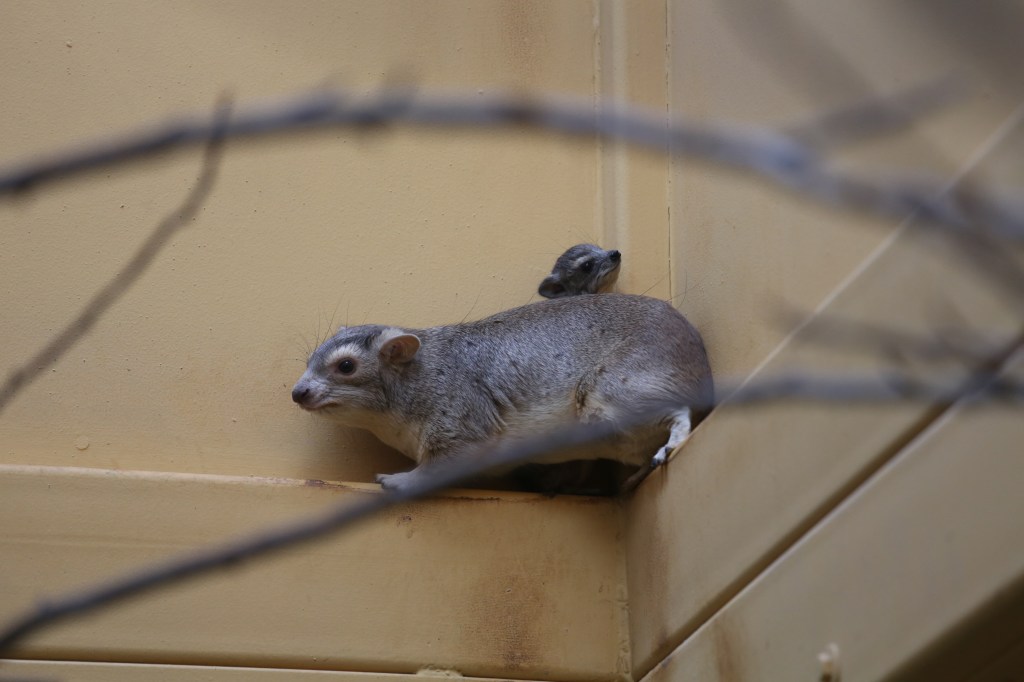
Bush hyrax from Plzen Zoo, Czech. They are smaller, grayish, and they have very strong white patches above the eyes. They are not as round as rock hyrax and tree hyraxes.
Unusual features
dorsal gland with hair with different color
tactile hairs around the body (length up to 8 cm)
forefoot has four digits and hindfoot three
stomach divided into two chambers
highly subdivided liver – plant food they use may be toxic
internal testes
unbranched caecum acts as a fermentation chamber that produces large amounts of volatile fatty acids that serve as an energy source
effective kidney function, they have high capacity for concentrating urea, and excreting large amounts of undissolved calcium carbonate.
many species defaecate to specific spots, and many species use latrines
low metabolic rate
they have poor ability to regulate their body temperature
body temperature is is maintained by behavioral thermoregulation
gestation period is long 6-8 months
Odd appearance has caused confusion
First they were thought to be rodents, thus genus Procavia (cavia meaning before guinea pigs)
Later called hyrax – equally wrong – as “shrew mouse”
Dassie used in South Africa comes from Dutch badger – das
3000 years age Phoenician seamen found small mammals from Mediterrian and called the place “I-saphan-im” Island of the Hyrax. The Romans later modified the name to Hispania. That later became Spain. The animals were really rabbits! Not hyraxes, so the name “Spain” comes from faulty observation.
Key reference: Shoshani, J., Bloomer, P., Seiffert, E. (2013) ‘Order Hyracoidea – Hyraxes’ in Mammals of Africa. London, Bloomsbury, pp. 148-151.
Other sources for Dendrohyraxes:
Cordeiro, N.J. et al. (2005) ‘Notes on the ecology and status of some forest mammals in four Eastern Arc Mountains, Tanzania’, Journal of East African Natural History, 94(1), pp. 175–189. doi:10.2982/0012-8317(2005)94[175:NOTEAS]2.0.CO;2.
Gaylard, A. and Kerley, G.I.H. (1997) ‘Diet of Tree Hyraxes Dendrohyrax arboreus (Hyracoidea: Procaviidae) in the Eastern Cape, South Africa’, Journal of Mammalogy, 78(1), pp. 213–221. doi:10.2307/1382654.
Gaylard, A. and Kerley, G.I.H. (2001) ‘Habitat assessment for a rare, arboreal forest mammal, the tree hyrax (Dendrohyrax arboreus)’, African Journal of Ecology, 39(2), pp. 205–212. doi:10.1046/j.0141-6707.2000.301.x.
Hoeck, H. (no date) ‘Some thoughts on the distribution of the tree hyraxes (genus Dendrohyrax) in Northern Tanzania’, 2017(13:47–49).
IUCN (2013) ‘Dendrohyrax arboreus: Butynski, T., Hoeck, H. & de Jong, Y.A.: The IUCN Red List of Threatened Species 2015: e.T6409A21282806’. International Union for Conservation of Nature. doi:10.2305/IUCN.UK.2015-2.RLTS.T6409A21282806.en.
IUCN (2014) ‘Dendrohyrax validus: Hoeck, H., Rovero, F., Cordeiro, N., Butynski, T., Perkin, A. & Jones, T.: The IUCN Red List of Threatened Species 2015: e.T136599A21288090’. International Union for Conservation of Nature. doi:10.2305/IUCN.UK.2015-2.RLTS.T136599A21288090.en.
Kundaeli, J.N. (1976) ‘Distribution of tree hyrax (Dendrohyrax validus validus True) on Mt Kilimanjaro, Tanzania’, African Journal of Ecology, 14(4), pp. 253–264. doi:10.1111/j.1365-2028.1976.tb00241.x.
Milner, J.M. and Harris, S. (1999) ‘Habitat use and ranging behaviour of tree hyrax, Dendrohyrax arboreus, in the Virunga Volcanoes, Rwanda: Habitat use by tree hyrax’, African Journal of Ecology, 37(3), pp. 281–294. doi:10.1046/j.1365-2028.1999.00185.x.
Oates, J.F. et al. (2021) ‘A new species of tree hyrax (Procaviidae: (Dendrohyrax) from West Africa and the significance of the Niger–Volta interfluvium in mammalian biogeography’, Zoological Journal of the Linnean Society, p. zlab029. doi:10.1093/zoolinnean/zlab029.
Opperman, E.J., Cherry, M.I. and Makunga, N.P. (2018) ‘Community harvesting of trees used as dens and for food by the tree hyrax (Dendrohyrax arboreus) in the Pirie forest, South Africa’, Koedoe, 60(1). doi:10.4102/koedoe.v60i1.1481.
Roberts, D., Topp-Jørgensen, E. and Moyer, D. (2013) ‘Dendrohyrax validus Eastern tree hyrax’, in Mammals of Africa. London, Bloomsbury, pp. 158–161.
Topp-Jørgensen, J.E. et al. (2008) ‘Quantifying the Response of Tree Hyraxes ( Dendrohyrax Validus ) to Human Disturbance in the Udzungwa Mountains, Tanzania’, Tropical Conservation Science, 1(1), pp. 63–74. doi:10.1177/194008290800100106.
True, F.W. (1890) ‘Description of two new species of mammals from Mt. Kilima-Njaro, East Africa’, Proceedings of the United States National Museum, 13(814), pp. 227–229. doi:10.5479/si.00963801.814.227.
According to Mammals of Africa (MOA) 2013 17 subspecies are recognized. However, many of these subspecies have been elevated to level of distinct species.
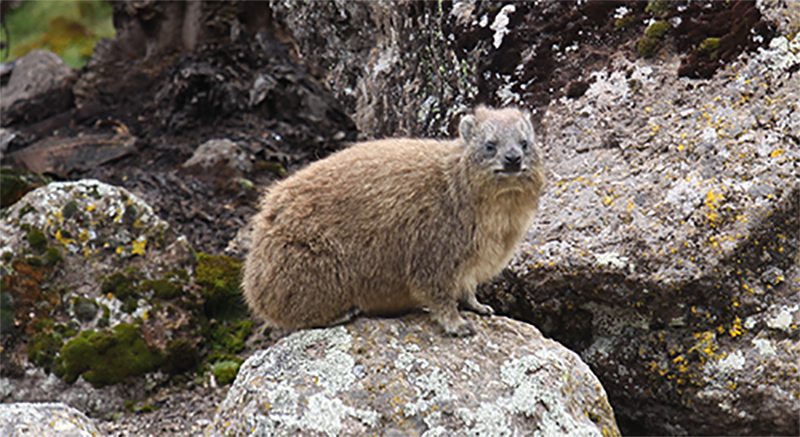
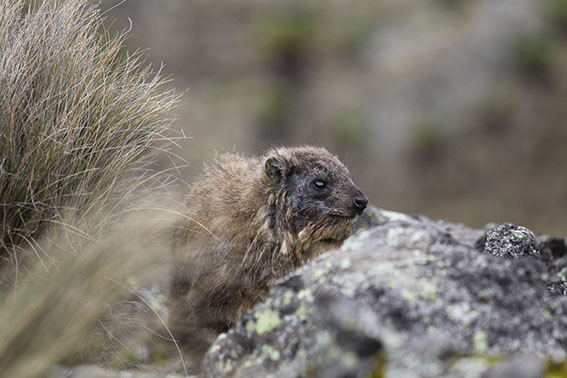
Rock hyraxes in Mt Kenya. These rock hyraxes live in the altitude of 4300 m asl. Many people climbing to Mt Kenya are first startled by their loud calls that seem to be coming from nowhere.
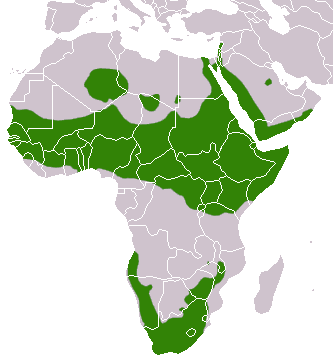
Rock hyraxes have wide distribution in Africa and in many countries in Middle East
Rock hyraxes are dependent on rocky outcrops, mountain cliffs or boulders that provide shelter for them.
From sea level to 4300m asl in Mt Kenya
Rock hyraxes are diurnal group living animals. One group may have even 80 individuals.
More than 90 % of the day is spent resting.
They feed on grasses, buds, fruits, berries.
Huddling behavior is most common interaction. During warmer times rock hyraxes may rest alone.
Rock hyraxes are highly vocal. Fourie (1977) recorded 21 vocal sound and 4 non-vocal sounds.
Rock hyraxes from Mt Kenya
Rock hyraxes singing songs, witch is rare phenomenon among mammals (Koren 2006, Koren & Geffren 2009, Demartsev et al. 2014). In rock hyraxes songs are sang by males. Most complicated and powerful songs are sang by strong males. These songs are most likely individual badges that males use to advertise their fitness to females.
With one breeding season, all females give birth to 1-4 within three weeks.
Weaning occurs within 1-5 months. Both sexes reach maturity at 28-29 months.
Allthough some habitats remain always occupied, in many locations rock hyraxes colonies may dissapear and then reappear according to metapopulation theory.
In some counties e.g. Saudi-Arabia rock hyraxes are hunted for sport, meat and skins.
Rock hyraxes from Plzen Zoo, Czech
How do you recognize hyrax species from one another?
If they are diurnal, they are either rock hyraxes or bush hyraxes. These are quite different form their appearance.
If they are nocturnal, they are tree hyraxes. Tree hyraxes are usually seen in the proximity of trees as they only eat leaves. In West Africa they are D. dorsalis or D. interfluvialis. They can be separated by their calls. Most common tree hyrax is Dendrohyrax arboreus. This species can be found from equator to South Africa. Other tree hyraxes D. validus and Taita tree hyrax sound very different. D. arboreus sounds like halloween sound track. D. validus has simple hac calls and Taita tree hyraxes have strangled thwack as their main contact calls. You can listen to Taita tree hyrax from here
Key reference: Hoeck, H. Bloomer, P. (2013) ´Procavia capensis Rock hyrax (Klipdassie)’. In “Mammals of Africa” Vol 1. London Bloomsbury. pages 166-171
Demartsev, V. et al. (2014) ‘Male hyraxes increase song complexity and duration in the presence of alert individuals’, Behavioral Ecology, 25(6), pp. 1451–1458. doi:10.1093/beheco/aru155.
Butynski, T., Hoeck, H., Koren, L. & de Jong, Y.A. 2015. Procavia capensis. The IUCN Red List of Threatened Species 2015: e.T41766A21285876. http://dx.doi.org/10.2305/IUCN.UK.2015- 2.RLTS.T41766A21285876.en
Koren, L. (2006) Vocalization as an indicator of individual quality in the rock hyrax. PhD-thesis, Tel-Aviv University.
Koren, L. and Geffen, E. (2009) ‘Complex call in male rock hyrax (Procavia capensis): a multi-information distributing channel’, Behavioral Ecology and Sociobiology, 63(4), pp. 581–590. doi:10.1007/s00265-008-0693-2.
Oates, J.F. et al. (2021) ‘A new species of tree hyrax (Procaviidae: (Dendrohyrax) from West Africa and the significance of the Niger–Volta interfluvium in mammalian biogeography’, Zoological Journal of the Linnean Society, p. zlab029. doi:10.1093/zoolinnean/zlab029.
I will never forget fist time that I heard tree hyrax. I was sitting on a log. It was first time I was in the forest after dark. I was companied by Kenya Forest Service ranger Jonam Mwandoe. Startling call, that seemed to come just to my ear, almost dropped me from the log. I asked what an earth was that?
Jonam told me about tree hyraxes, but I really didn’t understand. I had no idea that there could be relatives of elephants in the trees. For some time I thought of them as some peculiar rodents, which they really are not!
Each night in the forest had been filled with their vocalizations, where individuals counter call to another. But it took weeks to see one. At the time I had no idea how special this event was.
This individual, probably young female was first tree hyrax I saw. It was resting just about 4 meters above the ground. Females have smaller and rounder tusks.
Researchers just don’t see tree hyraxes. And this is probably why these animals are so neglected in science. Studying animals that you can’t see in difficult and challenging conditions and producing scientific articles with real data even more difficult.
As time went on I gathered more pictures and tons of recordings of their vocalizations. I became more and more intrigued by these mysterious animals. Then it really hit me:
Tree elephants!!!!
Hyraxes belong to Paenungulata, their relatives are elephants and manatees. How amazing and unbelievable group!
My supervisor, emeritus professor Simon Bearder pointed out from recordings, that these tree hyraxes are new species for the science.
Special features of tree hyraxes
Belong to Paenungulata with elephants and manatees
Small tusks
Teeth like rhinos
Dense fur
Three toes
Round body
Eat leaves, fibrous, low calorie diet
Slow metabolic rate
Complicated digestion system
Low body temperature
Internal testes
Whiskers around the body
Scent gland
Spends days in tree holes
Use toilets
Extremely variable vocal communication
Solitary
Nocturnal
Variable vocal communication suggests that this species has complex social behavior, even though they are solitary. Knowledge of these species and their behavior is very limited.
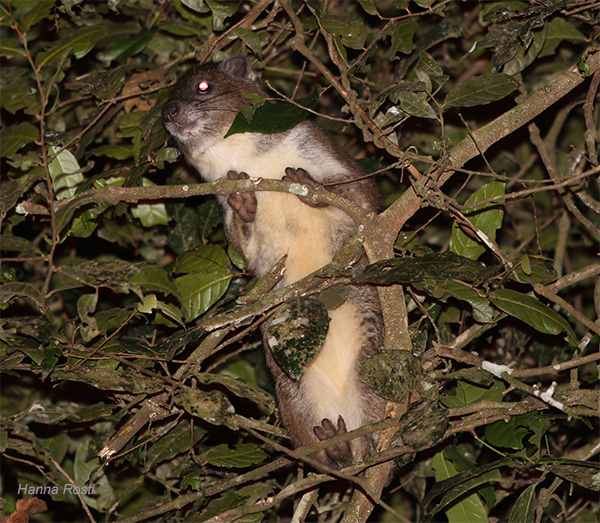
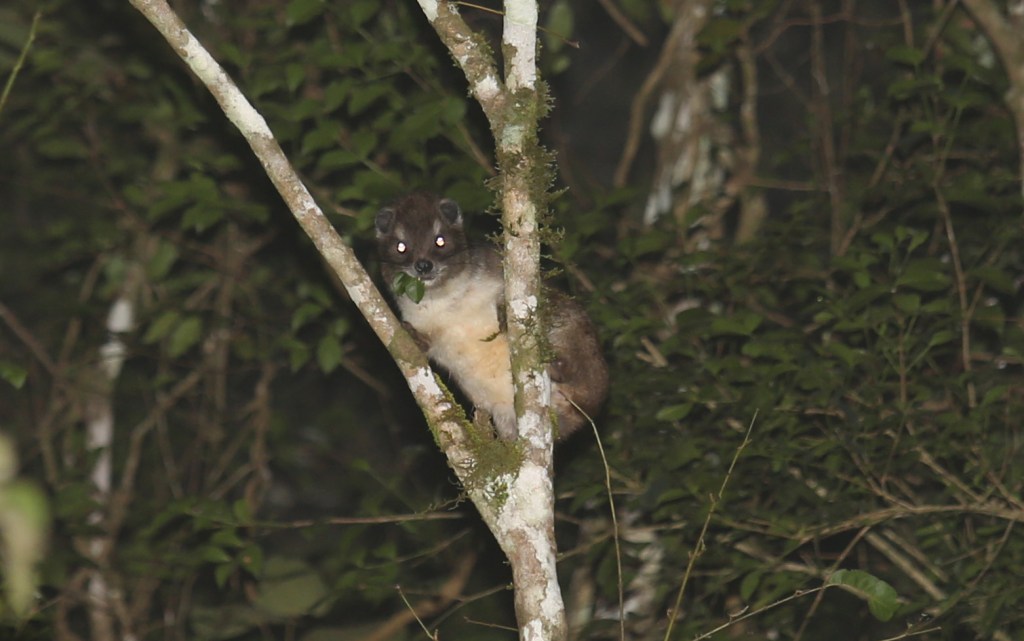
This male is much larger and has bigger tusks.
Ecological niche of tree hyrax is the same as koala and sloth
In some two largest forests of Taita Hills, Ngangao and Mbololo tree hyrax density is high. However total area of these forests are only three square kilometers. As density is high, young animals are forced to move out of forest, where they easy food for dogs.
Tree hyrax only lives in indigenous forest. It is dependent on tree cavities for safety
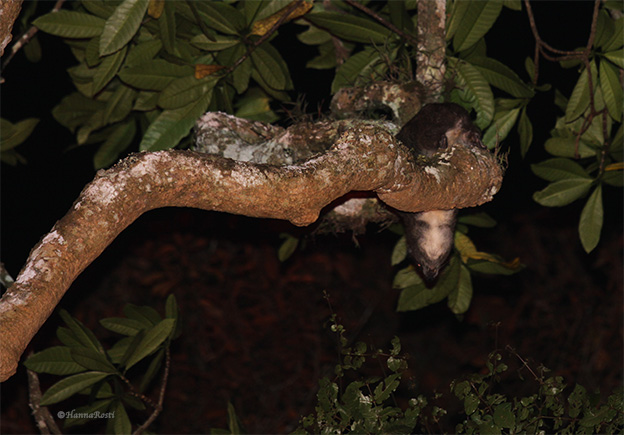
Tree hyrax jumping from branch to another. Thinking and hesitating took minutes before actual jump.
How tree hyraxes can live in the canopy of tall mountain rain forest is amazing. Animal is heavy, it has only tree toes. It seems like species that is taken out of their real environment.
One form of protection for this species could be to build artificial nest in areas, where are trees, but no tree cavities. However replanting of indigenous forest and building corridors between fragments is necessary for long term survival of this species.
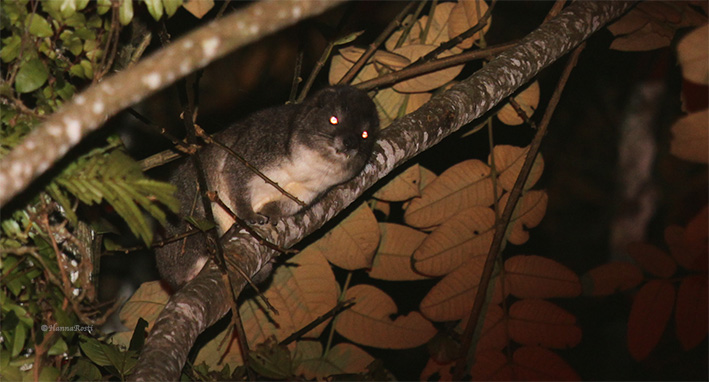
This sweet female was observing us from close range, she was possibly moving on to new tree.
These unknown tree hyraxes are in serious threat by human development all over Africa, not just in Taita Hills. Different species of tree hyraxes are possibly going extinct even before they are identified.
Mammals of Africa (2013):
“Major revision of this group is overdue”
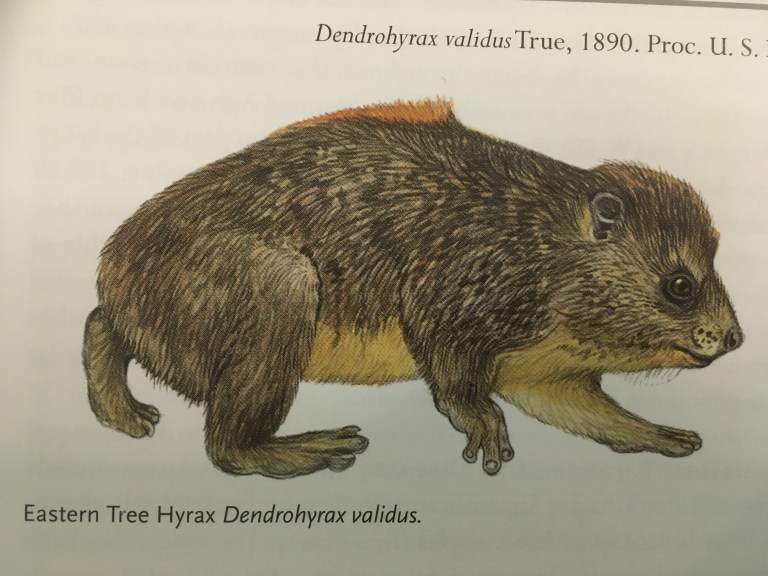
Eastern tree hyrax (Dendrohyrax validus) drawing from Mammals of Africa (Kingdon 2013).
“Taita tree hyrax desperately needs taxonomic identification and conservation”
Cordeiro, Norbert J., Nathalie Seddon, David R. Capper, Jonathan M. M. Ekstrom, Kim M. Howell, Isabel S. Isherwood, Charles A. M. Msuya, et al. 2005. “NOTES ON THE ECOLOGY AND STATUS OF SOME FOREST MAMMALS IN FOUR EASTERN ARC MOUNTAINS, TANZANIA.” Journal of East African Natural History 94 (1): 175–89. https://doi.org/10.2982/0012-8317(2005)94%5B175:NOTEAS%5D2.0.CO;2.
IUCN. 2013. “Dendrohyrax Arboreus: Butynski, T., Hoeck, H. & de Jong, Y.A.: The IUCN Red List of Threatened Species 2015: E.T6409A21282806.” International Union for Conservation of Nature. https://doi.org/10.2305/IUCN.UK.2015-2.RLTS.T6409A21282806.en.
IUCN. 2014. “Dendrohyrax Validus: Hoeck, H., Rovero, F., Cordeiro, N., Butynski, T., Perkin, A. & Jones, T.: The IUCN Red List of Threatened Species 2015: E.T136599A21288090.” International Union for Conservation of Nature. https://doi.org/10.2305/IUCN.UK.2015-2.RLTS.T136599A21288090.en.
Kingdon, Jonathan, ed. 2013. Mammals of Africa. Vol. 1: Introductory Chapters and Afrotheria. London: Bloomsbury.
Roberts, Diana. 2001. “GEOGRAPHIC VARIATION IN THE LOUDCALLS OF TREE HYRAX – DENDROHYRAX VALIDUS (TRUE 1890) – IN THE EASTERN ARC MOUNTAINS, EAST AFRICA: TAXONOMIC AND CONSERVATION IMPLICATIONS.” UNIVERSITY OF READING.
Most people who see hyraxes in Kenya or in Africa in general think that they are some sort of rodents, as they look like overgrown guinea pigs.
It is amazing that closest relatives to hyraxes are elephants!
Furry coat protects from cold temperature. Hyraxes have low body temperature. They rely on sun bathing to lift their body temperature. Grasses that they eat, are low nutrient food and hyraxes have several adaptations to allow them to cope with such low nutrient diet.
These animals are actually related to elephants and manatees. They belong to the and cohort Paenungulata – where also elephants, manatees and dugongs belong (Mammals of Africa 2013).
Strange appearance has lead to misleading name hyrax, which means “shrew mouse”. In South Africa they are called “dassie”, that is derived from Dutch word for badger, equally misleading.
In Hebrew hyraxes were known as shaphan, “meaning the hidden one”. As sailors came 3000 years ago to coast of Spain, they named it I-shaphan-im -Island of the Hyrax. As they saw many animals that they believed to be hyraxes. Animals were actually rabbits.
So country Spain derives its name from misunderstanding, it is named after animals that have never been there. Hyraxes are endemic to Africa.
More than 25 million years ago, there where many more species and hyraxes where largest group of medium sized herbivores. Now there are only three geniuses left and these are living in harsh conditions where competition from other herbivores is minimal.
Three genera of hyraxes:
Procavia – rock hyraxes
Heterohyrax – bush hyraxes
Dendrohyrax – tree hyraxes
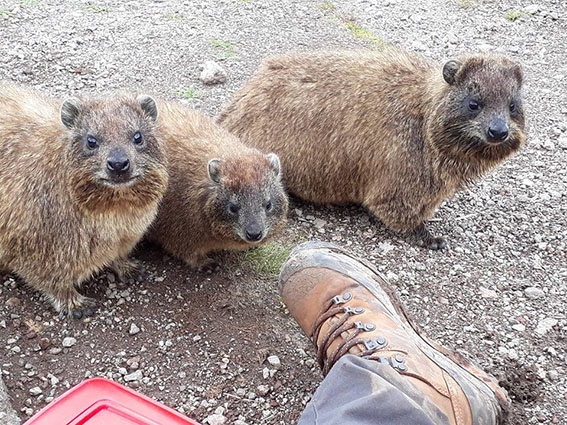
In Mt Kenya, and also in some other places, rock hyraxes are getting used to people and hang around in hope of food
Incredible features of hyraxes
Hyraxes have tree toes, these cute soft toes are sausage like. Teeth of hyraxes are weird for small animals, resembling rhinos or horses. Upper incisors are tusk-like, larger in males than in females (Hoeck). These tusks remind of their large distant relatives, elephants.
Hyraxes have low body temperature, and they use sunshine to rise their body temperature. Hyraxes conserve energy by having low body temperature, getting warm in the sun and resting a lot. They are dependent on cavities of rock or trees for shelter to stay warm. Hyraxes have internal testes, as lower body temperature allows testes to remain inside the body.
The eye of rock hyrax has shield called “umbraculum” that allows them to stare at the sun. Perhaps this adaptation allows them to see attacks of eagles, as animals are exposed when they are basking in the sun.
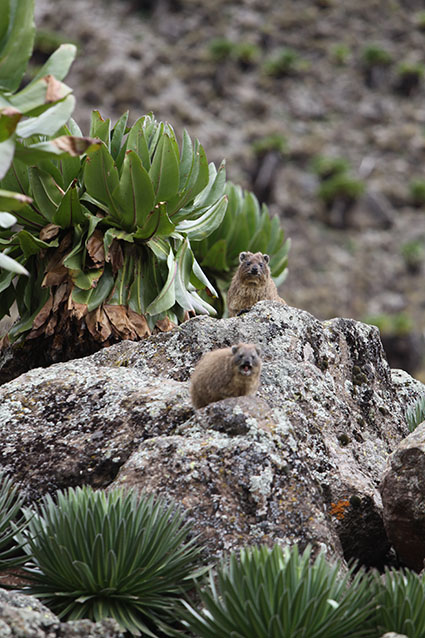
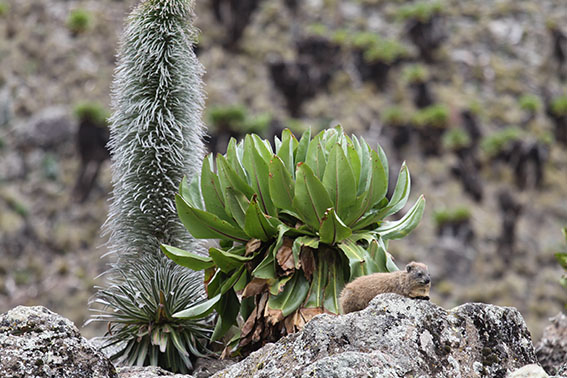
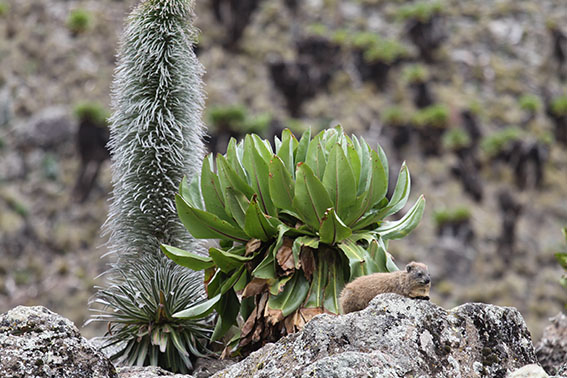
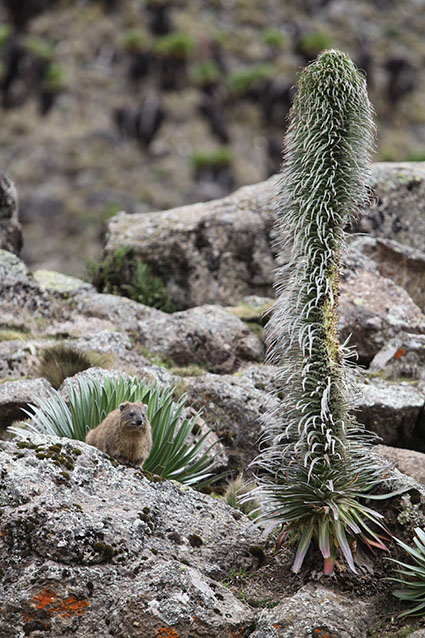
In Mt Kenya Senecio plant (in front) and Giant lobelia (behind) are largest plants. Hyraxes are living on small grasses. Their slow metabolic rate and capability to gather heat from the sun, allows them to live in such hard conditions.
Rock hyrax eats grasses. Hyraxes do not ruminate, but their ability to digest fibers is just as efficient. Morphology of digestive system is complex and unique to hyraxes. Efficient kidneys allow them to survive with minimal water intake.
Animal with cuts in the cheek. Grasses on the left are their diet in Mt Kenya.
Hyraxes have long vibrissae (tactile hairs) distributed around their bodies. Probably helping them to orient in rock holes or in the darkness of the forest canopy, with tree hyraxes.
Rock hyraxes are diurnal, group living animals. Main communication method for rock hyraxes is vocal communication. Complex vocal communication include songs that male sing to attract mates (Koren & Geffren 2009).
Sources and additional reading:
Demartsev, Vlad, Arik Kershenbaum, Amiyaal Ilany, Adi Barocas, Einat Bar Ziv, Lee Koren, and Eli Geffen. 2014. “Male Hyraxes Increase Song Complexity and Duration in the Presence of Alert Individuals.” Behavioral Ecology 25 (6): 1451–58. https://doi.org/10.1093/beheco/aru155.
Ilany, Amiyaal, Adi Barocas, Michael Kam, Tchia Ilany, and Eli Geffen. 2013. “The Energy Cost of Singing in Wild Rock Hyrax Males: Evidence for an Index Signal.” Animal Behaviour 85 (5): 995–1001. https://doi.org/10.1016/j.anbehav.2013.02.023.
Kershenbaum, Arik, Amiyaal Ilany, Leon Blaustein, and Eli Geffen. 2012. “Syntactic Structure and Geographical Dialects in the Songs of Male Rock Hyraxes.” Proceedings of the Royal Society B: Biological Sciences 279 (1740): 2974–81. https://doi.org/10.1098/rspb.2012.0322.
Kingdon, Jonathan, ed. 2013. Mammals of Africa. Vol. 1: Introductory Chapters and Afrotheria. London: Bloomsbury.
Koren, Lee, and Eli Geffen. 2009. “Complex Call in Male Rock Hyrax (Procavia Capensis): A Multi-Information Distributing Channel.” Behavioral Ecology and Sociobiology 63 (4): 581–90. https://doi.org/10.1007/s00265-008-0693-2.
Weissman, Yishai A, Vlad Demartsev, Amiyaal Ilany, Adi Barocas, Einat Bar-Ziv, Inbar Shnitzer, Eli Geffen, and Lee Koren. 2019. “Acoustic Stability in Hyrax Snorts: Vocal Tightrope-Walkers or Wrathful Verbal Assailants?” Behavioral Ecology 30 (1): 223–30. https://doi.org/10.1093/beheco/ary141.
Mt Kenya is amazingly beautiful mountain with incredible plant fauna. There are several routes to choose from, so climber can ascend and descend from different directions.
I had always been fascinated by walking up the mountain, as you can basically walk from Equator to the North Pole, and see all different vegetation zones from forest to the glacier in few days.
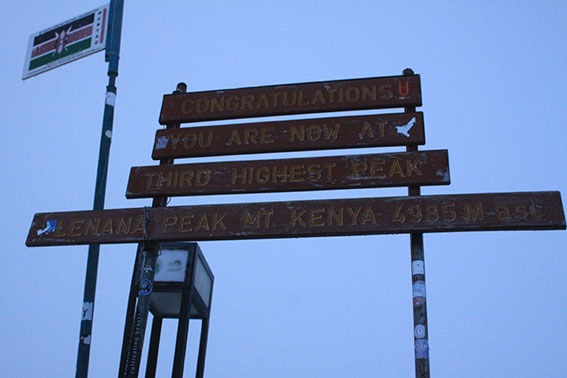
Highest peak, that can be reached without climbing gear is Point Lenana 4985 meters. This takes five days when leaving from Nairobi. It can be made faster, but this beautiful mountain deserves the time and you are less likely to have altitude issues.
I walked up the mountain using Sirimon and descended using Chogoria route. This is described as most beautiful route, and I can really verify that.
I climbed Mt Kenya in March 2018. It was during short rainy season. I was lucky, there was no rain when I was on the mountain.
I made my booking through Gracepatt Ecotours Kenya. I had my own two guides with me Martin and Charles.
I met few climbers in the huts, so I had company during evenings. But during the days I had the mountain for myself. It was special five day meditative experience.
Meals that are prepared in the mountain put whole new standard on camp cooking! For me, and for also other travelers chefs we’re preparing full meals with soup as appetizer, main course, and deserts. It was simply delicious. Food in Mt Kenya is excellent. I had no idea that such gorgeous meals can even be cooked in so simple and basic settings.
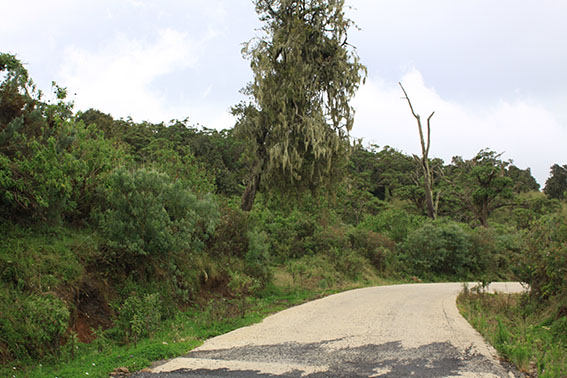
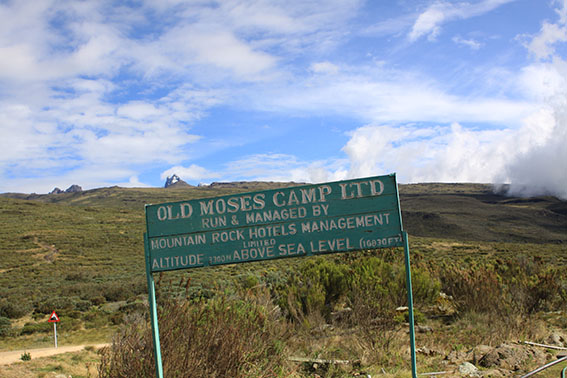
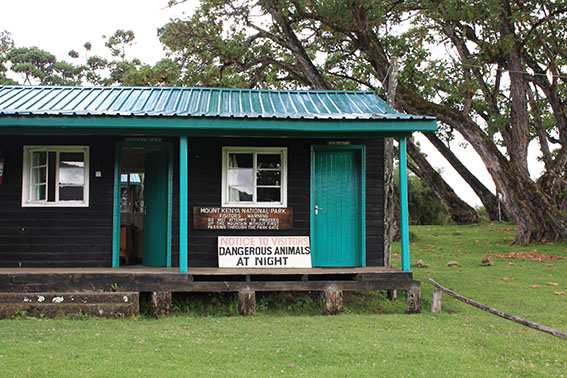
First day hike is by using tarmac road, that leads from Mt Kenya National Park Gate to Old Moses Camp. It is just about three hour hike.
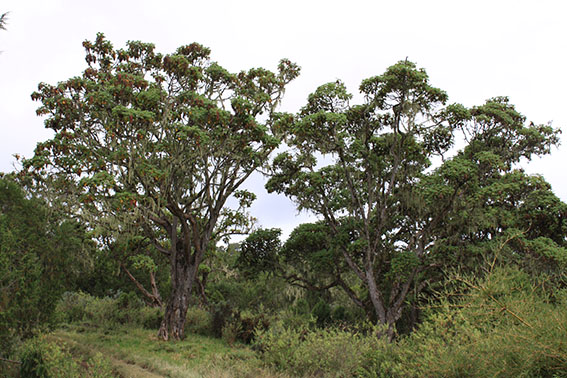
Walk begins with beautiful montane forest, continues in bamboo forest and changes again to giant heather.
Photos from Tarmac road on the way to Old Moses Camp
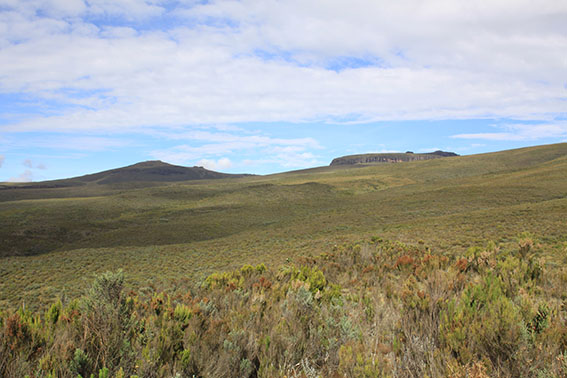
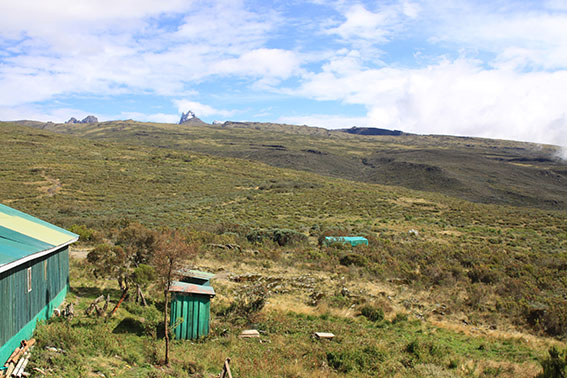
Photographs from Old Moses Camp, it almost looks like Scotland.
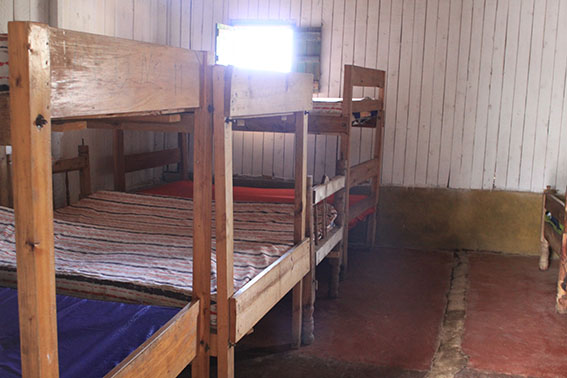
Old Moses Camp is basic camp with bunkbeds. There I met Mohammed from Jordania, who had just missed the peak as his guide had malaria fever episode, and he had to carry him down. Mohammed also gave me some tips how to adjust to make climb as easy as possible. Here they are:
As you reach your destination for the day, have a short brake, but then move on little more. Walk maybe 200-500 even further, stay there for half an hour and come back. It tells your body in advance what it has to prepare for.
Also, there is no electricity in the mountain. Using airplane mode in the phone saves battery. Mohammed actually gave more battery for me, as my phone was already going down on first day.
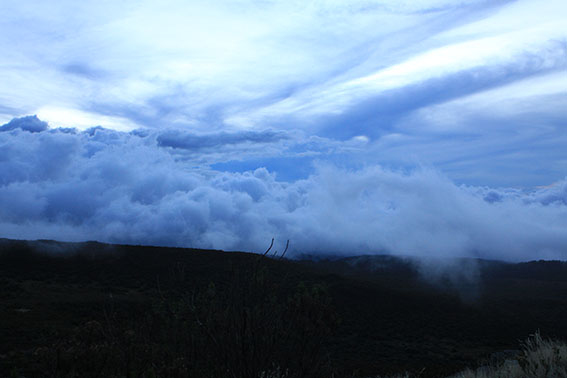
Old Moses camp is already above the clouds
Ascend to Shiptons camp is amazingly beautiful as vegetation in Mt Kenya is incredibly beautiful.
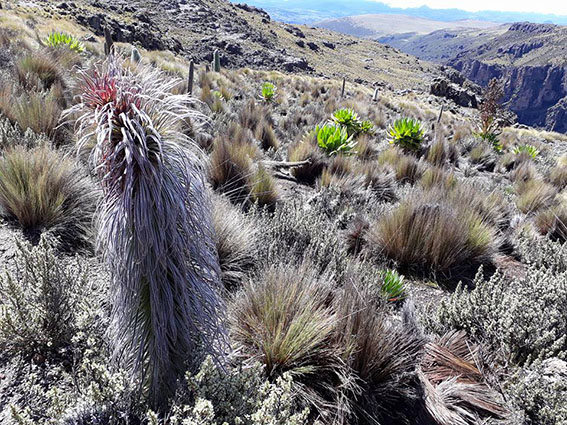
Endemic Giant Lobelia “ostrich plume plant” is only found from Mt Kenya. “Hairs” are needed for insulation to protect the flowers and the plant itself. Another strange looking plant is Senecio in the background.
Shipton Camp is basic camp to stay for additional day for adaptation to higher altitude.
In Shiptons Camp, and also elsewhere in the mountain there are groups of rock hyraxes (Procavia capensis). Hyraxes are incredible animals. Their closest relatives are elephants, they have three toes, internal testes, and teeth like rhinos. Hyrax communication is extremely variable and many climbers have been startled by their “ear splitting” screams, coming from just a meter away behind the rocks.
Having lunch with hyraxes. This time I had no idea, that later in life I would do PhD of tree hyraxes. There is whole post about hyraxes in Mt Kenya.
Rock hyrax, Senecio and Giant Lobelia.
I was there in March, during rainy season, there was no rain, however it was really cold. Temperature was close to zero during the day and bellow zero during the night. I mostly stayed in my winter sleeping bag. I was sitting in the sleeping bag during dinner. My guides were so cold they could not sleep.
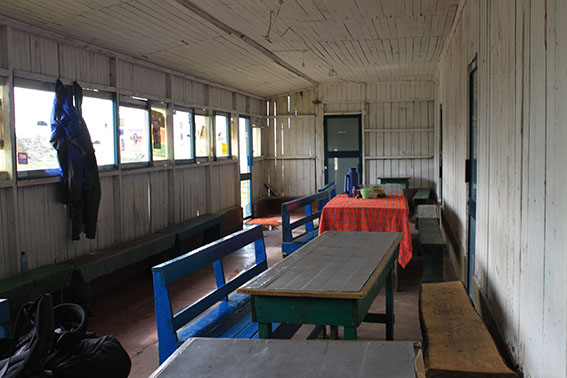
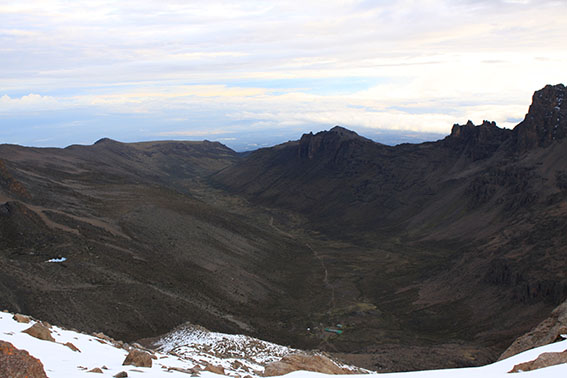
Shiptons Camp living room and view to Shiptons Camp from Point Lenana path.
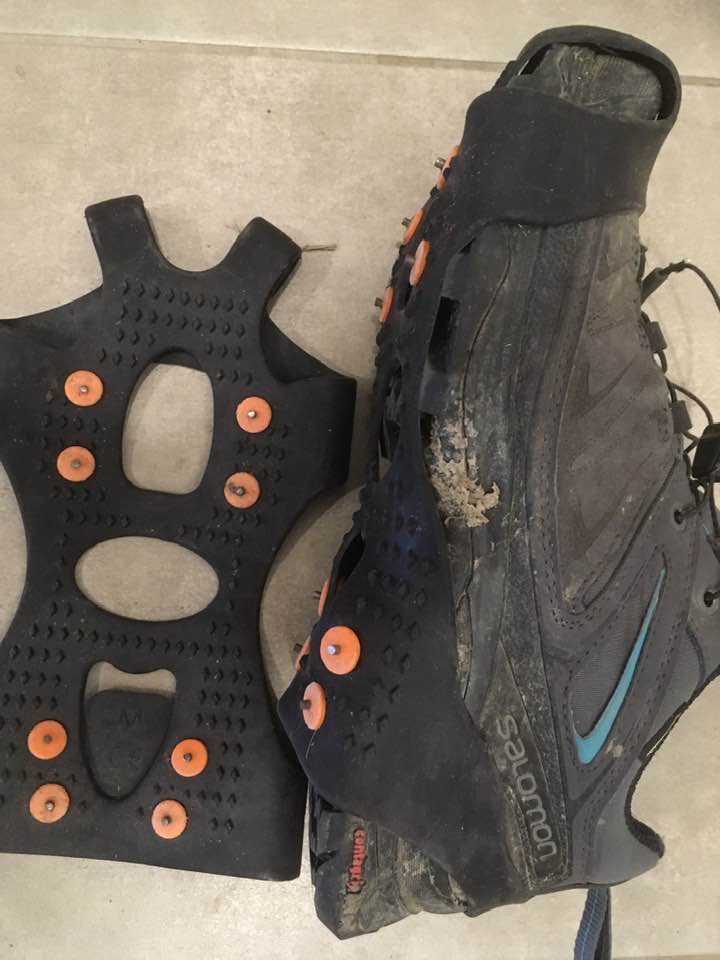
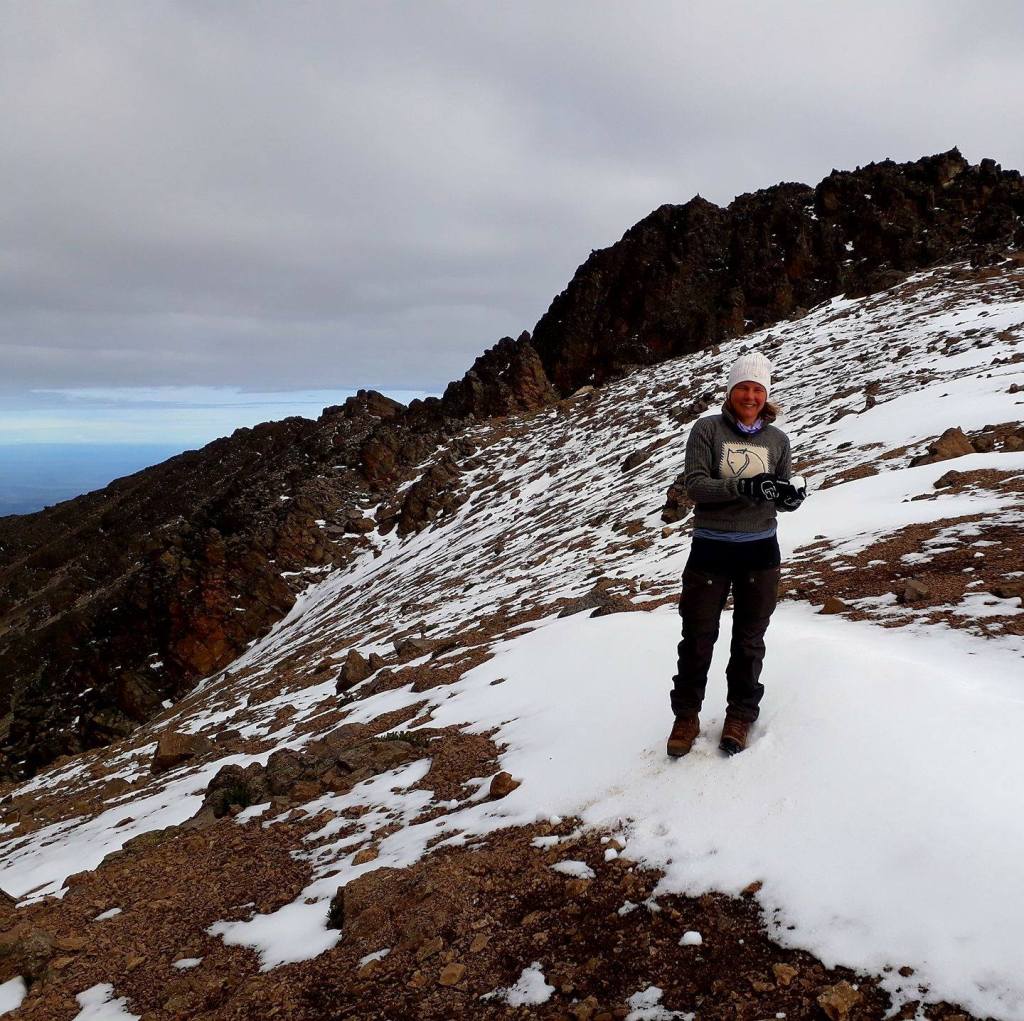
Ascent to Point Lenana takes few hours from Shiptons camp. Closer to the peak path becomes icy. At that point I wished I had taken my grips for shoes with me. One slip, and there would have been zero chance of survival.
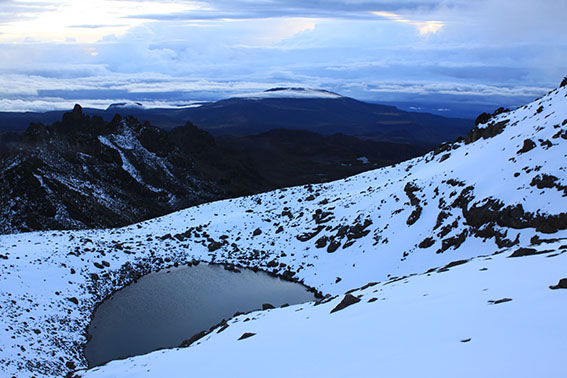
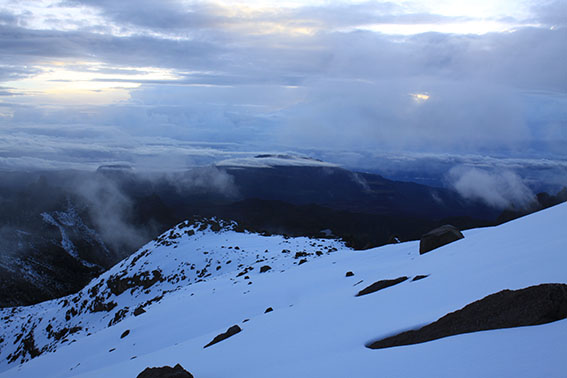
As I was up in March, peak of Point Lenana was icy. Walking to the top was dangerous, as there was only ice, and nothing to hold on. One slip, and the fall would have been hundreds of meters. Simple spikes, the ones that can just be put on top of the shoe would have been great solution.
There were people who were not able to reach the top because of altitude symptoms. Some of them were very fit young men. I guess you can do best you can to help your body to adapt and then just hope it is enough. For me this was just a long walk, my body was just fine.
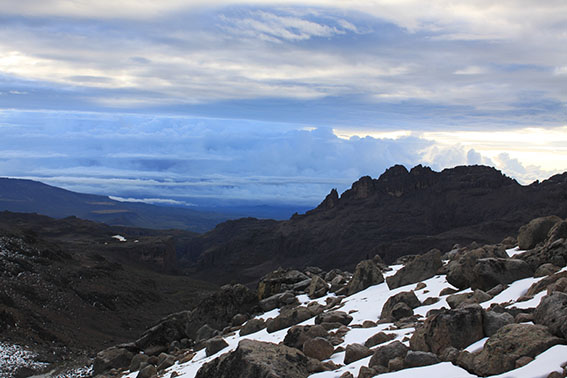
I was not lucky to see the sun set as it was cloudy. But when I began descending to the other side of the mountain clouds cleared and I had most beautiful walk of my entire life.
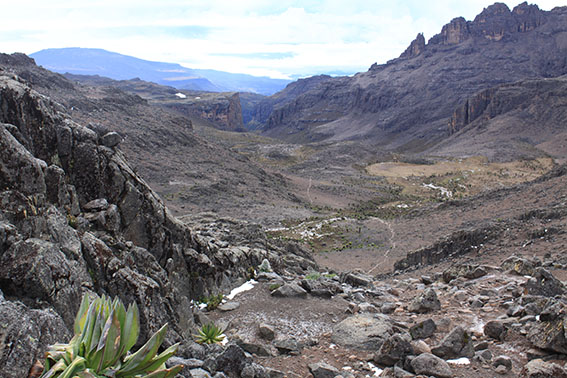
Going down from Point Lenana up to Mt Kenya Bandas is a long walk, about 28 kilometers. But as you are going down and view is all the time spectacular, it is a gorgeous day.
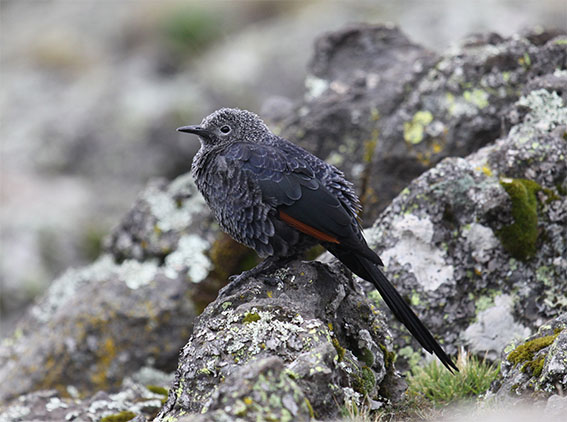
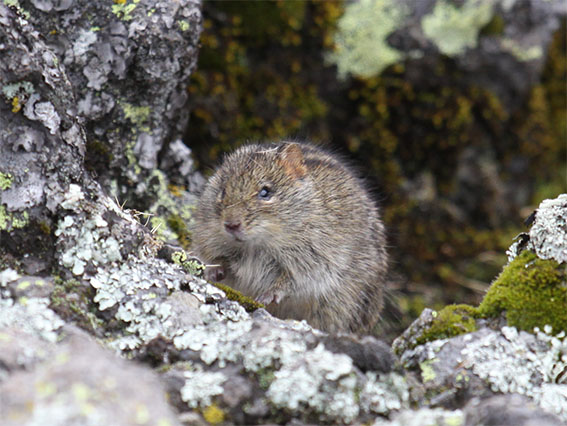
Animals from the way down
As day passes, scenery changes back to giant heather.
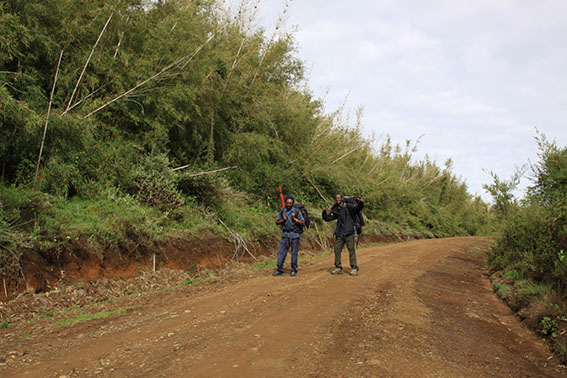
Then heather is behind and bamboo forest is around, and now you are back walking on the road that eventually leads to Mt Kenya Bandas.
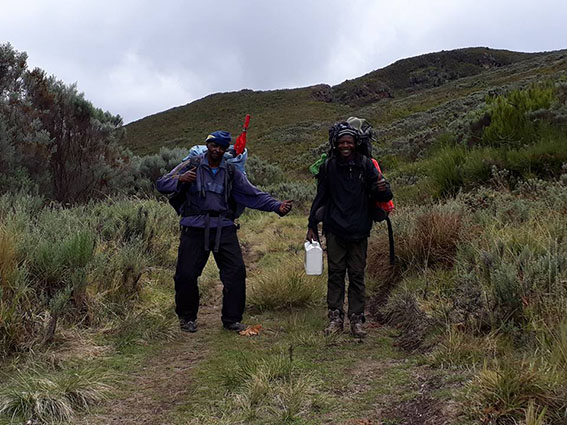
My guide Charles and chef Martin Njure Kinyua. They took excellent care for me. They both enjoyed greatly their work going up and down Mt Kenya. It certainly would keep anyone lean and strong.
Mt Kenya bandas have very nice cabins and even hot shower! It is water warmed in barrel with wood.
Surroundings of Mt Kenya Bandas have a lot of wildlife, so keep your eyes open for sweet kudus.
Getting adapted to higher climate before heading up to the peak.


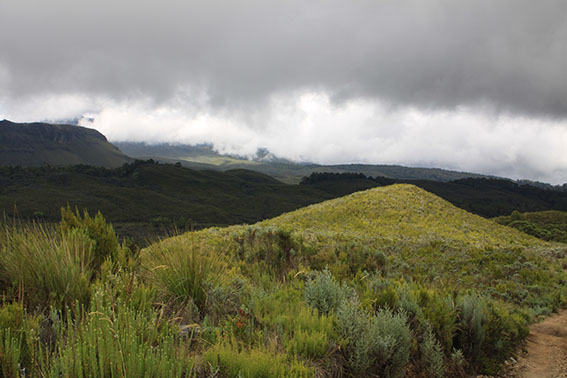
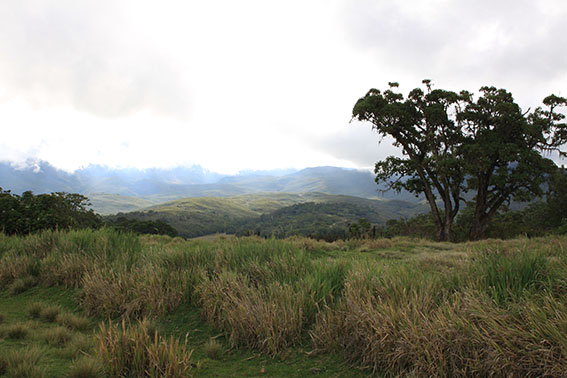
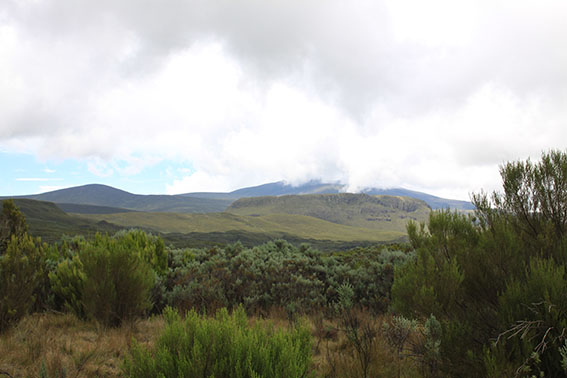
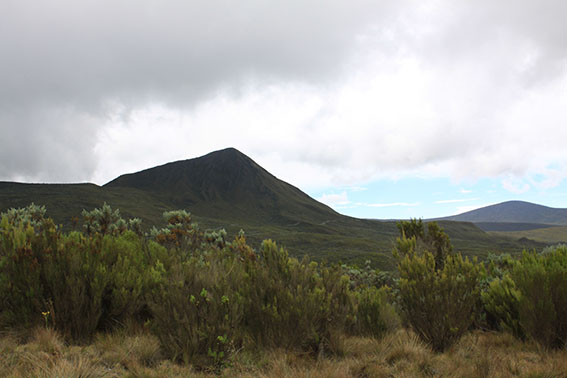
 Animals of Taita, Kenya